
British and American English often name the same household items in surprisingly different ways

Whether you’re traveling abroad or swapping stories online, language differences between British and American English can spark confusion over everyday objects. These names are more than quirks—they reflect cultural habits formed over generations. From pushchairs to flashlights, the words may change, but the items remain familiar. Learning the alternate terms adds a layer of clarity and can help you navigate conversations, shopping trips, or simple directions with a bit more ease.
1. A flashlight in the US is called a torch in the UK.

A flashlight in the US refers to a handheld device powered by batteries that emits a beam of light, often used during power outages or in poorly lit areas. In the UK, the same object is widely known as a torch, a term rooted in older English usage.
The word ‘torch’ might conjure images of flames elsewhere, but British English evolved the term to include electric lights long ago. If you’re at a countryside inn and ask for a flashlight, you might get confused looks—just ask for a torch instead.
2. Americans say cookie while Brits reach for a biscuit instead.
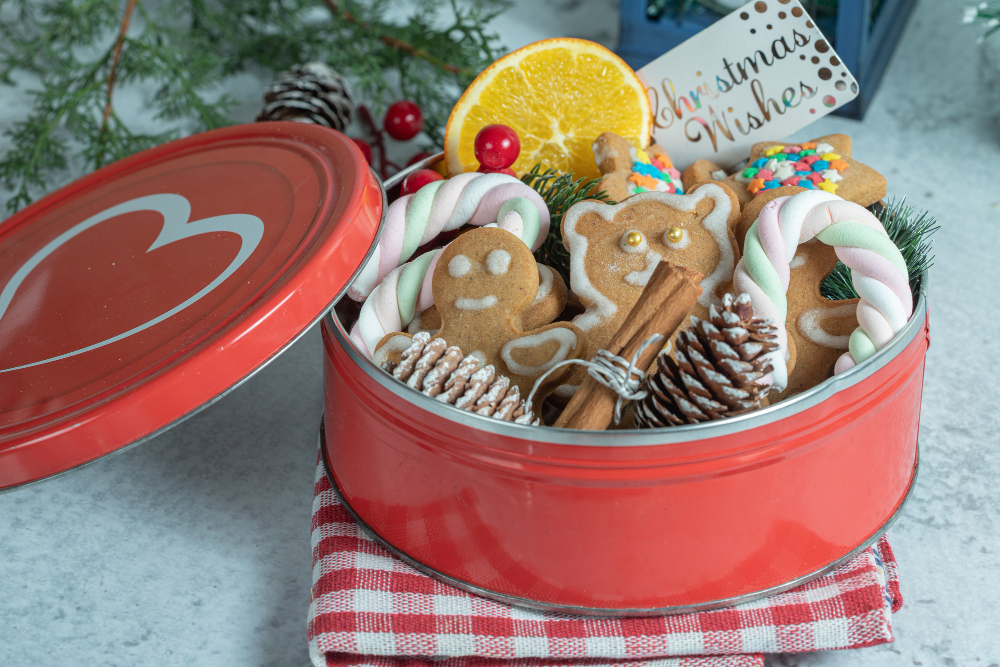
In the US, a cookie typically means a sweet baked disc, often with chocolate chips or oatmeal. British speakers, however, use the word biscuit for the same treat, while their ‘cookie’ refers to a specific chewy kind with a rich texture.
Offering a biscuit in Britain might yield a crisp shortbread on a porcelain plate, not a buttery roll you’d find with gravy in Alabama. The divergence adds a pinch of charm to tea time and coffee breaks across the language divide.
3. The US trunk becomes the UK boot on any car.

Car anatomy gets a vocabulary swap too: what Americans call the trunk—the storage compartment at the rear of a vehicle—is known as the boot in the UK. Both versions serve the same purpose and usually carry groceries, luggage, or seasonal gear.
When a London cabbie pops open the boot to load a suitcase, the function remains recognizable. The shift in terms may throw off a traveler only momentarily, especially when context and physical action fill in the blanks.
4. In Britain, a faucet is more commonly called a tap.
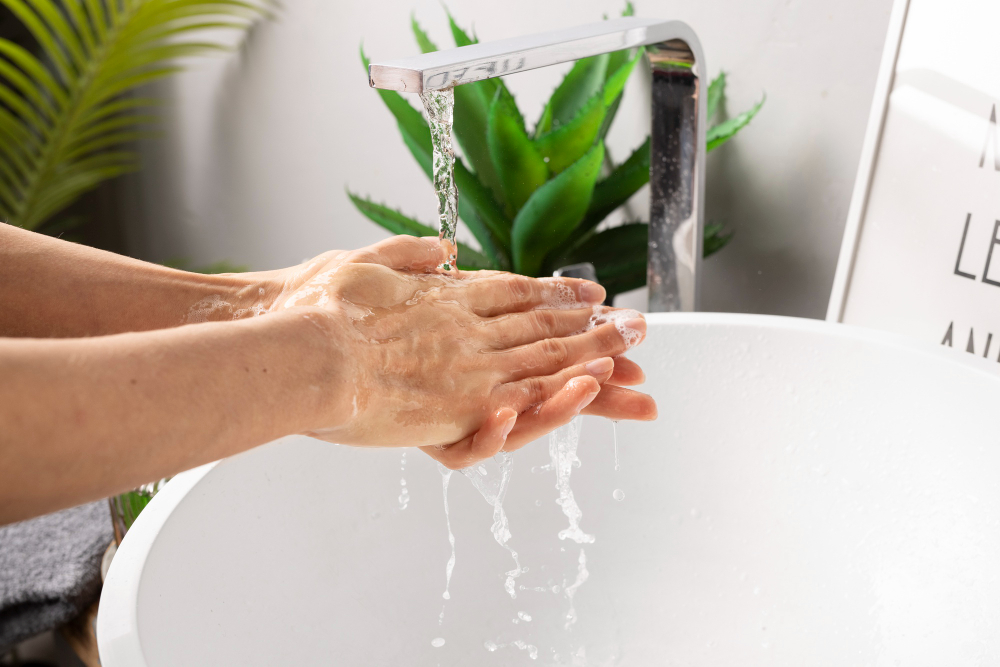
Turn on the faucet in an American kitchen, and clean water flows from a tap-like structure. In British households, that same mechanism is simply called a tap, whether it’s in the bath, over the sink, or running cold next to hot.
The word ‘faucet’ rarely surfaces in casual UK conversation. Spotting dual taps on a Belfast sink can clarify regional design quirks, but it’s the term ‘tap’ that makes the connection universal from Brighton to Glasgow.
5. A stroller in the States is a pushchair across the pond.
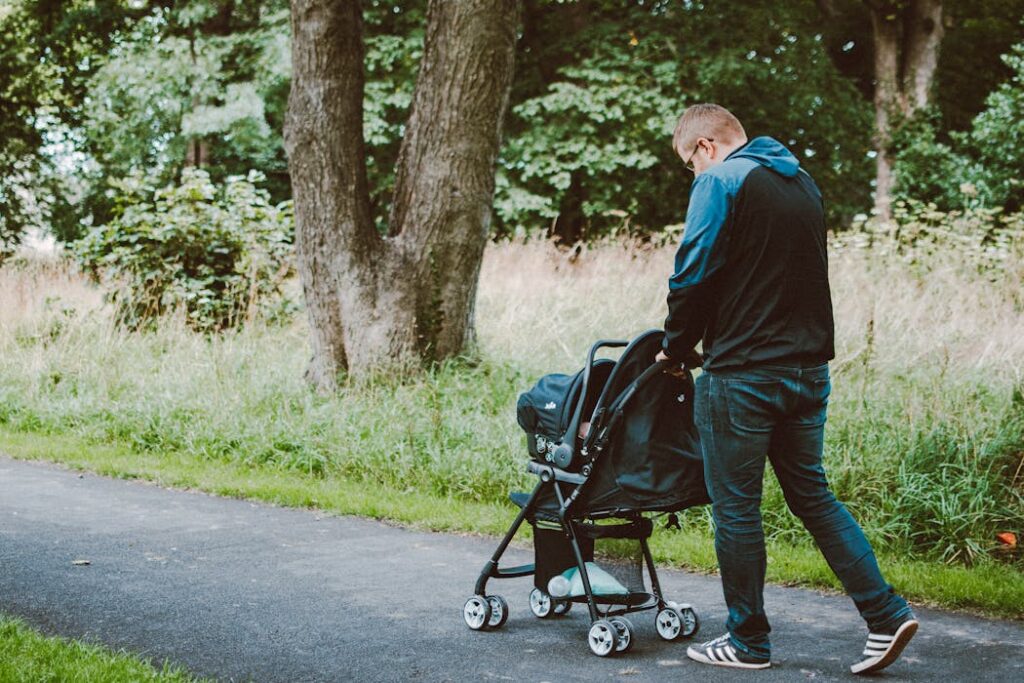
Across the US, a stroller helps ferry infants along sidewalks, parks, and shopping centers. In British English, this wheeled carrier is known as a pushchair, which hints more directly at the adult’s action in guiding it forward.
Unfolding a pushchair in London’s underground station or lifting a stroller into a New York cab involves the same hand motions. The vocabulary varies, but the parenting logistics rarely do—aside from differing curb heights or folding styles.
6. British people sit on sofas while Americans lounge on couches.

Couch and sofa refer to the same furniture — a long cushioned seat for reclining or conversation. Americans often say ‘couch,’ while in the UK, ‘sofa’ is the standard term found in showrooms, online catalogs, and evening talk among friends.
The materials differ less than the words. Whether made of velvet or faux leather, the furniture plays the same role: somewhere soft to land after work or gather during movie night, regardless of what it’s called regionally.
7. In the UK, a sweater is better known as a jumper.

A sweater in the US often refers to a knitted pullover worn in cooler weather. In Britain, that same garment is commonly called a jumper, a word unrelated to athletics but deeply woven into the local clothing vocabulary.
Visit a British shop asking for a sweater, and you’ll be gently redirected toward the jumper section. The item—be it cable-knit or fleece-lined—resolves the language gap through texture and sleeve length more than terminology.
8. Americans toss trash in garbage cans, Brits use a bin.
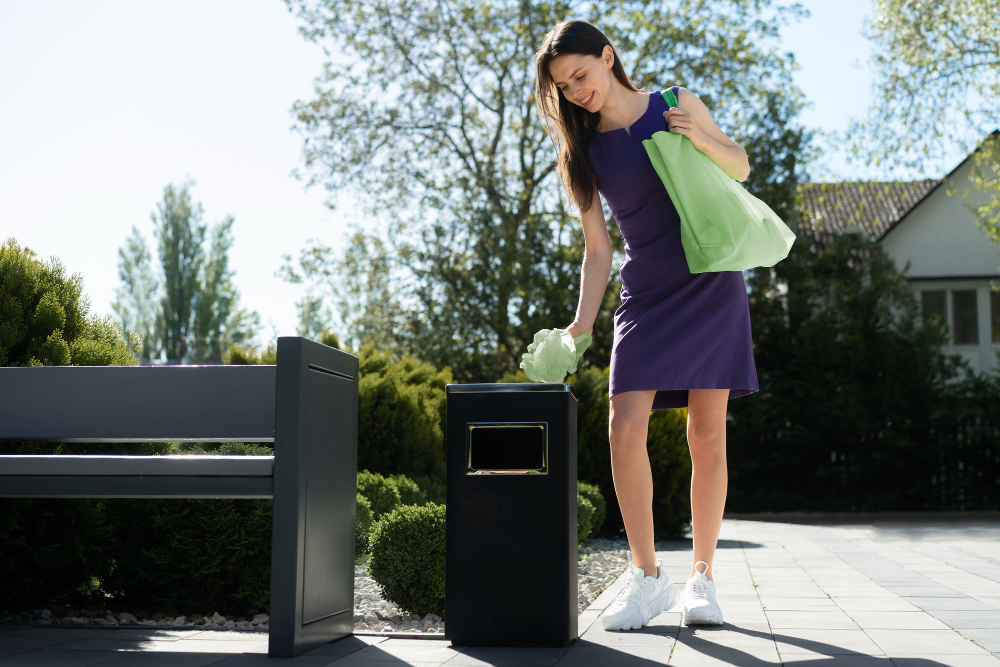
Americans take their garbage outside in cans or throw it out in trash bins. In the UK, the shorter term ‘bin’ dominates everyday speech, whether describing a kitchen receptacle or the outdoor wheelie version awaiting pickup near terraced houses.
Contexts overlap quickly. Spotting a bin near a public park path in London or a trash can along an alley in Chicago reveals that while disposal habits align closely, the words guiding them shift with geography.
9. Erasers in the US are known as rubbers in Britain.

In American classrooms, students reach for erasers to fix pencil errors. British pupils use rubbers—which in the UK context means the same thing: a small rubbery tool that wipes out graphite slips on lined paper or worksheets.
Word choice can lead to awkward pauses. ‘Rubber’ means something else entirely in American slang, highlighting the need for situational awareness when school supplies become part of the language lesson itself.
10. A pacifier in America is called a dummy in England.

Pacifiers help soothe fussy babies in the US, often shaped like tiny plastic shields with silicone nipples. In the UK, parents and shops call the same object a dummy, a name that implies mimicry of nursing without milk.
Cries and shushing sound the same globally, but vocabulary shifts subtly around age-old parenting rituals. Whether tucked beside a crib or clipped to a onesie, a dummy or pacifier serves the same peacekeeping role.
11. Brits keep their milk in the fridge, not the refrigerator.
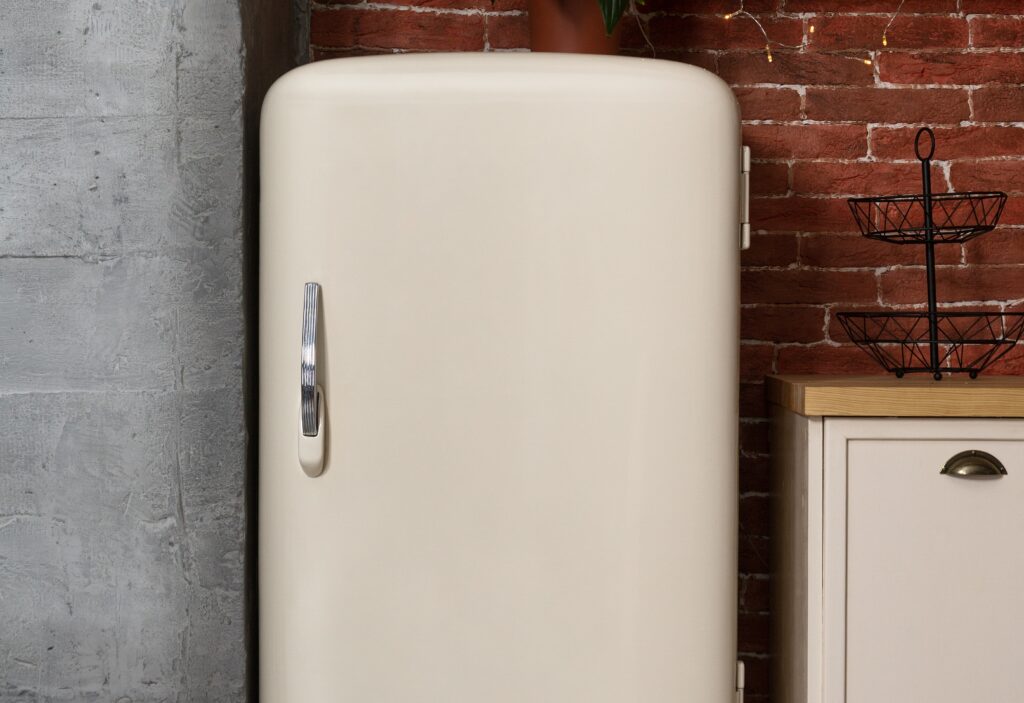
Across Britain, milk goes straight into the fridge, a term that’s far more common there than ‘refrigerator.’ In the US, both words appear in conversation, though ‘refrigerator’ holds a slightly more formal or appliance-focused tone.
Length and rhythm play a role here. ‘Fridge’ slots easily into casual talk—‘check the fridge,’ ‘fridge is empty’—while its longer cousin keeps a firmer grip in product manuals or kitchen showrooms.
12. Shopping carts in the US are trolleys in the UK.

At supermarkets, Americans load groceries into shopping carts: wire baskets with wheels and sometimes a squeaky front wheel. In British stores, these are trolleys, rolled across tile in the cheese aisle or stacked outside near the trolley park.
Cultural quirks show up in usage. A ‘trolley rage’ incident in a London Tesco or a toddler fiddling with toy carts in Ohio may differ in phrasing, but the fabric of everyday chores remains the same.
13. US elevators are simply lifts when you’re in the UK.

Push a button in an American building and you call the elevator. In British buildings, often narrower and older, it’s called a lift—still enclosed, still vertical, often less roomy but engineered for the same destination-hopping purpose.
The word ‘lift’ covers both noun and verb in Britain, making it a natural fit. Whether gliding up an office tower in Manchester or exiting a downtown hotel in Chicago, the meanings cling to the cables, not the label.
14. Toilet paper in the US is called loo roll in Britain.

Toilet paper in the US sits on dispensers in bathrooms and grocery aisles. In the UK, people often refer to it as loo roll—a phrase that borrows from the casual term ‘loo’ for bathroom and nods to the product’s spool shape.
The imagery stays intact. Whether wrapped in paper or plastered with cartoon mascots, loo roll or toilet paper finds its home beside sinks, under cabinets, or in stacked hallway cupboards across households on either side of the Atlantic.