
These once-common childhood staples reveal just how much the world has changed since then.
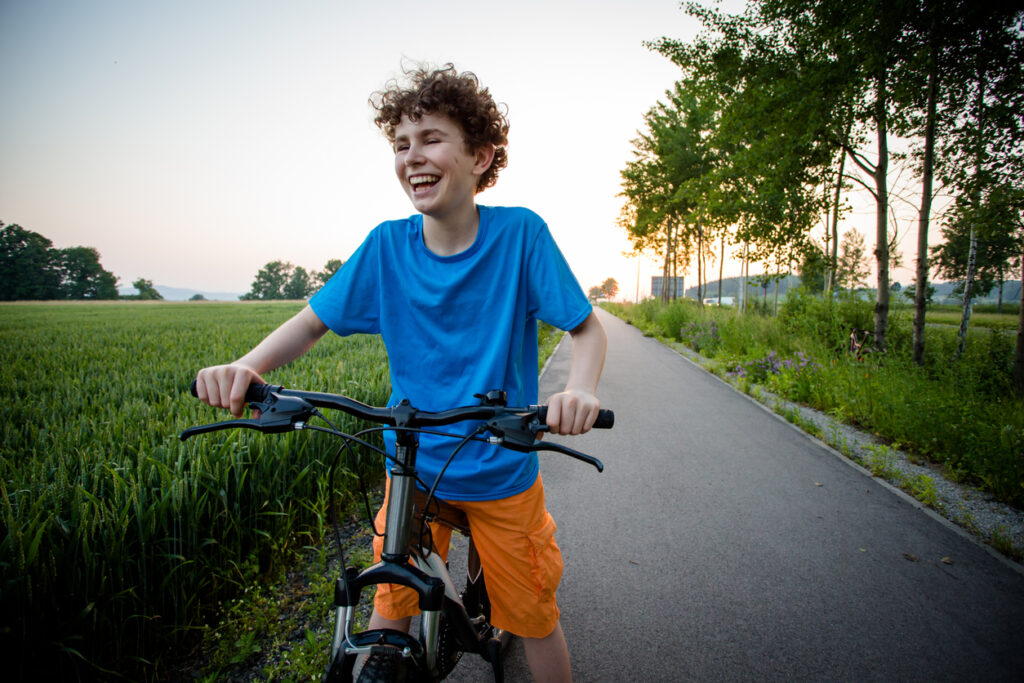
Many of the daily sights, sounds, and routines that shaped Baby Boomer childhoods are now relics of a pre-digital world. Handwritten letters, rotary phones, and unsupervised outdoor play may sound foreign to Gen Z, raised with smartphones and streaming. These memories offer more than nostalgia: they highlight how much technology and culture shape growing up. Exploring them helps bridge generations and sparks appreciation for the values baked into those unplugged experiences.
1. Riding bikes without helmets until the streetlights came on.
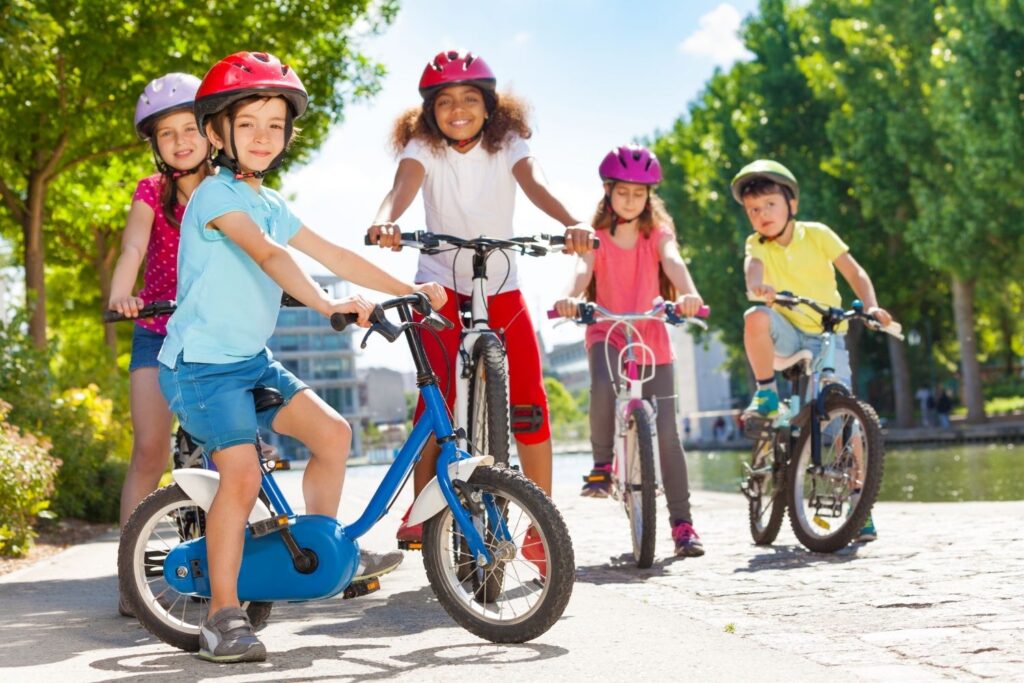
Kids pedaled Schwinns or banana-seat bikes with no helmets and no supervision, circling cul-de-sacs or coasting down cracked sidewalks until the streetlights buzzed on. That glow didn’t just mean it was dark—it meant it was time to head home without being told.
Back then, danger felt more abstract. A tumble scraped a knee, not prompted a warning label. The lack of helmets wasn’t rebellion, just normal. On long summer days, the only schedule came from the sun and streetlamps, and the best landmarks were neighborhood mailboxes and chalk-drawn hopscotch grids.
2. Using rotary phones attached to the kitchen wall.
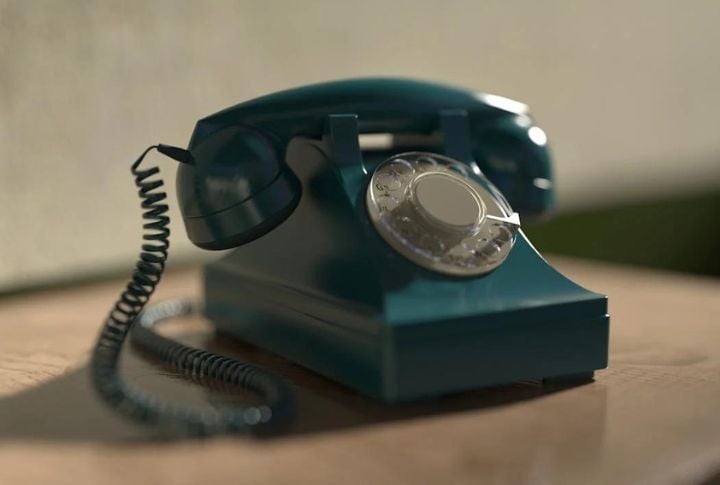
A rotary phone meant staying near the kitchen wall, tethered by a long spiraled cord that snagged on the breadbox. The dial clicked methodically back with each number, a tiny ceremony that slowed conversations before they even started.
Privacy wasn’t part of the deal. Anyone could overhear while you asked to be picked up from basketball or chatted awkwardly with a friend. Miss a number and you had to start over. The rhythm of making a call carried weight—deliberate, slow, and unable to multitask.
3. Watching Saturday morning cartoons with a big bowl of cereal.
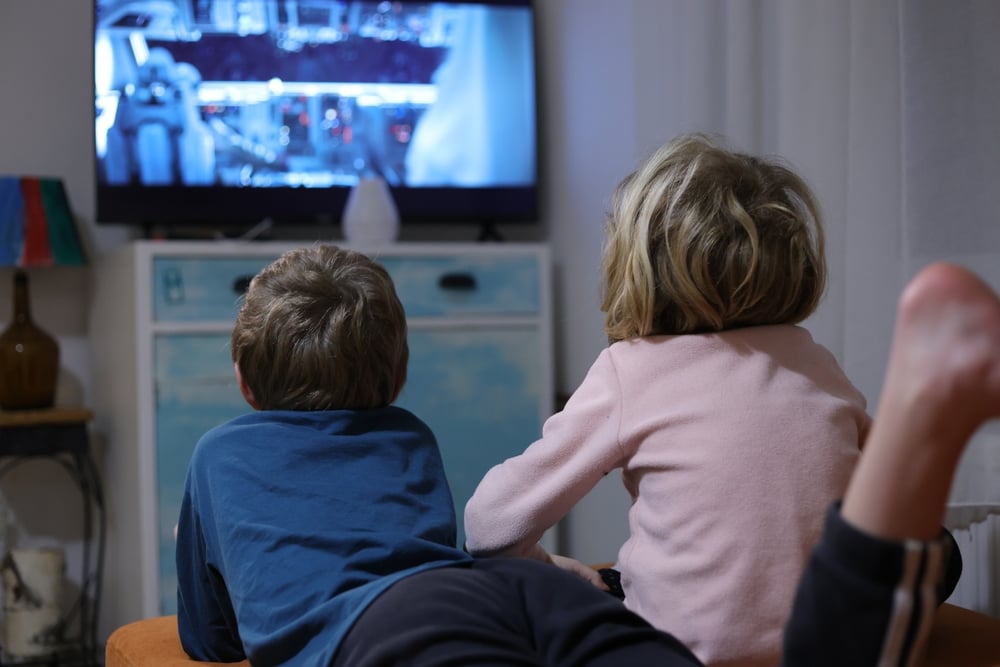
Saturday morning had a ritual: wake up early, pour a bowl of sugary cereal—maybe Fruity Pebbles or Cap’n Crunch—and plop in front of the TV for a cartoon marathon. Networks packed hours with colorful characters and slapstick soundtracks.
By noon, it was over. Baseball came on or chores began, pushing kids outdoors. That compact window created urgency and delight. Without on-demand shows or streaming queues, catching what aired meant adjusting your whole morning around those technicolor hours.
4. Listening to vinyl records while sprawled out on shag carpet.
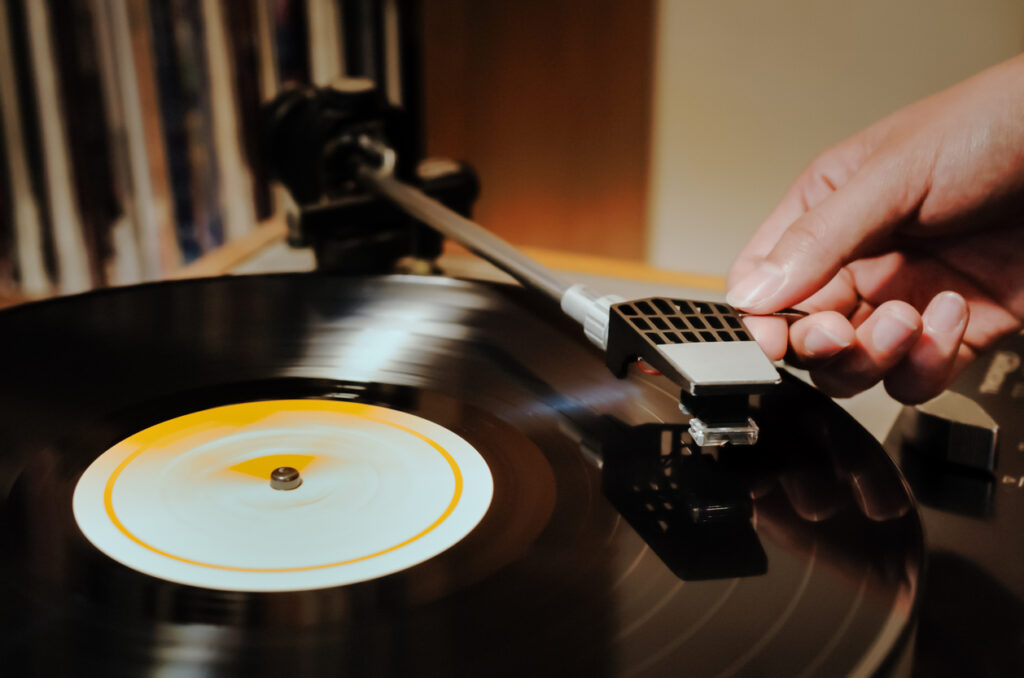
Vinyl records spun under needle arms, filling the room with analog warmth and occasional pops. Kids sprawled across thick shag rugs, flipping album covers like storybooks. Each side played through uninterrupted, so you listened all the way.
Music felt more physical—tangible sleeves, printed lyrics, the soft whirr of a turntable motor. Unlike playlists that skip with a tap, albums unfolded in order. You learned every track, even the weird B-sides. It wasn’t background noise. It was the main event.
5. Writing letters by hand and mailing them with stamps.

Writing letters meant choosing stationary, gripping a pen, and shaping thoughts at a human pace. Every sentence took time. You folded the paper, licked a stamp, and listened to the envelope seal under your palm.
Waiting became part of the experience. A reply could take days or weeks. Phone calls were too expensive or too brief to explain everything. For kids away at summer camp or pen pals a few states over, written words were the closest substitute for being there.
6. Blowing into video game cartridges when they wouldn’t load properly.
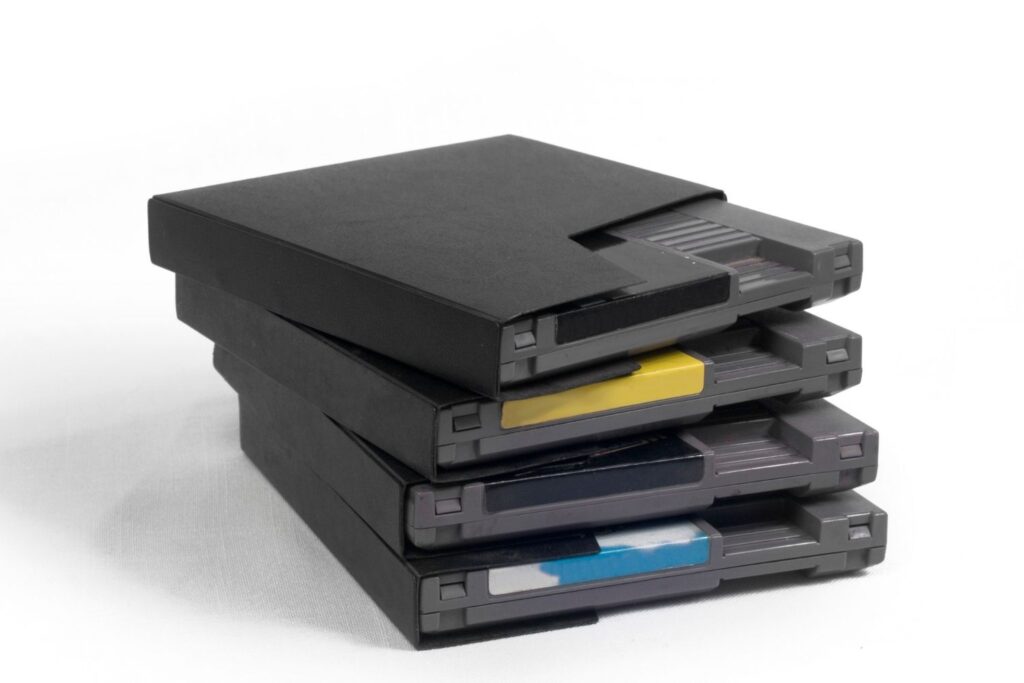
If a Nintendo cartridge wouldn’t load, you blew into it. Not always effective, but everyone tried it—cupping the rectangular plastic, exhaling fast, then jamming it back in. Did it help? Maybe. Did it feel like it helped? Absolutely.
That ritual became part of the gameplay. Kids passed tips in whispers: hold reset, press down harder, try again. The hardware had quirks. Unlike today’s polished interfaces, you had to coax older tech to work—less science, more superstition passed between living rooms.
7. Playing outside all day without checking in with parents.

Unstructured outdoor time filled whole days—riding, climbing, poking at ant hills, chasing balls past the curb. Home base dissolved once the screen door clattered shut. The only check-in was a shout from a porch or someone’s mom leaning out.
It built gut-trust and a sense of place. Pockets jingled with marbles or peach pits. Time moved in landmarks: lunch from a corner store, sun dipping past the garage. Freedom came with scraped elbows, dusty pants, and a sense of being on your own.
8. Reading hardback encyclopedias to do school research.

Research meant cracking volumes of a heavy encyclopedia set, often bought over time from door-to-door salesmen. Alphabetical entries filled pages with charts, drawings, and blocks of black text. Each book smelled faintly of glue and aging paper.
You couldn’t search. You guessed where to look, learned to skim, followed trails to cross-referenced topics. Answers came slowly, buried between topics like ‘Glue’ and ‘Goldfinch.’ School reports meant copying by hand, feet dangling from dining chairs, citations pulled from embossed title pages.
9. Recording songs from the radio onto cassette tapes.
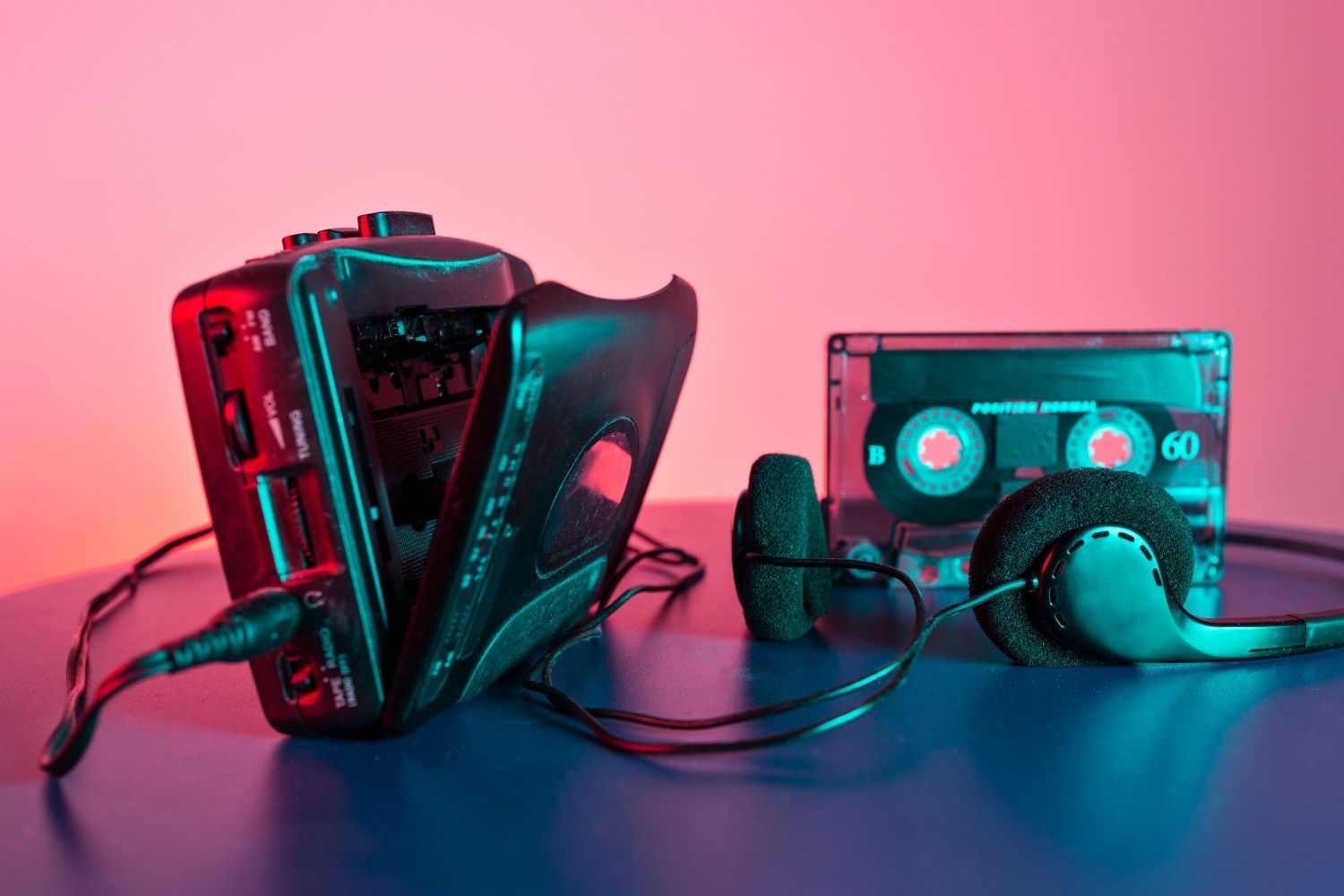
Recording off the radio required perfect timing. One hand hovered over the cassette deck’s record button while the other clutched a blank Maxell tape. DJs talked over intros, and you hoped your favorite didn’t get cut off.
The final mix had hiss, dead air, and surprise soundbites from traffic updates. But that was part of its charm. You played it back on a silver boombox, proud of your homemade playlist. The effort gave each track weight—even the nearly missed ones.
10. Visiting the library to look up information in card catalogs.

Card catalogs lined library walls like wooden beehives, each drawer packed with tidy index cards. You pulled one out, scanned for your topic, and jotted the reference down—title, author, and the all-important call number.
You navigated the building by memory and floor maps, fingers trailing along spines. Research had muscle and presence. It taught patience, especially when the book you needed wasn’t on the shelf. Each answer required walking, lifting, searching—a physical choreography of curiosity.
11. Making collect calls from payphones with a rehearsed message.

Payphones weren’t free, and kids learned to game the system. Before cell phones, you’d pick up the receiver, drop in a coin—or not—and deliver your whole request in one rushed sentence when prompted to ‘state your name.’
“Pick me up at gym,” you’d blurt, then hang up. No call needed to go through. If your parents heard your voice on the recording, they got the message and saved a quarter. Efficient, embarrassing, and strangely reliable when the system played along.
12. Using paper maps for road trips instead of digital directions.
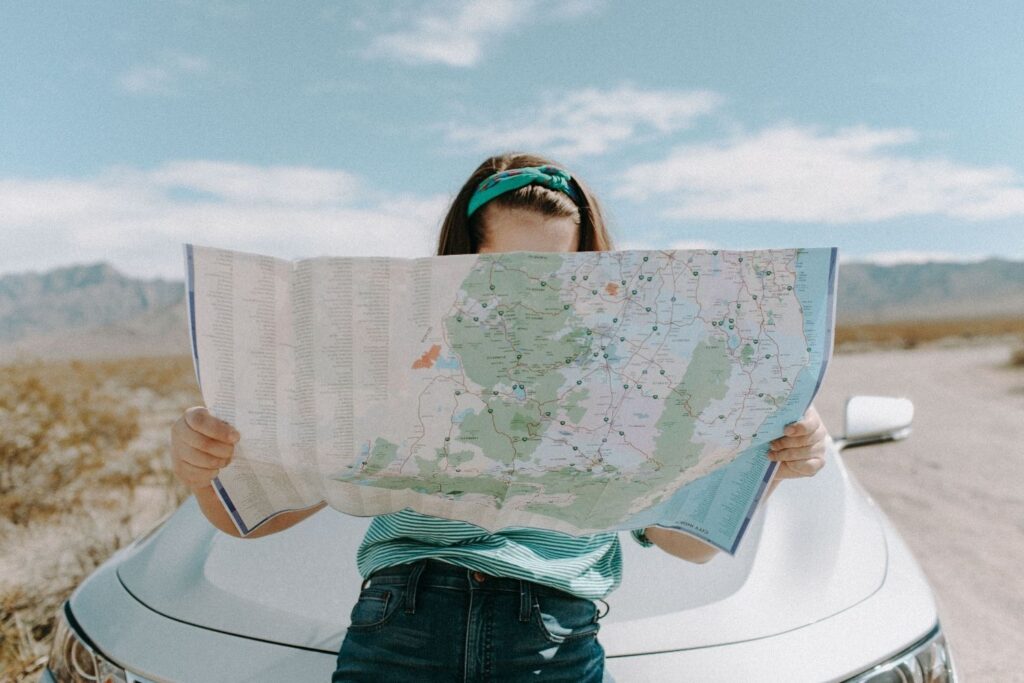
Maps unfolded like puzzles in a glovebox—creased, faded along the folds, and covered in tiny type. Navigating meant reading aloud street names and watching for exits, the passenger’s job as vital as the driver’s.
Getting lost meant pulling over and squinting at a rest area infield, retracing the colored lines with an index finger. No voices rerouted you. Adjusting course involved discussion or debate. Road trips ran on gas station snacks, local radio static, and the imperfect guidance of paper geography.
13. Drinking from the garden hose without a second thought.

The garden hose sat coiled on a rusted holder or flopped across concrete, where someone had forgotten to roll it. Water burst from the end ice-cold at first, metal nozzle slippery in small hands.
Drinking straight from it felt like rebelling against rules that hadn’t been made yet. No one questioned the source. You cupped your hand or leaned in, teeth clacking the brass lip. It wasn’t filtered or flavored. It just tasted like summer and rubber and grass.