
These seemingly old-fashioned habits can support better sleep, focus, nutrition, and emotional wellbeing.

What looks outdated at first glance sometimes reveals surprising staying power. Many so-called boomer habits, once dismissed as behind the times, actually support modern health goals. From handwritten notes to daily walks, these routines promote deeper social connection, better focus, and more restful sleep. Embracing the best of earlier generations can create a calming backbone in a fast-paced world, offering structure and emotional grounding when things feel scattered or overly digital.
1. Sitting down to eat home-cooked meals without distractions or screens.

Family dinners without phones once anchored weeknight routines. With no screens, meals become a sensory pause—steam rising from a pot roast, forks clinking against ceramic plates. The ritual slows time, builds connection, and allows people to notice both food and each other.
In a noisy digital world, this daily moment of calm has renewed importance. Sharing a focused meal can lower stress hormones and increase feelings of belonging, even when the grocery list runs short and the table isn’t set just so.
2. Writing handwritten notes to stay connected with friends and family.

Handwritten notes rely on tactile presence: ink dragging across lined paper, the slight bend of a sealed envelope. Unlike digital bursts of communication, they demand focus and carry emotional weight. Each word arrives in someone’s mailbox like a small gift.
Their slower pace helps relationships last longer than the latest app craze. A note tucked into a drawer or fridge becomes a memento, grounding a friendship in more than scrolling habits or autocorrected wishes.
3. Getting eight hours of sleep every night without feeling guilty about it.

Sleeping a full eight hours without labeling it indulgent reflects a trust in the body’s design. Deep sleep builds memory, supports immune health, even reduces anxiety. Curtains drawn, bedside lamp dim, the room signals rest—not productivity.
Rather than a luxury, this rhythm safeguards both mental and physical balance. A well-rested person wakes with steadier moods and clearer thoughts, even if their to-do list isn’t shorter than yesterday’s.
4. Talking to neighbors regularly instead of relying only on digital messages.

Spoken greetings exchanged over fences or in shared hallways build a low-key intimacy that texts can’t replicate. A tone of voice, a pause in phrasing—these tiny cues layer meaning onto words. They also create space for spontaneous empathy.
In a neighborhood where people greet each other often, even brief hellos form a quiet support net. One smile outside can matter more than twenty emoji reactions on a screen that never blinks back.
5. Keeping physical calendars or lists for better mental organization and clarity.
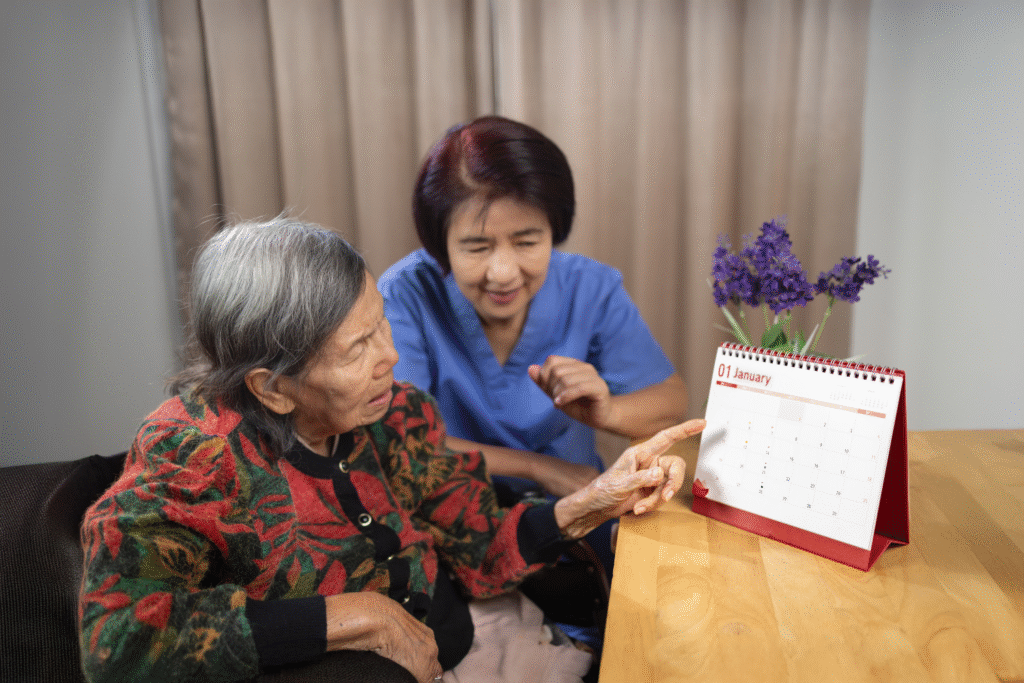
Paper calendars and handwritten lists offer a tactile mental anchor. Crossing off an item provides a small jolt of clarity—heavier than a disappearing notification. The act engages the brain’s spatial memory, boosting recall and easing low-grade anxiety.
Unlike endless digital tabs, physical tools show limits more clearly. A monthly grid or folded grocery note provides structure, nudging attention toward what matters now instead of everything at once.
6. Reading print books and newspapers to reduce screen time and improve focus.
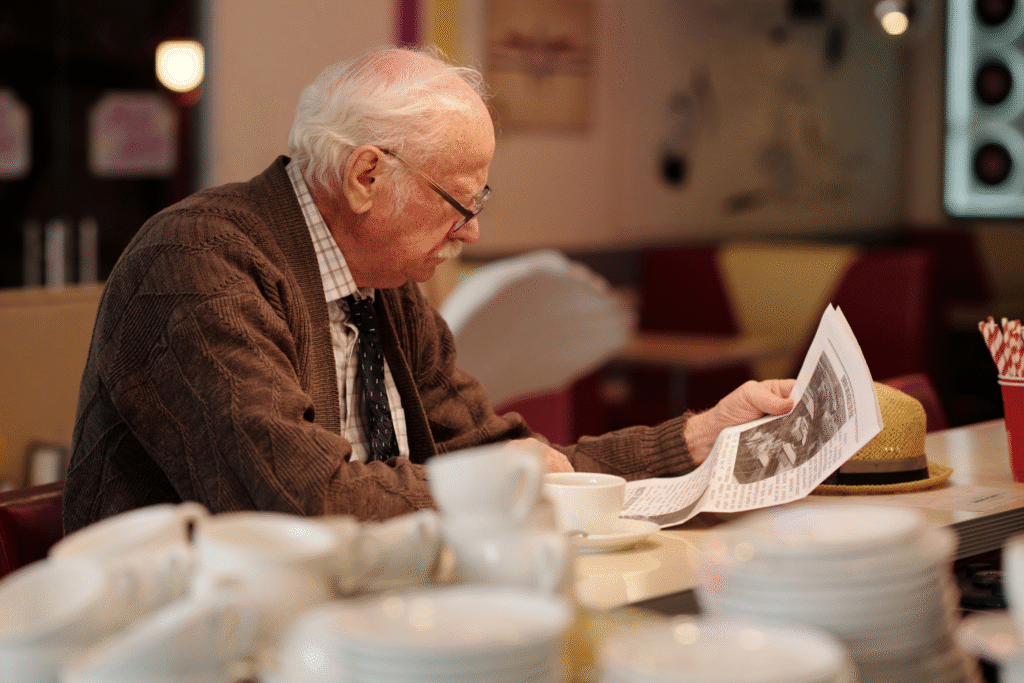
Print reading slows the flood of input to a pace the brain prefers. The absence of hyperlinks and pings keeps focus longer and strengthens narrative memory. A paperback novel or folded newspaper gives the eyes a break from backlit glare.
In moments of quiet absorption, time stretches. Without background tabs or blurred windows, deep reading creates a mental stillness ideal for reducing stress, even if only for fifteen minutes beside a sunlit window.
7. Taking daily walks outside as a simple way to boost well-being.

Walking taps into a built-in rhythm that refreshes both thought and mood. The simple act of moving outdoors—with wind in the sleeves or gravel underfoot—activates circulation and releases the mind from fast digital switches.
Even short daily walks bring noticeable shifts. They support cardiovascular health and foster mental clarity, nudging the body out of static postures and the mind out of tangled loops it might have sat inside all day.
8. Repairing things before replacing them to reduce waste and save money.

Mending socks or gluing a broken lamp is more than thrift. It’s attention paid to use and value. Repair crafts a small victory against waste, and often reconnects people to patience and skill.
Beyond saving money, fixing instead of replacing can create pride and emotional attachment. A resewn seam or polished latch restores function—sometimes with charming imperfection—and slows the churn of disposable habits.
9. Practicing face-to-face communication as a way to strengthen relationships.

Direct, in-person conversations carry emotional texture—eye contact, vocal tone, subtle pauses. Even casual chats contain micro-adjustments: a lifted brow, a shared laugh between sentences. These layers don’t survive well in digital shorthand.
Sustaining relationships through face-to-face time builds trust over encoding. People feel seen, not just messaged. And recurring connection—whether at a coffee shop or front porch—strengthens empathy in ways that screens strain to mirror.
10. Listening to music without multitasking to relax and stay present.

Listening to music without tapping, scrolling, or typing clears mental space. A vinyl record spinning or playlist humming in the background can center focus and cue memory. Pure listening calms the nervous system and rewards simple presence.
By not multitasking, one begins to notice layers in the sound: a breath before a verse, the rustle of fingers on strings. The immersive act steadies the pulse, offering calm without demands for response or reaction.
11. Following consistent morning routines to create structure and lower stress.

Morning routines offer more than efficiency; they shape mental pace for the entire day. A familiar sequence—making the bed, brewing coffee, checking the forecast on paper—grounds the senses and reduces early cortisol spikes.
That predictability becomes a quiet scaffold. Even when external plans shift, the first hour holds steady, providing a sense of order before inboxes open or the day accelerates beyond control.
12. Cooking from scratch using real ingredients instead of packaged meals.

Cooking from scratch invites deliberate, sensual work: chopping onions, simmering lentils, tasting sauce from a wooden spoon. Unlike heating a frozen tray, this method fosters attention and satisfaction with the process, not just the plate.
Whole ingredients tend to nourish more fully, but beyond nutrition, hand-cooked meals offer emotional steadiness. The rhythm of cooking can ease tension, especially when stews thicken—or bread rises—while everything else waits.