
These groundbreaking comedy moments shifted the way we laugh, think, and see ourselves

From rapid-fire wordplay to sharply subversive impressions, comedic routines have long mirrored and influenced cultural shifts. The most iconic bits don’t just entertain, they resonate—reflecting our anxieties, our joys, and our contradictions. Whether through satire, physical gags, or bold character work, these legendary performances became more than punchlines. They shaped eras of entertainment and helped define comedic standards that echo across decades of television, film, and stand-up stages.
1. Abbott and Costello’s ‘Who’s on First’ redefined wordplay for generations.
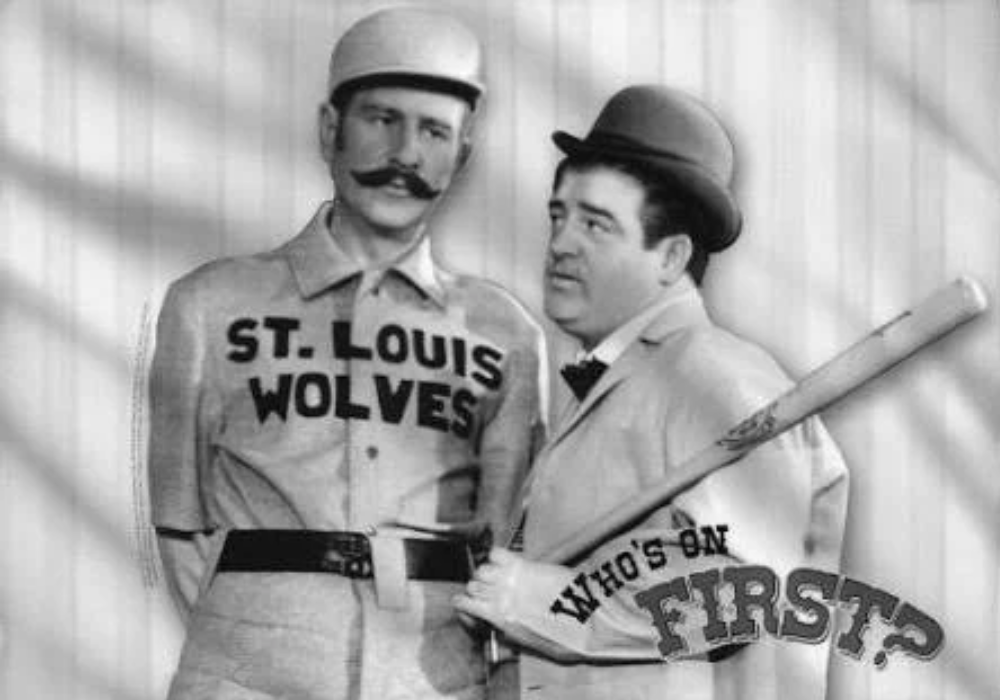
Built on a routine about baseball player names, ‘Who’s on First’ took a vaudeville premise and honed it into a rapid-fire spiral of logic and misunderstanding. Abbott delivers straight lines with control while Costello’s rising confusion creates a rhythm both maddening and brilliant.
Rather than rely on punchlines, the sketch loops back on itself, trapping both performers and audience in a language maze. Baseball, a familiar American anchor, becomes the backdrop for pure linguistic play—turning confusion into comedy with impeccable timing and breathless pacing.
2. Lucille Ball’s candy factory chaos set the bar for sitcom physicality.
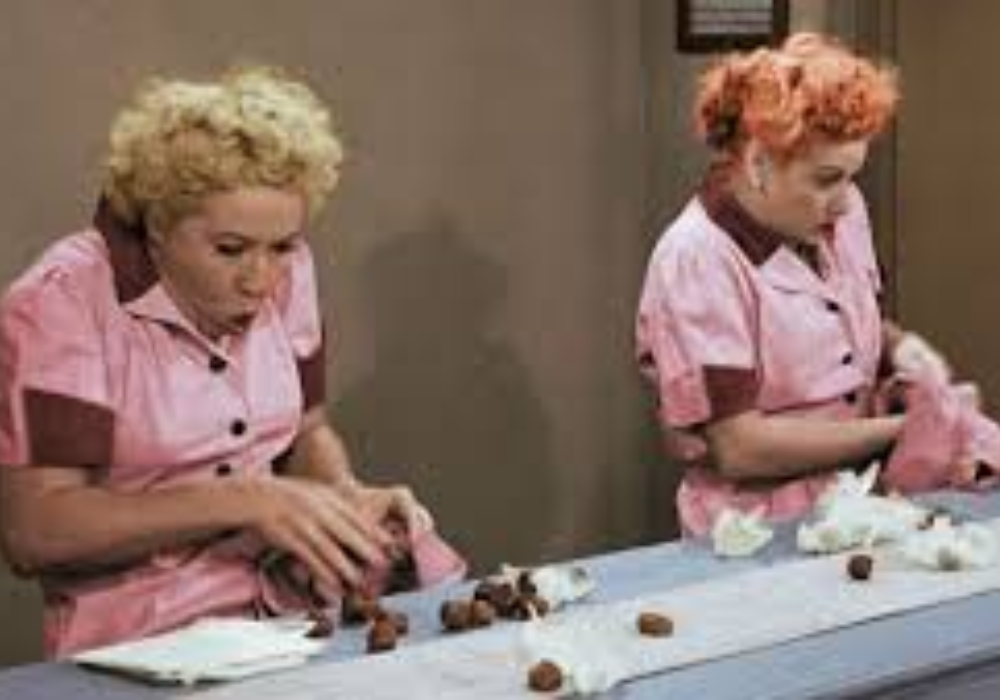
In the candy factory episode, Lucy and Ethel can’t wrap chocolates fast enough, creating a frantic ballet of smuggling sweets down blouses and into hats. Each escalating misstep pairs tight choreography with an anxious beat that speaks the universal language of panic-on-the-job.
Camera angles stay tight, the soundtrack speeds up, and the laughs come not from lines, but from Lucy’s expressions—eyes wide, mouth twitching, hands flying. The humor relies not on dialogue but on rhythm, turning physical struggle into an enduring comic blueprint.
3. Carol Burnett’s curtain rod dress sketch parodied with sharp, visual humor.
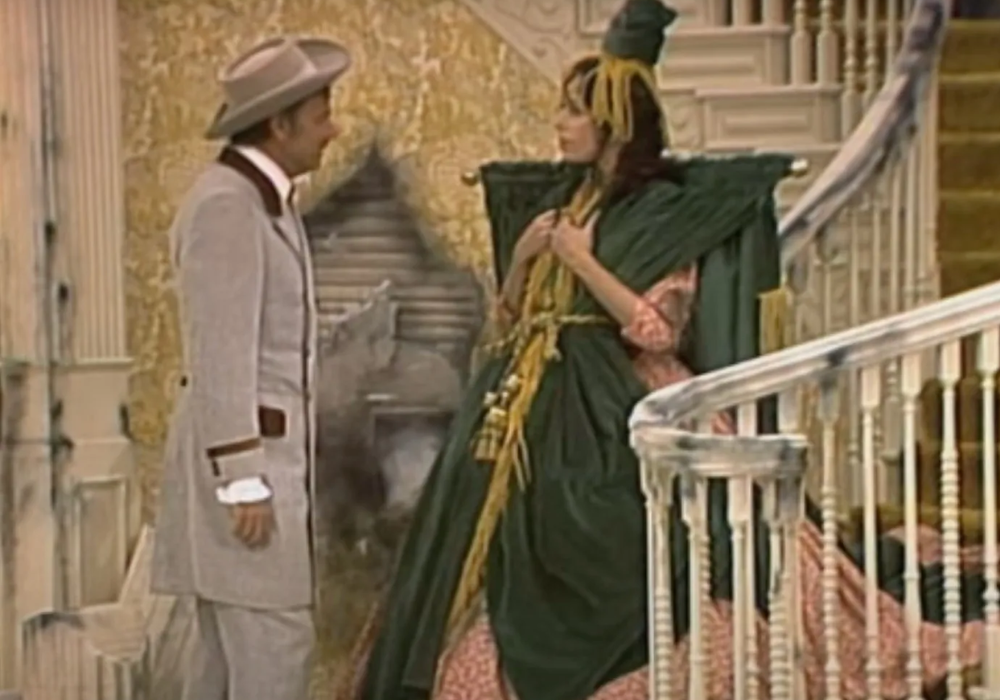
Carol Burnett’s curtain rod dress, a parody of ‘Gone with the Wind,’ drops like a visual punchline: she descends a staircase wearing green velvet, curtain rod still across her shoulders. The sight gag lands before she even speaks. Timing does the heaviest lifting.
The sketch blends fashion parody with deadpan delivery, subverting elegance with absurdity. By wearing the joke instead of explaining it, Burnett made physical humor feel refined and mischievous. The studio audience’s gasp-laugh sealed it with a shared jolt of joy.
4. Richard Pryor’s talking heart routine blended honesty and fearless absurdity.
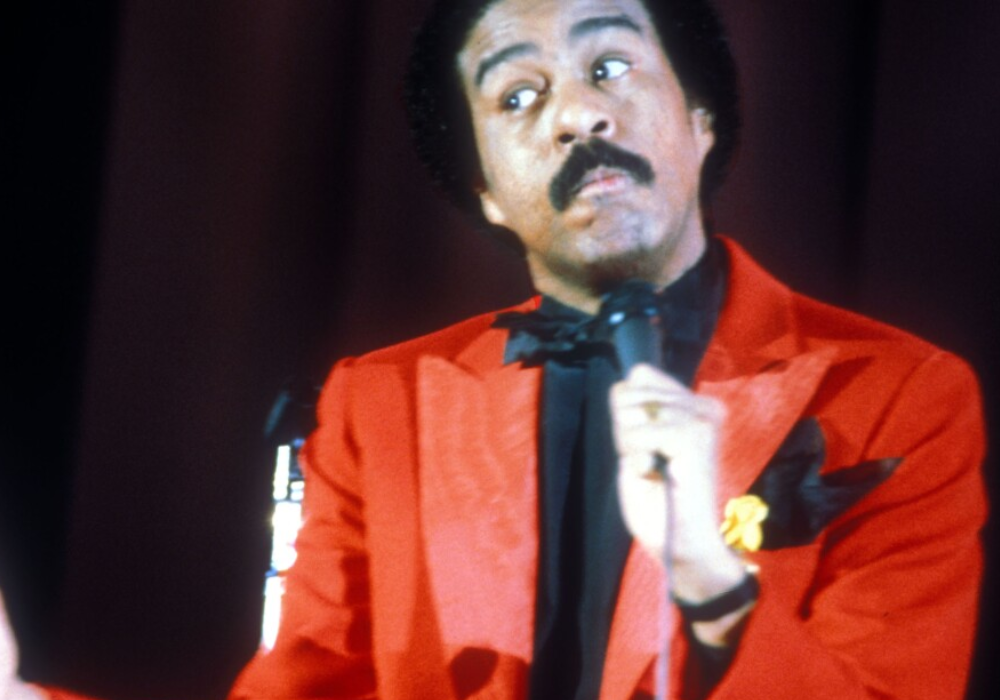
Richard Pryor’s talking heart routine starts with a man facing a cardiac scare, his inner monologue turning into a two-way argument with his own heartbeat. The bit walks a fine line between comedy and vulnerability without losing its raw energy or wit.
Under the absurd premise is a serious pulse: the fear of mortality, especially for Black men in America, faced through humor. Pryor’s delivery—a beat, a breath, a yell—captures fragility beneath swagger, tapping into truth without romanticizing it.
5. Steve Martin’s arrow-through-the-head bit embodied silly, surreal wit.
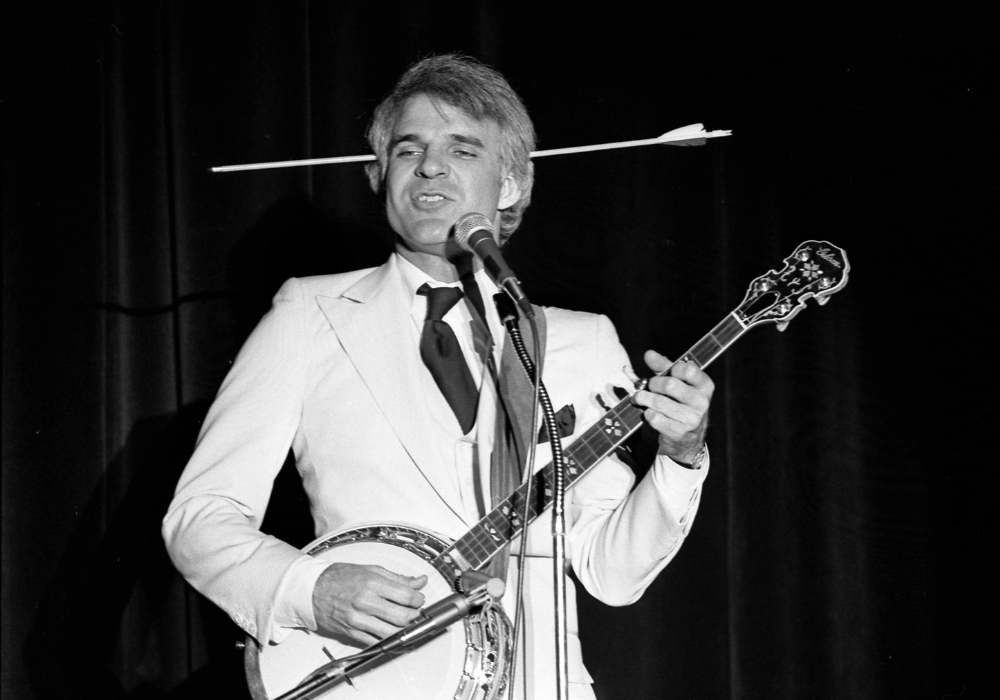
Steve Martin marched onstage in a white suit and a fake arrow through his head, turning prop comedy into a surreal performance of ironic detachment. His act leaned into the illogical, mining laughter from pure nonsense served confidently straight.
Martin’s exaggerated movements and abrupt tone shifts created characters who seemed puzzled by their own punchlines. In a scene full of suave comics, his goofball act ran counter to the cool. Audiences saw a new kind of clown: self-aware, absurd, delighted by chaos.
6. Gilda Radner’s Roseanne Roseannadanna made punchlines out of awkward tangents.
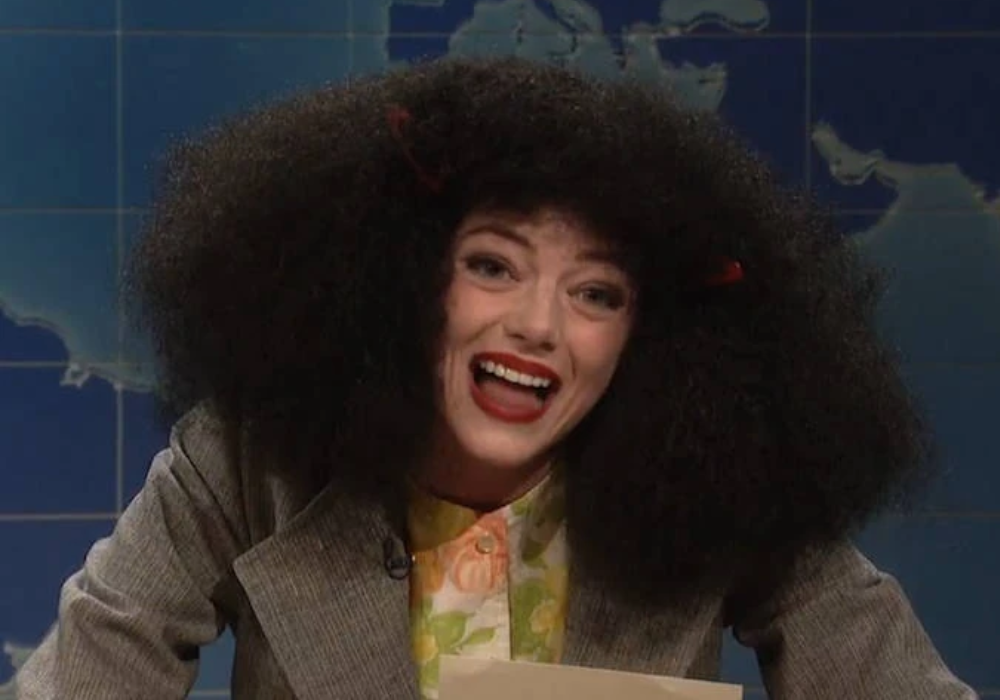
As Roseanne Roseannadanna, Gilda Radner turned rambling answers on Weekend Update into meandering gold. She’d swerve wildly from a question to her Aunt’s foot fungus, threading awkward specifics with fast, gravel-voiced delivery that made nonsense sound urgent.
The joke always arrived—not where you expected, but with practiced control. Radner used misdirection like a maze, luring viewers into silly dead-ends before pouncing with a weirdly personal payoff. The character’s hair alone, frizzy and defiant, hinted at the minor madness inside.
7. Monty Python’s dead parrot sketch skewered customer service with dry brilliance.
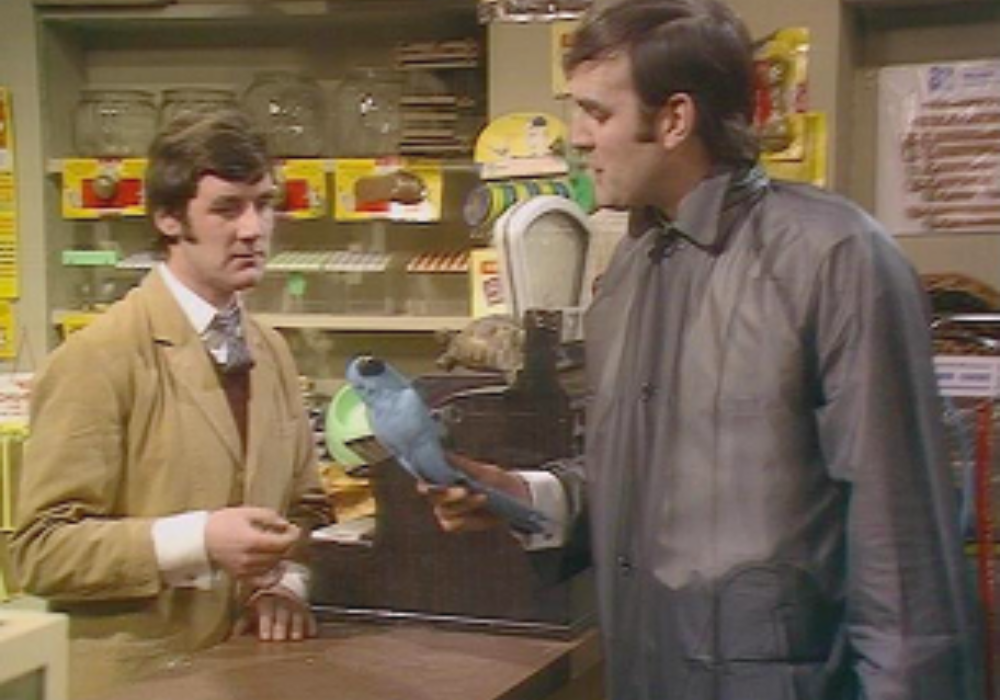
Monty Python’s dead parrot sketch begins with understatement: a man returns a stiff, obviously lifeless bird to a pet shop. What follows is a growing storm of euphemisms, as the clerk insists that the bird is merely ‘resting’ or ‘pining for the fjords.’
The scene pairs bureaucratic denial with poetic absurdity, mocking polite society’s unwillingness to admit the obvious. Unlike slapstick, the tension here builds from verbal rigidity. Once heard, the phrase ‘ex-parrot’ never quite leaves the brain.
8. Kristen Wiig’s Target Lady turned mundane errands into comic gold.

Target Lady, created by Kristen Wiig for SNL, greets every beep of the scanner with wild delight. Her polyester vest and bowl haircut signal the ordinary, but her dialogue zigzags into weird detail—like a love for hand sanitizer or scented trash bags.
The character thrives on the tiniest thrills, treating routine purchases as once-in-a-lifetime moments. Wiig’s stretched vowels and darting eyes make her a cartoon come to life, transforming dull errands into theatrical showcases of misplaced enthusiasm.
9. Bill Murray’s lounge singer made elevators songs hilariously unforgettable.

Bill Murray’s lounge singer character warbled theme songs with slurred sincerity, turning elevator music into slow-jam surrealism. Wearing a red tux, he swaggers through lyrics to Star Wars or Spider-Man as though crooning ‘My Funny Valentine.’
His mock-smooth delivery made the character both pitiful and oddly proud. Audiences laughed not just at the mismatch of tone and content, but at his conviction. Mundanity never sounded so hopeful, or so off-key.
10. Eddie Murphy’s Mr. Robinson spoof cracked open life with biting charm.
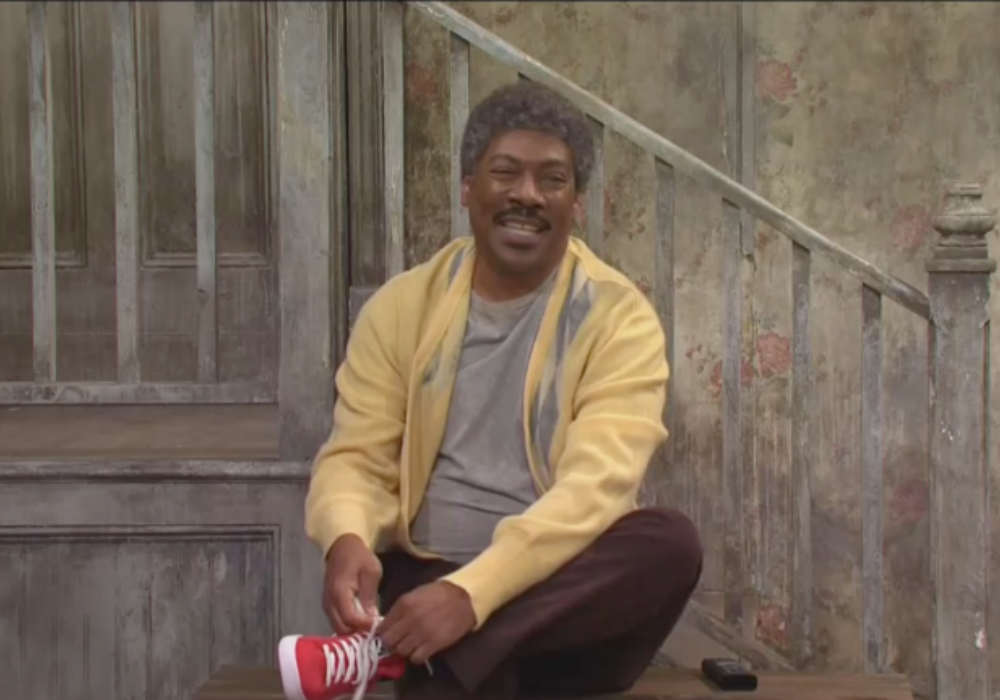
Mr. Robinson, played by Eddie Murphy on SNL, riffs on Mister Rogers with a gritty apartment, overdue bills, and real-world ‘lessons’ like why adults steal. Murphy balances sarcasm with charm, making light of heavy topics without soft-pedaling them.
Through that warmth, the sketch exposed structural inequalities, using a kid-show format to explore uncomfortable truths. The oversized cardigan and cheerful music amplify the dissonance. It’s playful, but sharp-edged—which made the lessons stick longer than expected.
11. Tina Fey’s Sarah Palin impersonation transformed mimicry into cultural commentary.

When Tina Fey debuted her Sarah Palin impersonation, the mimicry hinged less on alteration than precision. Her voice echoed Palin’s cadence nearly word for word—often because the script was a direct transcript. The laughter came from uncanny accuracy, not exaggeration.
Still, Fey’s delivery carried sharp intention. Her barely-raised eyebrow, her clipped pauses, exposed the absurd beneath the surface. Suddenly, satire didn’t need a punchline—it just needed a spotlight and a smirk.
12. Key and Peele’s substitute teacher bit played with names and authority.

The substitute teacher sketch from Key and Peele flips the power dynamic: an inner-city teacher mispronounces suburban white students’ names with righteous confidence. Ja-quelin instead of Jacqueline. A-Aron, not Aaron. The misreadings become the joke—but also the point.
Culture clash drives the humor, but it’s never mean-spirited. Instead, the sketch highlights how authority can be shaped by context—and how mixing those contexts reveals absurd assumptions. Even as laughter builds, the subtext keeps its shape.