
Saturday mornings once followed a slower, gentler rhythm shaped by comfort, habit, and connection.

Long before smartphones and streaming queues, Saturday mornings held a special kind of quiet magic. For many Baby Boomers, these early hours were filled with purposeful routines that blended rest, connection, and small joys. From the scent of brewing coffee to flipping through newspapers or tuning in to favorite radio stations, these habits created a reliable cadence to start the weekend. Remembering these rituals offers more than nostalgia—it reveals a lifestyle rooted in presence and pace.
1. Brewing a fresh pot of coffee before the house wakes up.

A quiet kitchen and the scent of fresh-ground beans signaled the start of Saturday. Many Boomer households fired up a drip coffee pot before dawn, often using percolators with a metallic bubble and hiss. It wasn’t about caffeine—it marked intention, a small, sensory ritual.
That early start often came with solitude, a rare slice of the day when street noise still slept. In that pocket of stillness, nursing a hot mug felt deliberate, like claiming time before chores or soccer games crept in. The clink of a spoon echoed in the hush.
2. Flipping through the newspaper with no rush to be anywhere.

Newspapers arrived rolled in rubber bands or tucked beneath hedges, their ink smudging fingertips during a slow flip through local pages. Reading the Saturday paper front to back wasn’t urgent—it was a rhythm, often paired with toast cooling beside a ceramic butter dish.
What made it feel different was the pace. No morning commute pressed at the edges, and the world didn’t yet buzz with deadlines. Skimming headlines while waiting for cartoons or columnists offered a tether to the outside without leaving the breakfast table.
3. Strolling through the local farmers market just after it opens.

Smaller towns and city neighborhoods once hosted markets where growers arranged their produce before 8 a.m. Baskets of dirt-dusted carrots, jam jars with handwritten labels, and egg cartons stacked on folding tables formed a ritual of connection—buying local wasn’t yet a slogan.
Boomers who strolled early often chatted with regular vendors or bumped into neighbors with canvas bags slung over shoulders. The walk wasn’t just practical—it echoed a time before big-box aisles, when Saturday’s ingredients started near the soil rather than sealed in plastic.
4. Sitting in a sunny spot with a favorite book or crossword.

By mid-morning, a beam of sun across the living room floor often signaled one thing: quiet time. Boomers grew up with books balanced on knees or crosswords folded open beside an ashtray or crochet project. That silence held its own weight, unbothered by chirping phones.
Reading in that golden slice of the day forged a retreat within the familiar. It wasn’t escapism but anchoring—a window to complexity or calm, depending on the page. Crossword clues and dog-eared pages marked time more gently than digital prompts.
5. Listening to records or the radio while tidying the kitchen.
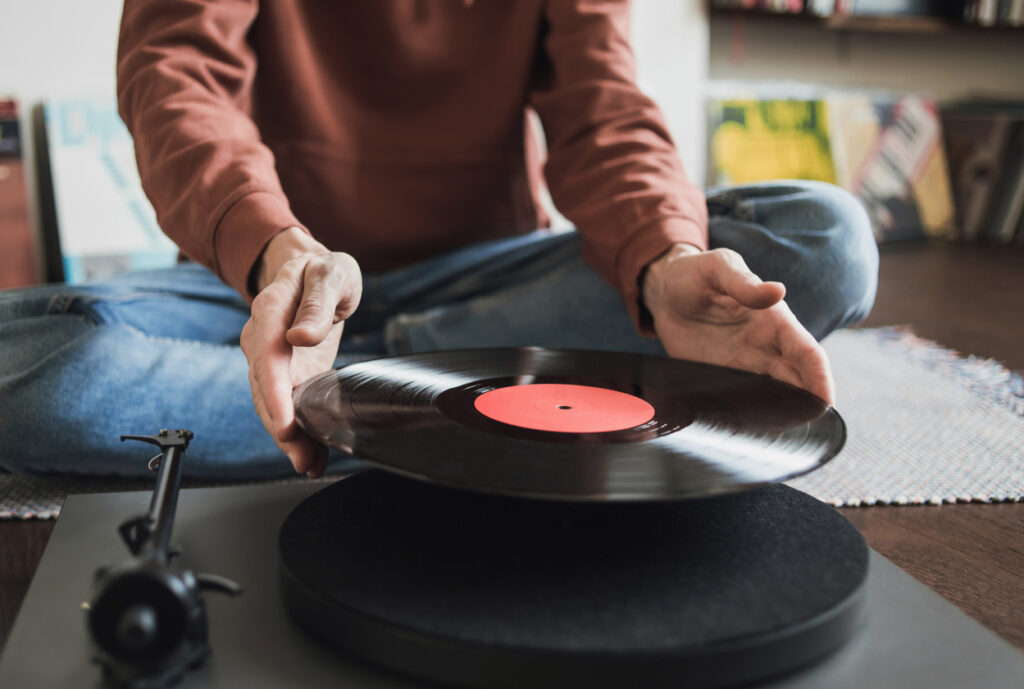
Radios perched atop fridges or propped on windowsills played morning jazz, easy-listening, or Top 40 hits. Cleaning under that soundtrack transformed chores into motion with rhythm. A scratchy record could fill a house with sound that bounced off linoleum and Formica.
Mornings wrapped in those melodies carried memory in their pace. Sinks filled with suds, cabinets reorganized, small tasks ticked along under the hum of voices or melodies from AM stations. It was domestic and deliberate, less about the mess and more about the mood.
6. Making pancakes from scratch without glancing at a clock.
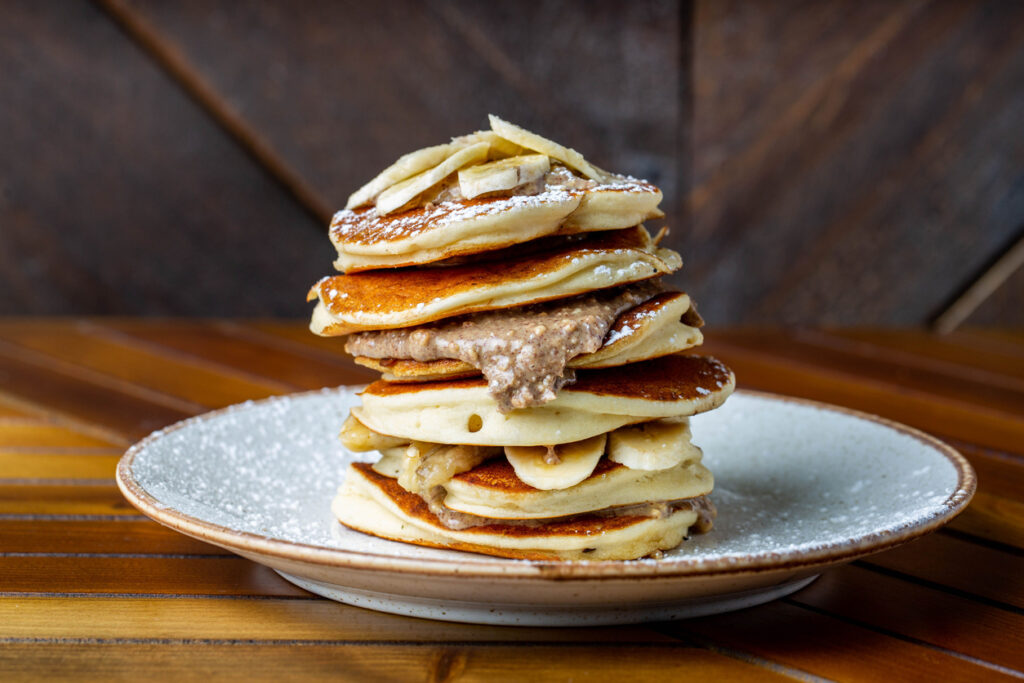
Saturday pancakes unfolded in real time—no boxed mix, no microwave shortcuts. Flour dust skimming counters, a whisk tinging metal bowls, and the first pancake a little off were all part of the cadence. The scent made its way down hallways before alarm clocks buzzed.
That act of cooking from scratch wasn’t just about the food. It was about presence. With no rush out the door, family moved at kitchen pace—waiting for the flip, checking the griddle heat, maybe drizzling syrup straight from a glass bottle shaped like a lady.
7. Calling a sibling or old friend just to catch up.

Rotary phones with their unmistakable whir once carried long-distance voices most often on weekends. Calling a sibling or high school friend wasn’t scheduled—it arrived between chores or after coffee, often sparked by a song or headline that jogged a shared memory.
Catching up wasn’t tracked or timed; it ambled. Maybe ten minutes, maybe sixty, depending on the flow or static on the line. Conversations meandered through work updates, family news, and local gossip, each punctuated by familiarity that only gets built one Saturday at a time.
8. Taking a leisurely walk around the block with the dog.

Some Saturday mornings unfolded footstep by footstep along familiar sidewalks. Boomers often leashed dogs before noon and took unhurried laps around the block, pausing at fences or exchanging nods with neighbors still in house slippers.
That kind of walk wasn’t for cardio. It was ritual, a moving meditation grounded in the rhythm of paws, wheel ruts from old strollers, and the occasional nod to a rosebush in bloom. The dog, like the walker, wasn’t pulling—just pacing through the quiet part of morning.
9. Watering houseplants while humming along to morning tunes.
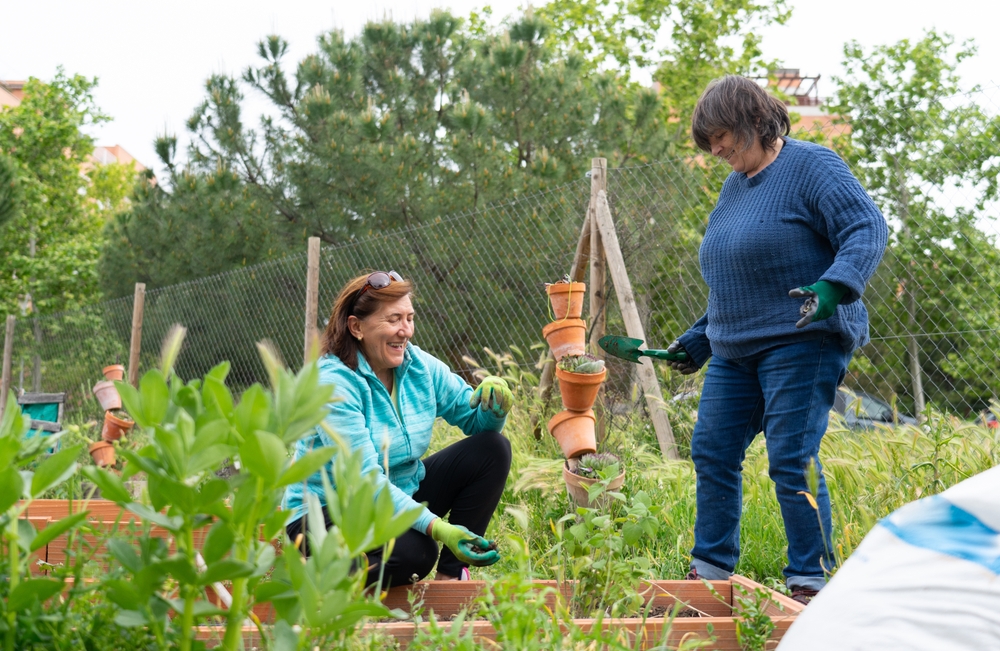
Plant care once took center stage with a simple watering can and a bit of attention from the same person who raised the avocado pit in the jam jar. Boomers gave plants place—from spider ferns in macramé to violets at the kitchen sink.
Music often played softly in the background, making those small chores feel like more than upkeep. Each plant tugged at memory: a gift, a graduation cutting, or something picked up half-price. That moment of tending wasn’t chorebound—it was a small act of care in green tones.
10. Writing a list of small goals for the weekend ahead.

Many Baby Boomers kept notepads in junk drawers or on fridge doors—lined paper filled with tiny weekend ambitions. Saturday mornings made space to sit and write them down, often with a ballpoint pen worn smooth by repetition.
Lists carried a kind of quiet intention. Not just errands, but things like “clean garage” or “call Aunt Jo” grounded the weekend in purpose without weight. The act of writing gave shape to passing time—punctuation for a pause, not pressure for productivity.
11. Reading a magazine cover to cover at the breakfast table.
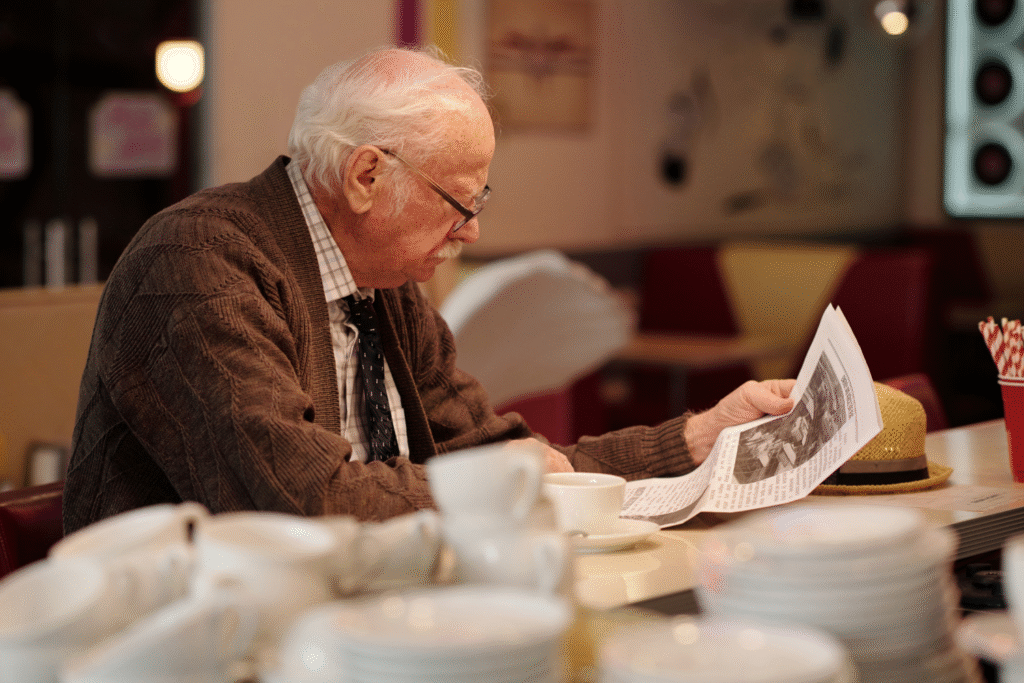
Magazines took up space on coffee tables and counters, glossy and meaty enough to read in one long sitting. Saturday mornings offered the stillness to flip each page without pressure, even re-reading a quip in the captions or dog-earing recipes.
Reading from cover to cover felt indulgent in a deliberate way. Whether it was Newsweek, Reader’s Digest, or a craft quarterly, the pace of the paper guided the reader—not the other way around. That kind of media consumption rarely rushed and often lingered past breakfast cleanup.
12. Sharing coffee and quiet conversation with a partner or neighbor.

Folding chairs on porches or mugs between palms around the kitchen island once signaled a Saturday custom built on presence. Boomers often started mornings by sharing coffee and clipped conversation with the people closest—spouses, housemates, or the neighbor walking their dog past the fence.
Those chats weren’t therapeutic or planned—they were habitual check-ins under steam-kissed windows or on porch steps still damp with dew. The focus was brief but warm, with pauses that didn’t demand to be filled. It wasn’t about solving anything—just being awake at the same time.
13. Watching vintage cartoons before the rest of the day unfolds.

Saturday morning cartoons hit Boomer-era screens in their own slot of sacredness. Before 10 a.m., kids claimed living room floors in footie pajamas, cereal bowls balanced, eyes glued to colorful antics from Looney Tunes or Hanna-Barbera lineups humming from wood-paneled TVs.
Those shows weren’t background noise—they defined weekend structure. Parents gained quiet. Kids escaped to illustrated worlds with gags and glee. By late morning, channels shifted to weekend specials or sports, and the moment passed, ushering in the more practical parts of the day.