
Antique household tools were built for everyday function, not just charm or display value

Many vintage household items served clear, practical purposes in daily life, even if they now seem quaint or decorative. From rotary phones to embroidered towels, these objects were designed for utility with surprising ingenuity. Understanding their original uses not only deepens appreciation for older craftsmanship but also reveals how domestic life has changed. Whether tucked in closets or displayed on shelves, each item reflects both necessity and creativity from an earlier era.
1. Rotary dial phones that made every call feel intentional and unhurried.
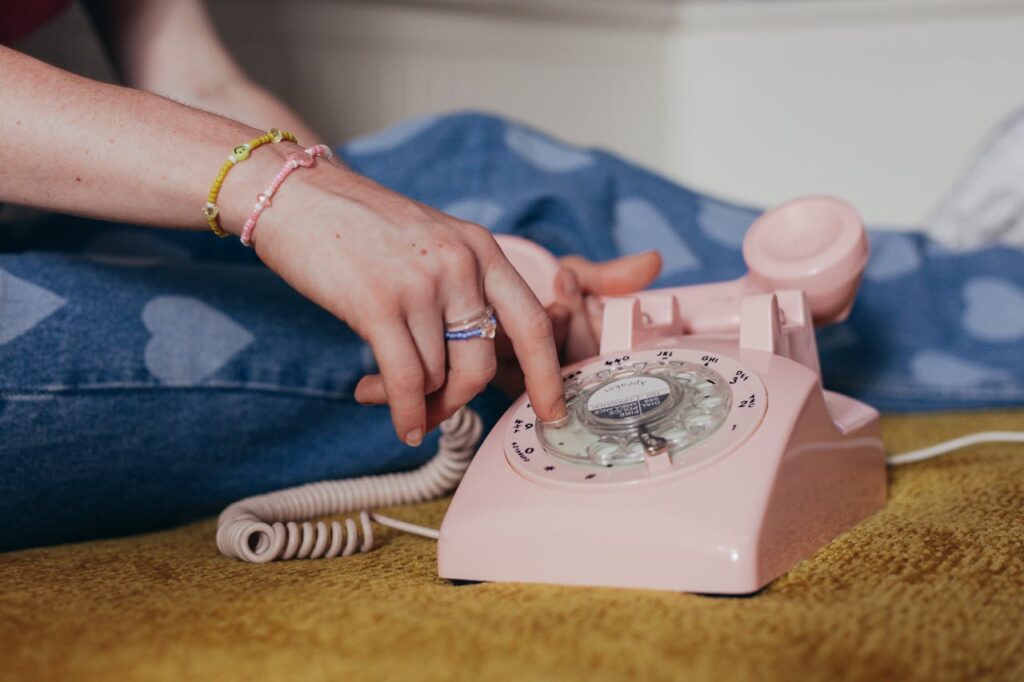
Rotary dial phones worked through a series of metal pulses triggered by turning the finger wheel, each spin sending signals down a copper line. The satisfying whirr after each number clicked marked time in a way keypads don’t replicate.
Using one outside a café felt different from tapping a screen—more deliberate. Conversations often began later but lasted longer, grounded in stillness rather than background multitasking. Even the coiled cord added subtle drama, tangling itself during intense or animated calls in a sunlit kitchen corner.
2. Manual coffee grinders for a hands-on morning ritual with rich aroma.
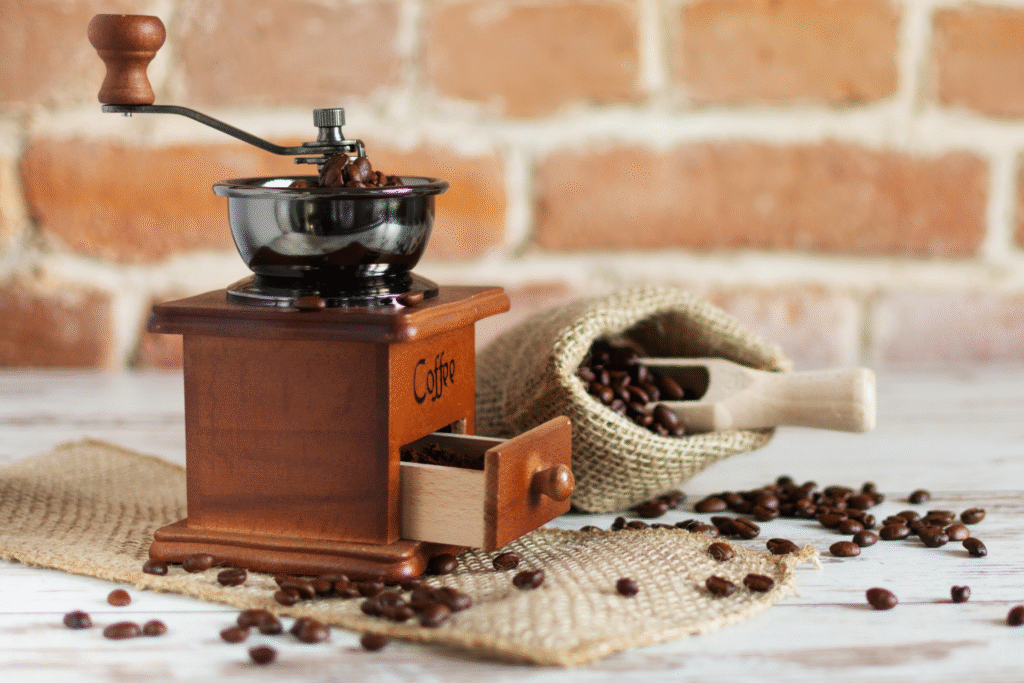
Manual coffee grinders relied on a burr and crank mechanism to crush beans between metal or ceramic surfaces. Powered entirely by hand, they gave the user a closer connection to the brewing process and control over texture.
On a crisp morning, grinding beans by hand could stretch out the silence before sunrise. The aroma started before the first drip, thick and woody, rising from the drawer below the crank. Unlike electric grinders, these machines hummed at the pace of their operator—and never drowned out a radio.
3. Cast iron skillets built to last generations and cook evenly every time.
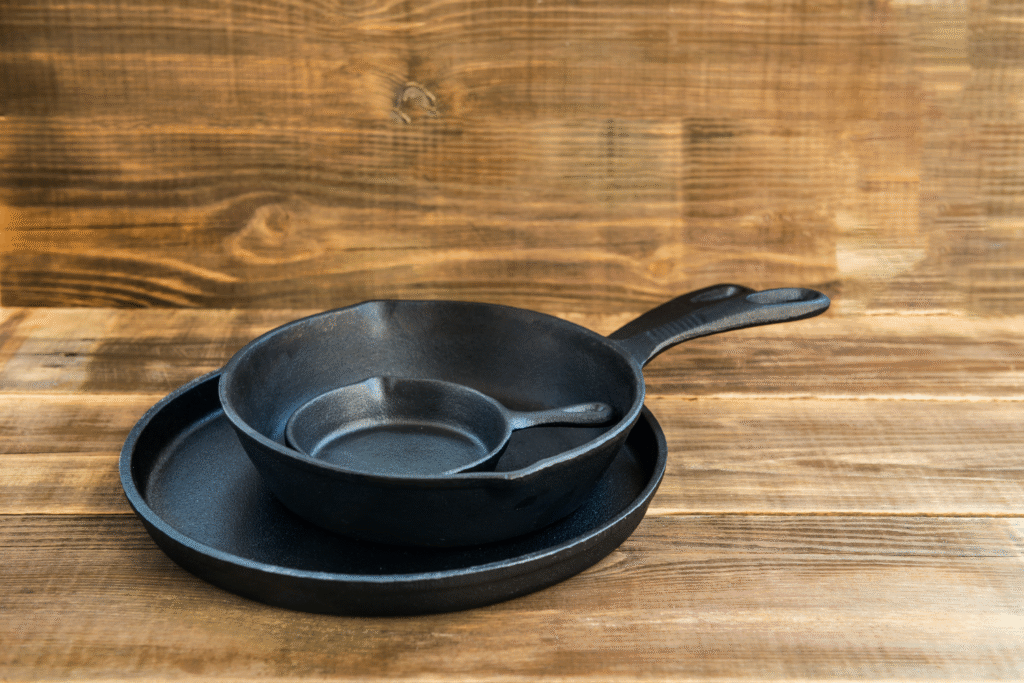
Cast iron skillets retain heat through their dense iron structure, distributing warmth evenly across the cooking surface while holding it longer than thinner pans. Their seasoned layer acts almost like a nonstick finish, improving with each use.
A tomato sauce simmered in cast iron tastes subtly richer, the steady heat coaxing flavor from every chopped clove of garlic. The weight of the skillet alone—cool in the handle, hot at the base—reflects their permanence, often passed between generations like a favorite family story.
4. Silver-plated serving trays that dressed up even the simplest meal spread.
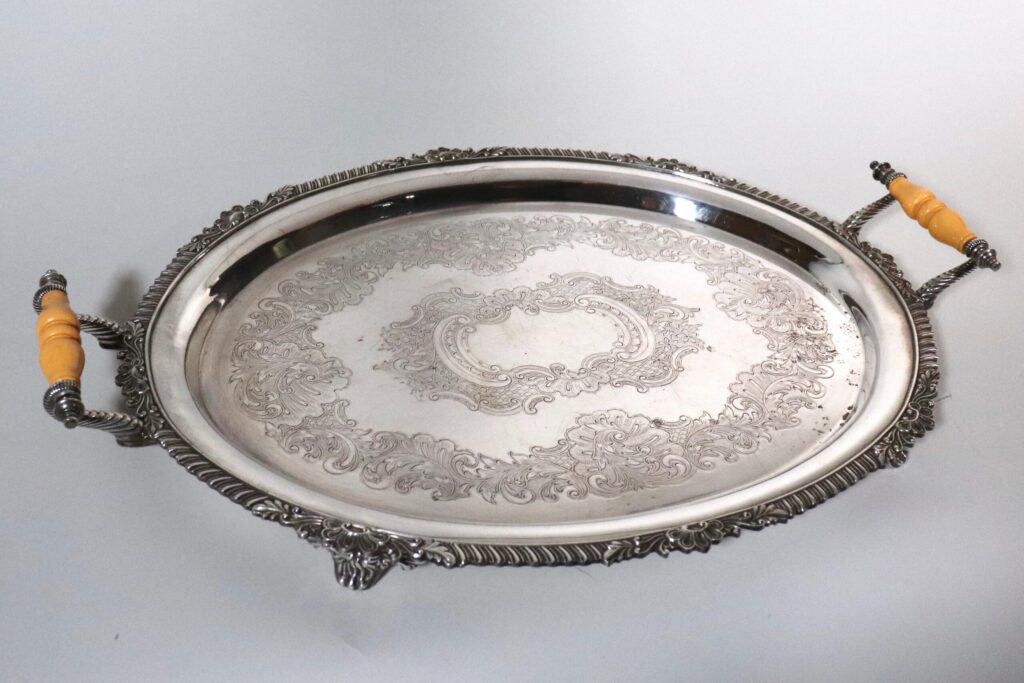
Silver-plated serving trays weren’t just for tea and pastries; they offered a rigid, elegant base for everything from finger sandwiches to glasses of port. The plating added shimmer, while engraved patterns reflected light in soft arcs.
Even when used for ordinary dishes like buttered toast or sliced apples, they elevated the table. In many homes, they sat on sideboards or atop starched lace runners, a signal of welcome and care. Their weight alone—cool and sturdy in the hand—suggested ceremony without fuss.
5. Glass butter dishes that kept counters tidy and toast toppings ready.
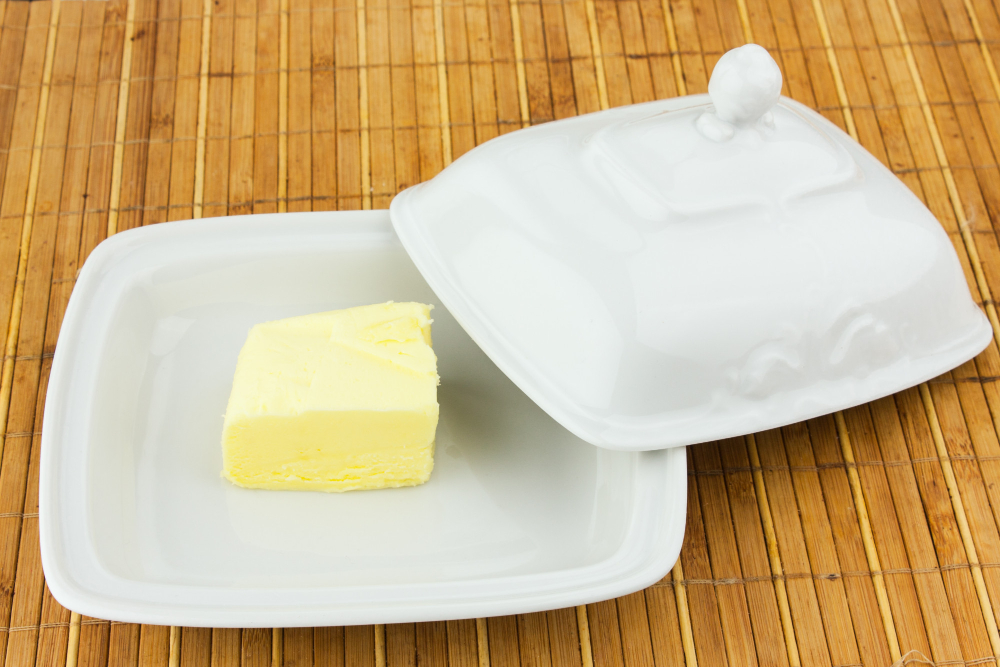
Glass butter dishes commonly featured a lid and grooved base to hold a cold slab neatly in place. Sturdy enough for daily use, their transparent design let cooks see when butter ran low without lifting the lid.
Next to a ceramic salt cellar, a clear butter dish kept kitchen counters orderly and offered small visual comfort. Its smooth dome and flat lip felt good in the hand, especially on a cold morning as toast popped and the lid clicked faintly open on polished tile.
6. Wooden drying racks that gave laundry days a patient, eco-friendly rhythm.
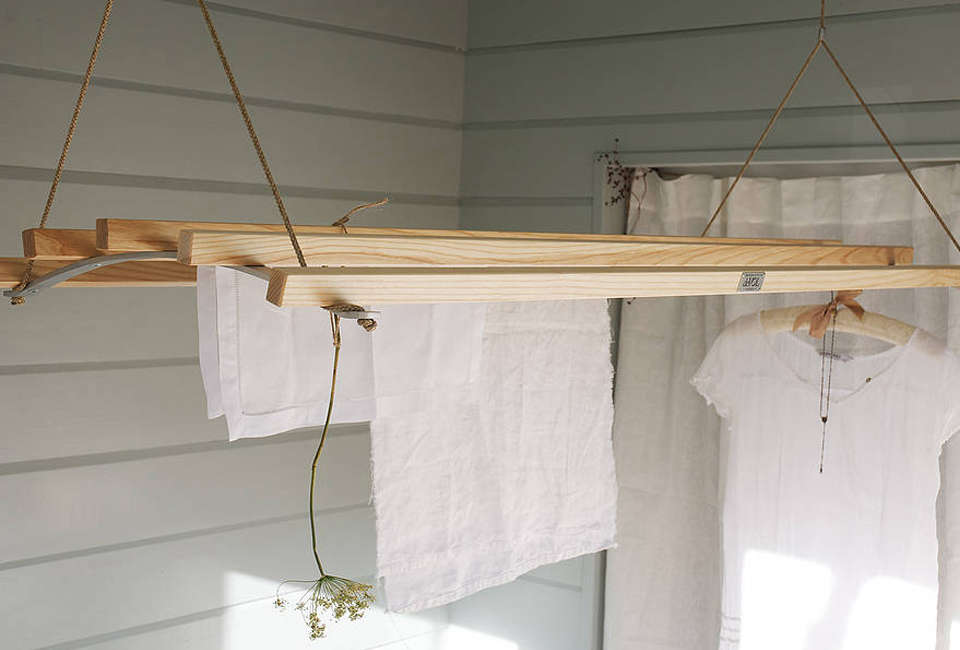
Wooden drying racks used collapsible limbs to offer airflow and structure for damp clothing. Slung with shirts or linens, they operated without electricity, relying only on time, gravity, and the ambient breeze.
In hallways or near radiators, the racks creaked softly as they dried loads washed earlier that morning. Their slim wooden arms, rounded and lightly varnished, caught light as they cast diagonal shadows across worn floorboards. Long after dryers, they remained a quiet fixture in homes valuing patience—or warmer air.
7. Embroidered hand towels that added personality to every bathroom visit.
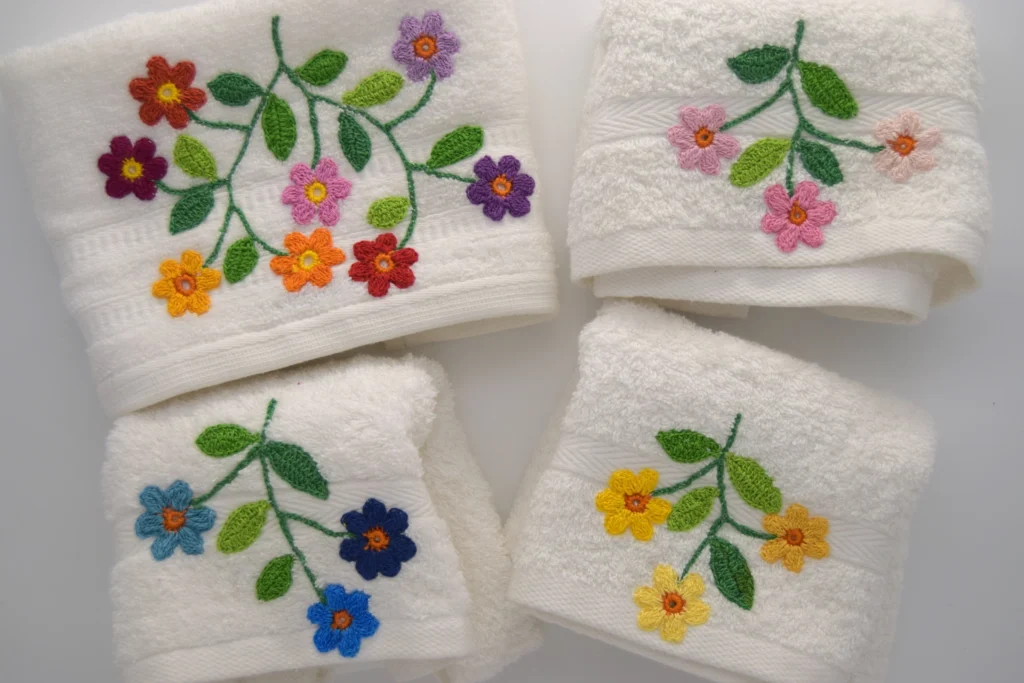
Embroidered hand towels combined soft cotton loops with stitched motifs, often initials or modest flowers. Positioned near sinks or on guest-room racks, they balanced function with flair, absorbing moisture while adding a personal layer of hospitality.
A towel bearing cross-stitched tulips or navy-threaded initials offered a signal of care beyond the practical. Unlike plain towels, embroidered ones conveyed preparation, traditionally made in sets passed down or gifted. Their stiffness softened with time, each wash revealing patches of thread slightly raised to the touch.
8. Milk glass vases perfect for simple sprigs and graceful windowsills.
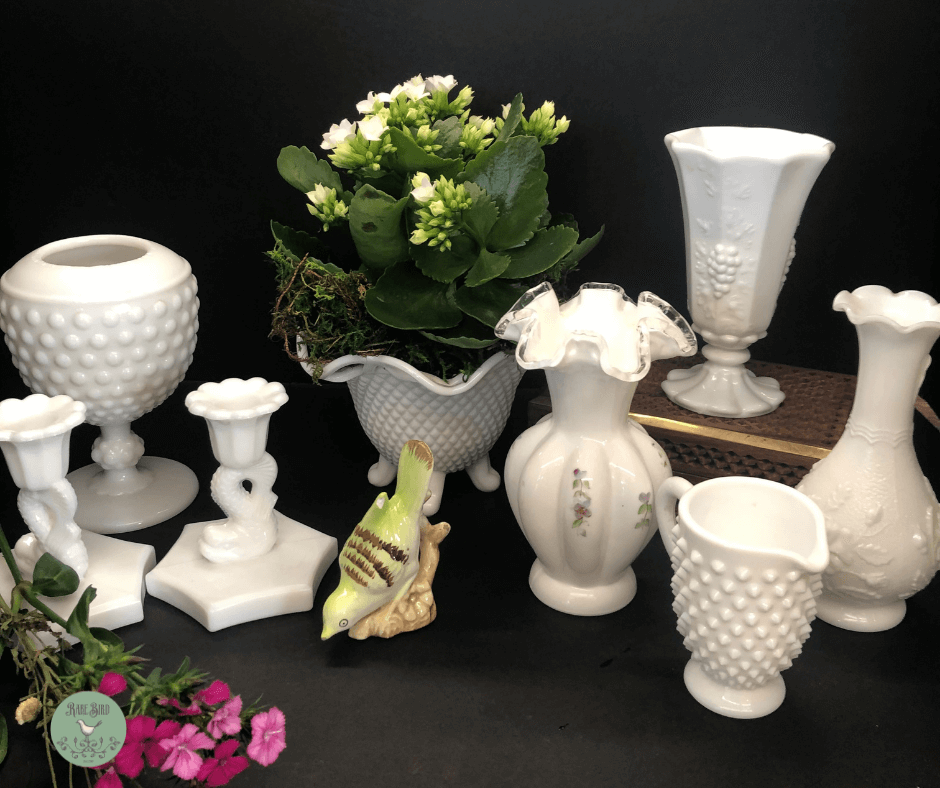
Milk glass vases were pressed or blown into opaque white forms, their surface smooth and luminous under sunlight. Popular in mid-century interiors, they held sprigs, stems, or nothing at all, often styled alone or in clusters.
Resting on a painted windowsill, a fluted milk glass vase could catch late-afternoon light and scatter it in subtle patterns. Even empty, it looked composed and grounded. Its dense body felt chalky to the fingertips, a quiet contrast to the glossier glazes of later decades.
9. Manual egg beaters that turned baking into an upper-body mini workout.
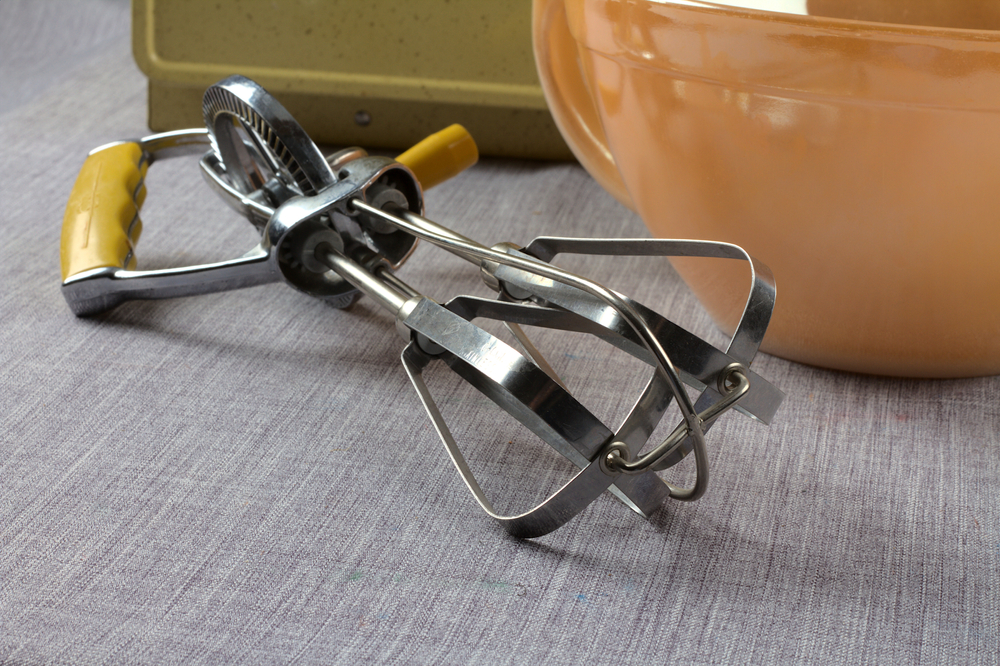
Manual egg beaters used twin metal whisks connected to a central gear and hand crank. Spinning the handle set the beaters in motion, ideal for aerating batters or whipping cream before electric mixers streamlined the task.
Turning the wheel created a rhythmic clicking and resistance, especially near stiff peaks. The chrome beaters rotated with confidence, and their movement turned small bowls of egg whites into clouds with effort. Balanced against a metal mixing bowl, the tool anchored busy kitchens well before corded appliances lined counters.
10. Needlepoint footstools that doubled as decor and quiet footrests.

Needlepoint footstools featured stitched panels stretched over a solid wood frame, with raised floral or geometric patterns offering texture and color. Common in parlors or reading nooks, they served both aesthetic and practical functions.
One might sit near a fireplace, before a wingback chair, its wool threads worn smooth over decades. Under a stockinged heel, the surface felt padded yet firm. Its design, often built by hand, pointed to a time when daily spaces were embellished with the evidence of slow work and spare hours.