
These classic songs unlock deep nostalgia, capturing the emotional landscape of a generation’s youth.

For many Baby Boomers, music is more than a soundtrack—it’s a portal to core memories and personal milestones. Certain songs don’t just evoke a feeling; they revisit entire chapters of life, from protest marches to slow dances and late-night road trips. Whether rooted in loss, pride, or hope, these tracks carry emotional weight shaped by the times. Their lyrics and melodies often reflect the inner lives and shared experiences of a defining generation.
1. “Bridge Over Troubled Water” captures comfort and quiet resilience.
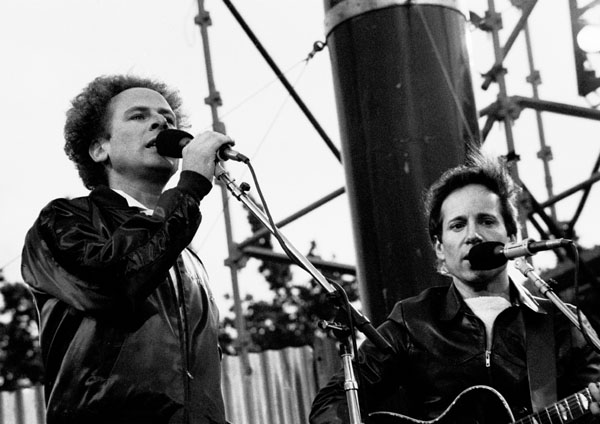
Simple piano chords open the track, followed by a vocal that soothes more than it stirs. “Bridge Over Troubled Water” became a sonic embrace—its lyrics offering sanctuary during rocky personal or social moments.
Many Boomers recall hearing it during times of transition: a graduation, a funeral, a quiet night alone in their childhood bedroom. That pairing of calm arrangement and sincere comfort leaves an emotional fingerprint that often resurfaces decades later.
2. “The Sound of Silence” stirs memories of change and reflection.

A layered hush runs through “The Sound of Silence,” wrapped in stark melodies and unresolved chords. Its mood feels both intimate and distant, like a closed-door conversation held after midnight.
For many listeners who came of age amid political unrest and cultural upheaval, the song pins a time when silence didn’t always mean peace. It lingers as a reminder of collective confusion and youthful watchfulness, especially under streetlamps or inside record stores with cracked tile floors.
3. “Let It Be” offers gentle reassurance during uncertain or emotional times.
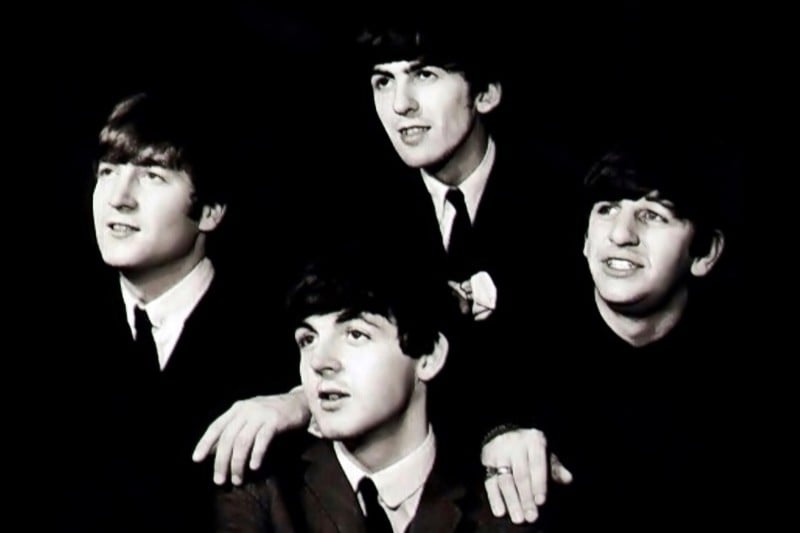
Hints of gospel warmth shape the song’s soft edges, with a message focused on ease and surrender. “Let It Be” speaks less about winning than about weathering—a quiet acceptance set to music.
During uncertain life moments or family conflict, some listeners returned to it like a phrase scrawled in a well-thumbed journal. Its simplicity had staying power, especially as parenting, careers, or health shifted the emotional weather around them.
4. “Cats in the Cradle” reminds listeners of time’s bittersweet passing.

“Cats in the Cradle” unfolds like chapters in a well-worn diary, tracing the space between father and son across time. Its lyrics deliver a subtle ache, showing how missed moments quietly accumulate.
The emotional tug isn’t loud, but it lands hard. Many Boomers remember early adulthood through this lens—working, striving, unintentionally echoing the very patterns they once promised to avoid, often while a dusty cassette buzzed in the car stereo.
5. “Yesterday” taps into nostalgia and the sting of things lost.
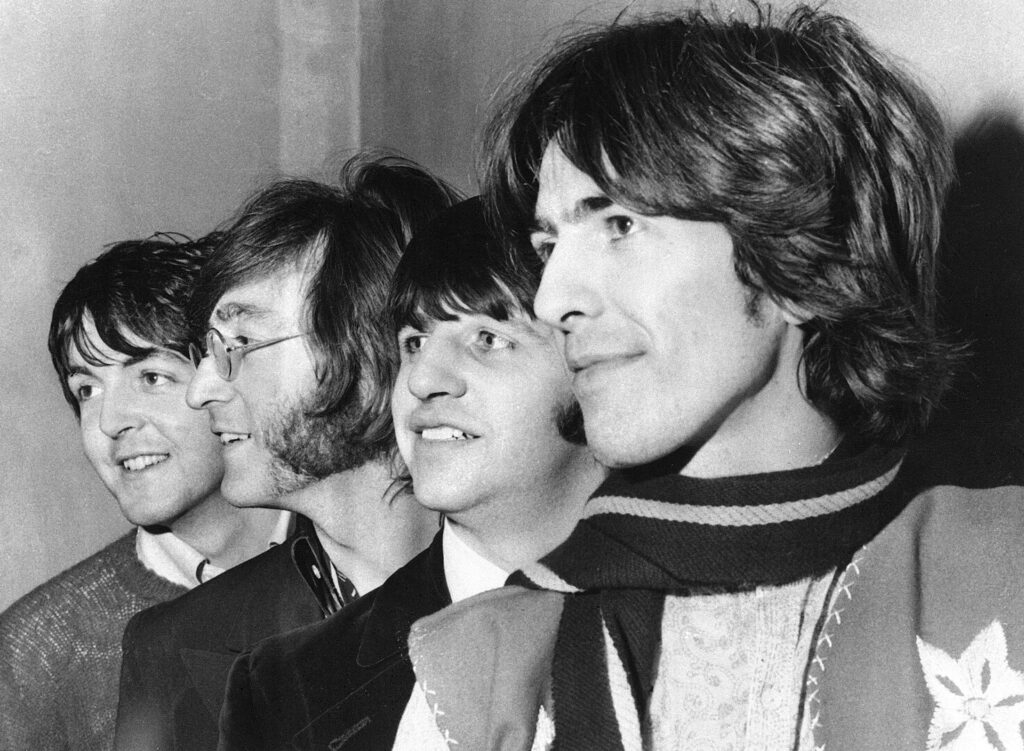
Sparse instrumentation lets the melancholy do its own heavy lifting. “Yesterday” plays like a sigh under breath, delicate and familiar, its arrangement nearly translucent.
For Boomers, it’s often the cue for a mental slideshow: past relationships, college dorms, late-night breakups. The song presses on memory like a fingertip to glass—light, but unmistakably present wherever loss lingered unspoken.
6. “My Way” resonates with personal pride and reflective independence.
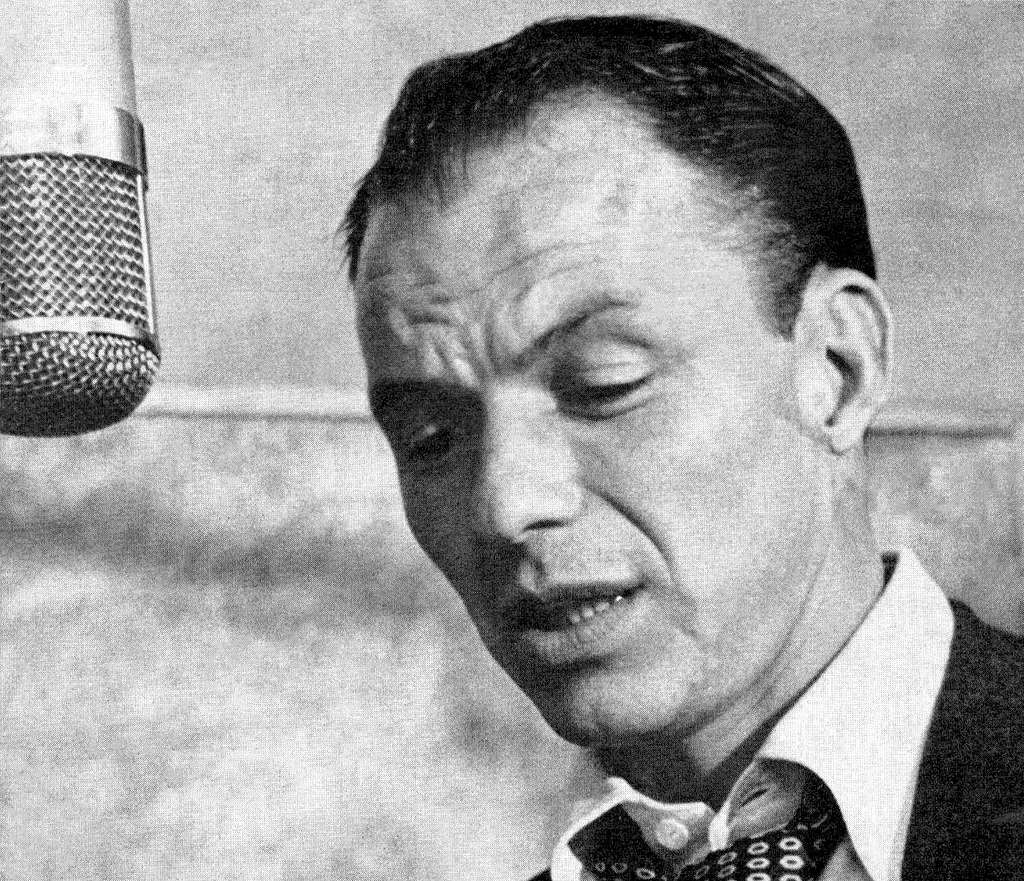
Confidence hums under every line of “My Way,” but so does vulnerability. The orchestrated build mimics the arc of a full life, measured and unapologetic.
For many listeners nearing retirement or navigating late-career decisions, it framed self-worth with defiant clarity. In dim banquet halls or front porches at dusk, verses flickered like old film reels, capturing both the pride and solitude of shaping life on one’s own terms.
7. “American Pie” weaves together memory, loss, and cultural moments.
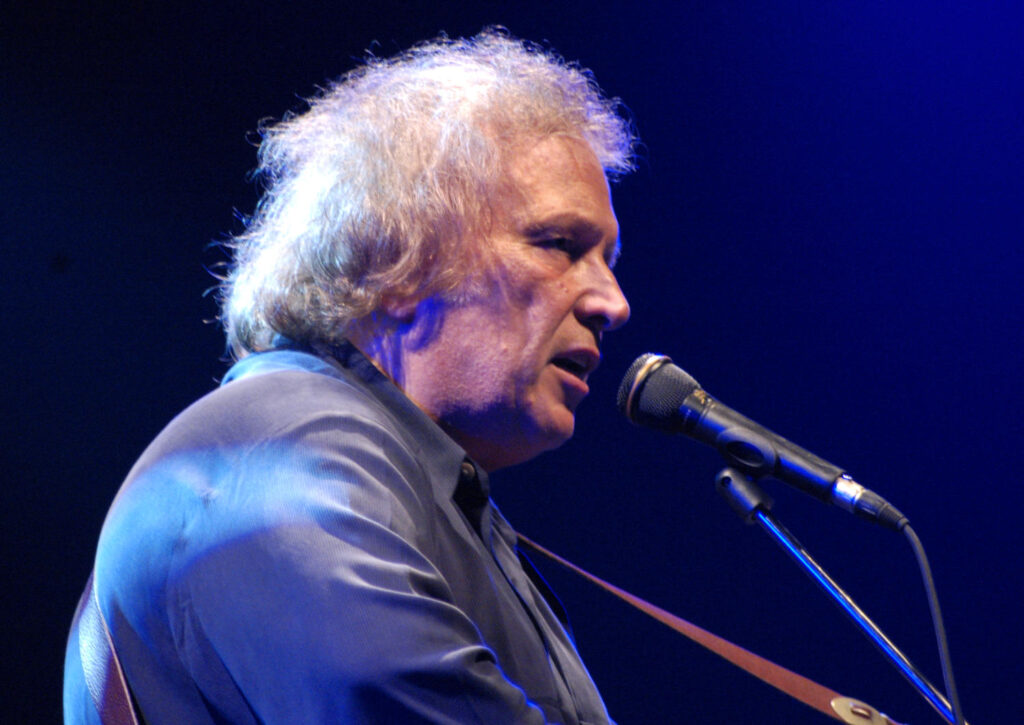
“American Pie” doesn’t offer a single emotion—it braids a dozen into one sprawling narrative. Its lyrics stretch across eras, referencing milestones both personal and cultural.
Listeners often don’t catch every reference, but the feeling carries: a strange blend of nostalgia, yearning, and reflection. It became a communal time capsule, evoking the weight of youthful freedom against the backdrop of things irrevocably changed.
8. “Imagine” inspires hope while evoking longing for a kinder world.
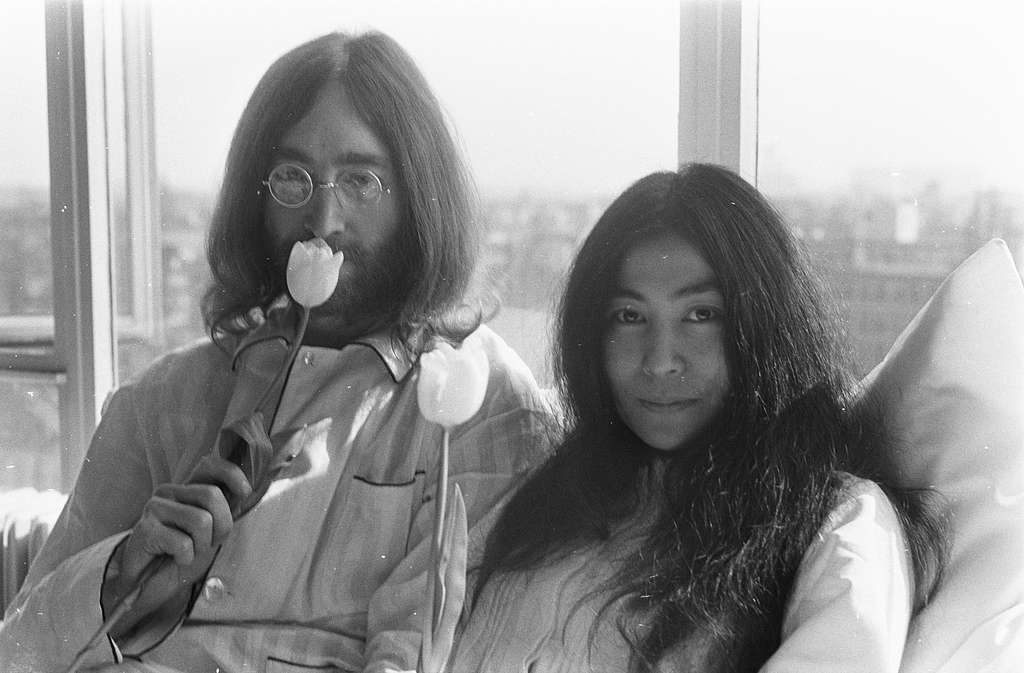
Hummed on coffee shop radios and during long drives through suburban streets, “Imagine” layers idealism with gentle piano chords. Its message calls for unity and simplicity without shouting.
For Boomers, its resonance often lay in what hadn’t yet materialized. The promise of a peaceful world, even if illusive, became a quiet ambition—a north star glinting beyond the reach of war, politics, and personal divides.
9. “Fire and Rain” carries the ache of friendship and personal struggle.
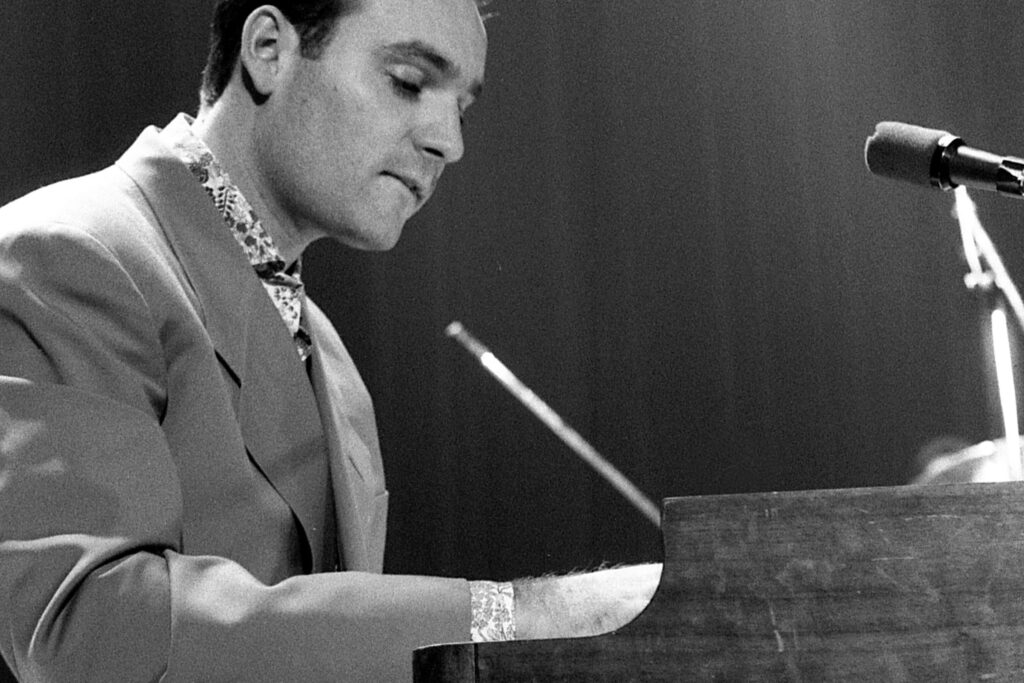
With its raw vocal and simple acoustic framing, “Fire and Rain” feels more overheard than performed. Lyrics about loss, recovery, and lifelong sorrow move without ornament.
Parents, friends, lovers—those lost too soon or simply faded—are often evoked when Boomers hear it. The song doesn’t solve grief; it names it, in that fragile space between memory and music where pain tends to settle.
10. “Knockin’ on Heaven’s Door” touches on mortality and emotional grappling.

The refrain in “Knockin’ on Heaven’s Door” carries weight not in volume but presence. Sparse repetition creates a sense of inevitability, like dusk creeping into an open room.
Boomers who faced illness, caregiving, or quiet reckonings with loss often felt seen by the song’s soft gravity. It doesn’t dramatize mortality. Instead, it lingers with restrained sadness—a recognition as intimate as a bedside chair left empty.
11. “Both Sides Now” explores youthful ideals versus adult understanding.

“Both Sides Now” unfolds like a letter to one’s younger self. Joni Mitchell’s gentle delivery underlines the shift from romantic daydreams to hard-won realism.
Many Boomers embraced its bittersweet truth as age reframed early hope. The gap between what was expected and lived deepened with years, making the song’s imagery—ice cream castles, feather canyons—feel achingly distant and strangely precise.
12. “The Long and Winding Road” echoes patience, endurance, and quiet sorrow.

Strings drift behind the vocal in “The Long and Winding Road,” never rushing the mood. Its slow build mirrors emotional endurance—the kind that stays quiet but doesn’t break.
Listeners often recall endings: the dissolution of a relationship, the close of a chapter, even a move from a childhood home. For Boomers, the song lives where sorrow doesn’t ask to be fixed, only noticed.