
Baby Boomers hold onto daily rituals shaped by tradition, even as younger lifestyles evolve rapidly.

Baby Boomers often maintain certain habits that younger generations question or skip entirely. From handwritten notes to balancing checkbooks, these practices offer a window into values shaped by a different cultural and technological upbringing. While Gen Z may lean into convenience and innovation, Boomers are more likely to stick with what works. Understanding these habits doesn’t require agreement, just a closer look at how experiences inform behavior across generations.
1. Reading the newspaper with breakfast instead of scrolling a phone screen.

Unfolding a printed newspaper at the breakfast table sets a tactile rhythm that apps can’t mimic. For Baby Boomers, the ritual signals the start of the day with the rustle of pages and the gravity of inked headlines arranged by seasoned editors.
Younger generations often prefer swiping through curated news feeds while sipping coffee in bed or on public transit. The contrast isn’t just about tools—it reflects how physical media offers a slower, more focused entry into daily events, while digital intake leans toward immediacy and algorithm-led relevance.
2. Writing handwritten thank-you notes for gifts and special occasions.
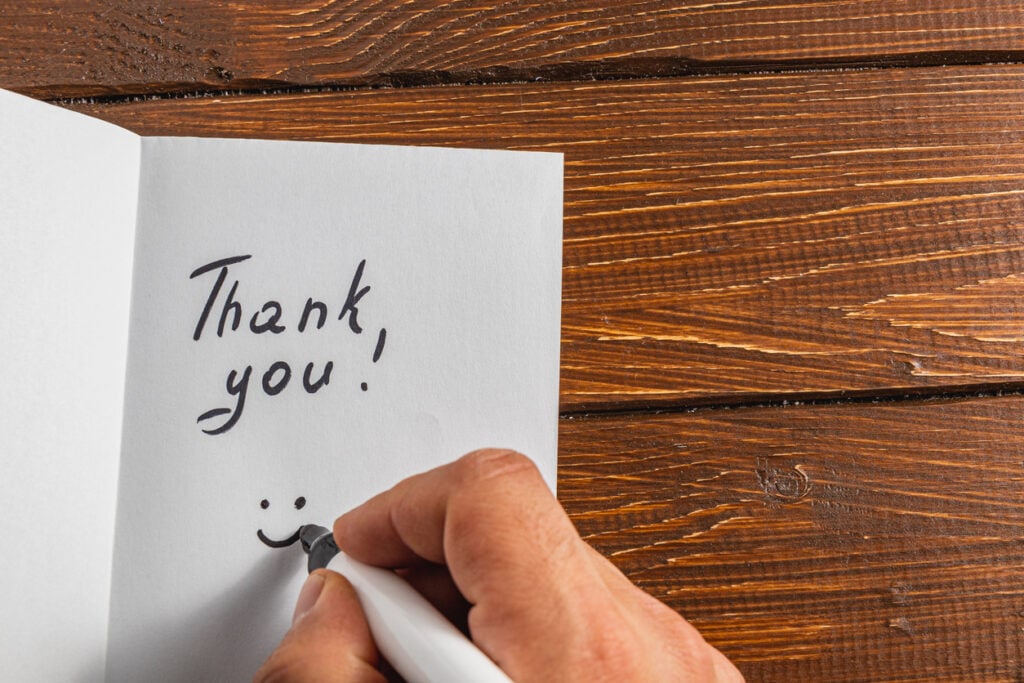
A handwritten thank-you note carries weight beyond words—it’s a small ceremony of attention, inked in individual strokes. Many Boomers learned to send them without reminders, often keeping a box of cards in a drawer near the phone.
For Gen Z, expressing gratitude might mean a quick text or social media shout-out. Both gestures share sincerity, but older habits emphasize effort and permanence, often linked to upbringing and pre-digital norms, where handwriting and the mailbox served as primary lines of connection.
3. Paying bills by check and mailing them instead of using apps.

Paying bills with a paper check involves an envelope, a stamp, and a brief pause to confirm the due date. Boomers may pull out a checkbook from a home office drawer lined with file folders and sticky notes.
Digital-native generations tend to auto-pay through apps or set reminders on smartphones. While the goal—staying on top of bills—remains the same, the process reveals a deeper preference for hands-on control versus streamlined convenience, shaped by each group’s relationship to financial institutions and evolving trust in tech.
4. Watching cable news at set times instead of streaming on demand.

Cable news at fixed hours relies on formats that rarely change—anchor desks, scheduled segments, and a crawl of headlines along the bottom. Many Boomers still build routines around these broadcasts, often watching from the same recliner each evening.
In contrast, younger viewers dip into news on demand, choosing time, topic, and tone through digital platforms. Scheduled viewing invokes a shared moment that newer formats lack, reflecting how the medium itself can shape not just consumption but the architecture of daily life.
5. Repairing items when they break instead of replacing them immediately.
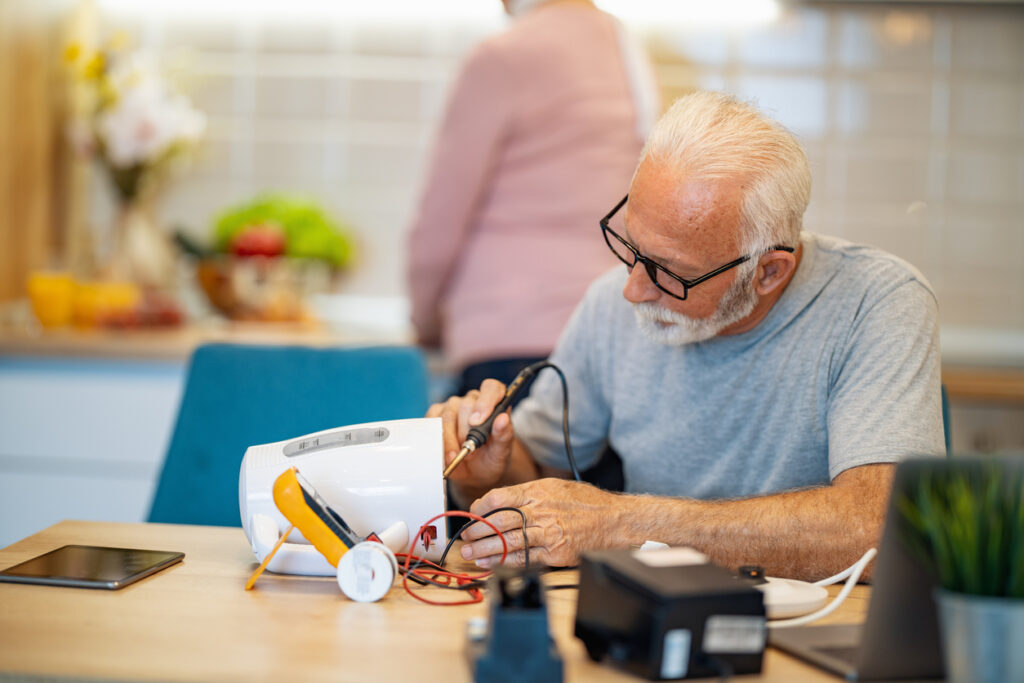
Boomers often try to mend before they replace, whether it’s sewing a button or gluing a cracked teacup. A small toolkit under the sink or a sewing kit in the hallway closet supports this inclination toward salvage.
Gen Z leans toward efficiency and minimalism, often recycling or upgrading rather than fixing. The difference highlights how scarcity or abundance in formative years can steer values, with repairing seen as respect for both objects and the labor they represent.
6. Scheduling routine phone calls just to check in with loved ones.

Checking in by phone once a week isn’t just habit—it’s ritual. For many Boomers, Sunday afternoons might be set aside for calls to kids, siblings, or long-distance friends, often made from the kitchen with a landline still mounted to the wall.
Newer generations use voice notes, video chats, or even memes to stay connected, favoring spontaneity over scheduling. The format shift alters tone and frequency, underscoring how older practices—while less immediate—often build consistency into relationships through structure and time devoted solely to conversation.
7. Wearing a wristwatch even when a smartphone shows the time.

A leather-strapped wristwatch does more than keep time—it anchors a day in analog precision. Boomers often wear them out of habit, with some choosing heirloom models that tick with quiet authority.
While smartphones display the hour at a glance, relying on them shifts the act from a glance to a distraction. The wristwatch reflects a tactile choice: to check the time quickly without entering the spiral of screen notifications that typically follow.
8. Saving plastic containers and twist ties for later household use.

Plastic margarine tubs stacked under the sink or twist ties coiled in a small jar reflect a generational instinct to reuse. Boomers often learned to save seemingly trivial items during eras when waste felt careless, not just costly.
Younger households may skip the step, favoring purpose-built storage or compostable alternatives. The impulse to save—while sometimes labeled cluttered—signals a longer view: a habit formed during times when utility stretched beyond a single use and nothing left the kitchen without purpose.
9. Booking travel through a phone call with an actual travel agent.

Calling a travel agent means explaining your destination preferences out loud, waiting for a callback, and often receiving a paper itinerary in the mail. Boomers trust the human element and the layered knowledge it provides.
Digital self-booking allows faster comparison but often lacks the layered familiarity humans can offer. What seems outdated from one view can feel dependable from another, especially when travel once meant hand-folded maps and fewer online safety nets.
10. Ironing clothes even for casual outings to maintain a polished look.

A freshly pressed shirt signals care, even on a casual Tuesday. Ironing remains part of the weekly rhythm for many Boomers, a physical gesture that ensures clothes sit just right across shoulders and cuffs.
Streamlined wardrobes and looser dress codes reduce the need for ironing among younger groups. The habit holds, though, as an extension of personal discipline and the idea that presentation—creased or crisp—affects both identity and impression, no matter the setting.
11. Balancing a checkbook manually to keep close track of spending.

Balancing a checkbook by hand gathers receipts, bank statements, and a pen into one deliberate task. Boomers trained themselves to reconcile every transaction, often in the same paper register they’ve used for years.
Digital monitoring offers real-time updates, but the manual process builds attentiveness—each withdrawal is felt on the page. It’s a rhythm formed when overdrafts came with paper notices, not app alerts, and it reflects deeper values around diligence and personal accountability.
12. Listening to the radio during morning routines instead of podcasts.

Radio’s warm static and familiar voices have long marked the start of a day. Boomers often tune in while preparing breakfast, catching weather updates or music programs that shadow morning routines.
Podcasts offer variety and control, but radio demands less choice and provides a passive, trusted backdrop. That difference makes it easier for some to stay present, stirring oatmeal or lacing shoes while a favorite host delivers headlines in steady cadence.