
Scientists warn the West Coast is far less prepared for a major tsunami than most people believe.
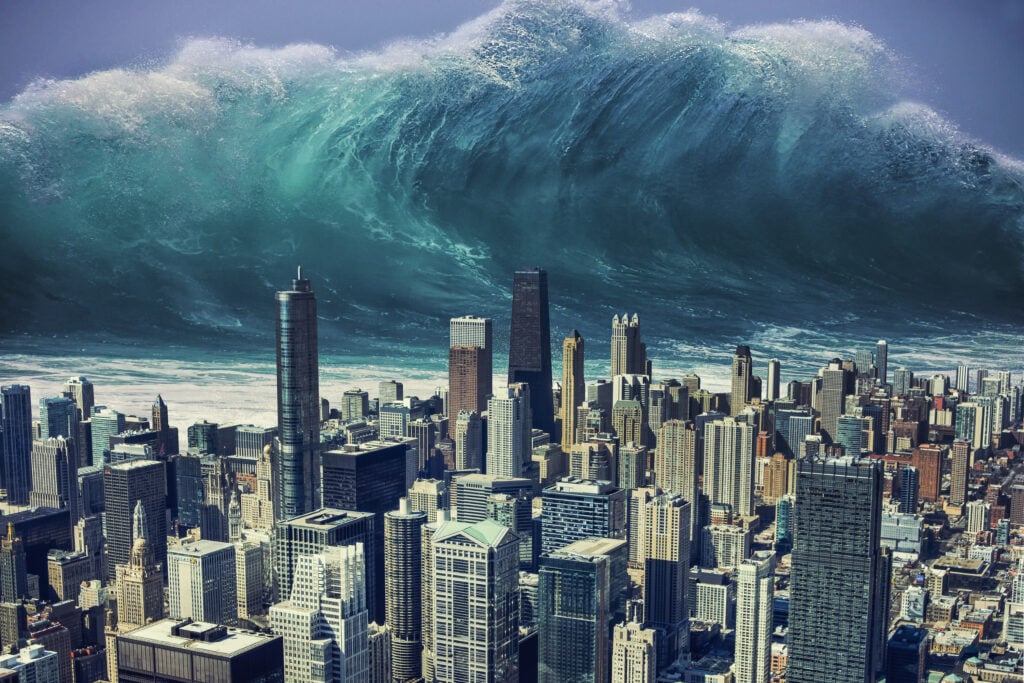
Emergency planners say a large tsunami caused by an offshore earthquake could strike with little warning, overwhelming coastal communities before many residents even understand what’s happening. Despite decades of research, gaps in evacuation routes, outdated alert systems, and limited public awareness continue to put millions at risk.
The threat feels distant until you realize how quickly a wall of water can rewrite everything in its path.
1. Coastal communities underestimate how fast a tsunami can arrive.

Most people imagine having plenty of time to escape after an earthquake, but a major tsunami along the West Coast could arrive in minutes. The Cascadia Subduction Zone, which runs offshore from Northern California to British Columbia, is capable of producing a magnitude 9.0 earthquake. In that scenario, the first tsunami waves could hit parts of Oregon and Washington in as little as ten to fifteen minutes.
This narrow window makes traditional warning systems almost useless. Residents must know to evacuate immediately once the shaking stops, yet surveys show many people expect officials to tell them what to do. That misunderstanding could cost lives. Preparedness in this region relies heavily on personal awareness, not technology.
2. Many evacuation routes are outdated or impossible to reach quickly.
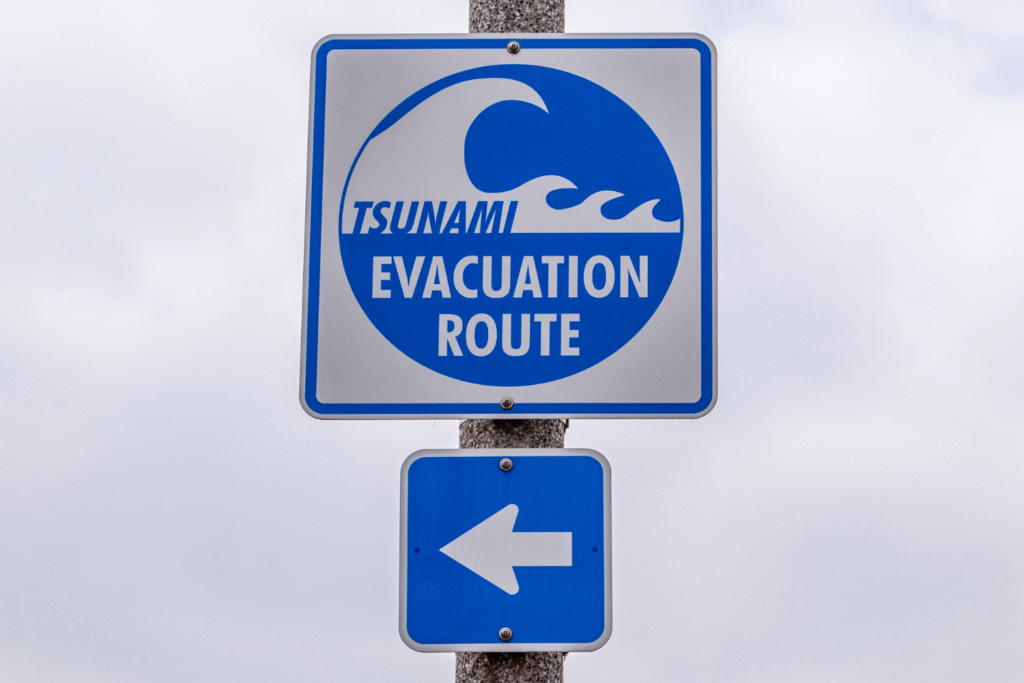
In several coastal towns, evacuation paths require walking long distances uphill, and some routes cross roads or bridges that could collapse during a strong quake. These structural weaknesses mean thousands may be unable to reach high ground in time. Some communities have only one designated escape path, creating bottlenecks that could slow entire neighborhoods.
New vertical evacuation structures — reinforced towers meant to withstand flooding — exist in a few locations, but there are far too few to protect everyone. Many residents don’t know where their nearest safe zone is or how long it takes to reach it on foot. The lack of accessible, clearly marked routes remains one of the most critical vulnerabilities along the coast.
3. Warning systems still have major gaps and inconsistencies.
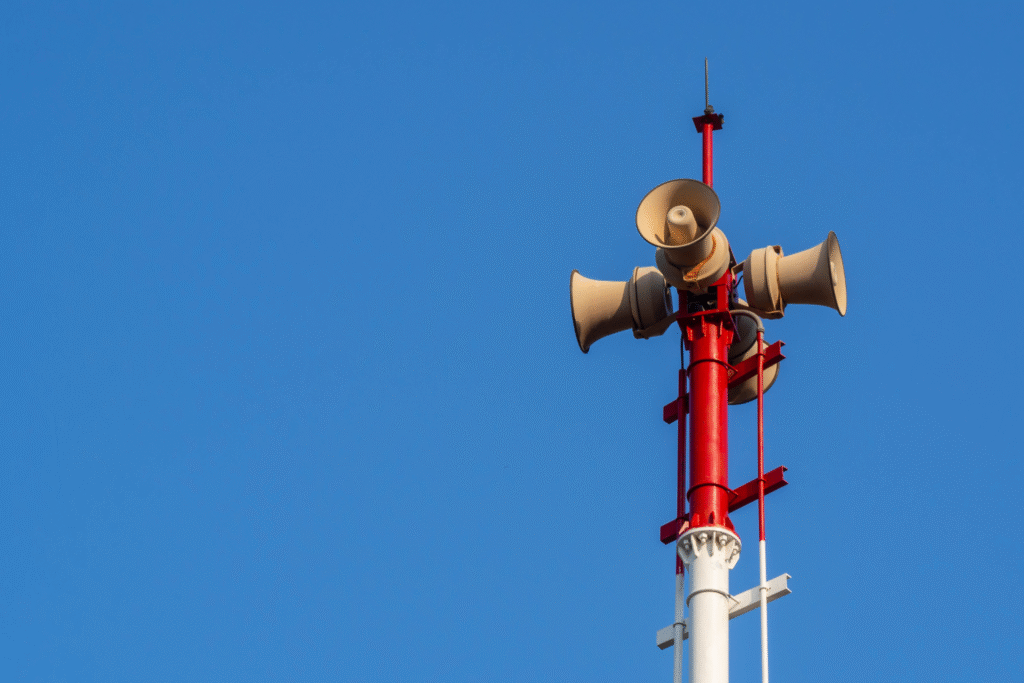
Tsunami alerts rely on offshore sensors, coastal sirens, and digital notifications, but no single system is foolproof. Sirens fail during power outages, phones may not receive alerts, and offshore sensors can be damaged by storms or equipment malfunctions. Even when warnings work, they vary between states, creating confusion for residents living near state borders or traveling through coastal areas.
Because a Cascadia tsunami could arrive so quickly, experts stress that alerts serve more as confirmation than instruction. People should evacuate based on natural signs — strong shaking, sudden water retreat, or unusual ocean behavior — rather than waiting for an official message. Yet public awareness of this guidance remains low.
4. Coastal infrastructure wasn’t built to survive a massive offshore quake.
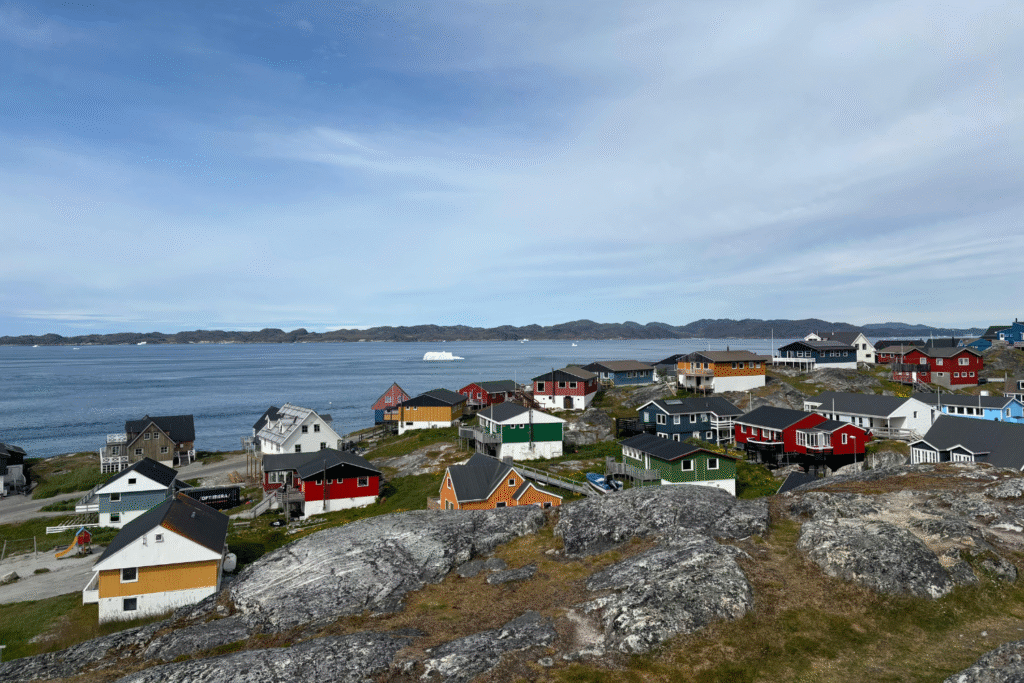
Many West Coast buildings predate modern seismic standards and would struggle to withstand a Cascadia-level earthquake. Roads could crack, bridges might collapse, and power and water systems could fail within seconds. In this kind of chaos, emergency response becomes nearly impossible. Even well-trained teams can’t navigate damaged roads or communicate without functioning infrastructure.
This makes personal preparedness essential. Authorities estimate it could take weeks to restore basic services and months to rebuild. Communities that rely on outside help may have to wait far longer than they expect, highlighting why preparation must happen before disaster strikes.
5. Population growth is increasing risk in vulnerable zones.
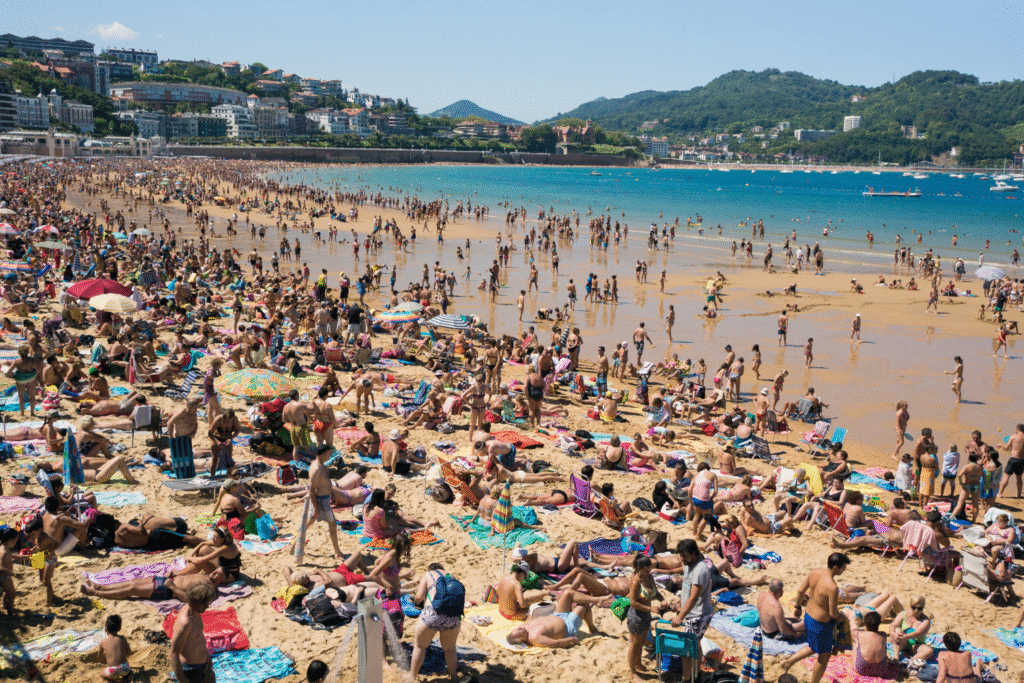
In recent years, more people have moved to scenic coastal areas without fully understanding the tsunami hazard. Many new residents come from inland regions and have little familiarity with earthquake-related risks, let alone how to evacuate during a tsunami. Vacation rentals and tourist hotspots add to the challenge by creating a constantly shifting population that may not know local safety procedures.
Emergency planners worry that seasonal crowds could overwhelm evacuation routes or slow people trying to reach high ground. As coastal development expands, protecting newcomers and visitors requires stronger education efforts and better signage — both of which remain inconsistent along the coast.
6. Schools and public buildings remain at high risk.
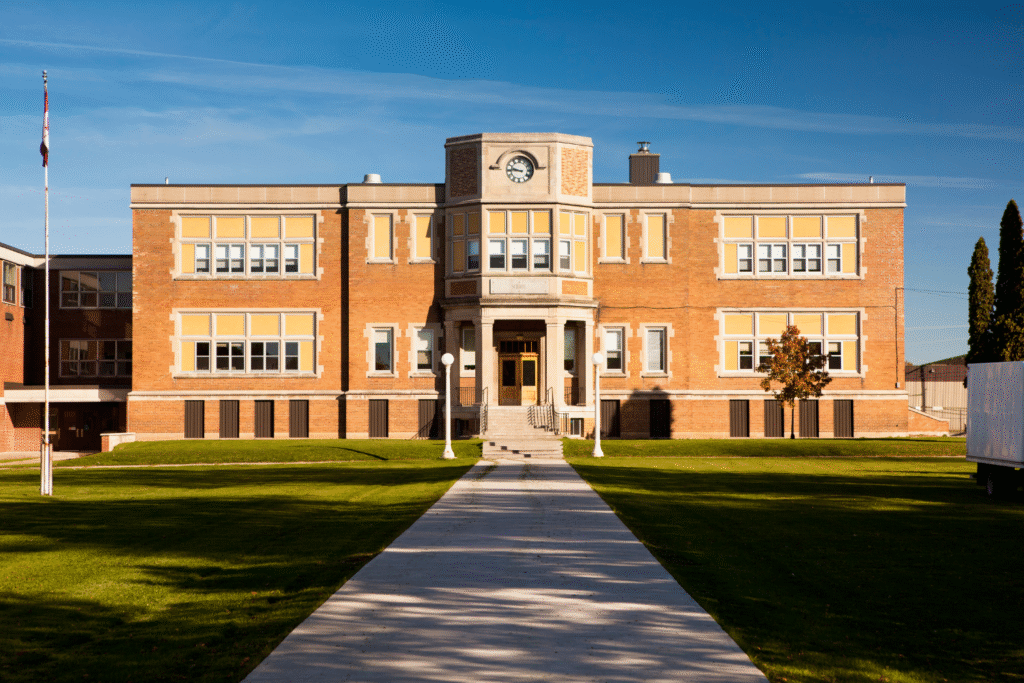
Hundreds of schools, hospitals, and government buildings sit inside tsunami inundation zones, and many were not designed to withstand strong quakes or rapid flooding. Students may have only minutes to evacuate, yet some schools lack direct paths to safety or rely on older structures that could collapse during shaking. Parents often assume their children are protected, unaware of how vulnerable some campuses truly are.
Moves to relocate or upgrade facilities have been slow due to cost and political resistance. Meanwhile, educators train students for evacuation drills knowing that real-life conditions may be far more chaotic. The gap between planning and reality remains a growing concern.
7. Preparedness varies widely between communities.
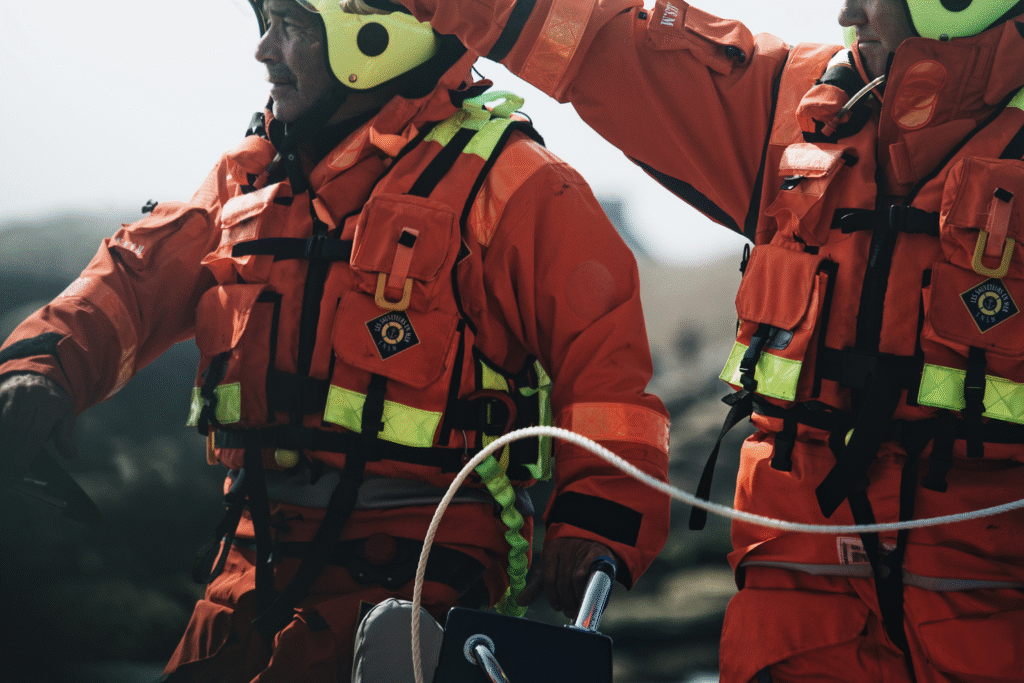
Some coastal towns have invested heavily in drills, siren upgrades, evacuation towers, and public education campaigns. Others have done almost nothing, leaving residents with little guidance beyond outdated brochures or scattered signage. The lack of uniform standards across states results in uneven protection for people depending on where they live.
This inconsistency makes collaboration difficult during regional disasters. Neighboring communities may have different procedures or incompatible communication systems, slowing coordinated evacuation and response. Experts say a major tsunami requires a unified approach, but the current patchwork system makes that difficult.
8. Personal preparedness remains far behind expert recommendations.

Despite repeated warnings, many West Coast residents still don’t keep go-bags, review evacuation maps, or practice routes on foot. People assume they’ll rise to the occasion in a real emergency, yet research shows that stress and confusion often paralyze decision-making. In a scenario where every minute matters, hesitation can be deadly.
Experts encourage households to store supplies, plan evacuation paths, and teach family members to respond quickly after shaking stops. These small steps dramatically increase the odds of survival. Still, most people delay preparation because the threat feels abstract — until the day it isn’t.