
Thousands disappear in America’s parks each year, and the explanations rarely add up.
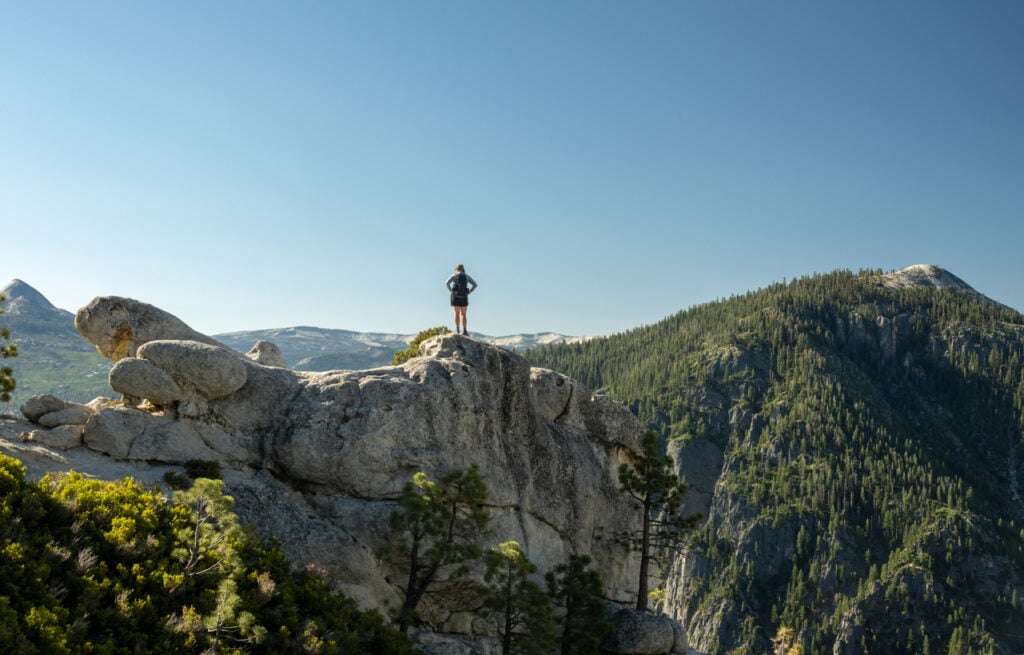
Every year, people vanish without a trace in national parks, forests, and wilderness areas across the U.S. Some are hikers who stray off the trail, others vanish under circumstances that defy logic. Despite modern tracking technology and widespread media coverage, many cases remain unsolved for decades.
The disappearances raise unsettling questions about how vast, wild, and unpredictable America’s wilderness really is — and what might be lurking within it.
1. The wilderness is far larger and wilder than most realize.

Even with GPS and cell phones, the scale of U.S. wilderness is overwhelming. National parks span millions of acres, and dense forests can swallow a person in minutes. Once someone steps off a marked path, visibility drops, and the landscape itself becomes disorienting.
Search teams often describe how easy it is to lose bearings even yards from a trail. The terrain’s beauty hides its danger — steep cliffs, thick vegetation, and weather shifts can turn a scenic walk into a maze where help is nearly impossible to reach.
2. Human error plays a bigger role than anyone admits.

Most disappearances start with small mistakes — a wrong turn, leaving gear behind, or underestimating daylight. Panic can make even experienced hikers lose direction, leading them deeper into the wild. Once adrenaline kicks in, rational decision-making fades, and chances of survival plummet.
Authorities say that in many rescues, victims are found less than a mile from safety but too disoriented or exhausted to return. The wilderness doesn’t forgive overconfidence. What feels like freedom one moment can become isolation the next.
3. Weather shifts can erase all traces of a person.
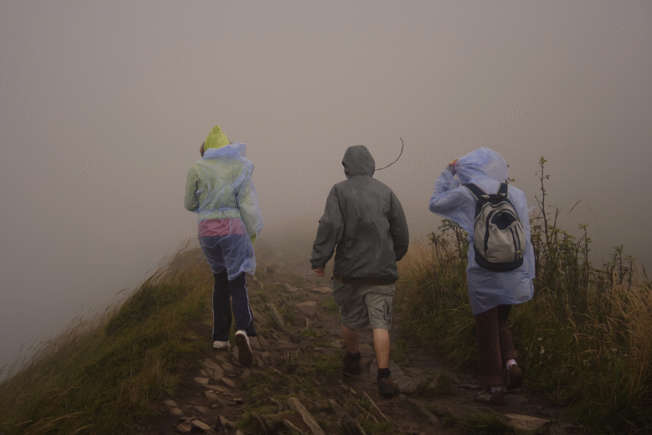
In remote regions, storms, snow, and flash floods can erase footprints, scatter belongings, and destroy evidence within hours. Even skilled searchers struggle when nature turns hostile, and many disappearances happen right before or during sudden weather changes.
Rescue teams often find signs that hikers tried to seek shelter or backtrack but got caught mid-transition. By the time searches begin, nature has already hidden every clue — leaving families with questions instead of answers.
4. Wild animals sometimes play a role in the mystery.

Predator attacks are rare but not impossible. Bears, mountain lions, and wolves are part of the ecosystem, and hungry or threatened animals can act unpredictably. Often, remains aren’t recovered because scavengers quickly scatter evidence across vast territories.
Even when there’s no direct attack, the mere presence of wildlife can lead to panic. A startled hiker running blindly through thick woods can easily become lost, injured, or unreachable. The wilderness doesn’t distinguish between prey and the unprepared.
5. National parks are chronically understaffed for emergencies.

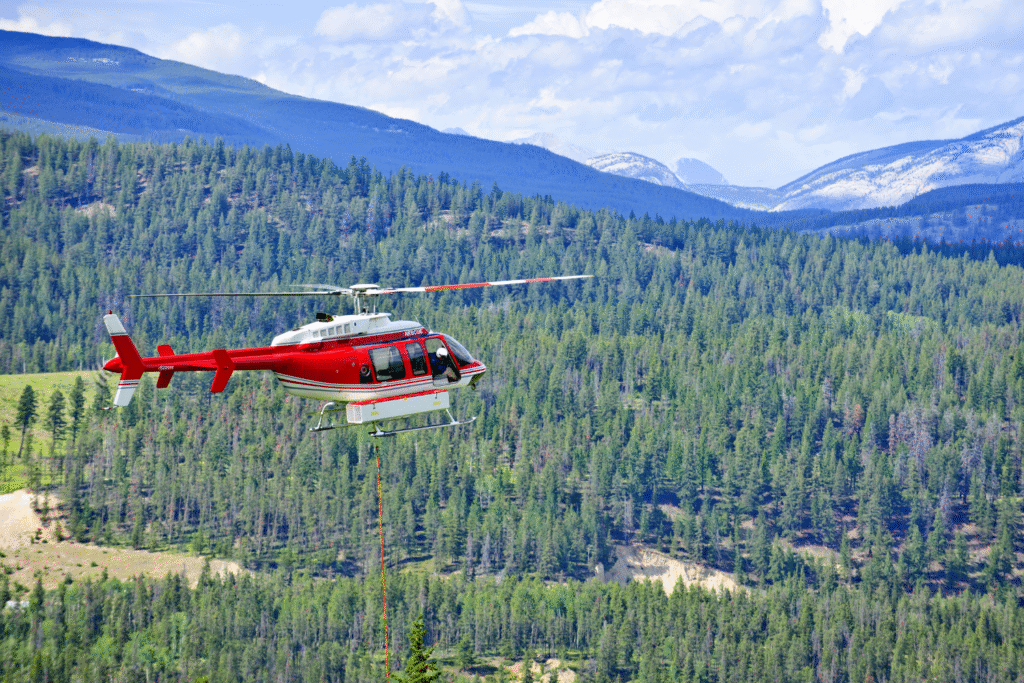
Despite their popularity, many U.S. parks have limited rangers and rescue teams. Vast areas go unmonitored for days, and search efforts rely heavily on volunteers. When a person goes missing, it can take hours or even days before a formal search begins — precious time that often determines survival.
Budget cuts and limited communication networks make coordinated rescues difficult. While visitors assume safety is guaranteed, the reality is that once deep in the backcountry, they’re largely on their own.
6. Some vanish near strange geographic “clusters.”
Researchers tracking missing persons have noticed certain areas where disappearances seem unusually concentrated — often near large bodies of water, granite formations, or sudden elevation changes. These clusters don’t always fit logical patterns, fueling theories about environmental or magnetic anomalies.
Scientists are cautious, but the consistency of these clusters is hard to ignore. The same locations appear repeatedly in data sets spanning decades, suggesting that certain landscapes might play a more active role in how people get lost.
7. Mental disorientation is more common than people think.

Even in good weather, sensory overload in remote areas can trigger confusion known as “wilderness disorientation.” The brain loses its sense of direction, and panic sets in fast. People begin walking in circles, convinced they’re moving toward safety when they’re not.
Dehydration, hunger, and fear amplify the effect, causing victims to misjudge distances and time. In the end, they may stop moving entirely — exhausted, lost, and invisible to searchers passing just yards away.
8. Some disappearances are tied to crime or foul play.

While most vanishings are accidents, a small number involve criminal activity. Remote parks provide cover for abductions, assaults, or drug trafficking routes that go unnoticed in the wilderness. In certain cases, evidence of human involvement emerges years later — too late for clear answers.
Law enforcement faces unique challenges in park jurisdictions, where local and federal authorities overlap. This fragmented system often delays investigations and leaves cold cases unsolved indefinitely.
9. Others seem to defy explanation entirely.

In some cases, people disappear within seconds — stepping behind a tree or around a bend, never to be seen again. Search dogs lose scent trails, and personal belongings are found neatly arranged, as if deliberately placed. These details fuel speculation about everything from animal interference to more paranormal explanations.
Scientists urge caution, reminding that missing person cases are often distorted by time and rumor. Still, the sheer number of unexplained vanishings keeps the mystery alive, inviting endless theories and unease.
10. The biggest mystery is why so few answers ever emerge.
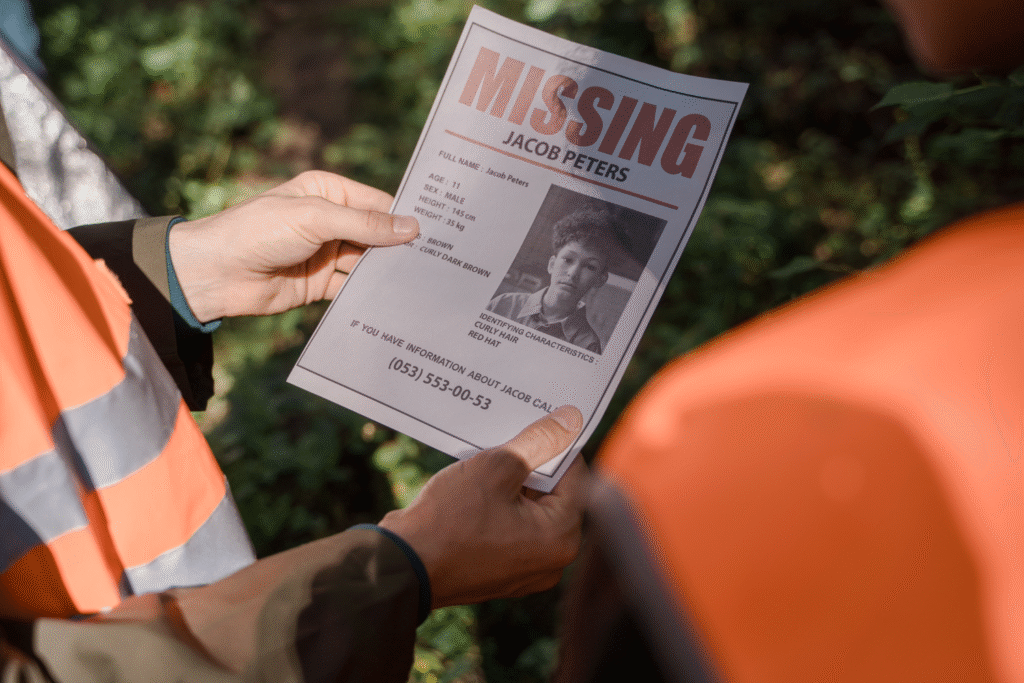
For every recovered body, dozens remain unaccounted for. Harsh environments, slow responses, and natural decay make many disappearances permanent mysteries. Families are left with fragments — a boot, a backpack, a photo — but rarely closure.
America’s wild spaces are breathtaking but brutal in their indifference. In the end, what draws people into nature — solitude, beauty, and freedom — is often what swallows them whole. Some places simply don’t give back what they take.