
Scientists say rising temperatures may be quietly speeding up the body’s biological clock.

New research shows that long-term exposure to extreme heat doesn’t just cause discomfort—it could actually make you age faster at the cellular level. Frequent days over 90°F are now linked to DNA changes and faster tissue decline, with effects similar to heavy smoking or drinking.
The findings suggest that as climate change intensifies, the heat outside might be silently rewriting how quickly we grow old.
1. Heat exposure is now tied to DNA changes linked with aging.
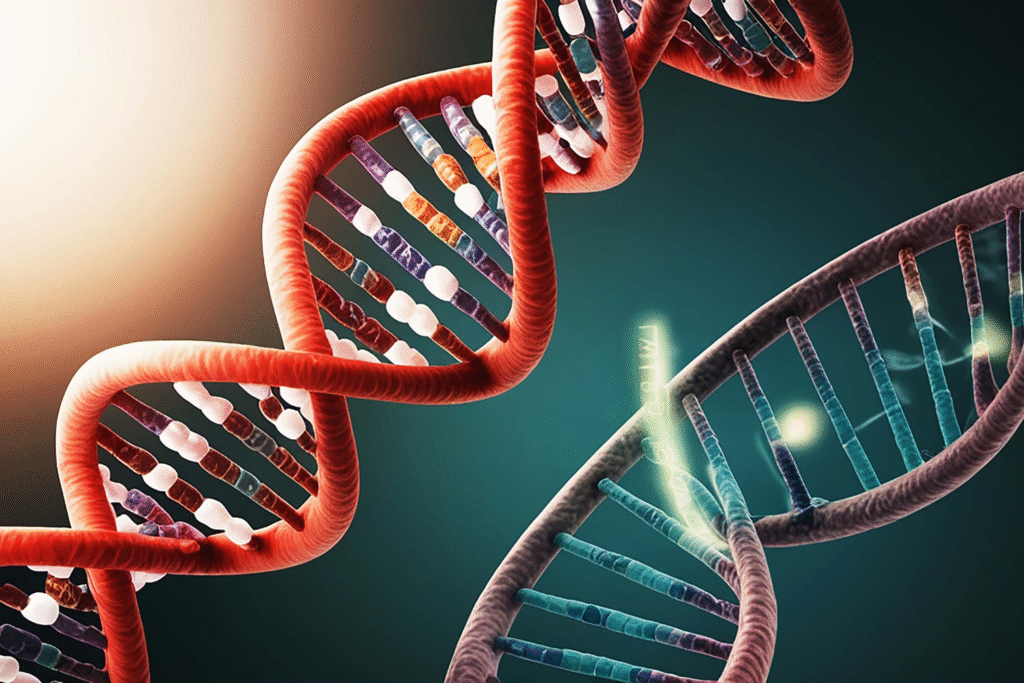
Extreme heat puts the body under stress that can alter DNA methylation—the chemical process that controls how genes turn on and off. When these patterns are disrupted, cells begin to deteriorate faster, and tissues lose their ability to repair. This epigenetic aging mirrors what scientists have observed in smokers and people with chronic illness.
The more often the body endures high temperatures, the greater the wear on its molecular machinery. It’s not just heatstroke that’s dangerous; it’s the invisible cellular strain that quietly accumulates year after year.
2. Hot regions are seeing measurable biological aging.

In one study, residents of areas with more than 140 extreme heat days per year showed an average of 14 months of additional biological aging compared to people living in cooler regions. That’s equivalent to shaving a year off your body’s resilience without changing anything else about your lifestyle.
Even after adjusting for diet, income, and exercise, the correlation stayed strong. This means the heat itself—not just related habits or environment—appears to be directly influencing how fast our bodies age.
3. The impact remains even after factoring in lifestyle.

Researchers were surprised to find that heat exposure accelerated aging regardless of a person’s fitness level, smoking history, or economic background. Unlike other environmental factors, this one seems to bypass common defenses against aging. Simply put, even healthy, active people aren’t immune.
This makes chronic heat a uniquely democratic stressor—one that doesn’t care how clean your diet is or how often you go to the gym. The body’s molecular systems have limits, and sustained high temperatures push them to the edge faster than we’ve realized.
4. Women and vulnerable groups face the steepest risks.
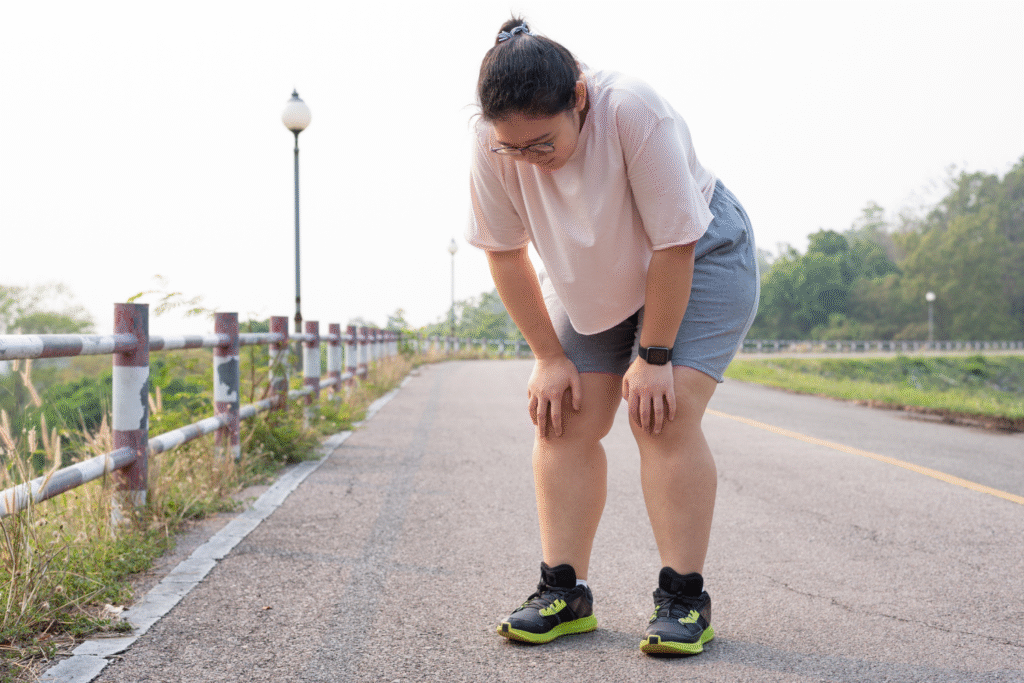
Studies show that women, along with people managing obesity, diabetes, or cardiovascular issues, experience stronger biological effects from heat exposure. Hormonal differences and metabolic strain may amplify how heat disrupts DNA regulation, speeding up cellular decline.
For older adults and people with preexisting conditions, this means even moderate heat can become a serious health accelerant. As researchers note, vulnerability isn’t just about how hot it feels—it’s about how the body’s biology responds to the pressure.
5. Accelerated aging means higher disease risk over time.
As the body’s cells wear out faster, the risk of chronic diseases increases. Accelerated biological aging correlates with heart disease, dementia, frailty, and shortened lifespan. What’s alarming is that heat-induced damage accumulates quietly, often showing no obvious symptoms until much later.
Over time, this creates a feedback loop: weaker systems struggle to adapt to stress, which makes future heat exposure even more harmful. For many, it’s not the single heatwave that’s dangerous—it’s the lifetime of smaller ones that add up.
6. Older adults are uniquely at risk as the planet warms.

With age, the body’s ability to regulate temperature weakens. Sweat glands become less efficient, circulation slows, and internal cooling takes longer. That’s why even moderately hot weather can pose serious risks for older adults—sometimes without them realizing it.
This vulnerability compounds the cellular aging caused by heat itself. As global temperatures climb, older populations face a dual threat: physiological heat intolerance and biological aging happening faster than their bodies can adapt.
7. Chronic heat exposure quietly erodes recovery and rest.

Constant exposure to high temperatures disrupts sleep cycles, elevates stress hormones, and reduces physical activity—all of which accelerate biological aging. Poor rest and chronic stress weaken the immune system and further damage DNA regulation, creating a cascade of fatigue, inflammation, and premature decline.
These hidden effects often go unnoticed but collectively take a heavy toll. A restless summer night here, a few skipped workouts there—over years, these small disruptions can add up to measurable aging at the molecular level.
8. Scientists warn heat is becoming a silent aging epidemic.

Researchers now view extreme heat as more than a short-term safety concern—it’s a chronic public health issue with long-term biological consequences. The same forces driving climate change are, in a very real sense, altering the pace of human aging.
To combat this, scientists recommend more cooling infrastructure, better urban planning, and targeted support for at-risk groups. As heat waves become more frequent, the race isn’t just to stay cool—it’s to stay young in a world that’s heating up.