
Understanding key cultural and technological influences shaping boomer and gen z perspectives

Baby Boomers and Generation Z often view the world through different lenses shaped by distinct experiences and values. While Boomers tend to prioritize stability, tradition, and face-to-face communication, Gen Z embraces adaptability, digital interaction, and social change. Recognizing these contrasts involves appreciating each generation’s unique historical context, economic realities, and communication styles, which influence their social values and overall worldview in meaningful ways.
1. Boomers value stability rooted in long-term experiences and established norms.

Long-term experiences have shaped Baby Boomers’ focus on stability. Raised during economic growth and relative political stability, they often value established norms and the predictability they offer. A classic record player, solid and enduring, symbolizes their relationship with familiar traditions and institutions.
By contrast, internalized stability doesn’t always fit in with the fast pace of contemporary society. While Boomers grew up with a typewriter’s steady rhythm, subsequent advances challenged their norms. As they age, some may still find comfort in routine, yet these structures sometimes clash with younger perspectives.
2. Gen Z prioritizes adaptability amidst rapid technological and social changes.

Emerging amid transformative eras, Generation Z values adaptability. For them, rapid technological change and shifting social dynamics are second nature. Imagine a smartphone—a gateway to constant connectivity—that blends seamlessly into their everyday interactions and influences their flexible approach to life.
Change isn’t a disruption but rather an element of normalcy for Gen Z. While Boomers found solidity in grounded expectations, Gen Z thrives in fluid environments. Borne out of a world in flux, they often reinterpret what stability means, opting for resilience in a kaleidoscopic environment.
3. Boomers often favor face-to-face communication and traditional social cues.

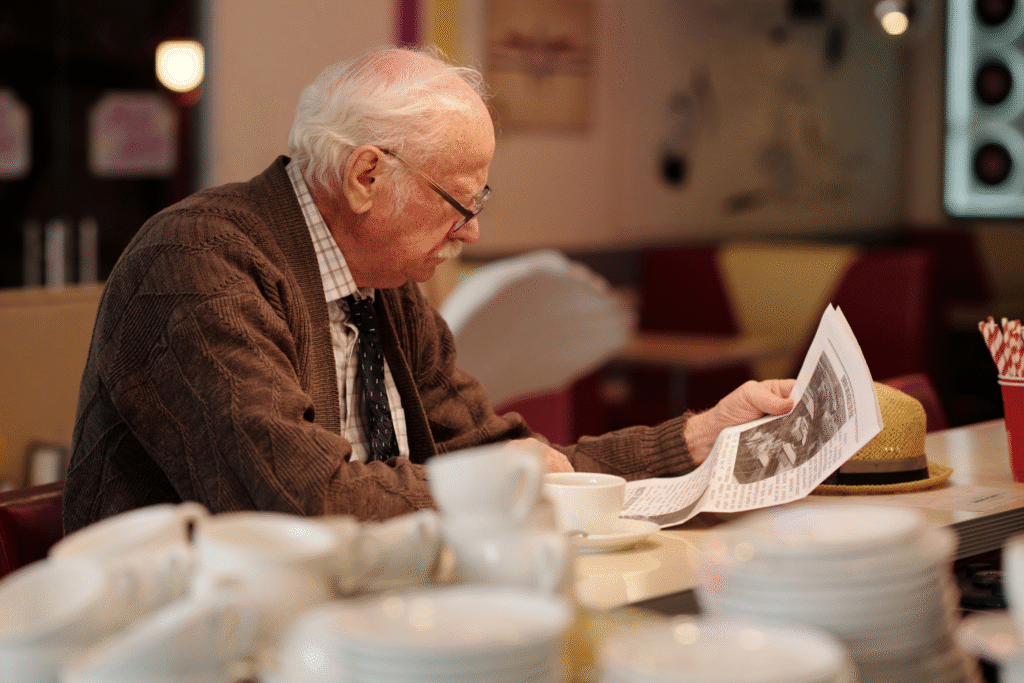
Face-to-face communication and traditional social cues resonate deeply with many Baby Boomers. Built on personal connections and real-world relationships, these interactions offer authenticity. Picture the genuine warmth of a shared coffee conversation; that’s how many Boomers cultivated their social bonds.
Despite the digital age’s rise, they hold onto conversational subtleties felt through physical presence. While they occasionally adapt to digital means, face-to-face discourse remains key. Older frameworks can sometimes seem rigid to younger generations, who navigate social landscapes differently, contrasting Boomers’ preferences for in-person engagements.
4. Gen Z embraces digital interactions as natural extensions of social life.

Digital interactions, for Generation Z, are natural extensions of social life. From memes to video calls, they are adept at seamlessly transitioning between platforms. These digital realms, akin to virtual neighborhood gatherings, offer immediacy and global connectivity that feel second nature to them.
Their sociability thrives online, allowing diverse connections beyond physical confines. This digital immersion transforms conventional communication, often puzzling to those less tech-inclined like older generations. Unlike Boomers, whose social cues are tangible, Gen Z’s adaptable interactions redefine social norms in unchartered digital territories.
5. Boomers tend to view work as a central source of identity and purpose.

Work, for many Baby Boomers, forms a central source of identity and purpose. Defined careers provided structure and self-worth, echoing through decades as they built professional legacies. Like a carpenter’s steady hand shaping craftsmanship, work is both tangible and deeply personal to them.
A lifelong career often symbolized success, imbuing their actions with pride and legacy. However, evolutionary changes in job markets can sometimes challenge their employment philosophies. Few Boomers stray from this ingrained principle, though shifting dynamics suggest alternative paths for younger generations.
6. Gen Z seeks flexible careers aligned with personal values and well-being.

Gen Z finds solace in careers that align with personal values and well-being. Unlike their predecessors, flexible roles often take precedence over lifelong positions. Envision a digital nomad working from a sunlit café—symbolizing freedom and adaptability prized by the enterprising youth.
They pivot around passions and mental health, challenging the notion of a singular career path. Ethically driven, their work choices reflect evolving cultural values. Tailoring opportunities to personal needs signifies freedom, contrasting previous generations’ emphasis on stability and employer loyalty.
7. Boomers may approach challenges with cautious pragmatism developed over time.

Cautious pragmatism characterizes many Baby Boomers’ approach to challenges. Years of complex problem-solving refined their perspective, blending patience and caution similarly to a turtle slowly progressing towards a sure destination, unfazed by fleeting chaos.
Practical decisions often echo collective wisdom accumulated over time. However, changing contexts sometimes test this pragmatism, potentially clashing with youthful dynamism. For Boomers, historical context usually holds currency, yet evolving societal nuances require a willingness to explore unorthodox solutions.
8. Gen Z frequently adapts to uncertainty through creativity and innovation.

Facing uncertainty, Generation Z often responds with creativity, embracing adaptability. Challenges transform into opportunities, akin to a fluid horizon evolving at sunrise—open, unpredictable, and vibrant. Their inventive minds thrive on experimentation, frequently diffusing tension through new-age ingenuity.
Flexibility underpins their navigation through life’s twists, diverging from predecessors’ steadiness. Armed with digital tools and diverse insights, Gen Z transcends traditional boundaries. The balance of realism and imagination redefines problem-solving, challenging the pragmatism older generations hold dear.
9. Boomers often trust authoritative sources and established institutions.
Institutions and authoritative sources frequently garner Boomers’ trust. Favored due to their consistency and longevity, these structures echo a time when vetted information reassured. A trusted encyclopedia, resting on oak shelves, exemplifies their quest for reliable knowledge.
This deference stems from accepting established versions of truth over speculative theories. However, newer generations’ skepticism grows as alternative narratives flourish. While Boomers lean on the known, voices of dissent clash with the institutions once considered infallible, reframing trust metrics.
10. Gen Z is inclined to question norms and advocate for systemic change.

Questioning norms and advocating for change define Generation Z’s inclinations. Raised in a digitally connected world, they view systemic shifts through fresh lenses. Like a vibrant street mural, their advocacy reflects inclusivity and bold demands for transformation.
Established systems often appear static in their eyes, contrasting the dynamism they embrace. A longing for transparency and reform drive them, often challenging status quos. Progress, to them, demands activism—redefining pathways in an evolving global tapestry.
11. Boomers usually appreciate gradual progress grounded in historical context.

Gradual progress achieved through historical context holds appeal for many Boomers. This emerging incrementally from lessons learned resonates—a gentle river carving its bed over centuries. Time-tested processes lend confidence to decisions marked by patience and depth.
However, emerging dynamics question this steadiness. Interaction with younger generations seeking swift change sometimes generates friction. In ongoing dialogues, Boomers’ steadfastness reveals generational contrasts, prompting reflection on progress’s myriad interpretations and implications across age cohorts.
12. Gen Z tends to embrace inclusivity and diversity as essential principles.

Embracing inclusivity and diversity, Gen Z sees these as essential societal tenets. Contrast steadfast traditions with kaleidoscopic classrooms where cultural narratives blend democratically. These shared spaces amplify voices often eclipsed, forming reciprocal environments.
Their advocacy sparks dynamic societal shifts, engaging old and new directions equally. Inclusivity signifies belonging—an evolving dialogue encompassing all. Progressively, these principles unfold within broader contexts, accentuating dialogues around varied human experiences, challenging exclusionary practices adhered by previous generations.