
Explore U.S. locations that combine natural safety with community strength for survival situations.
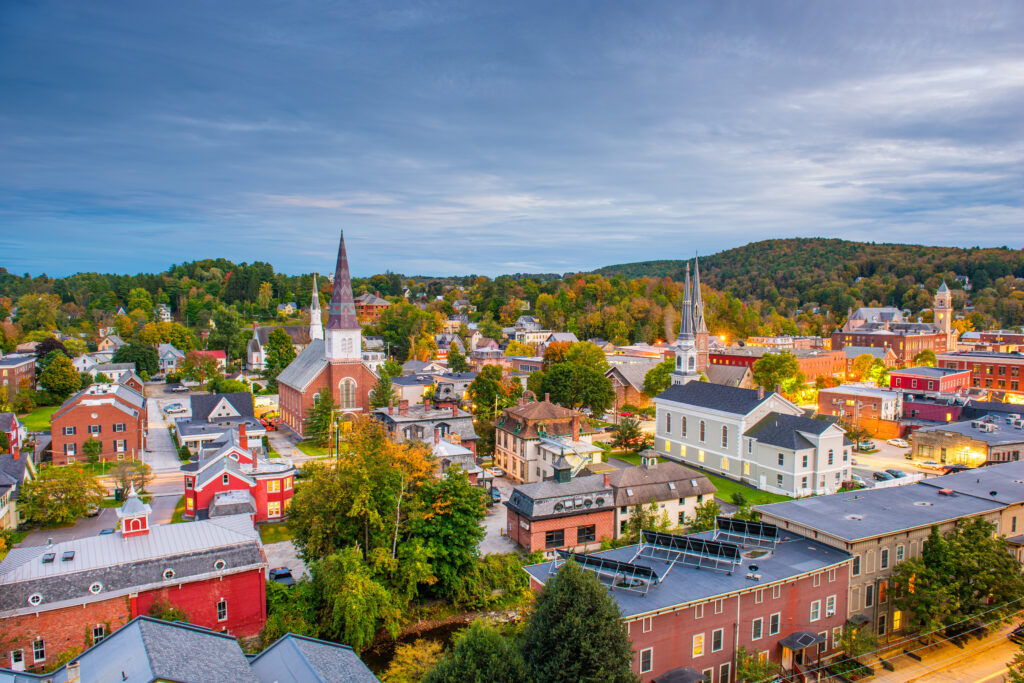
When disaster strikes, choosing the right place to be can make all the difference. The safest locations in the U.S. for surviving catastrophic events balance natural protection, resource availability, and strong community ties. Factors like proximity to fresh water, low population density, mild climates, and robust emergency infrastructure play key roles. Understanding these elements, based on expert guidance from FEMA, CDC, and USGS, helps individuals prepare thoughtfully for uncertain times.
1. Small towns with strong community ties offer safety and support during crises.
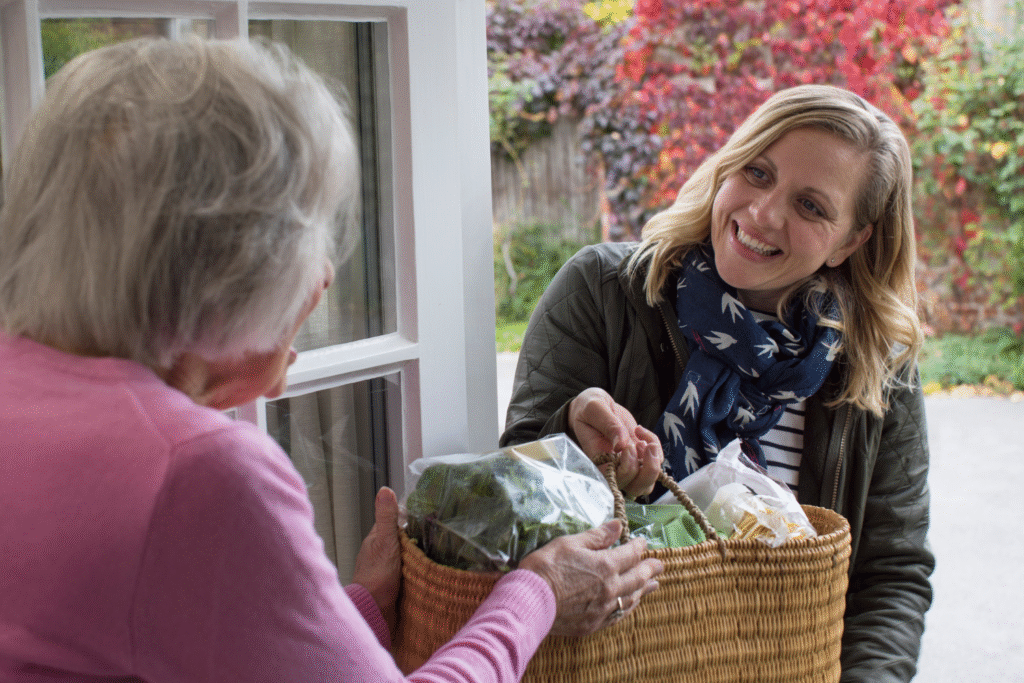
In times of upheaval, small towns with close-knit communities offer solace and security. These areas often boast strong social networks, where sharing resources becomes second nature, and everyone looks out for each other. Community gardens might dot the town, providing fresh food and companionship.
Tight-knit communities can rally to meet challenges, coming together to restore stability after disruptions. Unlike transient urban neighborhoods, longstanding bonds foster trust and collaboration, essential for weathering crises. Strength arises not just from shared supplies but from shared purpose. Heartfelt connections make these towns safe havens under stress.
2. Coastal areas with low population density reduce risk from urban unrest.
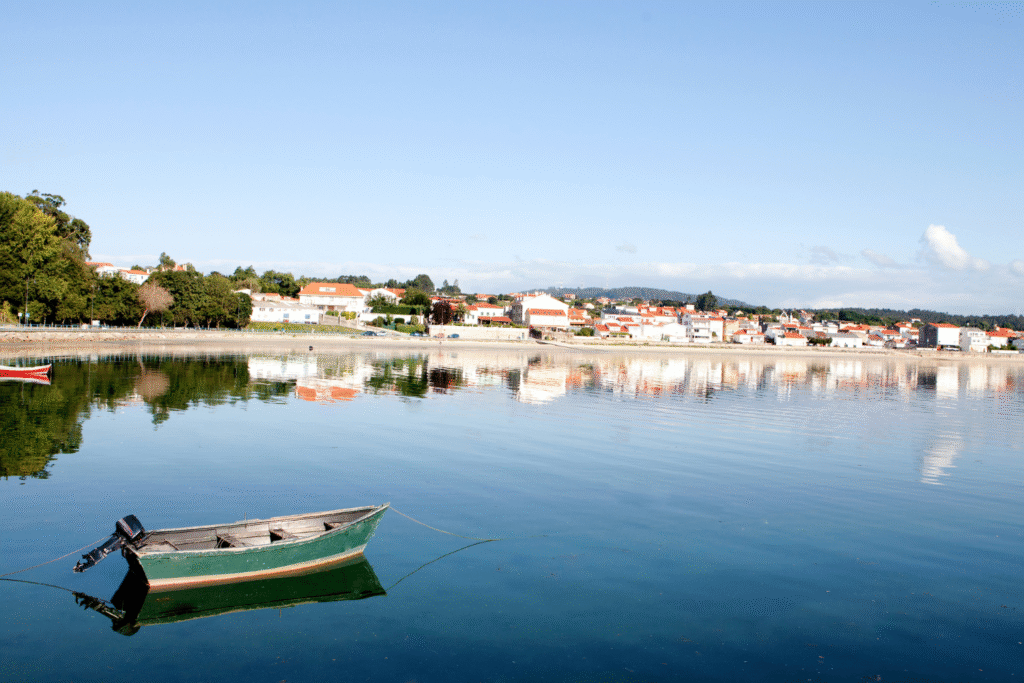
Coastal regions with sparse populations offer refuge from societal turmoil. Unlike bustling city shores, these areas lack sprawling urban centers, reducing risks associated with large gatherings and unrest. Fishing boats gently bob in the harbor, a testament to the steady, self-reliant lifestyle.
Although vulnerable to certain natural events, such as hurricanes, low-density coastal towns generally face fewer societal disruptions than cities. The smaller populations make it easier to organize and manage resources effectively. A balance between remoteness and access to maritime trade routes ensures continued supply flow when traditional channels falter.
3. Mountainous regions provide natural barriers and isolation for secure living.

Mountainous regions provide natural barriers, creating isolated sanctuaries. Towering peaks discourage unwanted visitors, fostering privacy and security. In these secluded areas, valleys may offer hidden life pockets buffered by considerable distances from high-traffic zones.
The natural landscape demands self-sufficiency and resourcefulness, requiring communities to maintain strong local networks. Within these isolated havens, the potential for agriculture, hunting, and foraging reduces reliance on external supplies. Tranquil settings mask the inherent challenges, but with resilience, these environments can become bastions of survival in uncertain times.
4. Rural farmlands ensure access to fresh food and a self-reliant lifestyle.
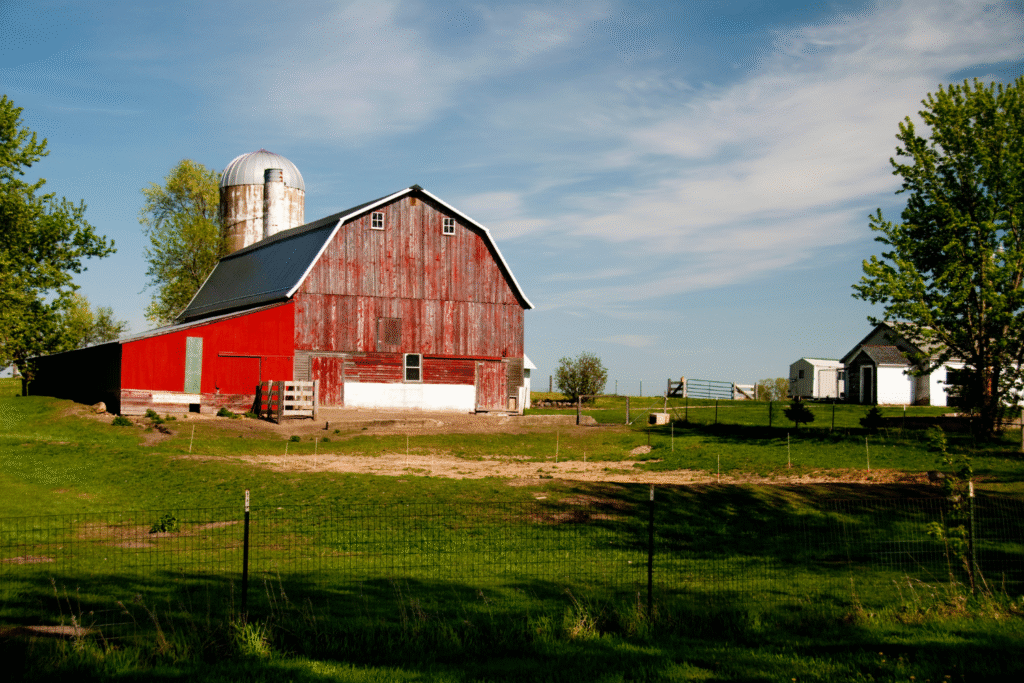
Rural farmlands offer a self-sustaining way of life, nestled away from urban chaos. Sprawling fields yield vital crops essential for prosperity and endurance during crises. Barns standing as silent sentinels house both tools and bountiful harvests, ready for leaner times.
Open spaces provide opportunities for bartering and communal activities, fostering local interdependence. An agriculture-centered lifestyle can resist outside disruptions through traditional skills and a focus on adaptability. Seamless knowledge transfers ensure long-term continuity, wrapping safety concerns in the comforting arms of the land itself.
5. States with mild climates allow for comfortable year-round outdoor living.

States with mild climates enable year-round outdoor life, a key factor in dire scenarios. Gentle weather reduces survival challenges, allowing residents to focus on resource cultivation and long-term planning. Gardens seem to pulse with vitality as they offer sustenance through all seasons.
Consistent weather patterns encourage sustainable dwelling options, minimizing heating and cooling demands. Furthermore, the mild environment allows communities to spend more time outdoors, bolstering physical and mental wellbeing. By removing unpredictable weather extremes, these areas naturally enhance resilience against societal disruptions.
6. Areas near freshwater sources offer essential resources for long-term survival.
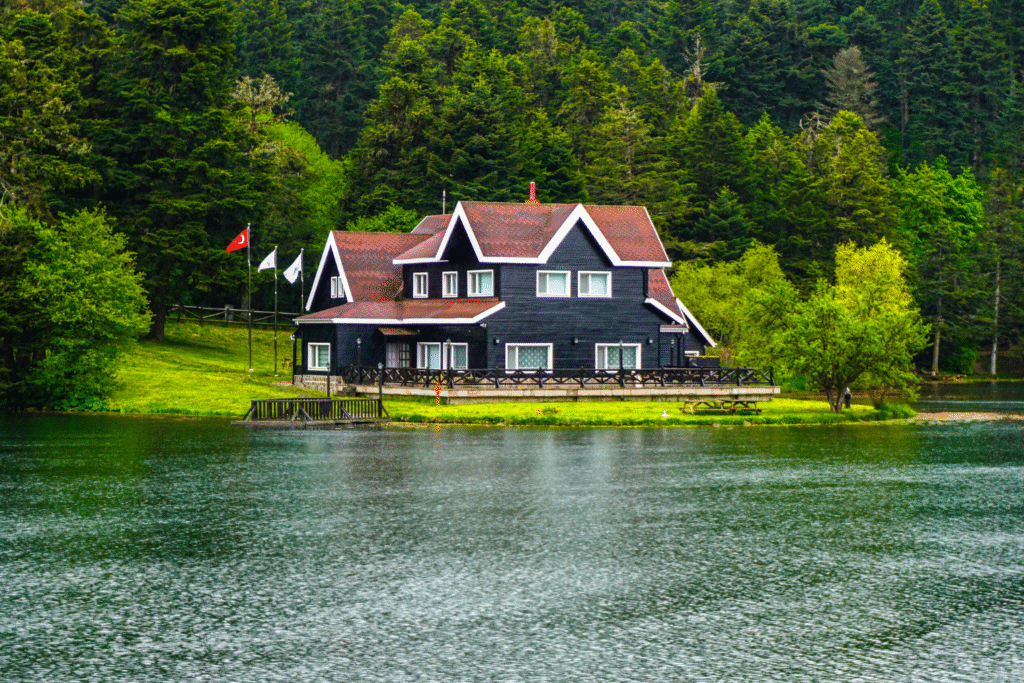
Living near abundant freshwater sources ensures vital resources for survival. Rivers and lakes offer reliable water and sustenance through fishing or nearby agriculture. Crystal-clear streams weaving through landscapes provide life-essential hydration and the whisper of enduring renewal.
Not only does readily available water mean ample supply during emergencies, but it also encourages thriving ecosystems—the foundation of rich biodiversity and interdependent lifeways. These living systems can form robust safety nets, reducing reliance on fragile infrastructure and utility frameworks. Practical solutions become tangible, woven by access to nature’s fundamental gifts.
7. Desert towns with ample space limit exposure to overcrowding and chaos.
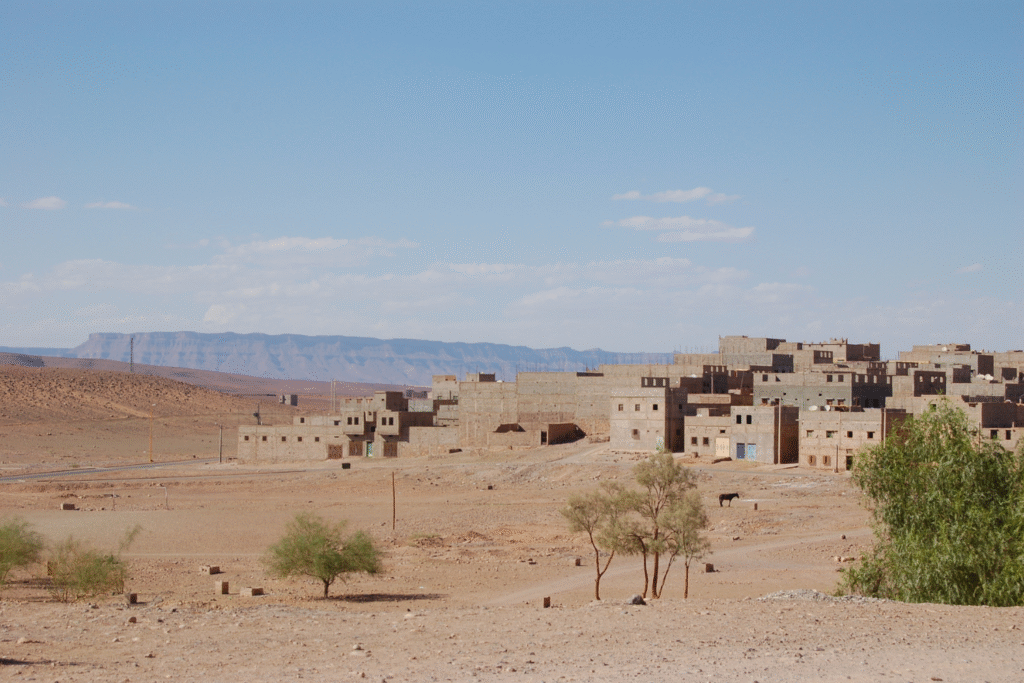
Expansive desert towns afford solitude and space, providing refuge from chaos. The stark beauty of vast dunes and open horizons can help to create natural safe zones away from congestion and disruption. Endless sky vistas remind one of the freedom and isolation offered miles from urban sprawl.
Although harsh conditions may present challenges, these are tempered by a scarcity that shields from human conflict. Sparse populations imply fewer resource stresses, allowing residents to plan for contingencies undisturbed by densely packed crowds. Planning for arid resilience fosters creative survival mechanisms, sometimes born of necessity.
8. Locations with robust emergency preparedness plans enhance community resilience.

A location with solid emergency frameworks fosters communal resilience, bolstering its citizens’ resolve in crises. Communities prioritizing disaster response create robust networks through local infrastructure investments. Fire stations and community centers exemplify places where preparation meets action seamlessly.
Effective emergency plans strengthen societal bonds, reassuring residents through stability when external networks falter. Strong preparedness traditions can instill confidence, transforming personal anxieties into collective action. Residents trained to respond together solidify connections that help weathering unforeseen challenges.
9. Islands provide natural isolation and control over incoming access points.
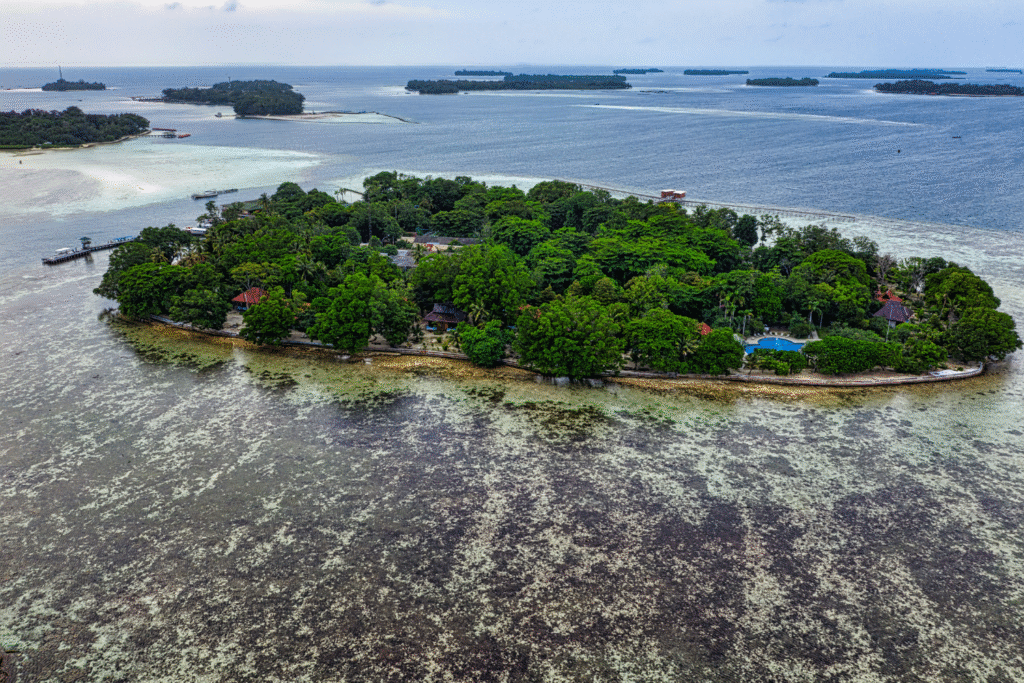
Islands offer separation and natural safety through controlled access. Surrounded by a tranquil sea, they emanate peace and serve as defensive bastions in tumultuous times. Small ferry boats or private docks maintain vigilant passage through regulated, limited inflow.
While geographical isolation can inhibit resource delivery, local resilience counteracts many supply limitations. An island’s restricted entry ensures that those within are familiar and trusted members of a tightly-knit community. Shared efforts to maintain essentials fortify the sense of secure, self-contained living on these oceanic refuges.
10. Suburban neighborhoods with active neighborhood watch programs increase safety.

Suburban neighborhoods emphasize vigilance through engaged residents and strong oversight. Active neighborhood watch groups patrol an infrastructure designed on principles of both community and privacy. Homeowners unite frequently, fostering familiarity well beyond standard street interactions.
While not entirely rural nor fully urban, these areas blend proximity to resources with trusted local knowledge. In planned neighborhoods, safety extends beyond physical checks into intentional community-building. Resident involvement transcends mere observation, strengthening bonds that enhance collective vigilance against disruption or threats.
11. Forested regions offer cover and abundant natural resources for sustenance.
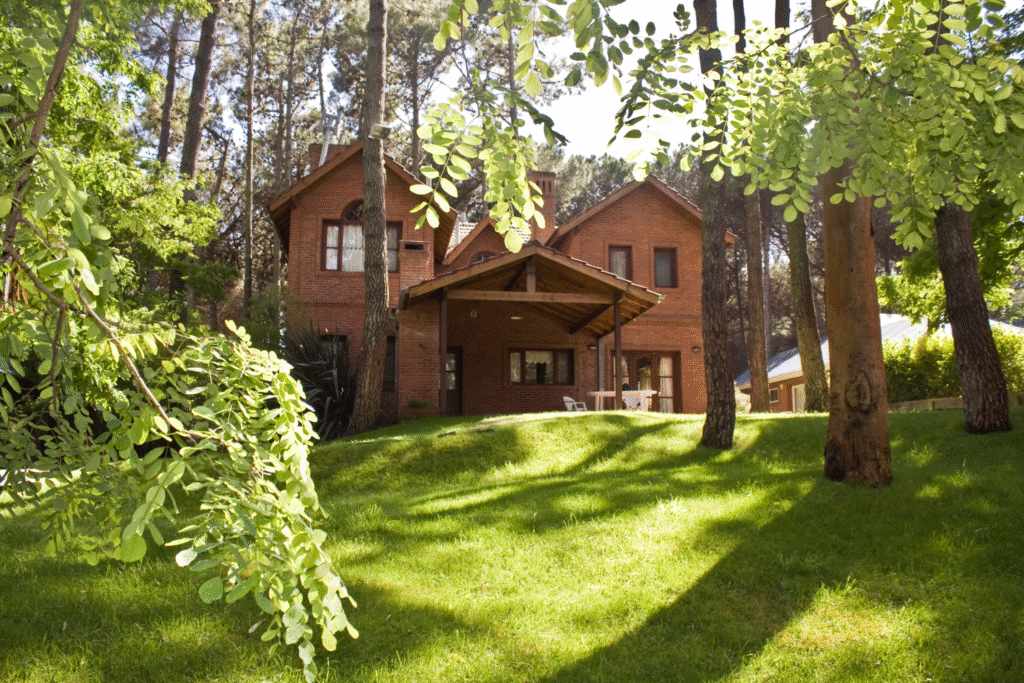
Forested areas promise shelter and sustenance, beneficial for those seeking sanctuary. Tall trees cradle each other as nurturing sentinels, abundant in fruits and shelter. Rustling leaves play nature’s symphony, bringing the reassuring sound of ongoing life across verdant expanses.
Residing among trees demands self-reliance rooted in harmony with nature, yet offers bounteous resources for skilled inhabitants. Woods teem with opportunities for gathering, hunting, and foraging, ensuring ample supply lines beyond manufactured goods. Mother Earth stands as ally and provider, welcoming all who craft lives amidst her canopy.
12. Communities with diverse skill sets and mutual aid networks thrive in adversity.

Communities rooted in diverse skill sets and mutual aid exhibit remarkable adaptability. Residents, each honing unique talents, contribute to a dynamic support ecosystem. Local art studios, workshops, or trade centers pulse with creativity, showcasing collective strength found in shared expertise.
Strong interdependence, built from varied capabilities, embodies resilience, encouraging collaboration under pressure. In times of adversity, this rich pool becomes a resource bank—a bastion of cumulative survival abilities brought forth through sharing and teaching. Diversity cultivates cohesive adaptation, enabling communities to weather change as resilient units.