
Doctors say a vaccine designed to stop a rash may also protect your heart.

New research reveals that the shingles vaccine could do far more than prevent a painful skin eruption. Large-scale studies now suggest it lowers the risk of heart attack, stroke, and even cardiovascular-related death — and the benefits can last for years.
It’s an unexpected bonus that could make a single shot one of the most valuable tools in preventive health.
1. The shingles vaccine may quietly shield your heart.

Studies tracking thousands of patients found that those who received the shingles vaccine had up to a 26% lower risk of heart disease, heart attack, or stroke. The protection lasts up to eight years, with the strongest benefits seen in the first few years after vaccination. Researchers say the numbers are consistent across different populations.
This discovery is rewriting how scientists view immunization. What was once a routine recommendation for older adults might soon become a key part of cardiovascular prevention strategies — not because it targets the heart directly, but because of how it stops inflammation before it starts.
2. Inflammation appears to be the hidden link.
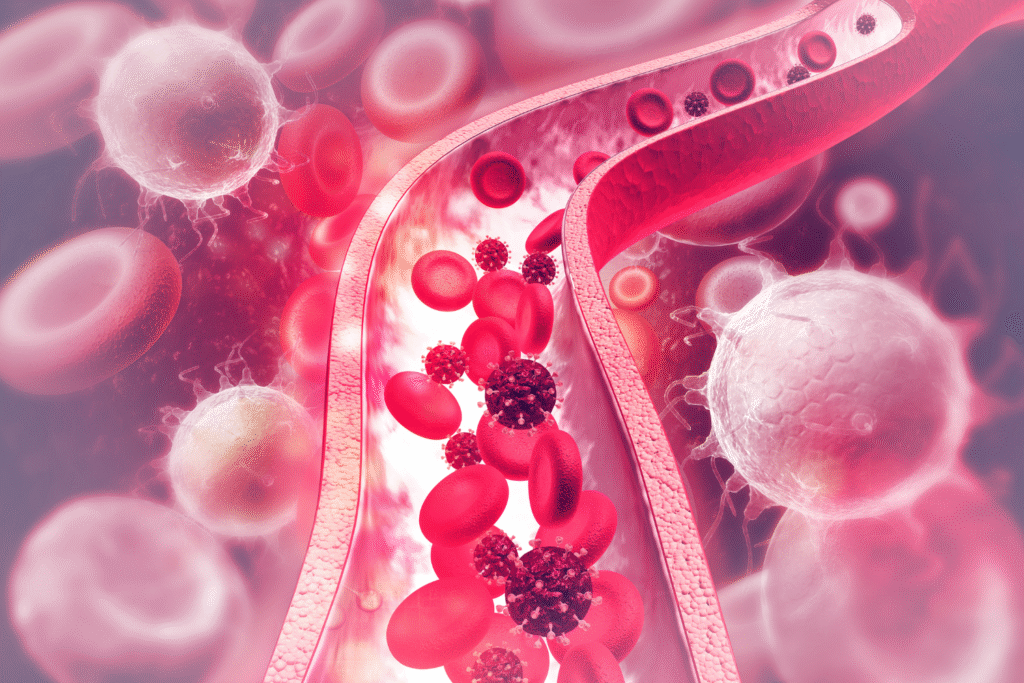
When shingles activates, the virus triggers widespread inflammation that can damage blood vessels and promote clot formation. That damage increases the risk of heart attack or stroke, sometimes months after the rash fades. The vaccine helps by preventing the infection altogether, cutting off that chain reaction before it begins.
It’s not just about avoiding pain — it’s about avoiding hidden inflammation that quietly harms arteries. Scientists are beginning to see vaccines as anti-inflammatory tools that protect more than just the immune system.
3. Certain groups benefit even more than others.

Men, smokers, and people with sedentary lifestyles appear to gain the most protection after vaccination. Researchers believe that’s because these groups already have elevated inflammation and cardiovascular strain, making the vaccine’s side benefits more pronounced.
For them, the shingles shot isn’t just preventive care — it’s a risk reducer for multiple health problems. The findings also highlight how one small medical decision can ripple across broader aspects of health, offering unexpected advantages for those most at risk.
4. The vaccine may help preserve brain health too.

Beyond heart protection, studies suggest the shingles vaccine could lower the risk of vascular dementia by up to 50%. That’s likely because the same vascular inflammation linked to heart disease also affects blood flow in the brain. By protecting blood vessels, the vaccine helps maintain both heart and cognitive function.
This connection underscores how intertwined the body’s systems really are. Guarding against infection may, in turn, guard memory, concentration, and long-term mental clarity — benefits that extend far beyond what anyone expected from a shingles shot.
5. The long-term benefits make it a public health game changer.

The shingles vaccine is now being viewed as more than a single-purpose immunization. Its ripple effects could reshape how doctors approach disease prevention, especially for adults over 50. By reducing cardiovascular and neurological risks, it supports longevity in a remarkably simple way.
Public health experts say this discovery could increase vaccination rates among adults who might otherwise skip it. Protecting against shingles is good — but protecting your heart and brain at the same time might be one of the smartest health choices you can make.
6. The protective effect lasts longer than expected.

What surprised researchers most was how long the cardiovascular benefits lasted. Participants who received the shingles vaccine continued to show lower rates of heart-related complications up to eight years after the shot. While the strongest protection occurred in the first two to three years, the long-term effect suggests the immune system gains a kind of “memory” that keeps inflammation in check.
That endurance makes the shingles vaccine unusually powerful. Unlike many preventive measures that fade quickly, its benefits appear to stay active, quietly supporting vascular health well into the future.
7. Experts say it could reshape preventive medicine.

If these findings hold true in larger clinical trials, the shingles vaccine could mark a turning point in preventive care. Doctors may begin recommending it not just for seniors, but for middle-aged adults with cardiovascular risk factors. It could also influence how future vaccines are designed — not just to stop infections, but to enhance overall health resilience.
In an era of growing heart disease rates, a single shot that helps reduce risk for years feels revolutionary. It shows how modern medicine can unlock hidden benefits in treatments we’ve taken for granted all along.