
Fear is driving Americans to dig deep, turning backyards into modern-day fortresses.

Across the U.S., demand for underground bunkers is skyrocketing. Fueled by fears of war, climate disasters, and social collapse, Americans are racing to build personal sanctuaries beneath their feet. What once seemed paranoid is now mainstream, with sales of survival shelters doubling since 2020 and companies marketing bunkers as both safety nets and status symbols.
This growing movement reveals a country increasingly anxious about the future — and willing to go underground to feel secure.
1. Rising global tensions are fueling underground panic.
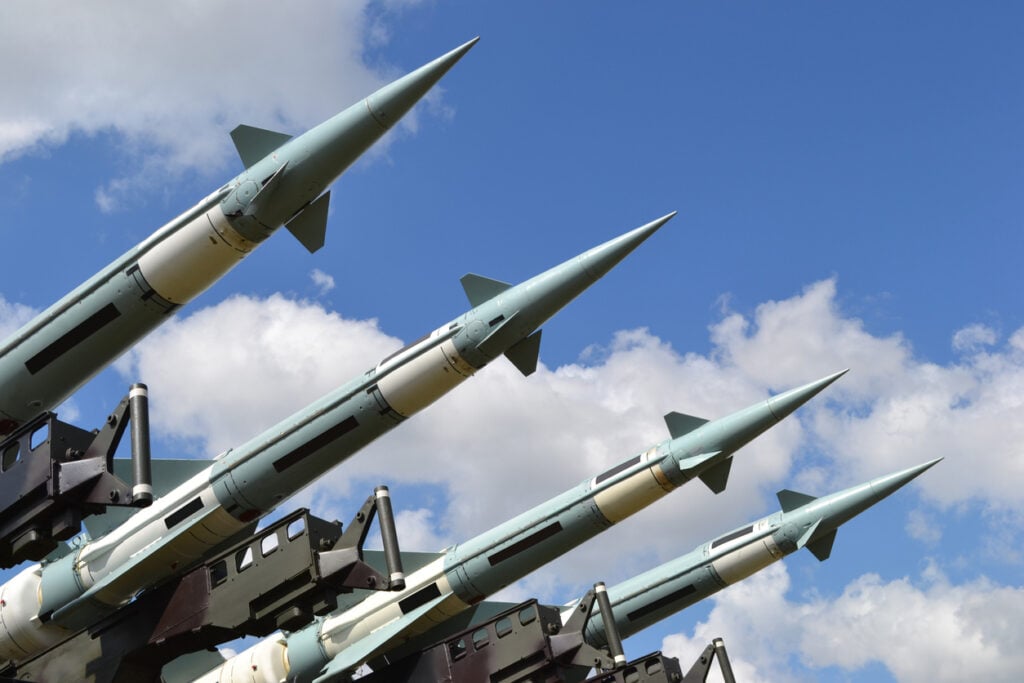
The war in Ukraine, escalating nuclear threats, and political instability have reignited old Cold War fears. Americans are watching global events and wondering how close disaster really is. The idea of a bunker, once a relic of 1960s paranoia, suddenly feels practical again — a place to wait out the unimaginable.
Companies building bunkers say inquiries spike after every international crisis. Each news alert becomes another reminder that safety might depend not on governments, but on what’s buried in your own backyard.
2. Natural disasters are reinforcing a survivalist mindset.

More frequent hurricanes, wildfires, and tornadoes have made Americans hyperaware of their vulnerability. For many, bunkers are no longer just about nuclear fallout — they’re protection against the planet itself. Underground shelters promise safety from storms, earthquakes, and even rising sea levels.
It’s not just preppers buying them anymore. Ordinary families in disaster-prone regions see bunkers as sensible investments, blending emergency preparedness with peace of mind.
3. Social unrest has Americans preparing for breakdowns.
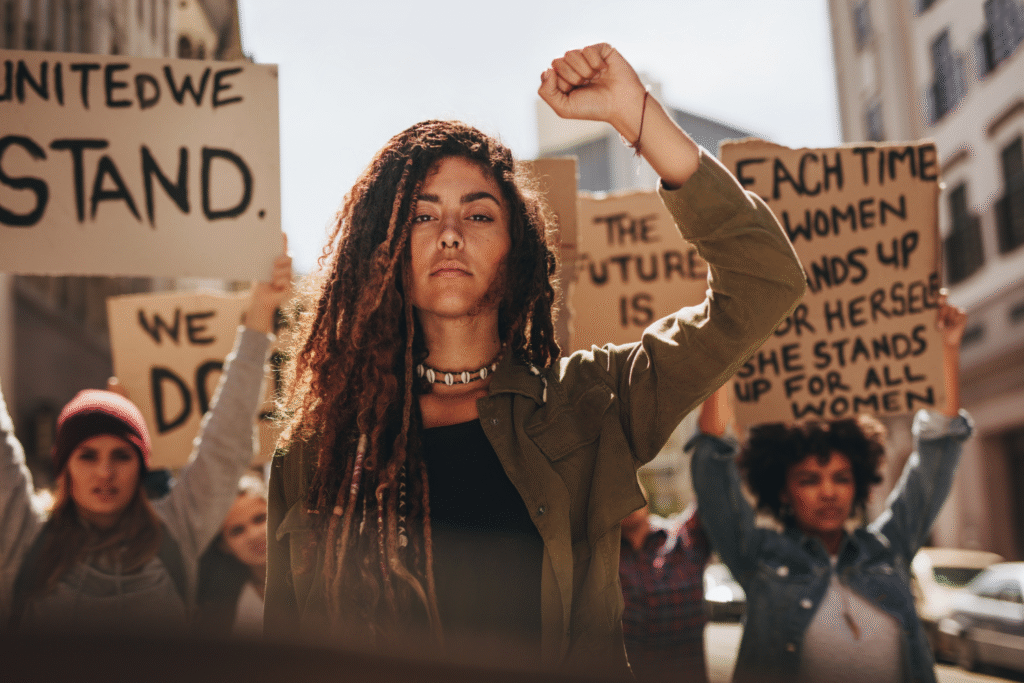
Political division, urban protests, and concerns about law enforcement instability are pushing some citizens toward self-reliance. Many view bunkers as protection against social chaos — a place to retreat if “society turns on itself.”
Survival companies are marketing this fear directly, selling security as independence. For a growing number of Americans, the bunker represents not paranoia, but control in a world that feels increasingly unpredictable.
4. Technology has made bunkers surprisingly comfortable.

Today’s shelters are a far cry from cold, concrete boxes. Advanced air filtration, renewable energy systems, and hidden access points make them self-sustaining for months. Some feature full kitchens, hydroponic gardens, gyms, and even home theaters.
This transformation has made the idea of living underground oddly appealing. In an age of smart homes, the bunker is simply the next step in personalized security — blending survival with luxury.
5. The pandemic left lasting psychological scars.

COVID-19 exposed how fragile daily life can be. Lockdowns, supply shortages, and economic instability changed how people think about safety. For many, the bunker represents a permanent version of quarantine — a place where life can continue even if the world above stops.
This mentality has outlasted the pandemic itself. Fear of the next global shock — biological or otherwise — keeps fueling bunker sales long after the masks came off.
6. The rich are turning bunkers into designer sanctuaries.
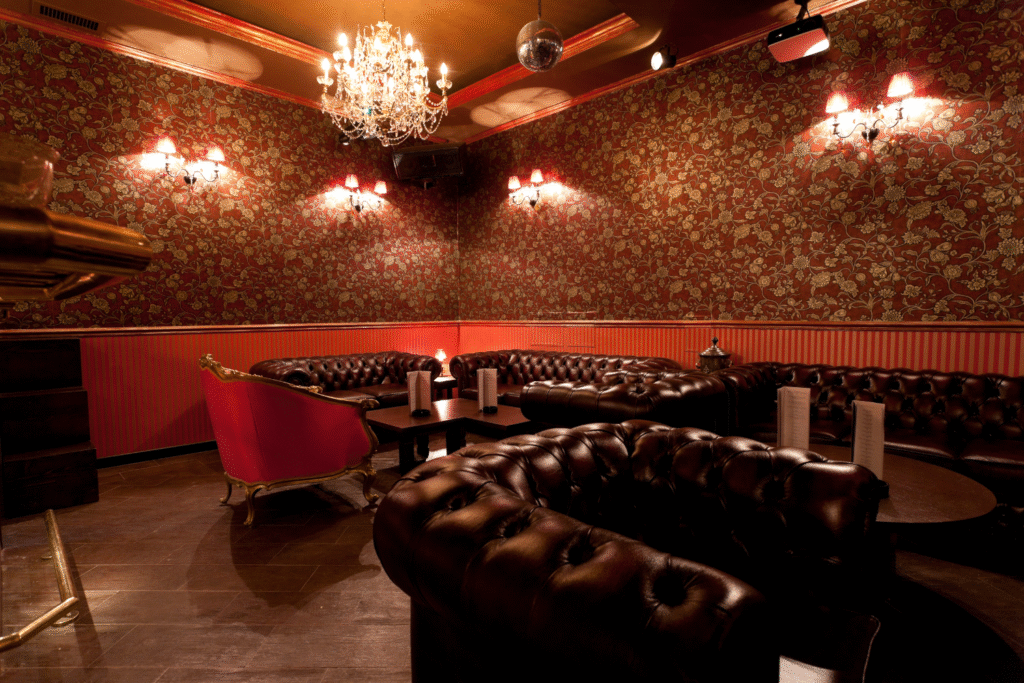
Wealthy Americans are commissioning multimillion-dollar bunkers disguised as wine cellars or spa retreats. Built with private theaters, art storage, and luxury finishes, they reflect a growing trend among the elite: preparing for collapse in style.
For some, it’s a status symbol as much as a safety plan. Survival has become another form of luxury real estate — exclusive, secretive, and meticulously designed for comfort.
7. Government and elite facilities add to public suspicion.

Rumors persist about vast underground complexes built for the powerful — secret installations allegedly connected by tunnels and advanced transport systems. Estimates suggest as many as 170 government bunkers exist across the U.S., hidden beneath mountains and coastlines.
While official confirmation is scarce, these stories fuel distrust. Ordinary citizens, seeing the wealthy and powerful prepare, are inspired to do the same — even if their own shelters are far more modest.
8. Critics say the bunker boom feeds a dangerous illusion.

Experts warn that most private bunkers wouldn’t withstand a nuclear strike or long-term isolation. They argue the industry profits by selling fear rather than safety. The government itself recommends simpler sheltering plans for emergencies.
Still, skepticism hasn’t slowed the trend. For many, the illusion of safety feels better than none at all — and that comfort, real or not, is driving America’s quiet descent underground.
9. Real Estate Values Overlap with Safety Plans

In disaster-prone regions, real estate professionals note that underground bunkers are becoming sought-after amenities, frequently influencing both the speed and value of home sales. Properties equipped with modern, well-constructed shelters tend to attract buyers more quickly and can sometimes command a premium, particularly when their features integrate seamlessly with the home and offer advanced safety or comfort systems.
Some home developers, especially in rural and high-risk areas, are now offering underground bunkers as optional upgrades or add-ons in new residential projects. This shift parallels rising demand for luxury and technologically advanced shelters, pointing to a broader cultural acceptance of disaster readiness as an important aspect of modern property ownership