
Scientists stumbled upon a sprawling spider city that defies everything we know about arachnids.
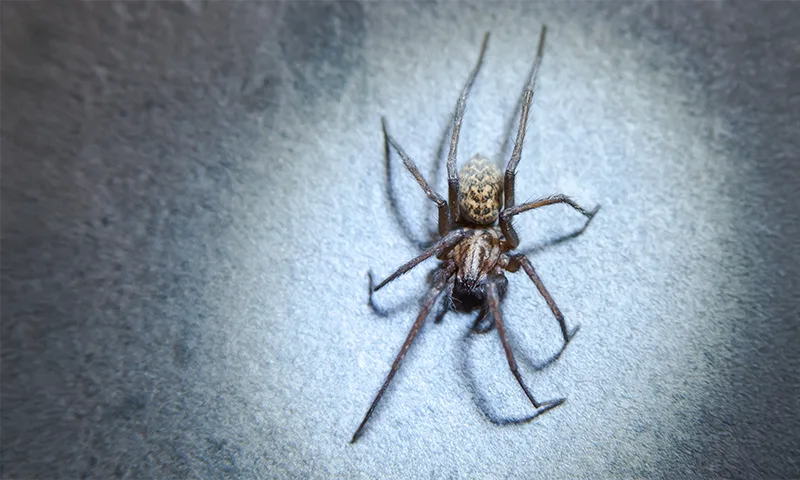
In a wetland in Madagascar, researchers have discovered a colossal interconnected web stretching across hundreds of meters — a shimmering fortress of silk housing over 111,000 spiders. The massive “super-web,” unlike anything previously documented, is the result of cooperative behavior rarely seen among typically solitary creatures.
This discovery challenges long-held beliefs about spider social structures and raises fascinating questions about survival, teamwork, and adaptation in nature.
1. The web spans farther than a football field.

Scientists measuring the structure were stunned to find it stretched nearly 400 feet across the marshlands, connecting reeds, branches, and vegetation into a single continuous network. The silk was so dense that it created a faint mist-like shimmer under the sun, resembling a living fabric swaying with the wind. The web’s scale is unprecedented — large enough to trap small birds, insects, and even drifting leaves.
It wasn’t built by one species alone but by thousands of spiders working in synchronized cooperation. Each individual contributes to its portion, reinforcing strands and repairing weak spots. Together, they’ve created something resembling a biological metropolis — a living structure constantly maintained, expanded, and defended by its residents.
2. The species behind the web surprised researchers.
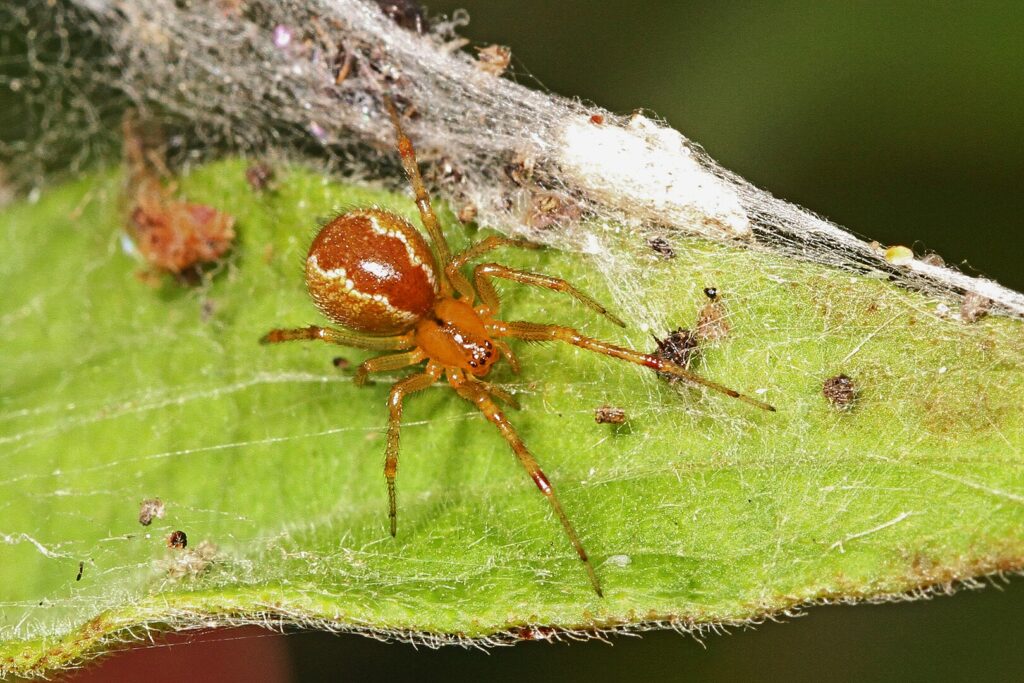
The creators of this super-web belong to a social species of Anelosimus, a rare genus known for cooperative behavior. While most spiders live solitary lives, these particular species thrive in colonies, working collectively to catch prey and protect offspring. The Madagascar discovery, however, dwarfs all known examples of spider cooperation.
This species seems to have taken collaboration to a new level. Instead of forming small family clusters, they’ve organized into massive interconnected communities. Each group functions like a neighborhood, connected by silk highways that link them to thousands of others. It’s a natural experiment in social evolution — and a hauntingly beautiful example of what collective intelligence looks like outside the human world.
3. The ecosystem around the web has transformed.
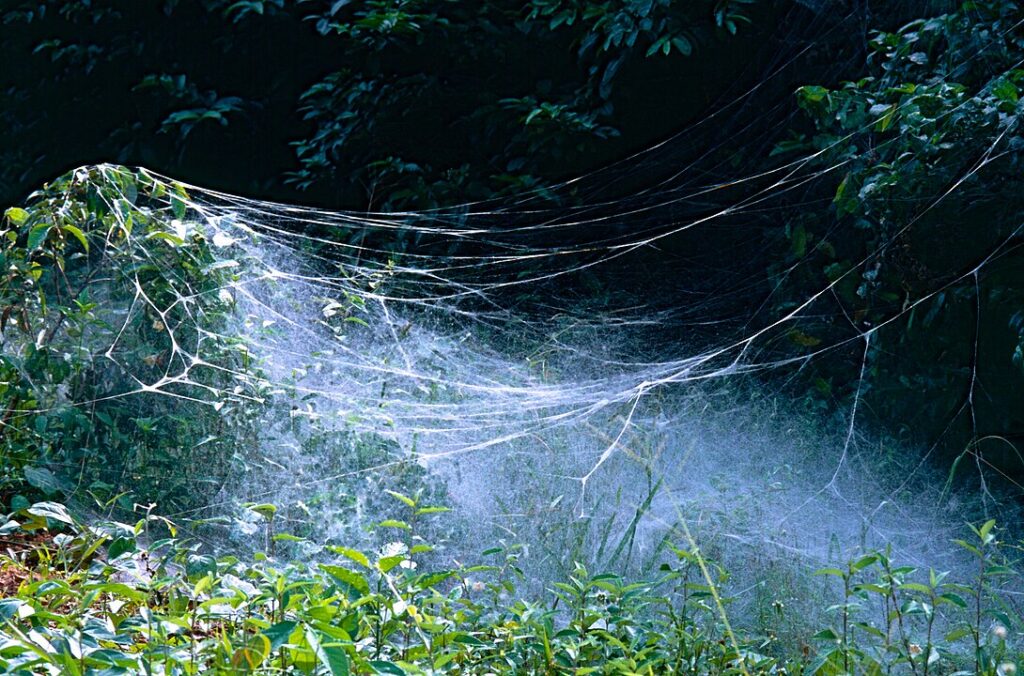
The web has become its own microhabitat, altering the local environment in subtle but profound ways. It traps not only insects but also airborne debris, creating a nutrient-rich layer that feeds smaller organisms beneath it. Birds, frogs, and even other spider species have adapted to the structure, nesting near its edges or feeding on its leftovers.
In essence, the web has reshaped an entire ecosystem. It’s no longer just a hunting tool — it’s an environmental force. The spiders’ collective engineering has created a new kind of living architecture, one that influences every layer of the food chain surrounding it.
4. Scientists believe climate played a major role.
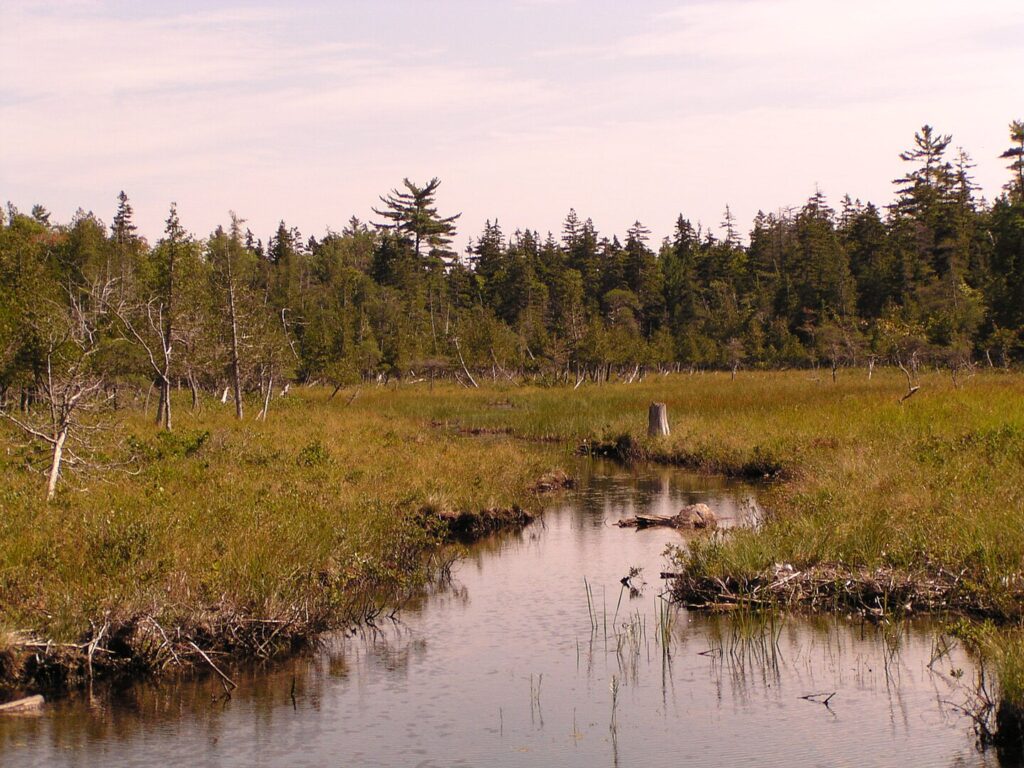
Madagascar’s humid and insect-rich wetlands provided the perfect conditions for this phenomenon. Constant moisture helps preserve silk strands longer than usual, while an abundance of prey reduces competition among spiders. Over generations, these ideal circumstances may have encouraged cooperation over conflict.
Climate-driven adaptations often emerge subtly, but this discovery shows how environmental stability can reshape behavior on a massive scale. Instead of fighting for territory, the spiders found strength in unity. The result is a rare glimpse into evolution at work — a reminder that even small creatures can adapt to their surroundings in remarkably complex ways.
5. The spiders’ teamwork defies instinct.
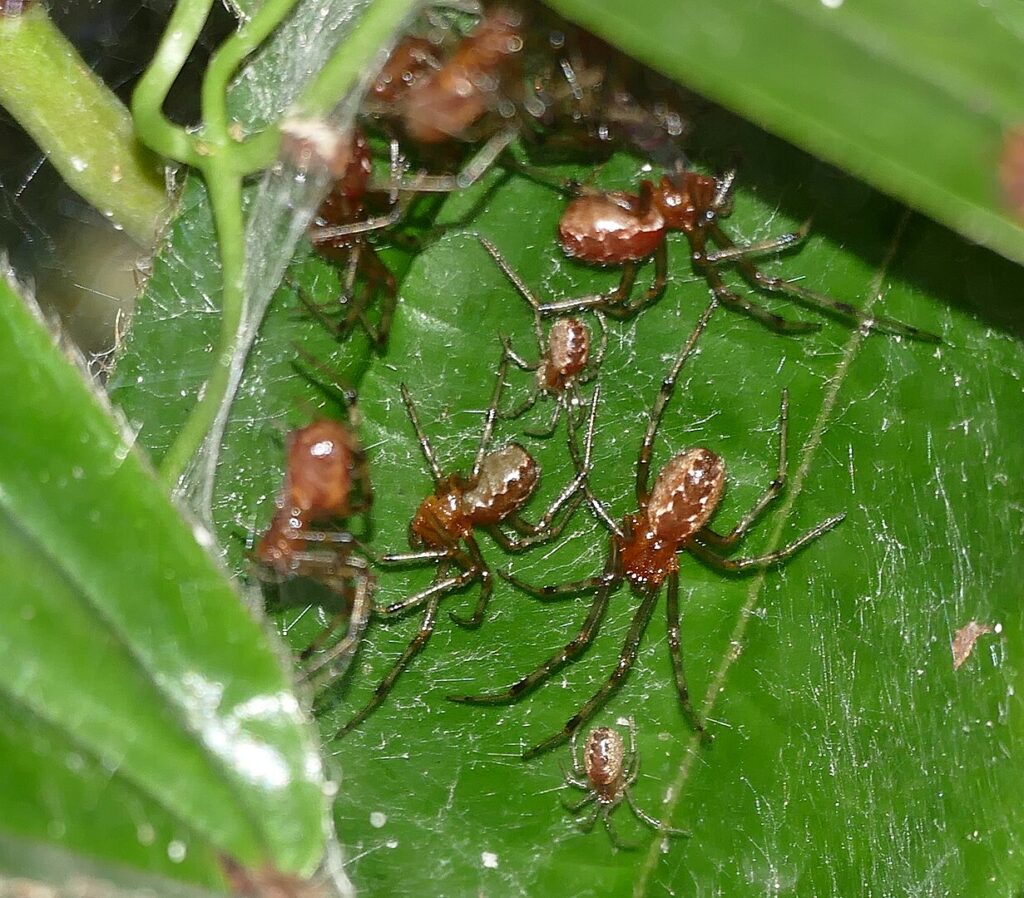
In most species, spiders are territorial — even cannibalistic. But in this colony, cooperation replaces aggression. Scientists observed intricate communication through vibrations in the silk, allowing the spiders to coordinate movements and share resources efficiently. They hunt together, divide food, and even care for egg sacs collectively.
This level of social coordination blurs the line between instinct and intelligence. The colony operates almost like a single organism — thousands of individuals acting in perfect harmony. It challenges traditional ideas about how simple brains function and suggests that cooperation, not isolation, can sometimes be the ultimate survival strategy.
6. The web’s engineering is unmatched in nature.

The silk strands forming the super-web are layered and reinforced in a way that distributes tension evenly, preventing collapse even in strong winds or heavy rain. Researchers described its structure as “organic scaffolding,” capable of self-repair when damaged. It’s one of the most advanced examples of natural engineering ever observed.
Each section serves a purpose — some designed for catching prey, others for shelter or egg storage. The precision rivals architectural design. What makes it extraordinary is that no single spider plans the structure; it emerges naturally through countless small actions guided by instinct and cooperation. It’s evolution’s version of collective genius.
7. The discovery could change how we view intelligence.
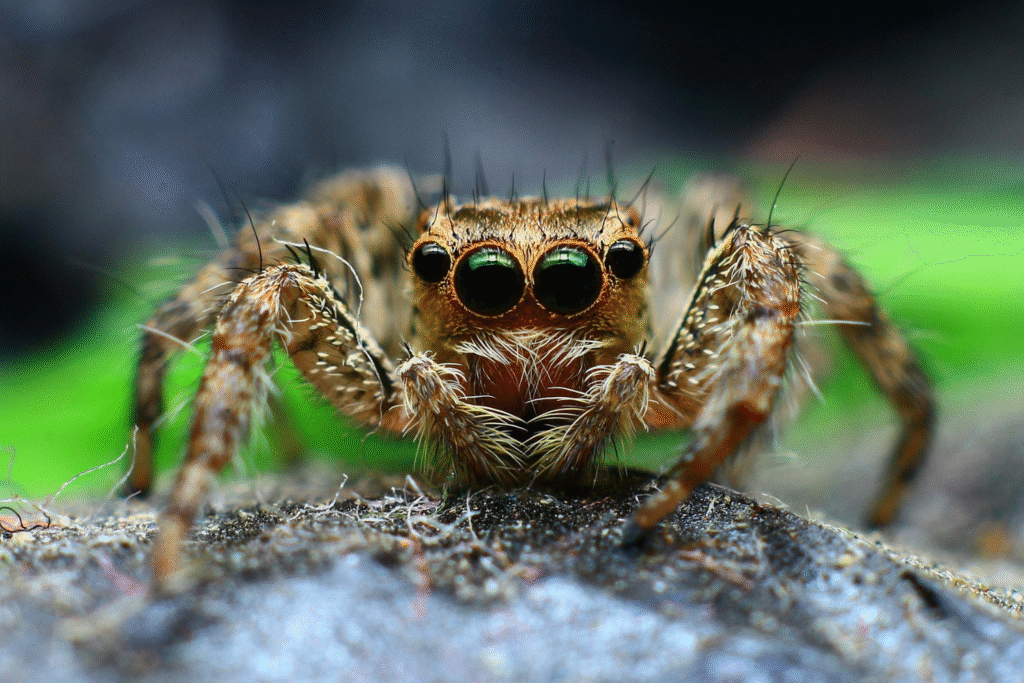
This super-web forces scientists to reconsider what it means to be intelligent or social in the animal kingdom. A single spider is simple, but 111,000 working together can achieve something no one could build alone. Their success suggests that intelligence might not always come from individual complexity — but from collective behavior.
The implications go beyond biology. The same principles shaping this spider colony — communication, cooperation, and adaptation — echo throughout ecosystems and even human societies. The Madagascar web isn’t just a marvel of nature; it’s a reflection of how collaboration, even among the smallest of beings, can produce something awe-inspiring and almost unimaginable.