
TSA’s face recognition rollout is raising more questions than answers.

Airport security has always been an uneasy trade between convenience and privacy, but TSA’s new face scan technology may be tilting that balance further than travelers realize. The system is quietly expanding to hundreds of airports, scanning faces as passengers hand over their IDs — often without clear consent.
Officials promise faster lines and improved accuracy, yet privacy advocates warn that the risks of storing millions of facial templates could far outweigh the convenience.
1. Your data may be stored longer than you think.

TSA claims the scans are deleted immediately after verification, but watchdog groups have found discrepancies between policy and practice. Once an image enters a federal database, it can easily be shared with other agencies or stored for “testing” purposes. Travelers rarely know what happens next, and the lack of transparency leaves room for abuse.
The idea that your biometric data could linger in multiple databases is unnerving. It’s not just about airports — those images could eventually feed into law enforcement or surveillance networks. In a world where data breaches happen daily, trusting that your face won’t resurface somewhere unintended requires more faith than many passengers are willing to give.
2. The technology isn’t as accurate as advertised.
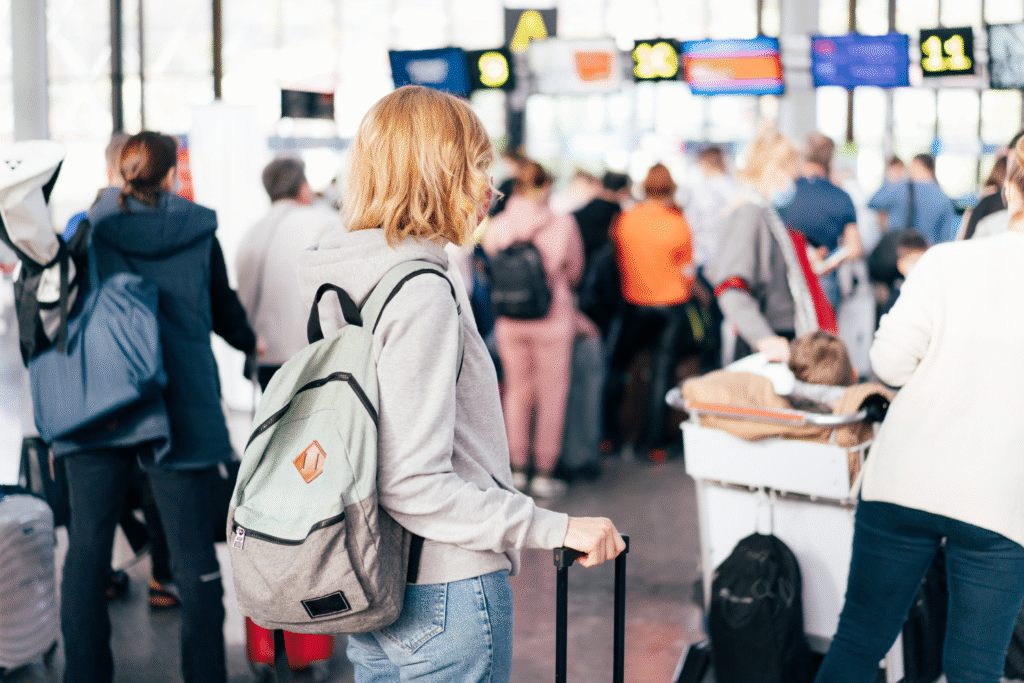
While TSA insists its facial recognition algorithms outperform humans, independent studies show uneven accuracy, especially for women, older adults, and people of color. Small errors can have big consequences, such as delays, secondary screenings, or even missed flights. These mistakes aren’t just inconvenient — they’re demoralizing and expose biases built into the systems themselves.
When government security relies on flawed technology, innocent travelers shoulder the burden. Facial recognition may seem futuristic, but its uneven accuracy reveals just how human the technology still is. Until the systems are foolproof, passengers become involuntary test subjects in an experiment that hasn’t earned the public’s full trust.
3. Opting out isn’t as simple as it sounds.

TSA insists participation is voluntary, but in practice, travelers often feel pressured to comply. Agents rarely explain the opt-out process clearly, and declining a face scan can mean longer waits or additional questioning. For many, that creates a subtle coercion — a sense that saying “no” will make you stand out in the worst way.
True consent requires choice without penalty, and that’s missing here. If the average traveler can’t easily decline without hassle, the system isn’t truly optional. What’s being framed as convenience may, in reality, be conditioning passengers to surrender privacy under the guise of efficiency.
4. Hackers view biometric data as gold.
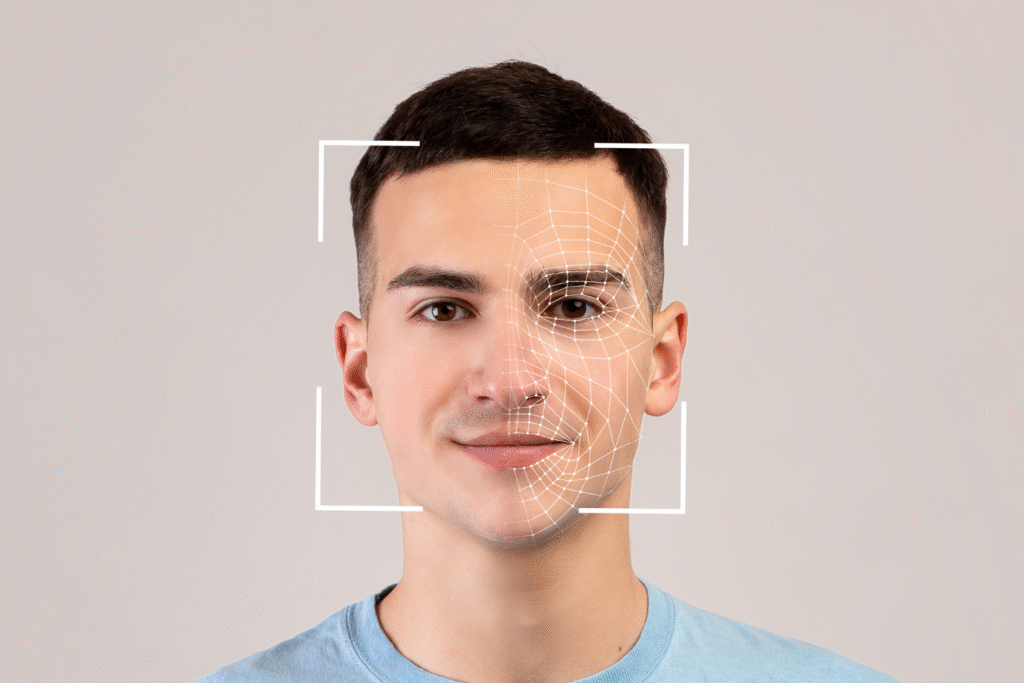
Passwords can be changed, but your face cannot. That makes biometric data an incredibly valuable target for cybercriminals. Even if TSA’s databases are secure, the vast network of vendors and contractors involved in processing this data widens the attack surface. A single weak link could expose millions of identities in one breach.
Data theft isn’t hypothetical — governments and corporations have repeatedly failed to protect sensitive information. Once your facial template is stolen, there’s no way to revoke it. For travelers, that’s the hidden cost of convenience: permanent vulnerability attached to something you can’t replace.
5. Mission creep could take this far beyond airports.
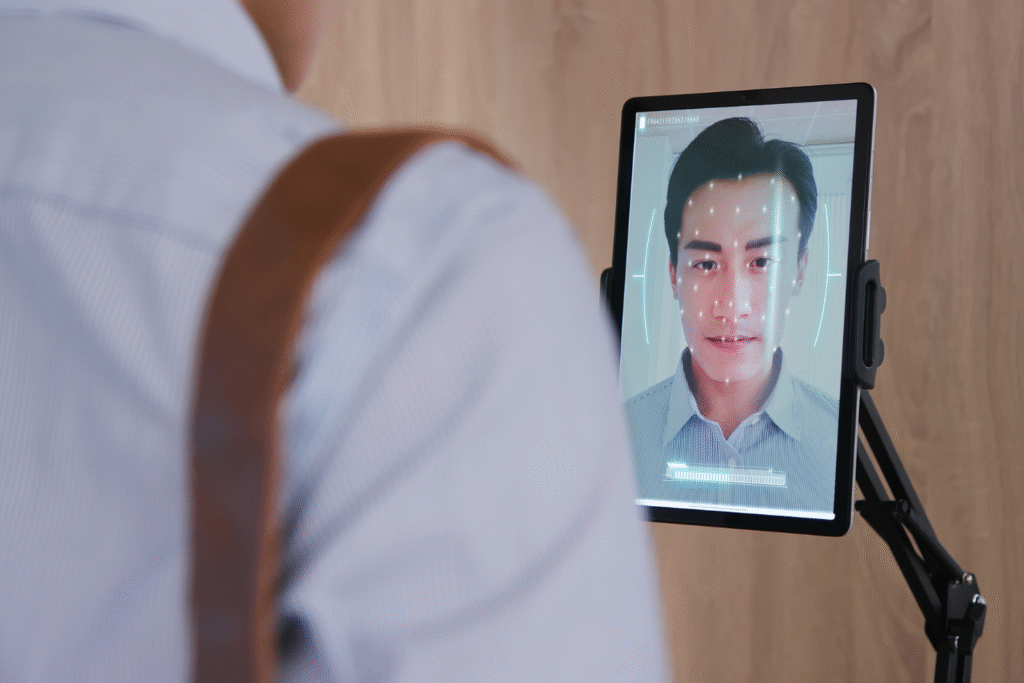
Facial recognition rarely stays confined to its original purpose. What begins as a security measure at airports could easily expand to train stations, concerts, or public spaces. Government agencies already share data for “national security,” and once these systems are established, they rarely shrink in scope.
This mission creep isn’t paranoia — it’s a pattern. The normalization of surveillance blurs the boundary between safety and intrusion. When everyday travel turns into a data collection exercise, it’s worth asking where the line will be drawn — and who will have the power to cross it.
6. Foreign governments may gain access.

International data-sharing agreements mean your facial data could end up in foreign hands without your explicit consent. The U.S. already exchanges passenger information with allied nations, and expanding face scan programs could easily extend that access. The idea of your biometric signature sitting in overseas databases should give anyone pause.
Even if partners are trustworthy today, that doesn’t guarantee future security. Shifting alliances or cyber vulnerabilities could put your data at risk. The moment your face becomes part of a global identification network, control slips further from your hands — and that’s a privacy cost no traveler should ignore.
7. The illusion of safety hides deeper trade-offs.
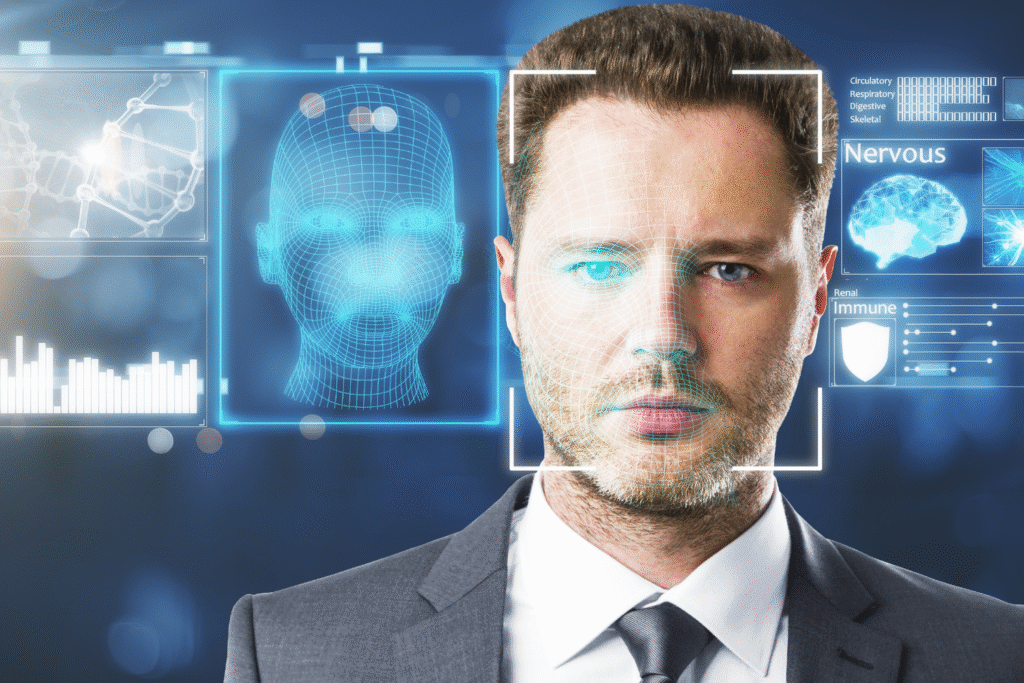
Supporters argue that facial recognition improves security, but there’s little evidence it stops real threats. Most airport delays and errors stem from human bottlenecks, not a lack of identification tools. The push for technology often seems more about optics — appearing advanced — than about measurable results.
The danger lies in complacency. As passengers accept scanning as routine, scrutiny fades. What’s lost isn’t just privacy but the expectation of accountability. Convenience is seductive, but it rarely comes free — and in this case, the price might be something far more personal than travelers ever imagined.