
Layoffs are piling up across industries, and the pattern is getting hard to ignore.

As 2025 unfolds, a wave of major layoffs is shaking confidence in the job market. Tech giants, retail chains, and even finance firms are cutting staff, signaling that something deeper might be brewing behind the headlines. While some companies blame restructuring, others are quietly admitting to slowing demand.
Each round of cuts feels like a symptom of a larger shift — one that could reshape how Americans work, spend, and plan for the future.
1. Google trims more than just fat.
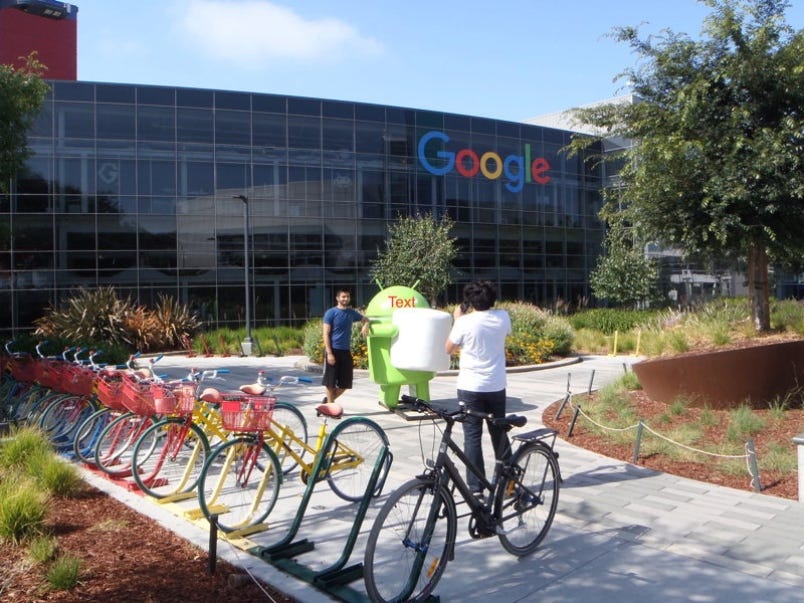
Alphabet’s latest layoffs cut deep into its advertising and AI teams — not just redundant roles. The company has long prided itself on innovation, but now, it’s trimming departments once thought untouchable. Executives framed the cuts as a “restructuring toward efficiency,” yet insiders hint that leadership is nervous about inflated costs and fierce AI competition.
For a company sitting on billions in cash reserves, these layoffs suggest something larger than internal belt-tightening. Google’s move could mark a shift toward a leaner, more cautious tech era, where even giants aren’t safe from market corrections. The company that once symbolized job security in Silicon Valley is quietly redefining what stability looks like.
2. Amazon’s cost-cutting extends beyond warehouses.

Amazon’s latest job reductions hit its Alexa and Prime Video divisions, proving the layoffs aren’t limited to blue-collar fulfillment workers. The e-commerce giant is pulling back on experimental projects and scaling down unprofitable segments. That’s a notable change for a company known for endless expansion and innovation-at-all-costs thinking.
These layoffs point to a maturing business model — one that prioritizes profit margins over big, risky bets. It’s an unsettling sign that Amazon is entering a phase of self-restraint. For workers, it’s a reminder that even “dream companies” are feeling pressure to do more with less, and the age of tech-fueled job security may be ending.
3. Citigroup’s shake-up hints at Wall Street fatigue.

Citigroup’s announcement to cut thousands of jobs across global operations came under the banner of “restructuring,” but it reads more like retrenchment. The bank has struggled to keep pace with rivals that embraced automation and digital-first strategies years ago. These cuts reflect a desire to streamline, but they also signal growing caution across the financial sector.
After years of expansion, Wall Street appears to be bracing for slower economic growth and rising loan defaults. Citi’s decision isn’t just about efficiency — it’s about survival in a more volatile, data-driven world. When even the titans of finance start pruning aggressively, it often foreshadows a more conservative cycle ahead.
4. Tesla trims its workforce as demand cools.

Tesla’s layoffs this year affected both factory workers and corporate teams, marking one of its largest reductions to date. While Elon Musk has cited efficiency improvements, analysts see a different story: cooling EV demand and increasing global competition. Tesla’s once unshakeable dominance is being tested by cheaper, faster-moving rivals in China and Europe.
These cuts underline a turning point in the electric vehicle market. Growth is slowing, and production is outpacing sales. Tesla’s move may be pragmatic, but it’s also symbolic — proof that even the poster child of disruption isn’t immune to the pressures of saturation and shifting consumer confidence.
5. Macy’s downsizing reveals retail’s identity crisis.

Macy’s decision to close stores and lay off thousands of workers feels like déjà vu for the retail industry. The company has been struggling to reinvent itself in an era of e-commerce dominance and changing shopper habits. Management insists the layoffs will help fund new growth initiatives, but the trend looks more like a retreat than a transformation.
Retail has been in flux for years, but Macy’s latest cuts highlight the widening gap between legacy brands and modern consumer behavior. As shoppers shift online and inflation keeps tightening wallets, the old department store model is collapsing under its own weight. These layoffs could be the final act for traditional retail’s middle class.
6. Disney’s job cuts spotlight the streaming slump.

Disney’s layoffs across ESPN, ABC, and its streaming units reveal deep cracks in the entertainment powerhouse’s once-unstoppable model. After years of expansion into streaming, costs ballooned while subscriber growth slowed. The company’s decision to trim its workforce shows it’s struggling to balance creativity with profitability in a saturated market.
The entertainment industry is facing a harsh reality: content abundance doesn’t equal sustained revenue. Disney’s move mirrors what’s happening across Hollywood — a reckoning with the economics of streaming and the end of unlimited growth. For many, it’s a sobering sign that the media boom of the past decade has hit its ceiling.
7. UPS signals that logistics isn’t bulletproof.

UPS recently announced thousands of job cuts following weaker shipping volumes and rising automation. The company’s leadership blamed “efficiency improvements,” but behind that phrasing lies a troubling truth: global trade is slowing, and e-commerce growth is stabilizing. After years of nonstop expansion, even logistics giants are recalibrating.
These layoffs reflect broader shifts in global commerce — consumers are spending less, supply chains are stabilizing, and businesses are rethinking scale. UPS’s downsizing isn’t just about cost control; it’s a clear sign that the boom times for delivery and fulfillment may be tapering off, echoing a broader cooling across industries once thought immune.