
Several major US cities are seeing Black residents relocate due to complex social and economic reasons.

Black Americans are leaving some well-known cities across the United States, driven by a variety of factors that go beyond simple assumptions. Economic challenges, housing costs, quality of life, safety concerns, and educational opportunities all play a part in these shifting population patterns. Understanding these trends requires examining how local industries, urban development, and community resources affect residents’ decisions to move in search of better prospects and stability.
1. Detroit, Michigan is seeing population shifts due to economic changes.
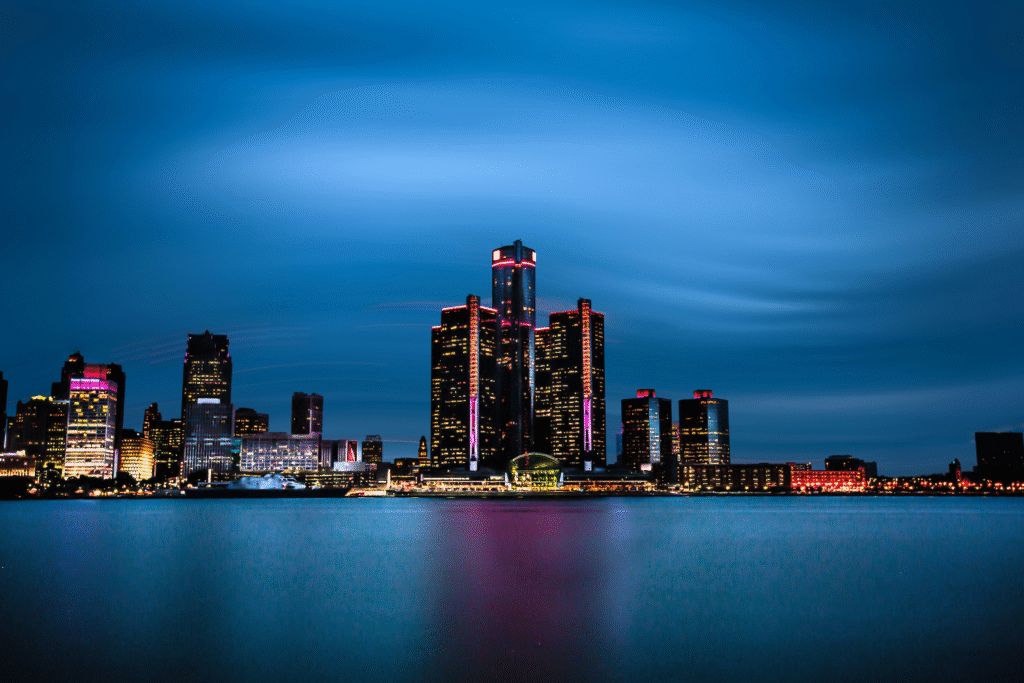
Detroit’s landscape has been shaped by automotive industries, but dwindling job opportunities have spurred migration patterns. Economic shifts have led many Black residents to seek stable employment elsewhere, triggering demographic changes and altering community dynamics. The city’s industrial past created a resilient but challenged foundation.
While employment remains a critical driver, housing costs also impact decisions. The rising cost of living, combined with limited local resources, prompts some to move where prospects appear more promising. As industries evolve, so too do the communities once tightly woven from the threads of factory life.
2. Chicago, Illinois experiences demographic changes influenced by housing challenges.

Chicago faces demographic transformations as housing becomes more burdensome. Black residents encounter mounting challenges in securing affordable housing, leading to relocation. The city’s architectural skyline reflects its past prosperity but can’t mask present struggles related to housing equity.
Relocations aren’t merely about housing; they encompass access to community services. Opportunities for education and employment motivate moves, often overshadowing the city’s allure. Neighborhood vitality fluctuates with these shifts, echoing the increasingly complex interplay of urban life and economic necessity.
3. Baltimore, Maryland shows population movement related to employment opportunities.
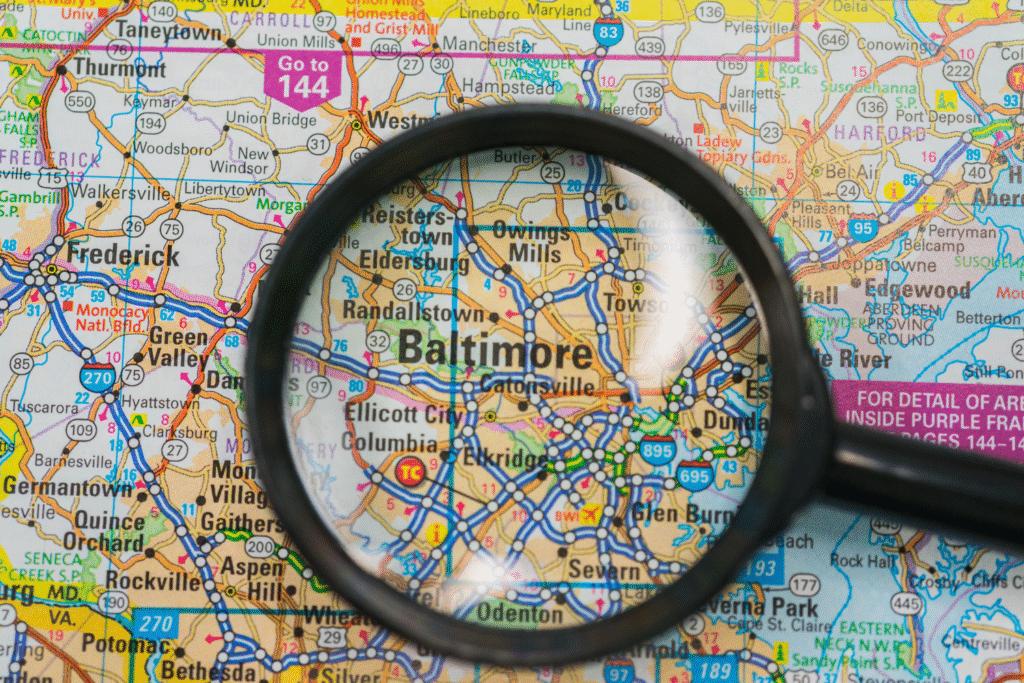
Baltimore battles employment challenges, enticing residents to seek new growth avenues. Once a bustling port city, its current economic environment lacks ample opportunities for Black residents, prompting some to leave for better prospects. The city’s recognizable rowhouses stand amid evolving social landscapes.
Beyond job markets, educational resources and public safety influence migration. Residents weigh their future, often prioritizing environments where children can thrive securely. Baltimore’s historic charm meets contemporary trials as families contemplate pathways to stability and advancement elsewhere.
4. Philadelphia, Pennsylvania faces migration trends driven by urban development.
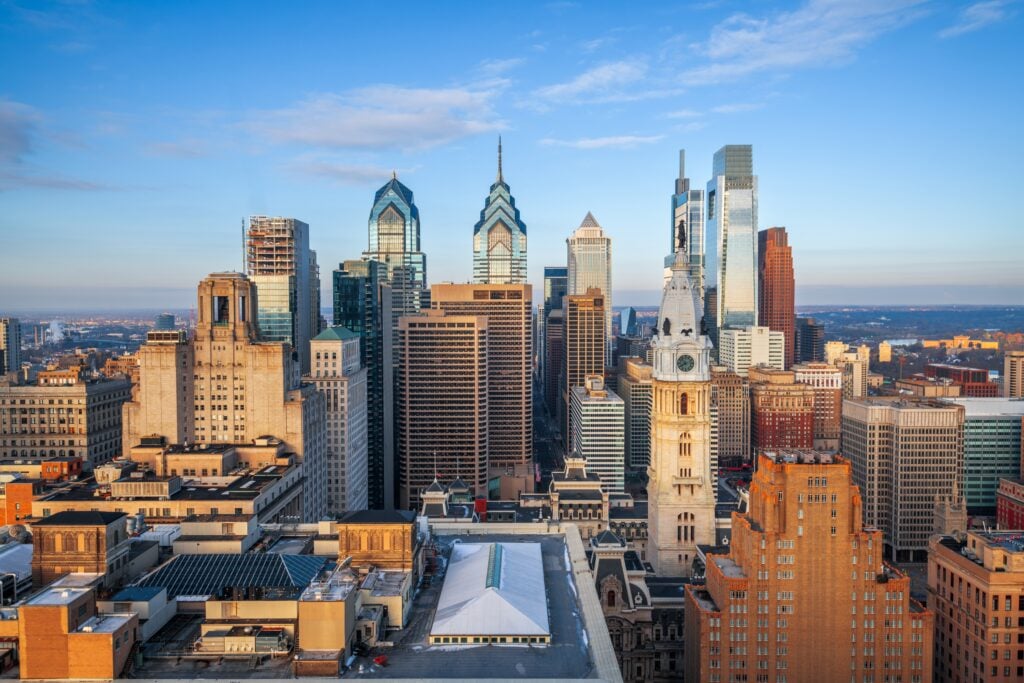
Philadelphia shows signs of transition as urban development sways residency decisions. For Black communities, these changes can mean feeling displaced by new projects that reshape neighborhoods. Charming cobblestone streets lead to questions about sustainable inclusion.
Still, development signals potential resurgence, coaxing optimism alongside apprehension. The city’s evolution calls for balancing growth with preserving cultural identity. Navigating these changes means assessing if revitalized areas offer improved life quality or if relocation elsewhere proves more advantageous.
5. Cleveland, Ohio sees residents relocating amid shifts in local industries.

Cleveland endures shifts as industry landscapes transform, influencing Black residents to reassess their futures. Historical steel and manufacturing roots no longer provide the same stability, urging relocation. By the lake, city life presents new challenges and opportunities.
In understanding these movements, economic vitality intertwines with living costs. Resource accessibility often dictates choices as families migrate in search of viable options. Painters and musicians echo the city’s cultural renaissance even as demographic compositions shift like rolling waves on the shoreline.
6. St. Louis, Missouri experiences outflow connected to education and safety concerns.

St. Louis witnesses adjustments influenced by education and safety priorities. Black families weigh the quality of schooling and neighborhood safety, leading to relocation for improved conditions. The iconic Gateway Arch frames these changes in the river city.
Educational access often drives such migration, compelling many to examine potential outcomes for future generations. Safer environments and adequate schooling highlight contrasting urban experiences, prompting decisions crucial to fostering growth and wellbeing beyond familiar streets. The quest for secure environments plays a pivotal role in shaping community landscapes.
7. Memphis, Tennessee notices changes influenced by city infrastructure and amenities.

Memphis observes demographic shifts tied to city infrastructure and amenities. Historic roots and musical legacies draw crowds, yet realities of transportation and public services impact resident decisions. Beale Street’s blues echo alongside these urban transformations.
Infrastructure pressures resonate strongly within neighborhoods, affecting residents’ choices to stay or relocate. When amenities lag, they underscore disparities, prompting families to explore alternative living. Striving for accessible conditions, Black residents seek environments conducive to wellness and opportunity.
8. New Orleans, Louisiana observes migration patterns tied to environmental and economic factors.
New Orleans reveals migration trends influenced by environmental and economic challenges. The city’s distinctive culture meets vulnerabilities like flooding and economic disparity. Creole cottages and jazz rhythms intertwine with evolving relocation patterns.
Beyond the vibrant facade lies systemic impacts on daily life decisions. Families seek stability against natural disasters, economic unpredictability, and limited resources. Relocations reflect the balance between embracing heritage and pursuing productive futures. Historic allure meets modern complexities as residents navigate paths toward renewed security.