
Airline disruptions are accelerating just as holiday travel peaks for 2025.
The Federal Aviation Administration (FAA) has announced significant reductions in flight capacity amid ongoing federal shutdown conditions, and major U.S. airlines are bracing for it. With controllers working without pay and staffing deficits acutely affecting the system, the result is thousands of grounded or delayed flights ahead of the busiest travel season.
For travelers, this signals the need for extra caution: booking decisions, connection times and even the option to fly may require more flexibility—and quicker response—than ever before.
1. The FAA will slash traffic by 10% at busy airports to ease strain.

As the government shutdown enters its third week, the FAA has directed a 10 % reduction in air traffic at roughly 40 major U.S. airports. The measure is intended to ease operational stress caused by air-traffic-controller fatigue and unfilled positions. Airlines and airports are preparing for the effects this weekend.
While the skies remain operational, the reduction changes the travel landscape quickly. Fewer flights means fewer alternatives for passengers when disruptions hit, which raises the cost of delay and cancellation significantly during the holiday travel surge.
2. Staffing shortages—3,500 controllers short—are driving major delays.
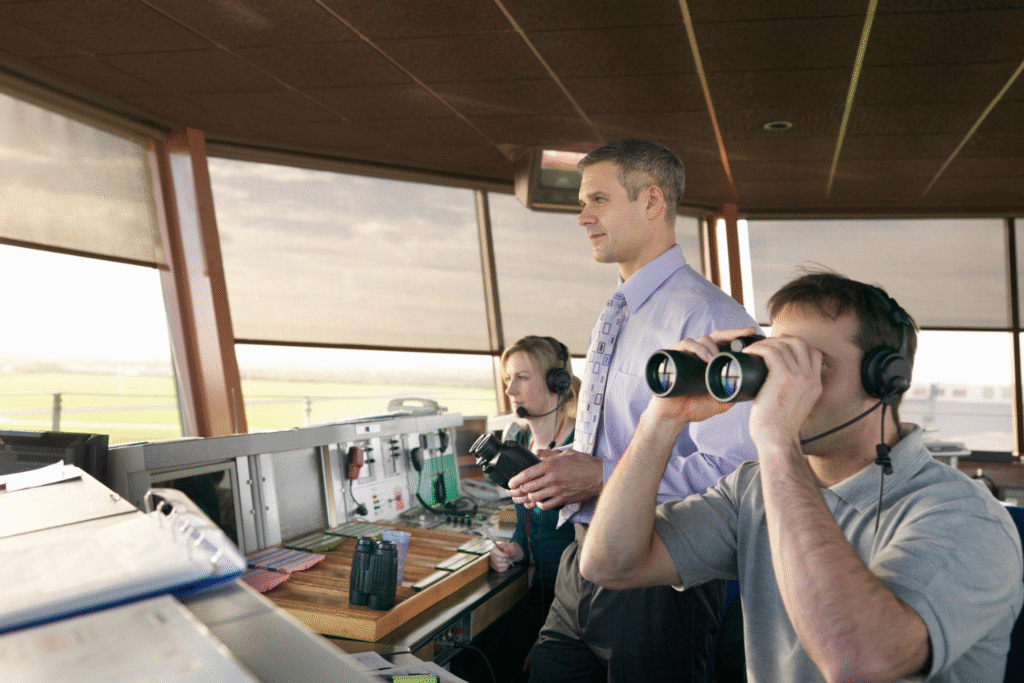
The FAA reports it is approximately 3,500 air-traffic controllers short of staffing targets, conditions worsened by unpaid work due to the shutdown. In recent days, reports show 5,000+ flights delayed in a single day, with multiple major hubs affected. Controller stress and absenteeism are cited as primary causes for the backlog.
Timely travel now depends increasingly on system redundancy. With fewer controllers available, airports are less able to absorb delays caused by weather, mechanicals or connection churn. That makes planning buffer time and flexibility essential.
3. Flight delays of over 4,000 per day have already been recorded.

Recent tracking shows more than 4,000 flights were delayed in a single day across the U.S., reflecting a surge tied to staffing ripple effects within the air-traffic control network. Major hubs like Newark, Phoenix and Dallas report the largest impacts. The pause in government funding is cited as a key factor.
For passengers, this means risk exposure increases sharply as you near your departure time. Connections become more fragile, cut-off windows narrower, and backup flights fewer. The knock-on effect of the log-jam may dominate your itinerary as much as the original flight itself.
4. The holiday peak amplifies the disruption risk for mass travel.

With Thanksgiving and winter holiday travel looming, the timing of the staffing crisis creates a perfect storm. Airports and airlines now face elevated demand just as operational capacity tightens. Pressure on lead times, baggage systems and gate access is high while staffing gaps reduce buffer room.
If your destinations or flights are non-traditional (mid-week, smaller airports, less-served routes), you may face limited rebooking options when delays hit. Flexibility becomes a premium, not a bonus.
5. Airlines warn that fewer slots translate into fewer re-booking options.

Reduced throughput means airlines will have less ability to absorb disrupted flights or reposition passengers. With fewer alternative flights on busy routes, a missed connection or cancellation becomes harder to fix swiftly. Some carriers are already offering incentives for voluntary re-routing.
That puts pressure on passengers to build contingency plans: longer layovers, earlier departures, and backup travel days. The risk premium for travel has shifted.
6. Airport security back-ups and remote towers add strain to hubs.

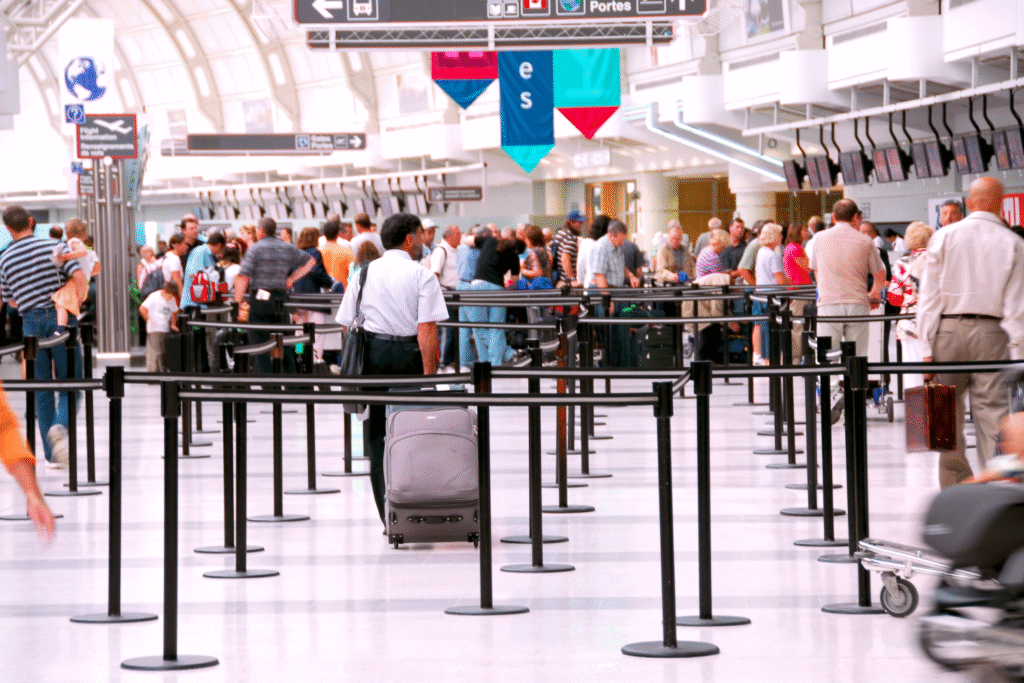
Beyond flights in the air, staffing gaps are affecting TSA and airport operations. Some checkpoints are limiting lanes or diverting tasks due to worker fatigue or secondary job pressures. Remote control towers and smaller facilities are particularly vulnerable, increasing routing delays and airport logistics bottlenecks.
Passengers should anticipate extra time at the terminal. Arrive early, travel light, and monitor your airport’s real-time advisories. The earlier you build in margin, the less likely this disruption affects your experience.
7. Travelers should expect elevated costs due to scarcity and risk.

Less capacity plus steady demand equals potential fare hikes, seat scarcity and higher fees for flexibility. Even if your flight departs on time, ancillary costs—hotel stays after delays, longer rentals, missed meetings—are rising. Analysts estimate the shutdown will cost the travel industry billions and ripple into pricing for consumers.
Budgeting for travel this year means factoring in delay risk, cancellation risk and the possibility of paying more for alternative routings. Travel insurance and flexible tickets may not just be luxuries—they could be necessities.
8. Booking strategies must shift for resilience, not just price.
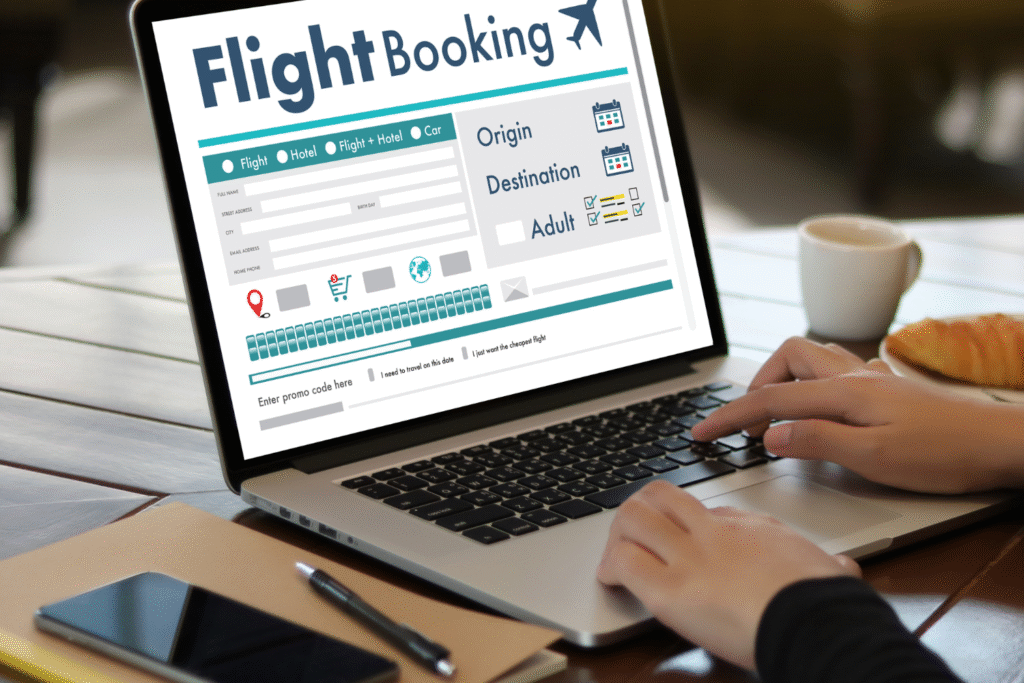
If you are booking a flight now, prioritize direct routes, larger carriers and earlier departures in the day. Avoid tight connections when possible and have one “plan B” ready. Airlines may waive change fees, but capacity to re-assign passengers will be thinner. A proactive approach beats reactive frustration.
In normal times you might trade schedule for savings; right now you may want to trade for reliability. Building in extra margin today can save major headaches at check-in, on the tarmac or at your destination.
9. If the shutdown drags on, even more severe reductions could follow.
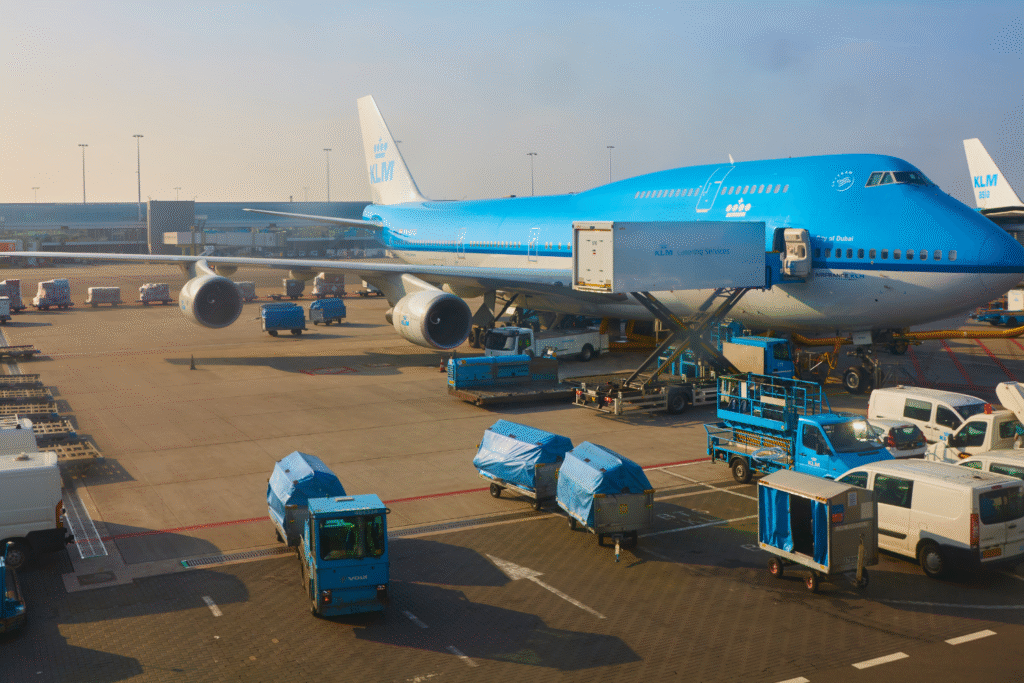
Industry insiders warn that if funding remains stalled, reduction in airline capacity could exceed 10 %. In the past, prolonged closures forced ground stops and national routing constraints. Analysts say the longer staffing shortfalls persist, the longer recovery will be for airports, airlines and travelers.
That means this isn’t a “one-week problem”—it’s a systemic pressure that could tilt the holiday travel season into persistent disruption. Watching developments is prudent if your travel depends on a narrow window.
10. Your checklist: confirming flights, prepping for delays and staying agile.

Double-check your flight status daily, arrive at airports earlier than usual and sign up for real-time alerts. Choose routes with buffers, carry essentials in your carry-on and consider flexible or refundable tickets when possible. Keep a backup plan for parking, rides, lodging—and make sure your travel companions know the contingency.
You can’t eliminate risk, but you can manage it. With the FAA triggering operational cuts before the festive peak, smart preparation may make the difference between a smooth journey and a travel nightmare.