
Exploring environmental and biological factors contributing to tree decline near cell towers.
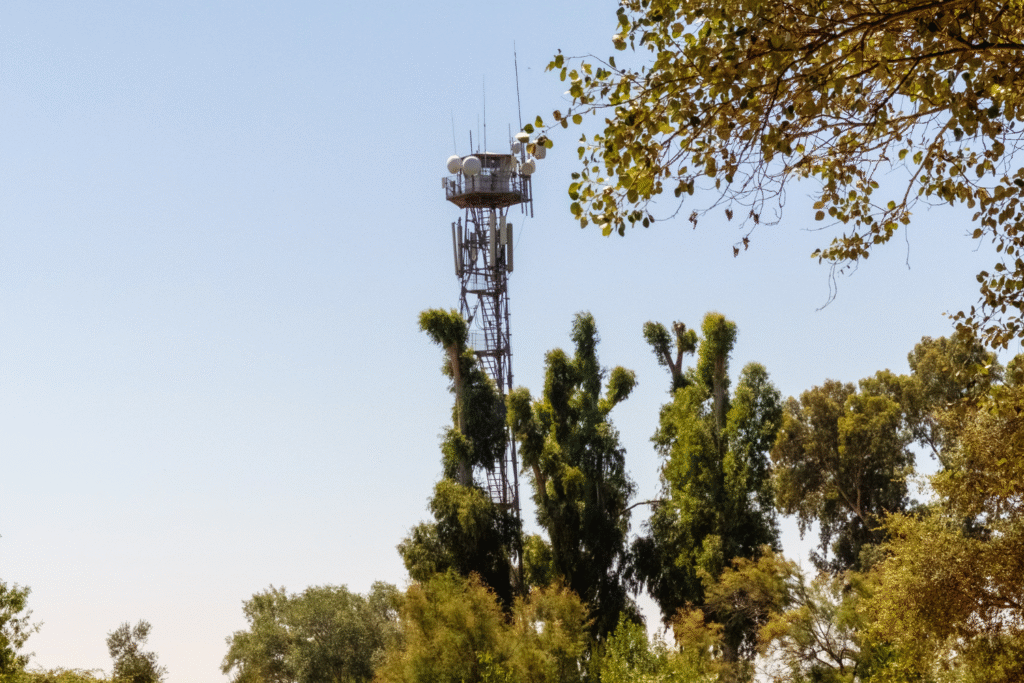
Trees located near cell towers often show signs of decline due to a combination of factors rather than a single cause. Research from the USDA Forest Service and other expert organizations highlights the complex interplay between electromagnetic radiation, soil conditions, water availability, and maintenance activities. Understanding these influences helps clarify why tree health deteriorates in these areas and emphasizes the importance of comprehensive environmental assessment rather than attributing damage solely to radiation exposure.
1. Prolonged exposure to electromagnetic radiation may disrupt tree growth patterns.

Prolonged exposure to electromagnetic radiation may disrupt the growth patterns of trees. Electromagnetic fields, a byproduct of cell tower operations, can affect cellular processes critical for plant development. Changes in tree growth rings and foliar discoloration have been observed in proximity to these towers.
While radiation’s impact on plant health is debated, evidence suggests some adverse effects. In an environment where multiple factors influence tree health, electromagnetic radiation might play a role, but it is one piece of a broader puzzle encompassing soil and air quality, and other environmental stressors.
2. Soil compaction around towers can reduce root oxygen and nutrient intake.
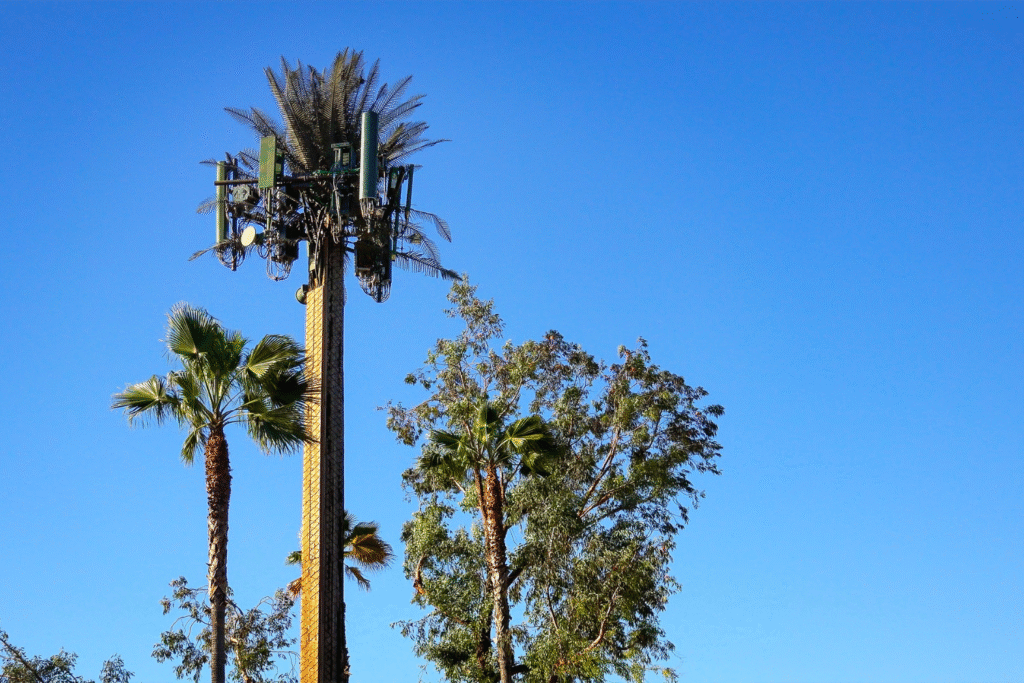
Soil compaction around cell towers often results from construction activities and ongoing maintenance work. It limits the soil’s ability to transport oxygen and nutrients effectively to the deeper roots, impacting overall tree vitality. Compacted soil feels hard underfoot and appears crusted on the surface.
With reduced oxygen and nutrient intake, trees may show symptoms like stunted growth or leaf chlorosis. The problem isn’t limited to just tower sites; park pathways and urban developments face similar challenges, highlighting the delicate balance required to maintain healthy landscapes in built environments.
3. Chemical exposure from tower maintenance might negatively affect nearby vegetation.
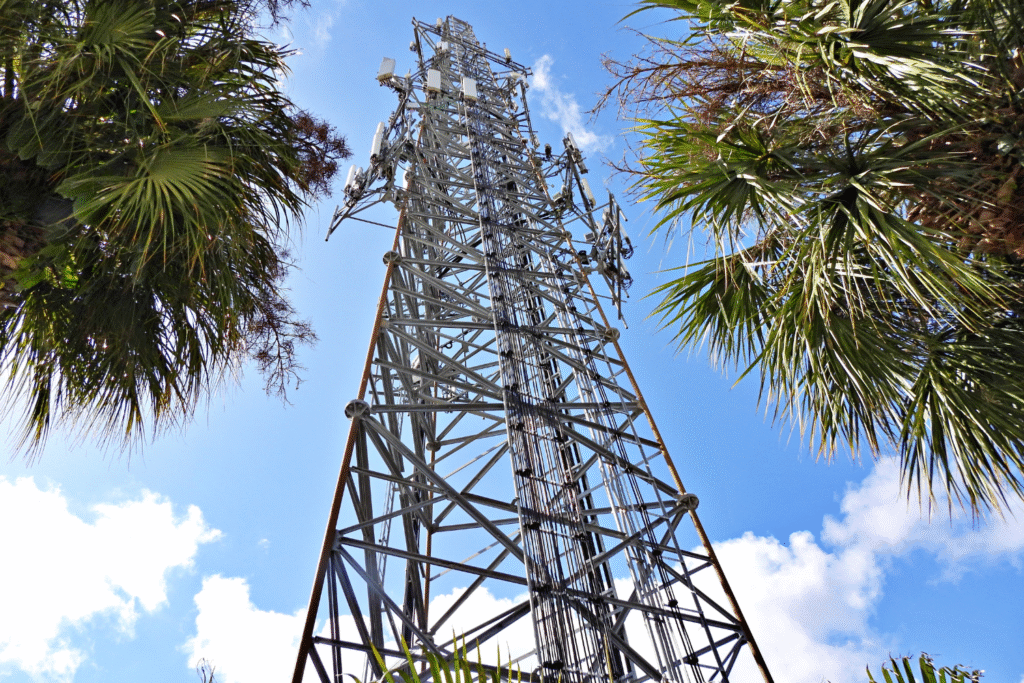
Chemical exposure from tower maintenance could harm nearby vegetation. Herbicides and other chemicals used for maintenance can leach into the soil, affecting root systems and plant health. Evidence shows tipping or wilting of foliage nearest to treated areas.
These chemicals might enter groundwater or accumulate in plant tissues over time, presenting a toxic scenario for surrounding flora. The impact of chemicals on ecosystems extends beyond immediate promise, emphasizing the importance of evaluating maintenance practices in urban forests.
4. Heat generated by electronic equipment could increase local temperatures around trees.

The heat generated by electronic equipment housed within cell towers could slightly increase local temperatures around nearby trees. Even a minor rise in temperature can create stress for plants, especially those adapted to specific climate conditions. Noticeable changes might include accelerated leaf drop or premature flowering.
Trees grow based on established temperature cues, and altered conditions may disrupt these signs. Consider the heat emitted by other urban infrastructures, like air conditioners or vehicles, creating microclimates that trees must adapt to alongside such hotspots as cell towers.
5. Physical damage during tower installation may injure tree roots and trunks.

Physical damage during tower installation may injure tree roots and trunks. Excavation and heavy machinery activities in preparation for tower placement can inadvertently cut through or compact root systems. Physical signs include bark abrasions and damaged root surfaces.
Injury to roots hampers a tree’s ability to draw nutrients and water efficiently, potentially leading to decline or susceptibility to disease. Trees along construction sites require careful monitoring, as unseen root injuries can quietly undermine their stability and health over time.
6. Increased human activity near towers might lead to soil disturbance and damage.
Increased human activity near cell towers can lead to unintended disturbances of the soil. Frequent foot traffic, equipment movement, and routine visits for maintenance compact the ground, making it harder for roots to penetrate. Soil wearing thin or grass thinning might occur in these high-traffic zones.
The upheaval from nearby construction disrupts delicate soil structures, much like how heavy rain compacts the soil, impacting tree health. Constant human presence alters spaces intended for natural growth, requiring thoughtful planning and restoration efforts to sustain arborous life.
7. Changes in water drainage patterns due to tower construction may stress trees.

Changes in water drainage patterns due to tower construction may bring stress to nearby trees. Altered land contours can cause water to pool or divert from roots, starving them of essential hydration. Observations include unusual surface water or dried-out patches around tower sites.
Drastic changes in hydrology often force trees to adapt to new conditions quickly, which some species handle better than others. As water takes new paths, surrounding vegetation may compete for dwindling resources, resulting in varied outcomes for different trees standing shoulder to shoulder.
8. Radiofrequency waves could interfere with cellular processes essential to plant health.

Radiofrequency waves from cell towers might interfere with essential cellular processes in plants. While the full scope remains debated, it is suspected these waves affect photosynthesis by altering electron transport chains within chloroplasts. Subtle changes in leaf pigmentation may be observed.
Interference with such processes disrupts the energy production vital for growth and adaptation. The broader implications for plant communities suggest a domino effect across ecosystems, as every layer in the web, from microbes to large vegetation, contributes to overall health.
9. Lack of sunlight caused by tower structures might inhibit photosynthesis nearby.

Lack of sunlight caused by the shadow from tower structures may inhibit photosynthesis in nearby trees. Towers can cast large, wide shadows that block sunlight, critical for converting carbon dioxide into energy. Shading might lead to thin, spindly growth and weaker limbs.
With reduced light, a tree’s photosynthetic activity declines, stunting overall development. This outcome contrasts with park settings where unimpeded sunlight allows robust canopy and trunk growth. A thoughtfully designed landscape considers shadow impact to ensure trees receive adequate exposure.
10. Surrounding landscaping practices to maintain tower access might harm tree environments.
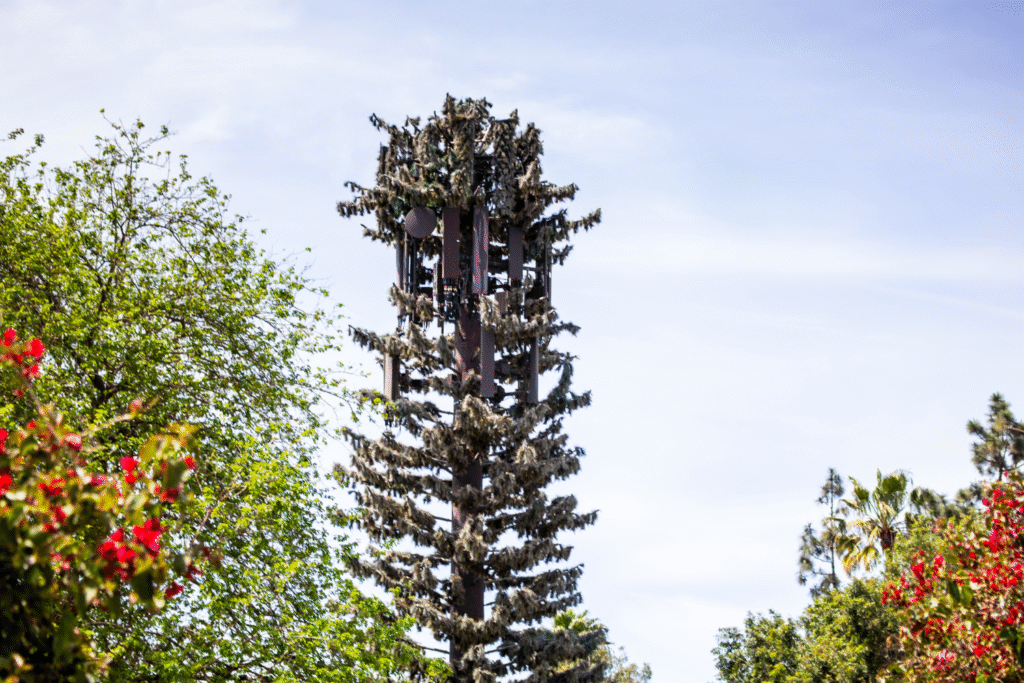
Surrounding landscaping practices to maintain tower access might inadvertently harm trees’ environments. The use of heavy equipment and clearing vegetation for ease of access can disturb the natural plant community. A barren patch near towers often marks such interventions.
While operational needs prompt these activities, disturbances alter ecosystems vital for both plants and the organisms interacting with them. Ecosystem balance depends on maintaining diverse flora, so disruptions have cascading effects on soil chemistry, moisture retention, and habitat spaces.
11. Pollutants generated by tower equipment could accumulate in the soil and foliage.

Pollutants generated by tower equipment could accumulate in nearby soil and foliage over time. Diesel engines or backup generators emit gases and particulate matter that settle on leaves or seep into the ground. Accumulations are sometimes visible as dark dust on surfaces.
Such pollutants pose long-term risks to plants and contribute to broader environmental concerns, such as air quality deterioration. While emissions from these sources are often less significant than vehicular pollution, examining their concentrated effects highlights localized environmental impacts accompanying tower sites.
12. Reduced soil microbial diversity near towers might disrupt nutrient cycling for trees.

Reduced soil microbial diversity near cell towers could disrupt essential nutrient cycling for trees. Construction and maintenance activities cause soil disturbances, leading to less diverse microbe populations. Symptoms may include slower leaf growth or reduced vitality in foliage.
Healthy soil relies on a complex network of organisms to break down organic matter into accessible nutrients. When diversity declines, nutrient cycling diminishes, impacting a tree’s growth and resistance against stress. This cycle is crucial in urban settings, where competing factors already challenge plant health.