
Classic toys, gadgets, and styles shaped childhood status symbols in the ’80s and ’90s.
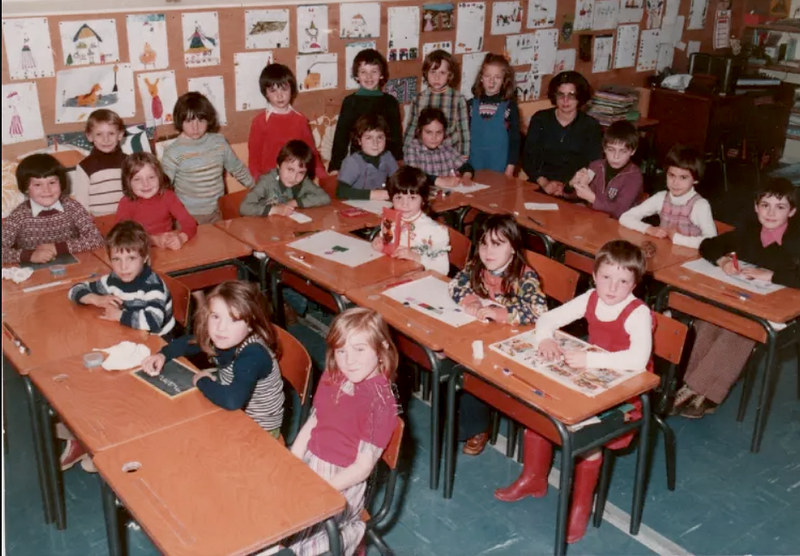
During the 1980s and 1990s, certain items and experiences became clear markers of wealth among children. From handheld gaming consoles to designer sneakers, these possessions conveyed a sense of status and privilege. They reflected not only family affluence but also access to the latest trends and technology. Understanding these symbols offers insight into childhood nostalgia and the ways kids perceived social standing through material culture.
1. Owning a Game Boy or other handheld gaming console.
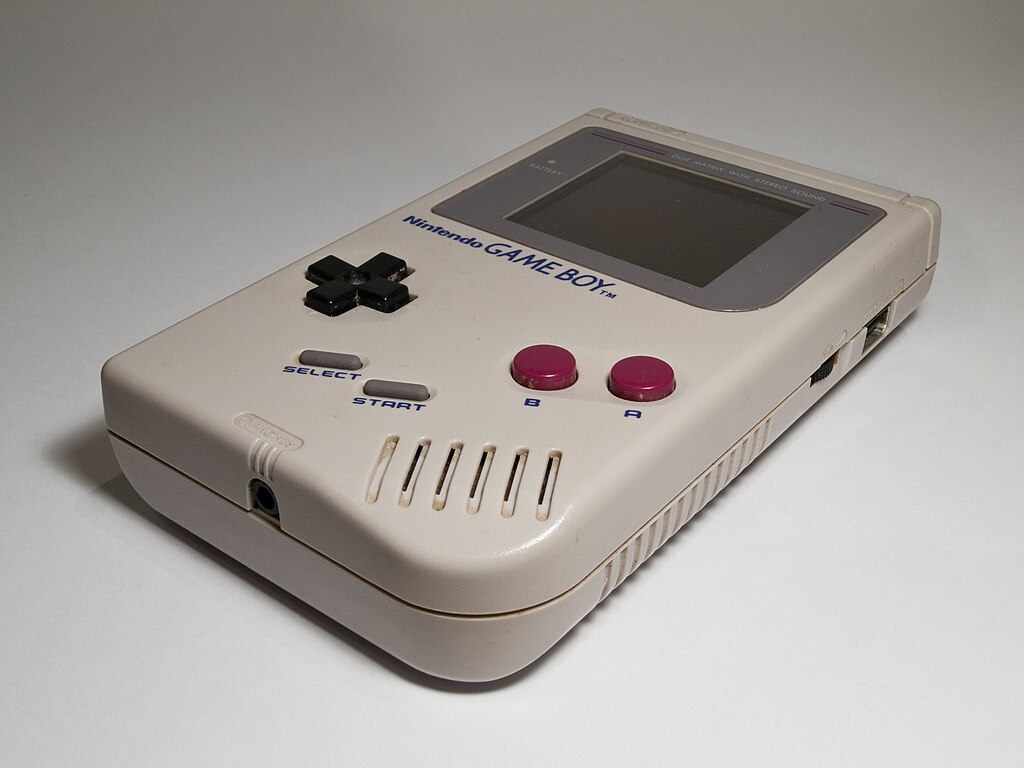
The arrival of handheld gaming consoles like the Game Boy marked a tech-savvy moment in childhood. Brightly lit screens and button-clad devices embodied gaming in the palm of your hand. For many kids, possessing these meant immediate status and a new form of entertainment.
Owning such a gadget was not just about gaming. It signaled an ability to keep up with trends and technology. Game Boys adorned in colorful cases created a vivid contrast to homebound video game systems, offering portability that screamed luxury to peers.
2. Having a collection of original Beanie Babies on display.

Beanie Babies surged in popularity during the 1990s, becoming more than just stuffed toys. Displaying original Beanie Babies meant a keen eye for collectible treasures. Their soft texture and heart-shaped tags were small badges of perceived wealth.
Although seemingly simple, these plush creatures carried perceived value due to limited availability and exclusive releases. Children boasting entire collections were whispered to possess hidden riches, as these coveted items transformed a bedroom shelf into a showcase of childhood opulence.
3. Wearing brand-name sneakers like Air Jordans or Reeboks.
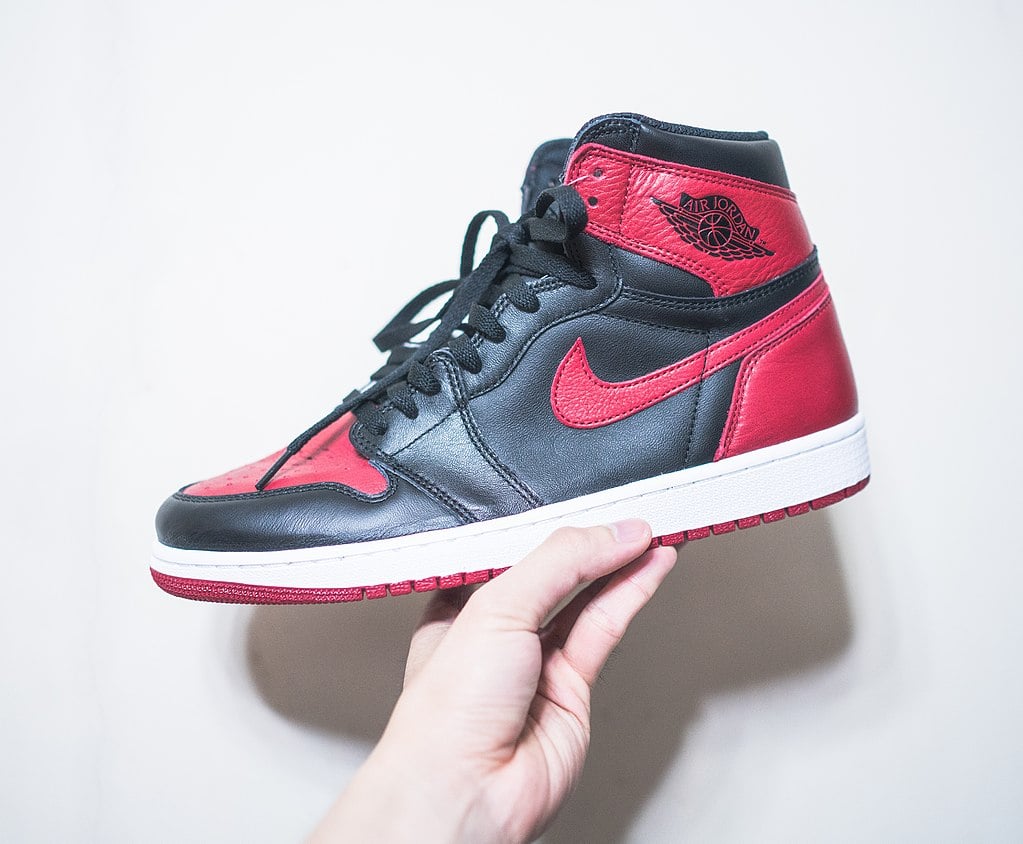
Brand-name sneakers like Air Jordans and Reeboks famously dominated the schoolyard style scene. Coveted for their sleek designs and iconic status, these shoes defined an era where footwear spoke volumes. Wearing them meant more than just physical comfort.
In the eyes of classmates, these sneakers represented elite membership among peers. Their high price tags translated into whispered conversations about family affluence, as premium footwear stepped beyond mere functionality into the realm of status indicators well-treaded and unmistakably visible.
4. Using a bulky pager or early flip phone model.

Pages and early flip phones symbolized cutting-edge communication access in the 1990s. The clunky design of pagers and the snap-shut nature of flip phones made them standout symbols of the budding mobile era. They buzzed into a child’s jacket pocket with authority.
For kids, owning these items moved beyond the utility of staying in touch. It highlighted an advanced connection to both peers and telecommunications. Peers often stereotyped users as having access to financial freedom, scheduling independence, and the latest technology pieces.
5. Riding a BMX bike with chrome parts and custom grips.
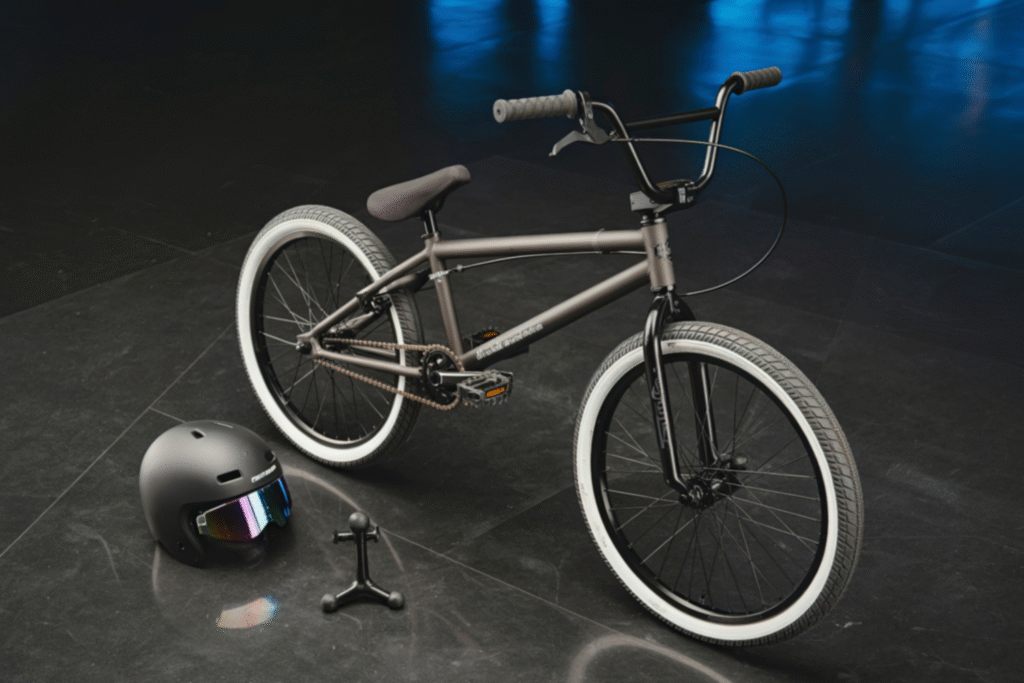
Riding a BMX bike with chrome parts and custom grips made for a cooler entrance in any neighborhood gathering. These bikes, with their sleek frame and shiny, intricate components, became a staple of adventure and style during childhood.
Those who navigated the streets on such bikes seemed to ride in a world of luxury. Upgraded parts and ergonomic handlebars transformed a simple bicycle into a finely tuned machine, and possessing such a bike infused envy and whispers of financial prowess among friends.
6. Collecting and trading limited edition action figures or dolls.

Limited edition action figures or dolls took the concept of toys beyond play to the realm of collectibles. These exquisitely crafted figures, often molded with intricate details, had value well beyond their material form.
For kids embracing these collections, securing a rare piece meant an investment in prestige. Trading or displaying them conveyed an understanding of rarity and cultural tides. These toys signaled discernment to perceive not only a toy’s wonder but its potential as a childhood status symbol.
7. Watching cable TV channels that required an extra subscription.

Accessing cable TV channels exclusive to premium packages transformed ordinary living rooms into entertainment hubs. Special channels offering cartoons or movies made an average evening visually rich. For children, such access symbolized something extra.
Billing different from standard fares, these subscriptions hinted at elevated lifestyle choices within a household. Being privy to these channels meant recounting tales of rare episodes and specialty shows during lunchtime, stamping a mark of television privilege among schoolmates.
8. Sporting designer clothes or accessories with visible logos.

Designer clothes or accessories with bold logos accentuated fashion-forwardness in the ’90s. Large, eye-catching labels became more than mere tags; they were emblems of taste and discernment. While some kids roamed the halls with simple attire, others displayed these as a wealth indicator.
The distinct branding shouted affluence in a hush-filled classroom. Designer names signified a family’s propensity to invest in brand loyalty, which was easily recognized and envied. The visual language of luxury was conveyed through fabric and logos, turning outfits into flashes of opulence.
9. Owning a desktop computer or expensive gaming system at home.

Possessing a desktop computer or an expensive gaming system transformed a home into a tech-savvy wonderland. Rooms with bulky monitors and consoles indicated a step further into digital realms, where worlds unfolded with just a click or a button press.
In the eyes of youth, owning such devices implied a family’s readiness to embrace and invest in modern technology. The humming of a computer or the beep of a console created a soundscape of advanced access, instilling whispers of monetary freedom and enhanced playtime options.
10. Having an extensive VHS tape collection of movies and cartoons.
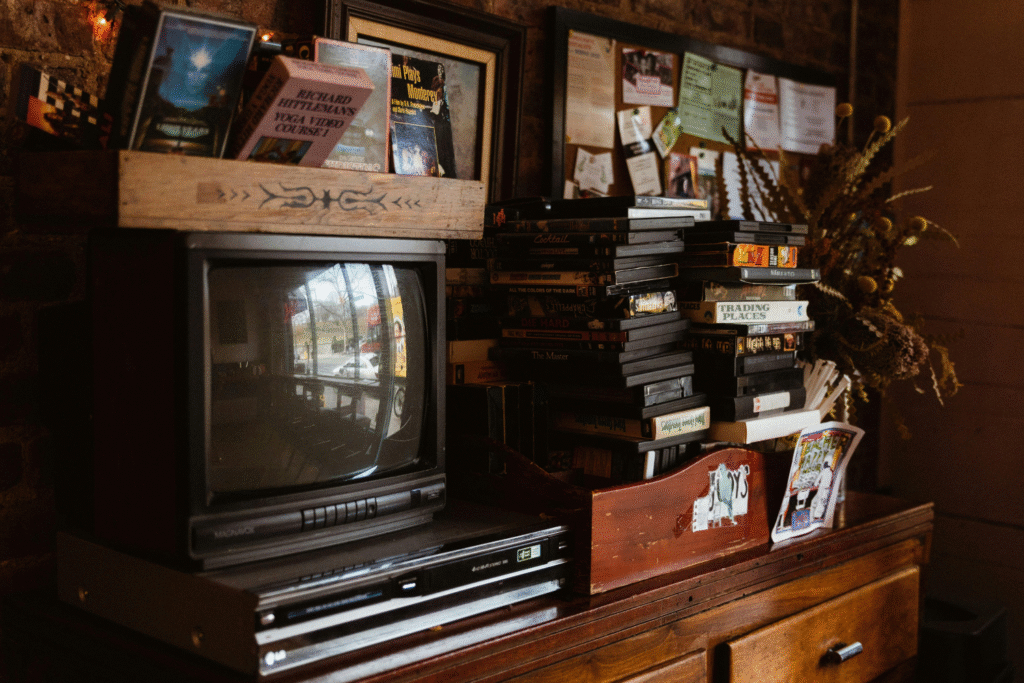
A collection of VHS tapes brimming with movies and cartoons filled a bookshelf not just with cassettes, but with narratives. These tapes, encased in sturdy sleeves, invited exploration of vast worlds during rainy afternoons.
Owning an extensive VHS collection translated to limitless escapades without a trip to the video store. Friends gathered around to partake in movie marathons, with the host revered for offering an enchanted view beyond standard television fare. It symbolized entertainment affluence remarkable to childhood imaginaries.