
Wealthy individuals prioritize long-term security and stable environments when choosing climate safe zones.

Affluent individuals increasingly relocate to regions less affected by climate change, seeking to protect their investments and wellbeing. These climate safe zones offer reduced risks from extreme weather, stable resources, and cleaner environments, appealing to those prioritizing safety and sustainability. This migration trend influences real estate markets and regional economies, reflecting a strategic response to growing climate uncertainties backed by insights from economic and policy institutions.
1. Prioritizing long-term safety from extreme weather events and natural disasters.

When wealthy individuals relocate, they often seek areas that offer protection from extreme weather and natural disasters, prioritizing personal security. Climate-safe zones provide this reassurance with minimized risk of severe storms or fires, ensuring long-term safety through strategic location choices.
While these zones are not immune to all natural disasters, they generally offer a lower risk profile. This reality allows affluent buyers to safeguard their investments, which becomes attractive when considering the rise of extreme weather globally. Such decisions impact real estate markets and community dynamics.
2. Seeking cleaner air quality for improved daily living conditions and health.

In search of cleaner air, affluent individuals migrate to regions with lower pollution levels. Enhanced air quality can significantly improve health with fresh, breathable air enhancing daily life. Mountain towns and areas surrounded by forests often attract environmentally conscious buyers.
This migration trend shifts demand, potentially increasing property values in areas historically underpopulated due to their remote nature. Cities striving for better air standards could also see increased interest, encouraging urban development policies that prioritize green spaces and pollution reduction.
3. Preferring stable water supplies free from droughts or contamination risks.
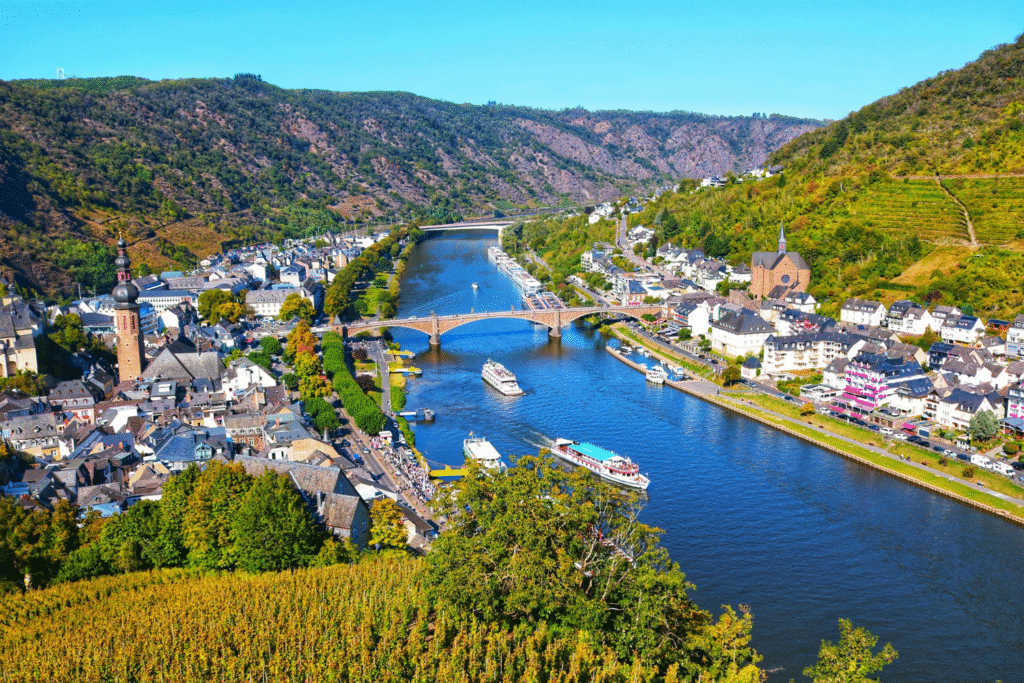
A stable water supply ranks high on the priority list for many relocating individuals concerned with climate impacts. Regions with reliable water access reduce the risk of drought or contamination, ensuring daily living requirements are consistently met.
Economic implications arise as these areas often see increased real estate demand, thus impacting home prices and local economies. The presence of a consistent and safe water source adds an essential layer to a property’s attractiveness, illustrating the strategic foresight of individuals investing with long-term comfort in mind.
4. Avoiding coastal flooding and rising sea levels threatening property values.
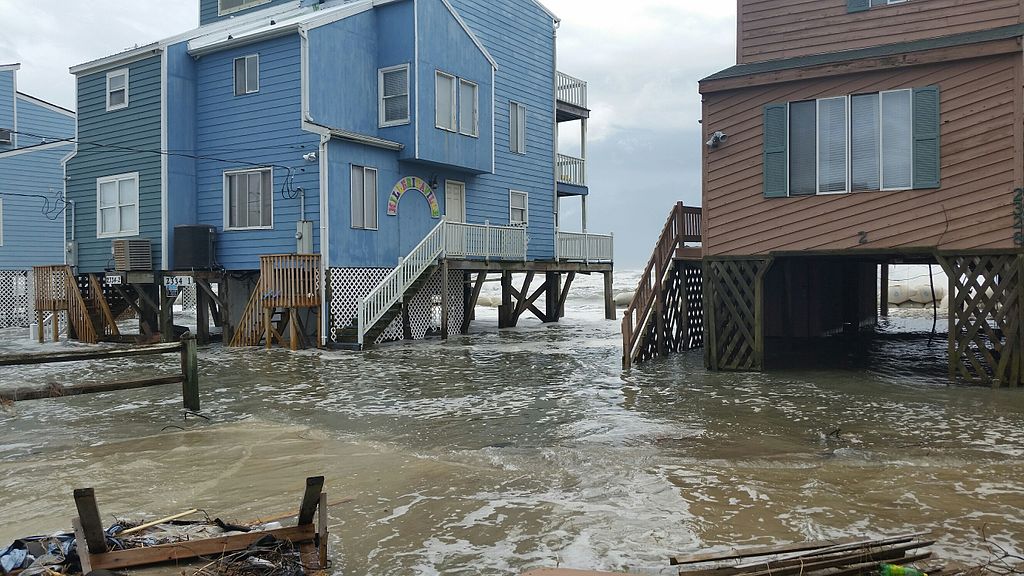
Rising sea levels and coastal flooding present significant threats driving relocation decisions among wealthy property owners. By choosing locations away from coastlines, these individuals protect their investments from devaluation linked to environmental degradation.
The strategic move away from coastal areas underscores a preference for inland properties, known to offer a buffer from the impacts of water-related natural disasters. This shift might subtly redirect economic growth and infrastructure development toward historically less-desirable locations now seen as more secure.
5. Accessing reliable infrastructure designed to withstand climate-related stresses.

Infrastructural reliability is a defining factor when selecting a relocation destination. Regions equipped with robust infrastructure can better endure climate-related stresses such as intense storms or prolonged heat waves, promising continuity in essential services.
Reliance on stable infrastructure commands premium interest from potential buyers, influencing broader real estate trends. Local governments focusing on infrastructure resilience might see increased investment, indicating the heightened awareness of climate challenges among affluent movers.
6. Investing in communities with strong environmental policies and sustainable growth.
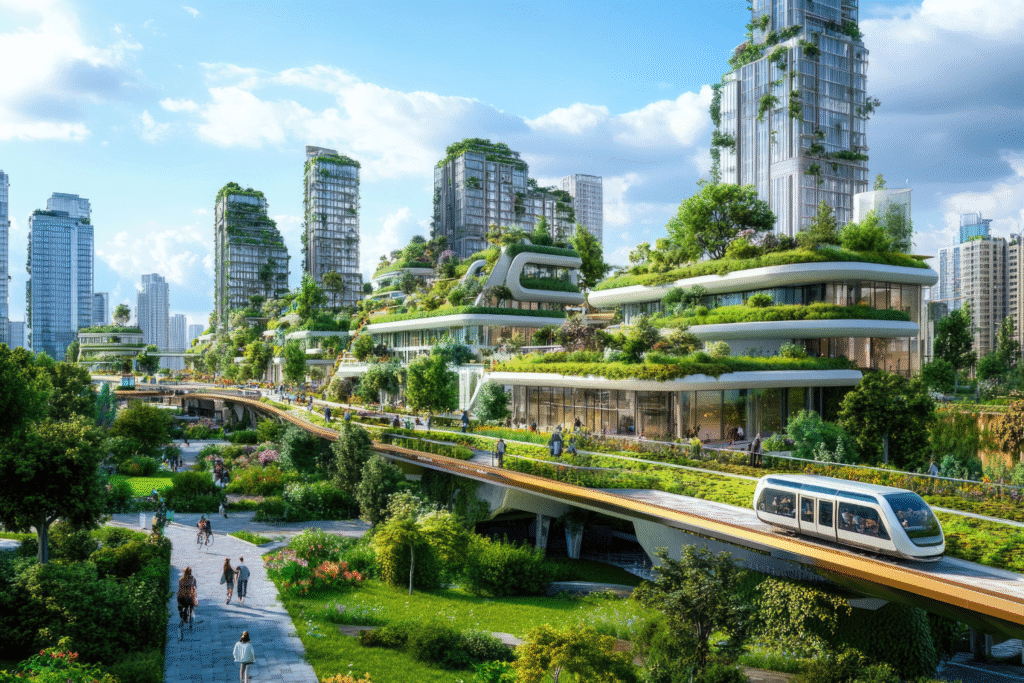
Communities with strong environmental policies often appeal to affluent relocators committed to sustainable growth. These policies encompass renewable energy initiatives and green building standards that resonate with environmentally conscious lifestyles.
Economically, these regions can experience growth due to increased interest from individuals who value sustainability. Real estate markets in these areas may adjust to reflect heightened demand, encouraging broader adoption of environmental practices that support long-term resource preservation and community health.
7. Favoring temperate climates that reduce energy costs and enhance comfort.

Mild, temperate climates are appealing for those seeking to reduce energy costs associated with extreme temperatures. By living in regions with moderate weather, residents enjoy enhanced comfort with less reliance on artificial heating or cooling systems.
This preference for temperate environments reveals an underlying motivation to achieve energy efficiency, aligning financial savings with environmental stewardship. As people relocate to areas that offer these benefits, their collective actions may influence local economies and haystack infrastructure demands.
8. Protecting valuable assets by choosing locations with predictable climates.

Valuing predictability, many affluent families choose locations with consistent climates to protect assets. A stable climate ensures that property remains secure against sudden and severe environmental changes, offering wealth preservation.
Ensuring sound investments, these choices highlight the significance of climate predictability in real estate decisions. As this demographic pursues predictability, regions demonstrating minimal climate variability may witness increased property interest, shifting demand and impacting market dynamics.
9. Leveraging remote work flexibility to prioritize personal and environmental wellbeing.

Remote work has unlocked the potential for affluent individuals to prioritize both personal and environmental wellbeing. Freed from traditional office locations, they can select regions aligning with their values, such as those prioritizing sustainable living.
This newfound flexibility encourages people to evaluate what locations best suit their preferred lifestyle, leading to a migration trend toward areas with pristine environments offering a more balanced life. This trend may reshape residential areas accustomed to traditional, location-dependent employment bases.
10. Associating with like-minded peers who value resilience and sustainability.

Choosing to live among like-minded peers who value resilience and sustainability can be a powerful motivation. Affluent individuals often seek communities where environmental concerns shape local culture, fostering a collaborative approach to climate challenges.
This shared commitment to sustainability can drive local economies and inspire progressive policies. These areas often develop strong social networks centered on environmental principles, reinforcing the value of picking a location that aligns with personal and collective ideals.
11. Ensuring future generations inherit homes in less vulnerable regions.

For many, ensuring their descendants inherit homes in less vulnerable regions is paramount. Moving to climate-safe areas provides a sense of security for future generations, creating new places that can withstand environmental risks.
Such strategic relocation choices often see regions formerly overlooked becoming sought-after destinations. This generational thinking could substantially influence long-term population distributions as families prioritize safety and stability in their estate planning.
12. Reducing anxiety by relocating away from media-highlighted climate hotspots.

Relocating from areas frequently highlighted in the media for climate risks can alleviate stress and anxiety. Movers seek peace of mind by resettling in locations less featured as climate hotspots, leading to a less tumultuous lifestyle.
This strategic retreat from highly publicized risk areas often prompts a greater exploration of lesser-known locations, shifting focus to places that offer quiet stability. As a result, these areas can see an uptick in desirability, subtly recalibrating regional attention and development priorities.