
A closer look at why certain states experience higher layoff rates than others.

Layoff rates vary significantly across U.S. states, shaped by each region’s dominant industries and economic conditions. States with heavy reliance on volatile sectors, such as technology, manufacturing, or energy, often face higher job displacement. Understanding these patterns involves considering both temporary and permanent layoffs, as well as how local economies adjust to downturns. Expert data from sources like the Bureau of Labor Statistics helps reveal which states tend to have the most layoffs and why.
1. California often experiences some of the highest layoff rates nationwide.

California’s high layoff rates often stem from its diverse and fluctuating economy. Known for its tech industry, the state also hosts major entertainment and agricultural sectors. These sectors, however, are subject to global market trends and regional economic fluctuations, causing frequent job losses.
Industries like technology and entertainment experience cyclical demand, impacting job stability during economic downturns. While the state’s economy is robust, its sensitivity to global events can lead to short-term job displacement. Despite layoffs, many Californians find opportunities due to the state’s dynamic economic landscape.
2. Texas regularly sees elevated layoffs in key industries and metropolitan areas.

Texas witnesses elevated layoffs in its energy and technology sectors. These industries, vital to the state’s economy, can be volatile, subject to global oil prices and tech trends. Houston, a major hub for energy companies, often feels the brunt of these variations.
In addition to energy, Dallas and Austin’s tech-driven economies experience waves of employment shifts. The interconnectedness of Texas’s major cities and industries means layoffs in one sector can ripple across its cities. Nevertheless, Texas’s large, diverse economy often provides alternative employment opportunities.
3. New York faces significant workforce reductions amid economic shifts and challenges.

New York faces significant workforce reductions due to its reliance on the finance and media sectors. Economic shifts, such as changes in consumer behavior or financial downturns, can lead to job losses in these high-pressure industries. Wall Street, in particular, feels immediate effects during economic fluctuations.
Aside from finance, retail and hospitality sectors also contribute to the layoff rates when economic conditions shift. Job displacement in New York often happens in waves and mirrors broader economic patterns, yet the state’s openness to innovation aids in absorbing the workforce into emerging fields.
4. Florida reports notable layoff rates especially in tourism and service sectors.
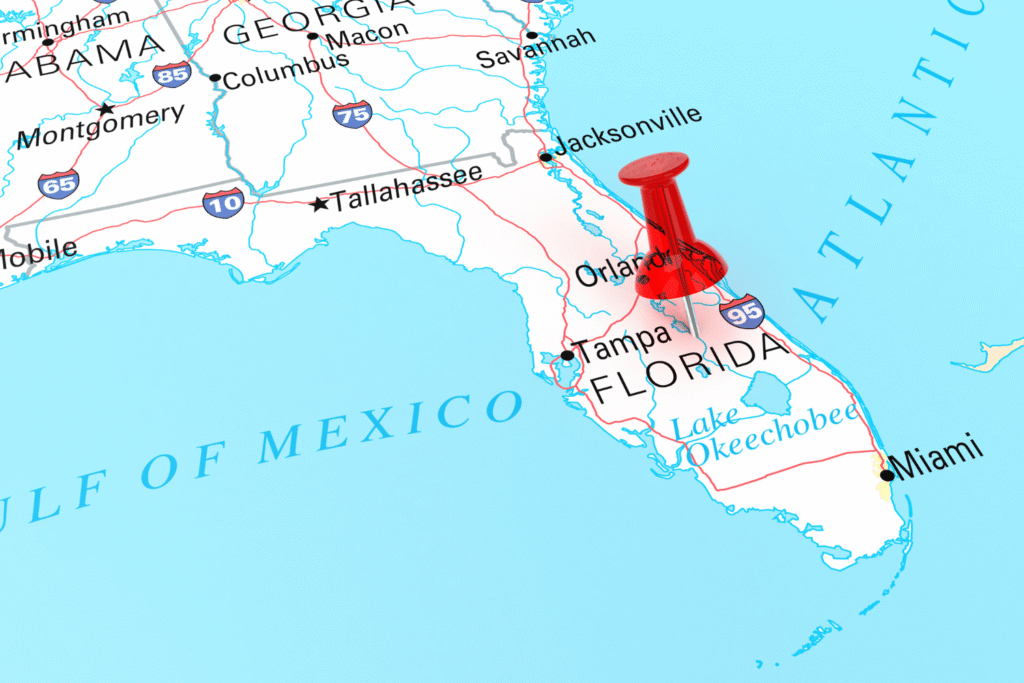
Florida’s layoff rates often reflect its dependence on tourism and service industries. Tourism, a vital economic driver, can quickly slow during economic slumps or natural events, influencing related sectors like restaurants and hotels. Orlando and Miami are particularly sensitive to these changes.
Service sectors bear the brunt when tourism dips, leading to temporary job cuts. While permanent job losses do occur, many positions return as conditions stabilize. As the state navigates these fluctuations, the tourism industry’s resilience remains crucial for economic recovery.
5. Illinois often contends with layoffs impacting manufacturing and corporate sectors.

Illinois confronts frequent layoffs, especially in manufacturing and corporate sectors, as economic conditions evolve. The state’s industrial base, including automotive and machinery, periodically faces downturns due to global competition and technological shifts.
Chicago, home to numerous corporate headquarters, sees layoffs during strategic restructuring. Despite these challenges, Illinois’s economy adapts by attracting diversified industries. This adaptability helps mitigate long-term unemployment, although the initial impact on affected workers can be substantial.
6. Pennsylvania experiences periodic surges in layoffs tied to industrial changes.

Pennsylvania frequently sees layoffs tied to its evolving industrial economy. Traditional manufacturing, once dominant, has been gradually replaced by technology and healthcare sectors. These industrial shifts lead to workforce reductions in coal mining and steel production, long-time staples of the state’s economy.
Philadelphia and Pittsburgh adapt by fostering tech hubs, offering new job prospects. However, transitions may initially cause workforce unrest and displacements. The state’s historical resilience aids in attracting emerging sectors, balancing industrial losses with innovative economic opportunities.
7. Ohio sees considerable layoffs as industries evolve and adapt to new demands.

Ohio experiences notable layoffs as its industries face the challenge of modernizing. Manufacturing remains central, yet shifts towards advanced technologies and automation alter job landscapes. This impacts traditional industrial bases such as Toledo, creating temporary job displacements.
Despite current job losses, these changes introduce opportunities in technology-driven fields and sustainable energy initiatives. The state strives to support displaced workers through retraining programs, ultimately aiming for an adaptable, skilled labor force prepared for future demands.
8. Michigan’s layoff rates reflect transitions away from traditional manufacturing jobs.

Michigan’s layoff rates often highlight transitions from traditional manufacturing to more diversified sectors. Known for its automotive industry, Detroit’s economy faces waves of job cuts with technological advancements and shifts towards electric vehicles.
Despite such upheavals, Michigan’s economy remains resilient. Diversification into sectors like clean energy and technology offers fresh employment avenues. The real challenge remains ensuring workers’ transition smoothly into new roles, minimizing lasting impacts on the workforce.
9. Georgia encounters layoffs connected to fluctuations in transportation and logistics.

Layoffs in Georgia often result from fluctuations in transportation and logistics sectors. Atlanta, a major transportation hub, feels the impact from changes in global trade and shipping demands. Air freight and trucking industries face periodic job reductions as they adjust to market demands.
While layoffs create short-term disruptions, Georgia’s strategic position as a transport nexus attracts ongoing investment. Recovery efforts focus on retraining and integrating displaced workers into expanding sectors within the regional economy, ensuring a stable labor market.
10. New Jersey reports layoffs affecting sectors like pharmaceuticals and finance.

New Jersey experiences layoffs particularly within pharmaceuticals and finance sectors. As corporations implement strategic shifts and cost-management measures, job reductions often follow. The state’s proximity to New York City influences workforce dynamics, contributing to periodic employment adjustments.
Economic fluctuations prompt sectors to reassess operational efficiencies, resulting in temporary workforce reductions. Nonetheless, New Jersey’s strong business environment and skilled labor pool support recovery. Adaptations within technology and healthcare sectors offer new employment opportunities despite transitional challenges.
11. Washington state sees layoffs linked to technology sector adjustments.

Washington state’s layoff trends often link to adjustments in its thriving technology sector. Home to tech giants, the region experiences job losses as companies restructure and redirect resources, particularly in Seattle. Industry trends influence employment stability and growth.
Layoffs sometimes disrupt the labor market, but Washington’s diverse economy absorbs displaced professionals into burgeoning areas like clean tech and biotech. The challenge lies in ensuring constant flow between declining job roles and emerging opportunities, promoting long-term economic health.
12. Arizona experiences layoffs in construction and service industries consistently.

Arizona regularly faces layoffs in construction and service industries. The state sees fluctuations driven by economic cycles and shifts in regional demand, impacting cities like Phoenix. Rapid growth phases are often followed by contractions, affecting workers temporarily.
Despite periodic downturns, Arizona attracts investments with a promising growth potential. Job losses are offset by emerging sectors such as renewable energy, diversified manufacturing, and technology, fostering resilience within Arizona’s employment landscape amidst shifting economic conditions.