
Discover engaging hobbies that support cognitive function and keep your mind agile daily.

Keeping your mind sharp matters as much as keeping your body active—and science confirms that certain hobbies do more than amuse you. A recent study found that older adults who regularly engage in cognitively stimulating leisure activities like reading, game‐playing or new hobbies greatly outperformed peers on memory, attention and processing‐speed tests. These activities don’t just pass the time—they trigger neuroplasticity, forging healthier neural networks and helping maintain mental agility even as you age.
Engaging your brain, learning new skills and staying socially connected rewire your thinking patterns. When a hobby challenges you—mixing creativity with problem‐solving or interaction—it becomes mental fitness in action. By choosing meaningful, stimulating pastimes, you build resilience and give your brain the workout it needs to stay sharp.
1. Engage in daily puzzles to challenge your problem-solving skills effectively.
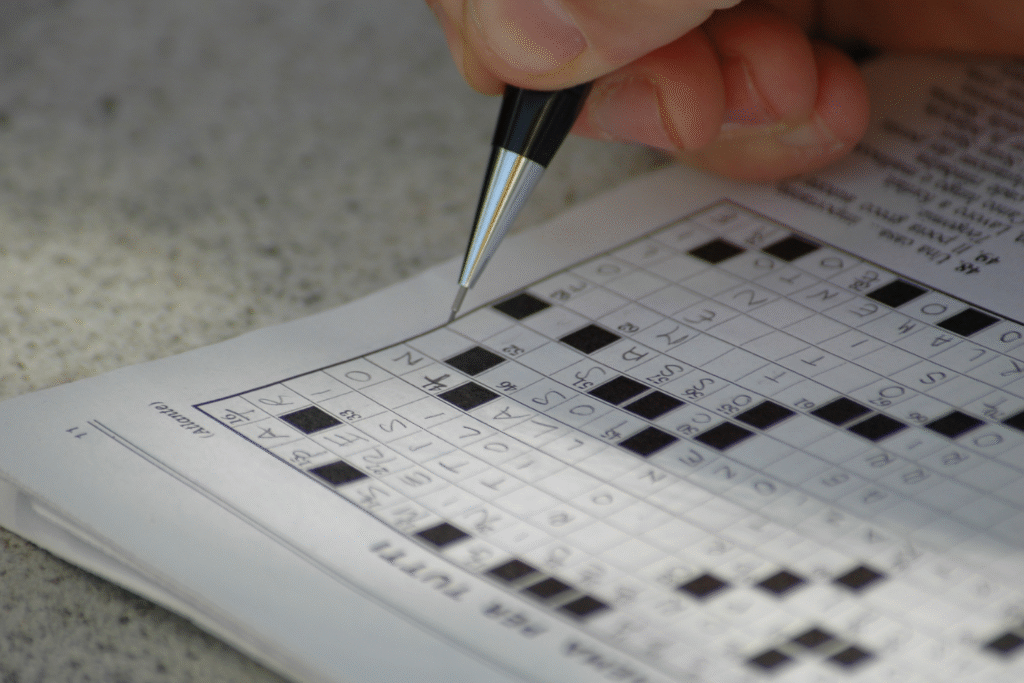
Intricate puzzles like crosswords or Sudoku provide a daily mental workout. Solving these challenges requires focus and analytical thinking, making them excellent for exercising brain muscles. Each puzzle presents a unique logic problem, strategically designed to stretch brain capacity and keep cognitive functions alert over time.
Amid connecting clues or numbers, the mind is compelled to engage in problem-solving. While the immediate reward is completing the puzzle, regular practice gradually strengthens neural pathways. Unlike passive activities, puzzles actively foster a proactive approach to maintaining mental agility, contributing to long-term cognitive resilience.
2. Practice playing a musical instrument to enhance memory and coordination.

Learning to play a musical instrument engages your brain in a tapestry of cognitive activities. As fingers dance across keys or strings, your mind processes rhythm, melody, and coordination, all while boosting memory. The sensory harmony that instruments offer creates a foundation for enhanced mental acuity.
Playing music isn’t merely about individual skill; it’s about building a deeper connection to auditory patterns, enhancing memory retention, and coordination. Over time, the continuity of learning notes and rhythms fosters deeper neural connections, contributing to improved brain function and fortified mental agility.
3. Explore creative writing to stimulate imagination and critical thinking.

Creative writing intertwines imagination with critical thinking, crafting stories that explore complex ideas and vivid imagery. Constructing narratives requires mental flexibility as clichés are avoided, and unique expressions are woven. With pen or keyboard, each sentence becomes a tapestry of thought, drawing from personal experiences and observations.
The challenge of storytelling pushes the brain to bypass routine patterns and explore uncharted territories. By shifting perspectives and experimenting with language, writers expand cognitive boundaries. The practice also enlivens a sense of accomplishment and purpose, nurturing long-term cognitive vitality through mental agility and expression.
4. Learn a new language to improve cognitive flexibility and attention span.

Immersing oneself in a new language opens doors to cognitive flexibility and enhanced attention spans. As vocabulary builds, the brain constructs new neural pathways and adapts quickly to unfamiliar grammar and phonetics. By deciphering syntax and dialects, a linguistic connection across cultures unfolds, broadening the mind’s horizon.
Engaging with a language taps into an array of cognitive skills, from memory to problem-solving. Navigating new terms and phrases involves brain regions that manage processing and comprehension, exercising diverse cognitive functions. Frequent practice allows for heightened concentration and improved multitasking abilities, fostering lasting mental acuity.
5. Take up gardening to connect with nature and encourage mindful focus.

Tending a garden offers more than fresh blooms or produce; it cultivates mindful focus and a grounded connection to the earth. As hands sift through rich soil or gently plant seeds, the act of gardening becomes meditative, reducing stress and honing attention to detail.
Nature’s rhythm demands patience, and tending to plants cultivates a consistent, focused mindset. Each phase of growth requires a distinctive type of care, fostering structure and anticipation. The calming environment not only eases the mind but nurtures sustainable cognitive engagement, promoting emotional clarity and mental wellness.
6. Enjoy regular reading to expand knowledge and maintain mental agility.

Reading introduces new worlds and ideas, stimulating the mind’s capacity for understanding and reflection. Unlike passive activities, the practice of reading necessitates active cognitive engagement, encouraging knowledge expansion and mental agility. As stories unravel, the reader visualizes scenes and connects narrative pieces to solve complex storytelling puzzles.
The narrative journey enhances vocabulary and comprehension skills, creating a foundation for improved analytical thinking. Structured reading encourages the brain to anticipate plot twists or grasp intricate themes, maintaining cognitive flexibility. This mental exercise, combined with the joy of learning, provides a profound boost to brain health.
7. Try painting or drawing to sharpen visual analysis and concentration.

Sharpening visual analysis and concentration, painting or drawing invites an intimate dialogue with creativity. As brush or pencil touches the canvas, the process refines attention to detail, color, and form, enhancing observation skills. The art room transforms into a sanctuary of expression, where ambiguity meets clarity.
Artistic endeavors require focus and design, compelling the brain to balance creativity with precision. Immersed in the task, the mind experiences a meditative flow, promoting relaxation and cognitive renewal. Channeling visual narratives in art nurtures extensive concentration, fostering a vibrant link between imaginative thought and mental acuity.
8. Participate in board games that require strategy and social interaction.

Board games serve as more than entertainment; they exercise strategic thinking and social interaction. Each move demands foresight and anticipation, challenging players to balance tactics and adaptability. The vibrant game board, amid laughter and discussion, becomes a platform for cognitive exercise and communal connection.
Playing with others introduces an element of unpredictability, stimulating adaptability and critical thinking that strengthen neural flexibility. The social nature of board games encourages interpersonal skills and teamwork, enhancing mental sharpness collectively. Together, strategic play broadens cognitive horizons, reinforcing problem-solving skills and social bonds over time.
9. Join a dance class to coordinate movement while engaging brain functions.

Dance classes merge rhythmic movement with cognitive engagement, offering a dynamic workout for both body and mind. As feet trace steps and follow melodies, the brain processes tempo, balance, and coordination. The studio becomes a lively arena where discipline meets creativity, fostering mental clarity and dexterity.
The synchronization of music and movement requires active concentration and memory recall. Each dance step builds a repertoire of choreographed sequences, enhancing spatial awareness. This blend of physical activity and mental exercise promotes a flourishing brain function, creating a lively and engaging method for maintaining cognitive health.
10. Develop cooking skills to combine multitasking with creativity and planning.

Cooking creates a rich blend of multitasking with creativity and planning. As ingredients are measured and flavors paired, the culinary endeavor becomes an exploration in innovation and structure. The kitchen transforms into a laboratory, where culinary arts meet methodical processes and creative expression.
Planning and executing a meal require organization, timing, and sensory awareness. Each dish prepared fosters cognitive growth through diverse tasks. The harmony of taste and texture builds mental resilience, offering both a tactile and cognitive experience that engages multiple brain regions, fortifying mental agility through delectable creativity.
11. Practice meditation to strengthen mental clarity and emotional balance.

Meditation strengthens mental clarity and nurtures emotional balance, providing a haven for reflection and peace. As one sits quietly, attentiveness to breath and thought creates a focus, easing stress and fostering mindfulness. The meditative space becomes a sanctuary for stress relief and mental rejuvenation.
Quiet contemplation tunes the mind to deeper awareness, balancing thoughts and emotions. Consistent practice yields sharpened mental clarity and emotional stability, empowering individuals by easing cognitive overload. Achieving a meditative state enriches concentration and soothes restless minds, cultivating sustained cerebral health and enhanced emotional well-being.