
A hidden blood molecule may hold the secret to slowing the aging clock.

Scientists at the University of Tsukuba discovered a molecule called CtBP2 in the bloodstream that appears to regulate how your body ages. Their research found that higher levels of CtBP2 were linked to longer, healthier lives, while lower levels corresponded to faster decline. According to the study, this molecule acts like a “master switch” across organs rather than enforcing aging one tissue at a time.
It’s a breakthrough in understanding aging—not just as wear and tear but as a coordinated process. Measuring CtBP2 might one day tell you not just your age, but how your body is actually performing and how to slow the clock.
1. CtBP2 circulates in the blood and connects metabolism with aging across the body.

The Tsukuba researchers found that CtBP2, previously thought to be active only inside cells, can be released into the bloodstream when triggered by metabolic signals. Once in circulation it appears to regulate organ systems collectively: helping maintain healthy tissue function, improving metabolic balance, and reducing age-related stress. Individuals with high CtBP2 tended to show fewer signs of age-related decline.
The idea is that CtBP2 doesn’t act organ by organ—it acts system-wide. That redefines how we think of aging: not as random damage in isolated parts, but as a network process. In that sense CtBP2 functions like a conductor guiding multiple sections of the biological orchestra.
2. Blood levels of CtBP2 decline with age and are higher in long-lived individuals.

In their study, the scientists measured CtBP2 in many blood samples and found that levels consistently dropped with advancing age. Meanwhile, people from families known for exceptional longevity showed markedly higher CtBP2 concentrations compared with typical age-matched peers. Those with metabolic disorders or chronic disease had significantly lower levels.
That pattern suggests CtBP2 may serve both as a biomarker of aging and a mechanism by which healthy aging happens. It opens the possibility that by tracking CtBP2 you can estimate how “old” your body is biologically, not just chronologically.
3. Enhancing CtBP2 activity improved metabolic and physiological resilience in lab models.

In experimental models, activating CtBP2 resulted in improved glucose regulation, enhanced lipid metabolism and reduced signs of age-linked organ stress. When CtBP2 activity was lowered, metabolic dysfunction emerged more rapidly—mirroring patterns seen in medically frail aging humans. The lab data suggest CtBP2 isn’t purely passive—it may be a lever to improve health span.
For humans, this indicates a future where interventions target CtBP2 or its pathway rather than treat each disease separately. Instead of repairing damage after it appears, you might strengthen the system upstream, slowing the cascade of aging triggers before they take hold.
4. CtBP2 shifts the aging paradigm to systemic coordination, not isolated decline.
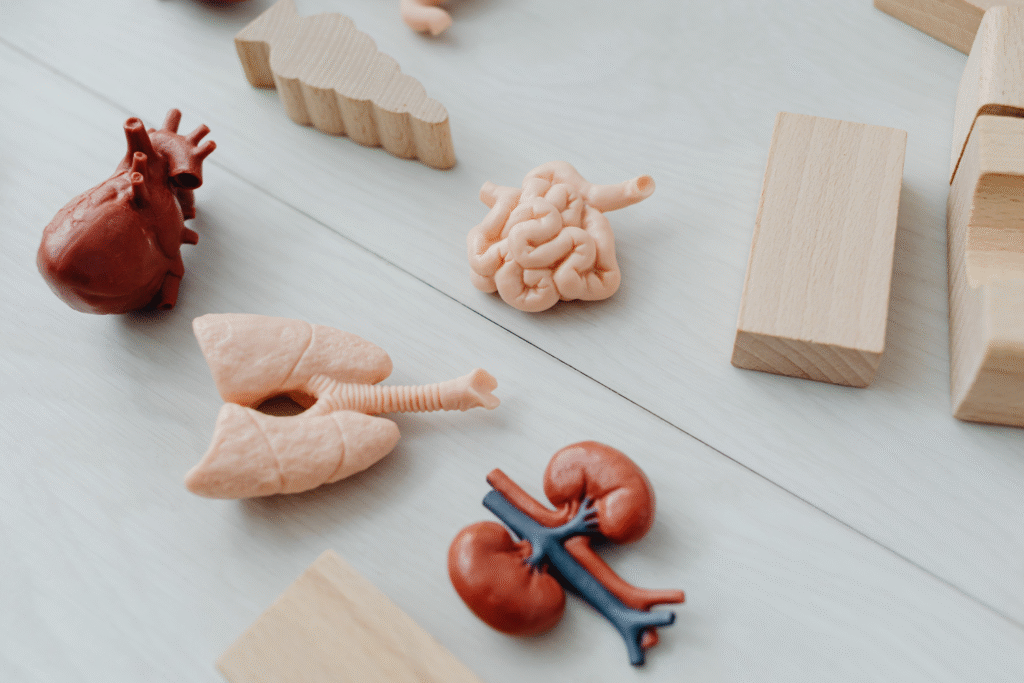
Traditional aging models focus on organs failing independently. By contrast CtBP2 research proposes that aging unfolds as coordinated collapse: one organ’s decline ripples through interconnected systems. That means damage isn’t siloed—it spreads. CtBP2 mediates that spread by acting as a cross-organ signal that keeps everything aligned or accelerates divergence.
Understanding aging this way changes strategy. Rather than patching individual parts (heart, brain, kidneys), it may be more effective to stabilize the network’s messenger systems. CtBP2 could be the bridge linking those parts, offering a more holistic approach to longevity.
5. A CtBP2 blood test might eventually reveal your true biological age.
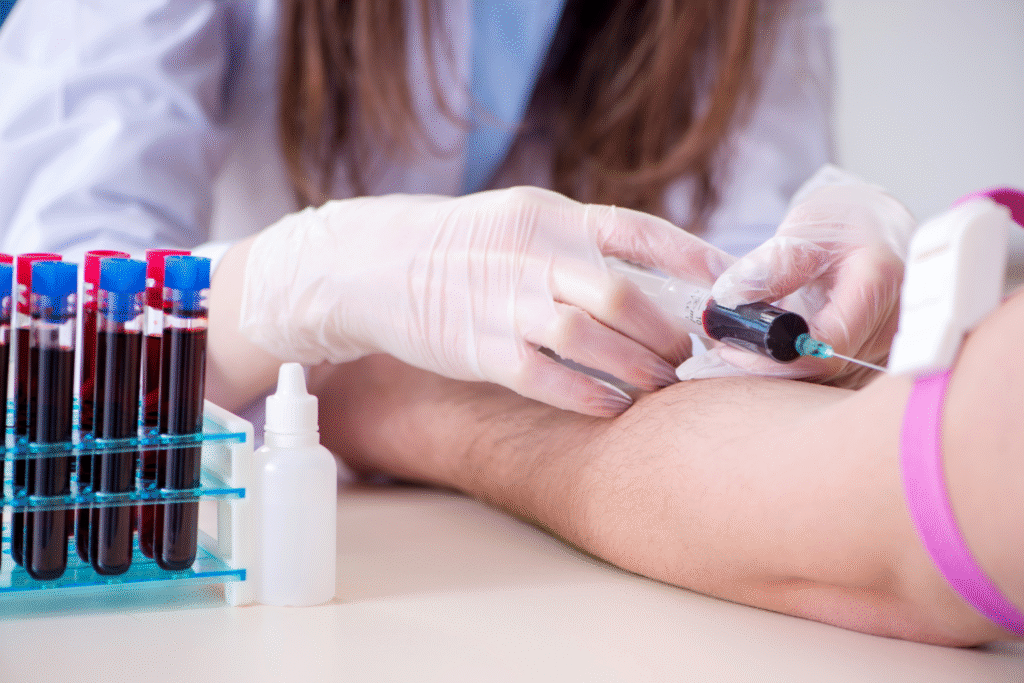
Since CtBP2 levels correlate with healthy lifespan and decreased levels with frailty, a blood test measuring its concentration could estimate your “biological age” — how your body is really doing compared to your years. That matters because two people aged 65 might biologically be 55 and 75, respectively, based on health, lifestyle and genetics. A CtBP2 assay would give tangible feedback rather than general advice.
With that information you could personalize lifestyle, medical and nutritional interventions—not just for disease prevention but aging management. It’s shift from reactive healthcare to proactive optimization.
6. Lifestyle choices likely influence CtBP2 levels, offering a self-directed longevity path.

The research highlights that individuals with obesity, diabetes or metabolic syndrome had lower CtBP2 — pointing to the idea that lifestyle interacts with the molecule. That suggests that diet, exercise, weight management and metabolic health may help maintain higher CtBP2. In other words, your actions may preserve this longevity signal rather than counting only on genetics.
This ties aging back to agency. Your genetic deck may be set, but CtBP2 suggests you’re not just stuck with your hand. By managing how your metabolism functions, you might keep CtBP2 levels higher, slow systemic aging and preserve greater function as you age.
7. CtBP2’s discovery could lead to therapies that target aging broadly, not symptoms individually.

Because CtBP2 influences multiple organ systems, drugs or treatments that enhance its activity could simultaneously reduce risk of cardiovascular disease, diabetes, neurodegeneration and other age-related conditions. Rather than treating each disease separately, interventions may aim to strengthen the whole system. That means a single therapy could improve heart function, cognitive resilience and metabolic health all at once.
It’s early days, but the ripple is clear: aging might soon be treated not as inevitable decline but as manageable biology. CtBP2 opens a pathway to “network medicine” where the focus is on preserving function first and appearance later.
8. Important caveats still apply—human trials and longitudinal data are needed.

While the CtBP2 findings are compelling, current data are largely from laboratory and observational human samples. Determining safe and effective ways to boost CtBP2 in humans, and proving that this leads to longer health span, requires clinical trials. For now, CtBP2 is a promising target, not a guarantee.
This means the headlines should be cautious. Until trials validate interventions, the role of CtBP2 remains biological insight rather than medical prescription. Yet the framework it offers is powerful.
9. Your longevity strategy may now include tracking key biomolecules, not just behaviours.
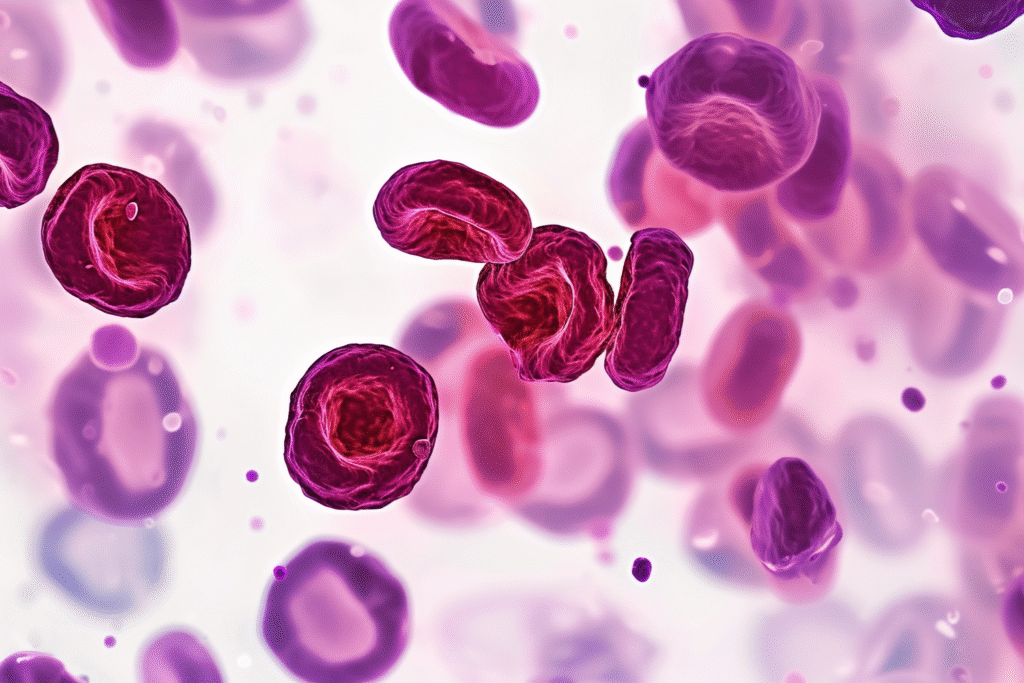
With the CtBP2 discovery, aging isn’t only a matter of eating right and exercising—it’s measurable, trackable and potentially tuneable. You may soon ask your doctor: “What’s my CtBP2 level?” alongside “What’s my cholesterol?” It adds depth to health management.
That doesn’t mean you abandon fundamentals—sleep, nutrition, activity still matter—but now you might pair them with biomarker monitoring. It’s aging with feedback, not guesswork.