
The planet isn’t just warming—it’s quietly shortening lives.
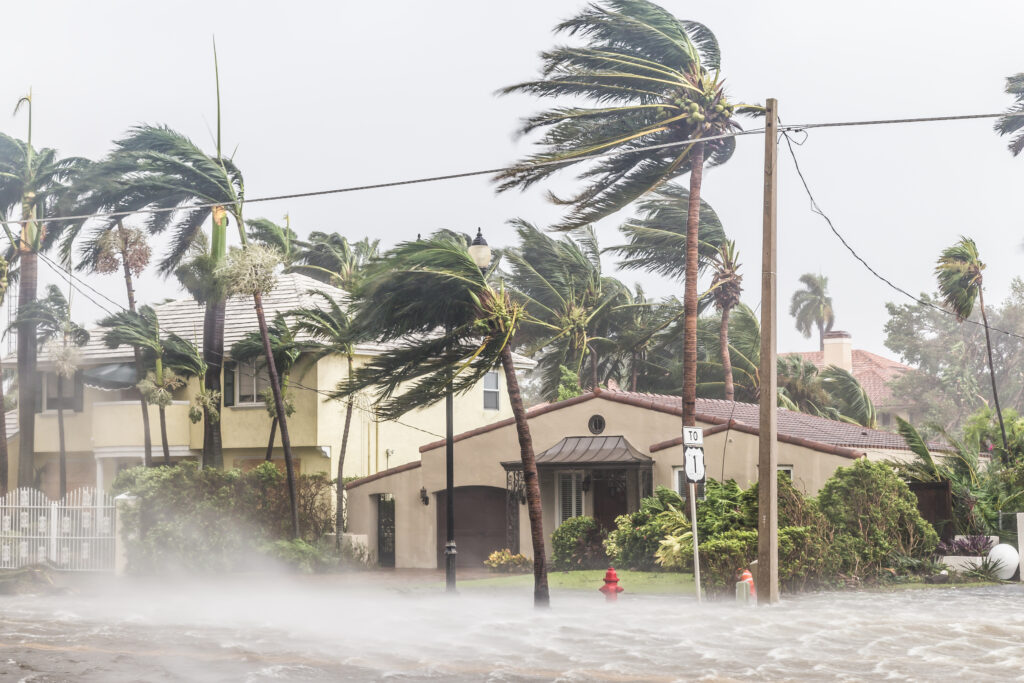
A major global health report has confirmed what experts feared: climate change is directly causing millions of preventable deaths each year. Rising heat, worsening air quality, and collapsing ecosystems are converging into a public health emergency that no longer hides behind distant forecasts.
These deaths aren’t random—they’re systemic, predictable, and avoidable. Each statistic represents a person lost to conditions humanity still has the power to control.
1. Extreme heat waves are turning into deadly seasonal events.
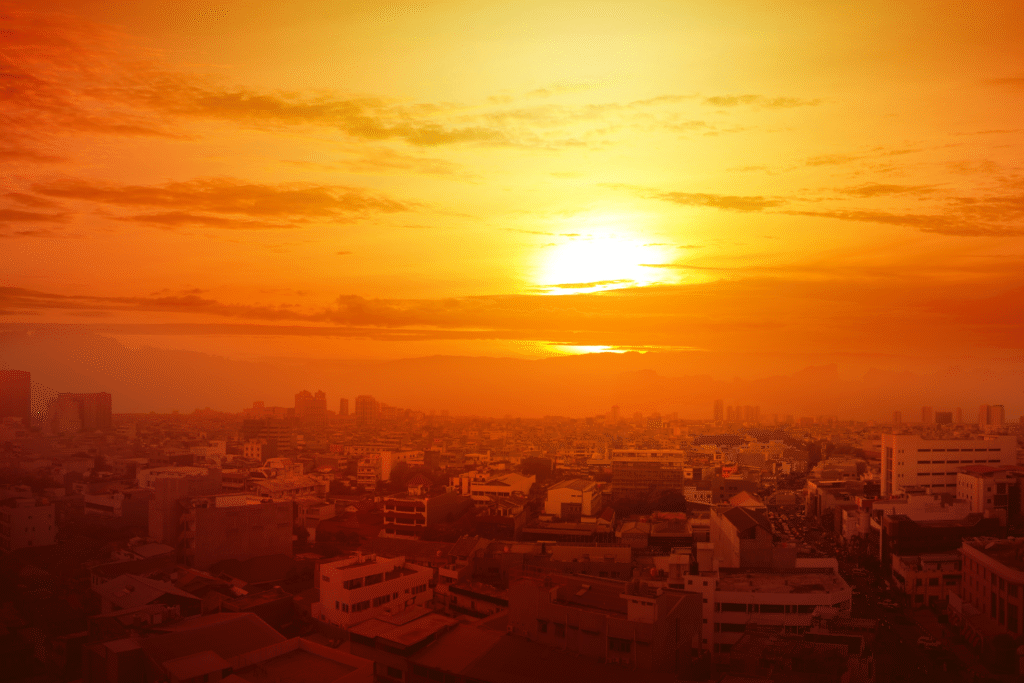
Heat-related deaths have soared in recent decades as global temperatures climb higher each year. What used to be once-in-a-generation heat waves are now annual occurrences, killing hundreds of thousands worldwide. Older adults, outdoor laborers, and people with pre-existing conditions are most at risk when the temperature spikes beyond what the body can regulate.
When heat overwhelms the human system, it triggers heart attacks, strokes, and respiratory collapse. These aren’t random tragedies—they’re predictable outcomes of an overheated planet. The fact that they’re still happening on such a scale reveals how unprepared the world remains for what’s coming.
2. Air pollution is becoming an invisible executioner.

Dirty air now kills more people than many infectious diseases combined. The burning of coal, oil, and gas fills cities and rural communities alike with fine particles that burrow deep into lungs and bloodstream, damaging organs over time. The link between climate change and poor air quality is no longer abstract—it’s immediate and measurable.
As global warming intensifies wildfires and droughts, smoke and dust worsen air pollution even further. Millions die each year from what could be prevented through cleaner energy, stricter regulations, and sustainable transport. It’s a crisis we created—and one we could end if we chose to.
3. Infectious diseases are moving into new territory.

Rising temperatures are redrawing the global map of disease. Mosquitoes, ticks, and other carriers are thriving in regions that were once too cold for them to survive. Illnesses such as dengue, malaria, and West Nile virus are appearing in places that never had to worry about them before.
Health systems built for one climate are struggling to adjust to another. In poorer regions, hospitals are overwhelmed by outbreaks that used to be seasonal but are now constant. The pattern is clear: as the planet warms, disease follows the heat.
4. Food and water instability are taking silent tolls.
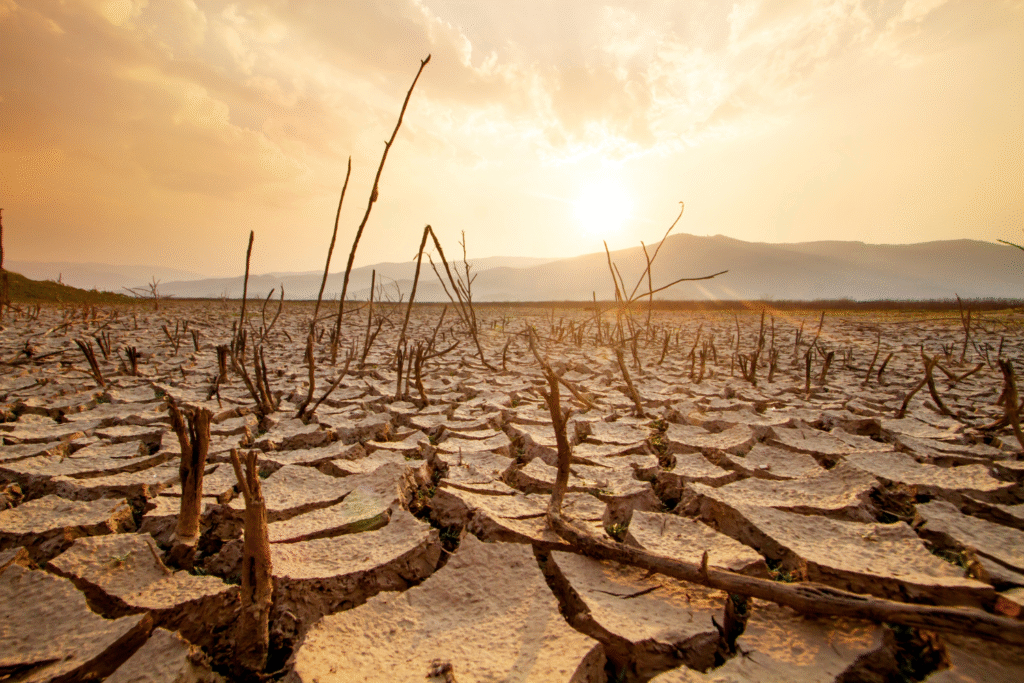
Droughts, floods, and unpredictable weather are undermining the foundations of global nutrition. Crops fail, livestock die, and clean water sources dry up or become contaminated. Malnutrition and waterborne illness now claim more lives than many realize—and every degree of warming makes it worse.
Children and older adults are the most vulnerable. They don’t just suffer hunger; they experience cascading health problems that weaken immunity and shorten lifespan. These are not isolated famines—they’re symptoms of a global system unraveling under pressure.
5. Natural disasters are becoming health emergencies.
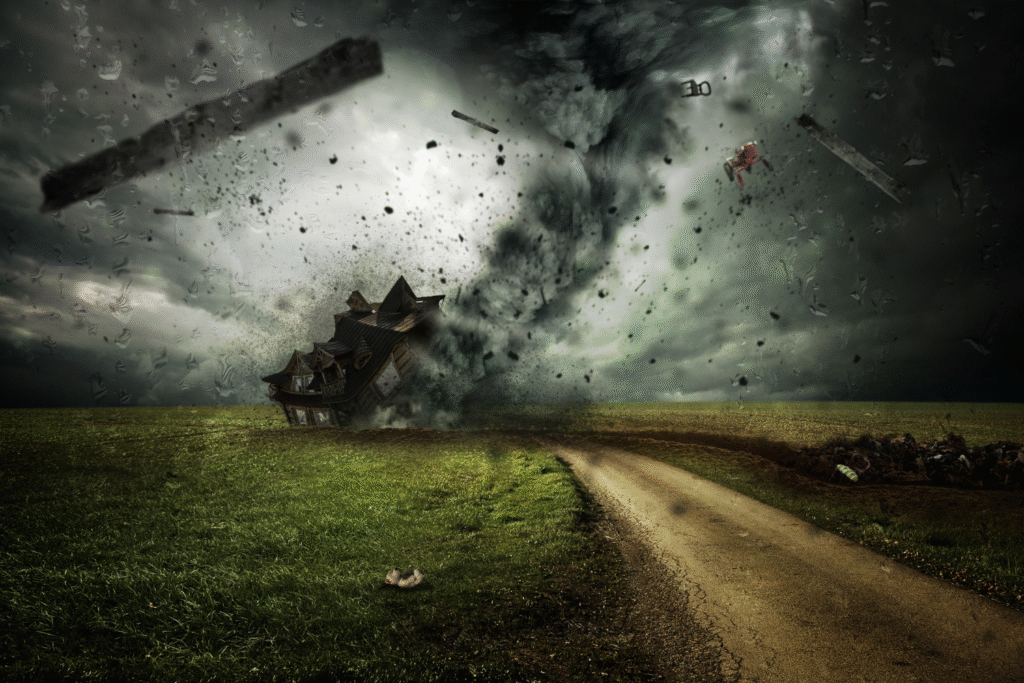
Wildfires, hurricanes, and floods no longer come with clear recovery periods. They now arrive back-to-back, leaving little time to rebuild or heal. Each disaster brings its own wave of injuries, infections, and long-term trauma.
People who survive often face months of displacement, respiratory illness, and mental distress. The frequency of these events is reshaping entire health landscapes, forcing doctors and relief workers into constant crisis mode. Adaptation isn’t optional anymore—it’s survival.
6. Mental health is collapsing under environmental stress.
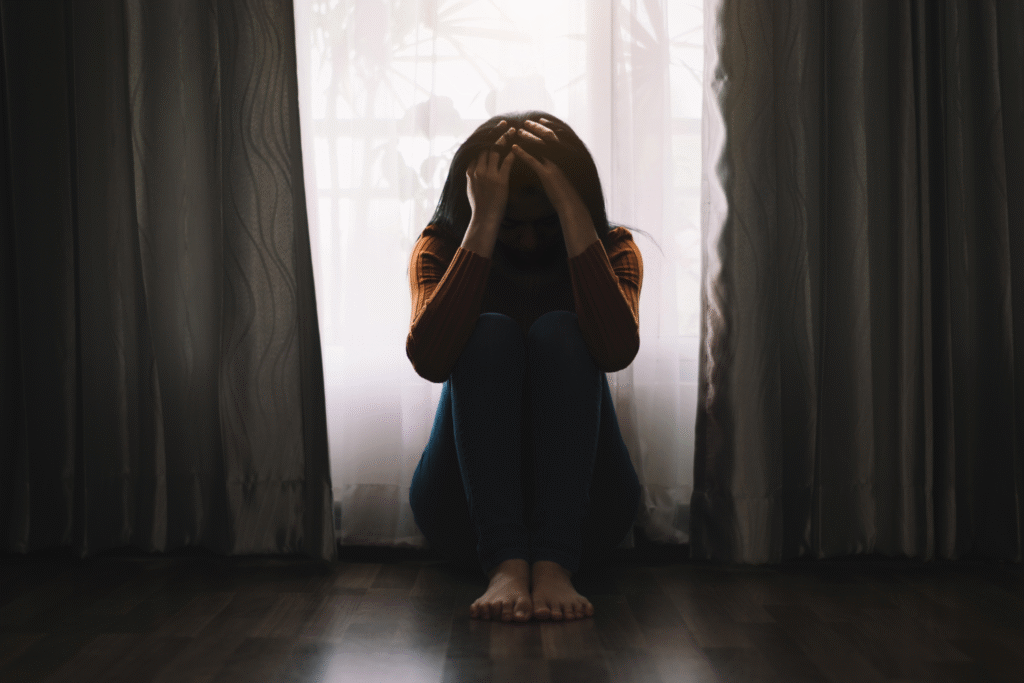
As homes burn, crops fail, and livelihoods disappear, the psychological toll of climate change deepens. Anxiety, depression, and trauma are rising sharply in affected communities. The loss of stability—physical and emotional—creates a sense of hopelessness that few mental health systems are equipped to handle.
Climate grief is real. It affects farmers watching their land dry up, children fearing the future, and city dwellers choking through another season of smoke. These invisible wounds don’t always make headlines, but they’re part of the same global emergency.
7. Vulnerable populations are carrying the heaviest burden.
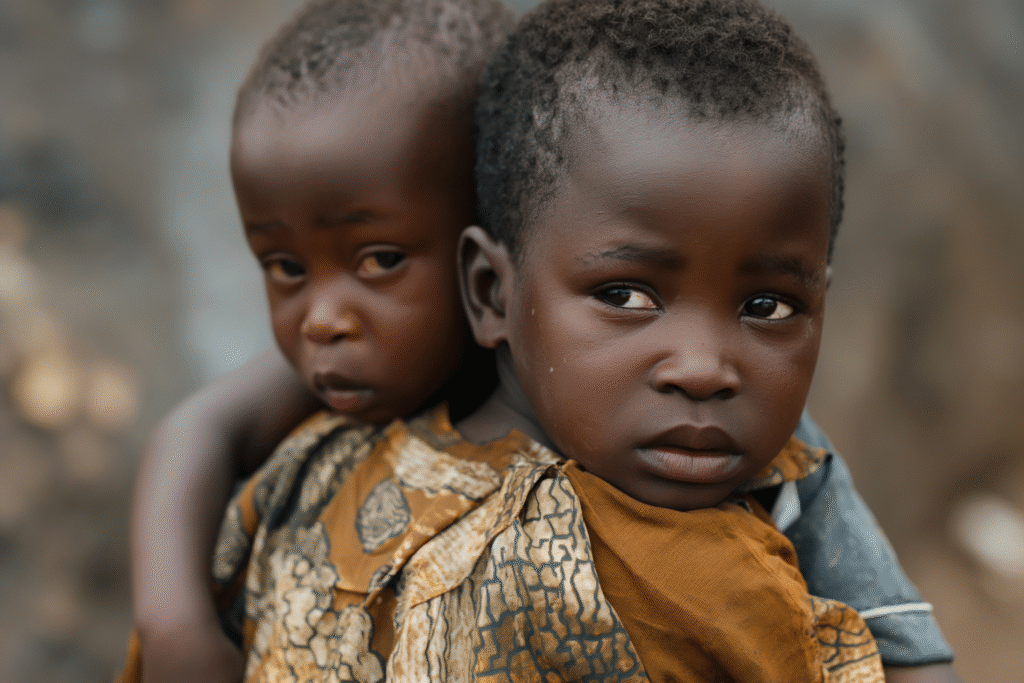
The elderly, children, low-income families, and those in the Global South are facing the worst effects of climate-linked mortality. Poorer nations contribute the least to global emissions but suffer the highest health costs. Meanwhile, wealthier countries are better equipped to shield their citizens with infrastructure and healthcare.
The divide is as moral as it is environmental. Preventable deaths should not depend on where someone is born. Yet inequality continues to define who lives and who doesn’t in the age of climate change.
8. Occupational health is under unprecedented strain.

Outdoor workers—farmers, construction crews, delivery drivers—are being pushed beyond safe limits as temperatures climb. Prolonged exposure to heat and pollution leads to exhaustion, dehydration, and fatal heat stroke. Productivity drops, but the human cost is far worse than lost wages.
Workplace protections have not kept pace with the changing climate. Without reform, millions risk illness or death simply for showing up to work. It’s a labor issue that’s quickly becoming a public health emergency.
9. Health systems are breaking under growing pressure.

Hospitals are treating more climate-related illnesses than ever before. Heat exhaustion, respiratory disease, vector-borne infections, and injury from natural disasters are stretching resources thin. In developing nations, basic care collapses entirely when floods or storms hit.
As climate instability worsens, healthcare infrastructure becomes the first line of defense—and the first to fail. Without global coordination and investment, millions more preventable deaths will follow.
10. Each fraction of a degree matters.

Every tenth of a degree of warming avoided represents thousands of lives saved. Cutting emissions, cleaning air, and building resilient infrastructure are not abstract goals—they’re direct interventions against death.
The message of the report is stark but empowering: most of these deaths don’t have to happen. The science is clear, the solutions exist, and the timeline is short. The question is no longer what climate change will do to us—it’s how much longer we’ll let it.