
Retirees are weighing factors like taxes, healthcare, and climate in choosing where to settle.

Retirement decisions extend beyond scenic views, as retirees increasingly consider practical factors such as cost of living, tax burdens, and access to quality healthcare. Several states once popular for retirement are now seeing a decline in appeal due to challenges like harsh climates, rising property taxes, and unstable local economies. Understanding these shifts helps retirees make informed choices that balance comfort, affordability, and long-term well-being.
1. Alaska faces challenges with harsh winters and limited healthcare access.

Alaska’s breathtaking landscapes provide a visual treat, but its lengthy winters present significant challenges for retirees. The cold months can stretch endlessly, and limited healthcare access adds strain, particularly when every journey requires navigating icy roads.
Despite its natural beauty, Alaska’s healthcare infrastructure can lag behind other states, making routine medical visits a logistical puzzle. For retirees valuing immediate access to specialists or comprehensive hospital networks, these factors weigh heavily, potentially prompting reconsideration of retirement plans in this state.
2. Illinois struggles with rising taxes and a slower pace of life.
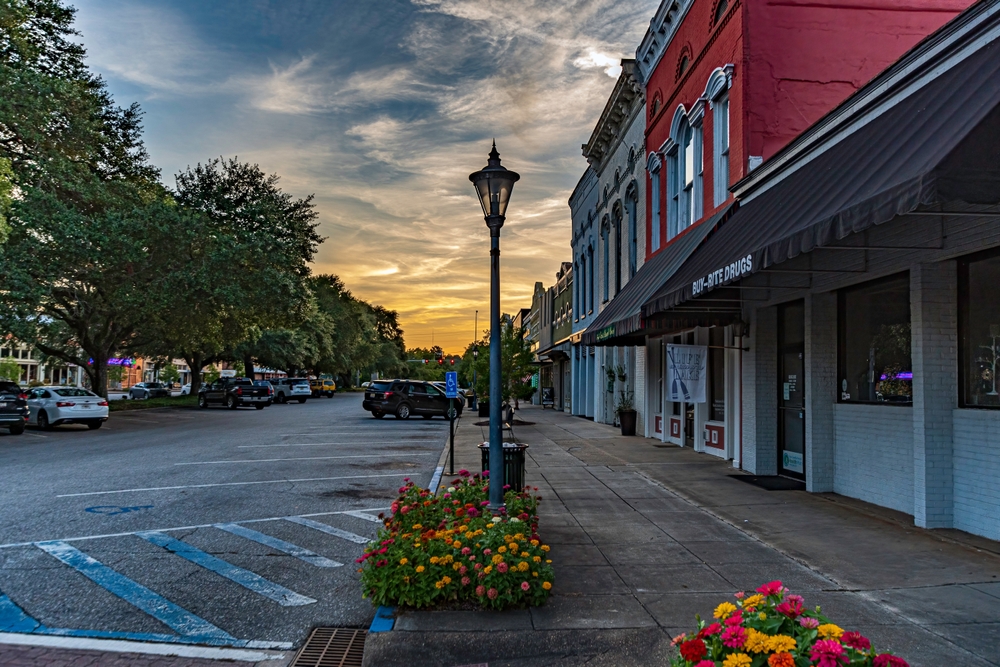
Illinois is charming for some, yet rising taxes can outpace retirees’ fixed incomes, creating a financial stressor. Coupled with a lifestyle many perceive as slowing in pace, it’s losing its grip as a retirement haven.
Amidst its rich offerings of art and history, the cost of daily life, including property and income taxes, can overshadow the appeal. For those eyeing retirement beyond Illinois, exploring states with lower tax burdens and vibrancy in daily life becomes a logical path.
3. New York offers cultural perks but high living costs deter retirees.

New York City dazzles with cultural flair and iconic landmarks, but its high living costs create barriers for retirees aiming to stretch their savings. The pull between vibrant city life and budget constraints is palpable.
Housing, healthcare, and daily essentials carry hefty price tags, urging retirees to reconsider. While the allure of Broadway remains, some find solace looking beyond state borders for similar cultural richness with a more favorable financial picture.
4. Connecticut sees retirees looking elsewhere due to increased property taxes.
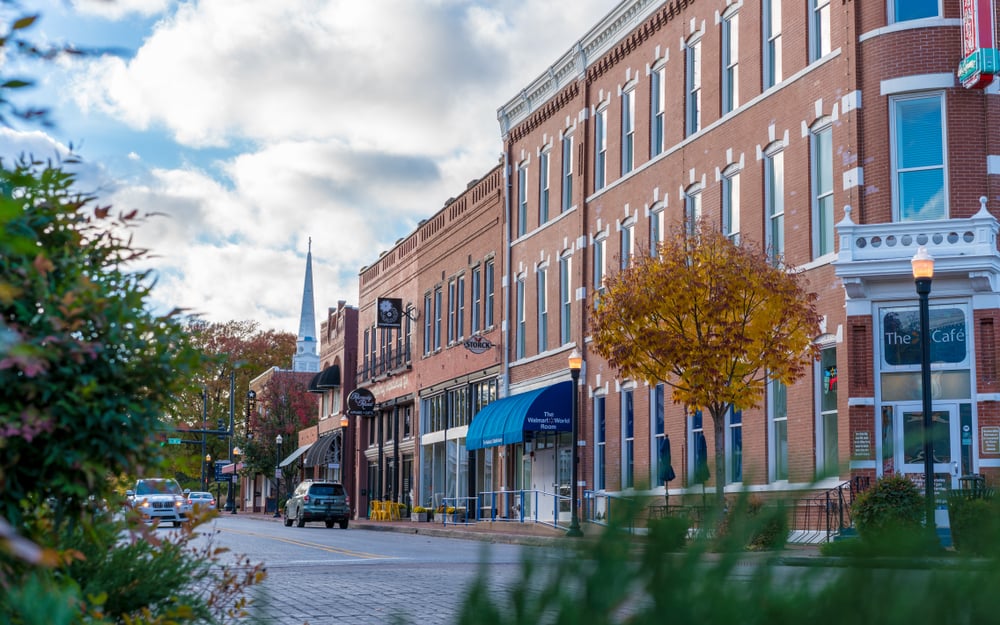
Connecticut exudes New England charm in its historic towns, yet escalating property taxes are causing retirees to look elsewhere. This financial burden can diminish enthusiasm for retiring within its scenic borders.
For those on fixed incomes, the rising cost of remaining in this picturesque area can be overwhelming. Many explore neighboring states offering similar charm but with a lighter tax load, ensuring retirements are both enjoyable and economically stable.
5. Michigan wrestles with weather extremes and shrinking urban job markets.
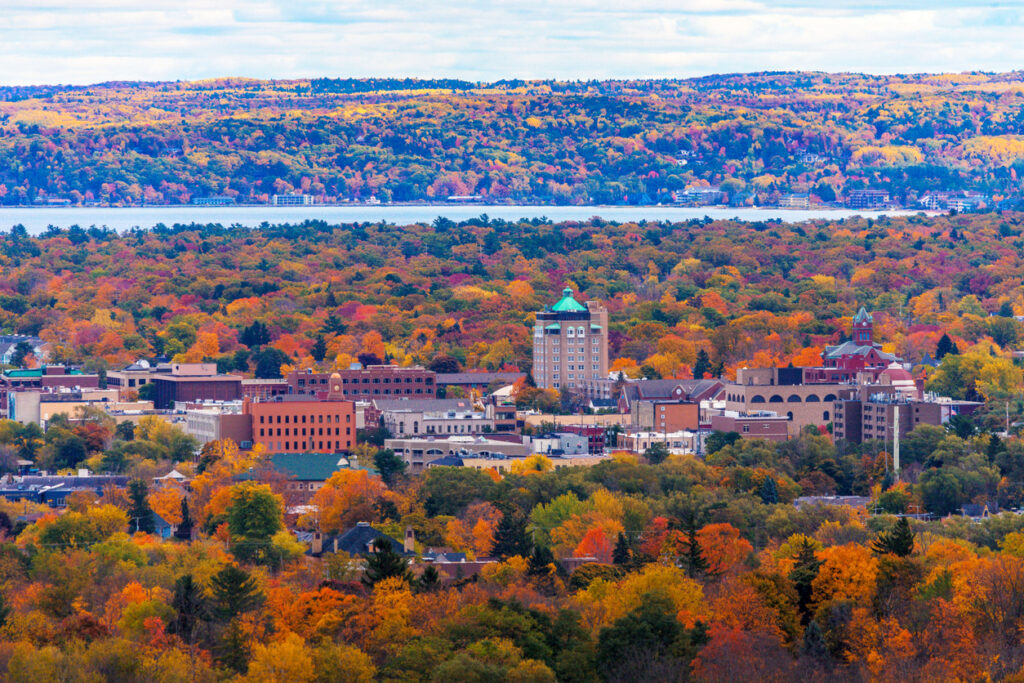
Michigan offers lush forests and lakeside tranquility, yet its harsh weather and shrinking urban job markets deter potential retirees. Severe winters and unpredictable seasons can impose a severe lifestyle test.
The declining job market in urban centers also stifles economic vibrancy, crucial for those desiring second careers or staying engaged. Smaller cities may lack the amenities retirees wish to enjoy, prompting them to pursue locations with temperate climates and hearty economic engines.
6. Louisiana experiences concerns over climate risks and fluctuating economy.

Louisiana’s spicy cuisine and vibrant culture are enticing, but climate risks like hurricanes command attention. The state’s fluctuating economy further complicates retirement plans for many.
Weather volatility, combined with economic shifts impacting local communities, can pose risks that outweigh the region’s traditional lure. Retirees seeking stable environments might prioritize states less susceptible to severe weather and economic unpredictability, ensuring their planned lifestyle endures any unexpected changes.