
Experts identify the world’s most at-risk cities and regions if a nuclear conflict ever turns real.
Understanding which places to avoid during a nuclear war is crucial for personal safety and survival. Key danger zones often include major cities, military bases, and government buildings, which are likely targets due to their strategic importance. Radiation fallout, blast radius effects, and secondary hazards complicate risk further. Staying informed about these high-risk locations and recognizing safe zones can help in preparing effective evacuation plans and minimizing exposure to harm.
1. Major cities present the highest risk during a nuclear conflict.

In the event of a nuclear conflict, major cities become focal points of risk due to their dense populations and economic significance. These urban centers often host key infrastructure and institutions that can be strategic targets. The resulting chaos compounds from both immediate and long-term effects.
Beyond human targets, the critical infrastructure in cities may also suffer severe damage, including telecommunications, power grids, and essential services, ICRP reports. This impact on daily life can further escalate the danger, making survival and evacuation arduous amid crumbling systems and resources.
2. Military bases could be primary targets in nuclear warfare.

Military installations hold strategic value, making them prime targets in nuclear scenarios. Bases often house advanced weaponry and are critical for command and control operations, increasing their vulnerability. A direct hit could neutralize military capabilities and disrupt defense strategies.
Even if unharmed by a direct strike, areas around military bases could still face severe fallout. This fallout—driven by wind patterns—carries radioactive particles that pose widespread environmental and health risks, extending danger far beyond initial blast zones, as mentioned in ICAN.
3. Government buildings usually face significant threats in such scenarios.

Government buildings are integral to national stability and thus face heightened threats during nuclear warfare. These sites often house decision-makers and critical records, making them desirable targets for neutralizing authority. An attack here aims to destabilize governance and emergency response.
The fallout from such an attack can spread panic beyond the immediate vicinity, disrupting civilian life and emergency services elsewhere. Graffiti-covered barricades may rise, and communication lines could fail, leaving communities struggling to find information and guidance, according to MIRA Safety.
4. Industrial complexes may suffer devastating damage in nuclear attacks.
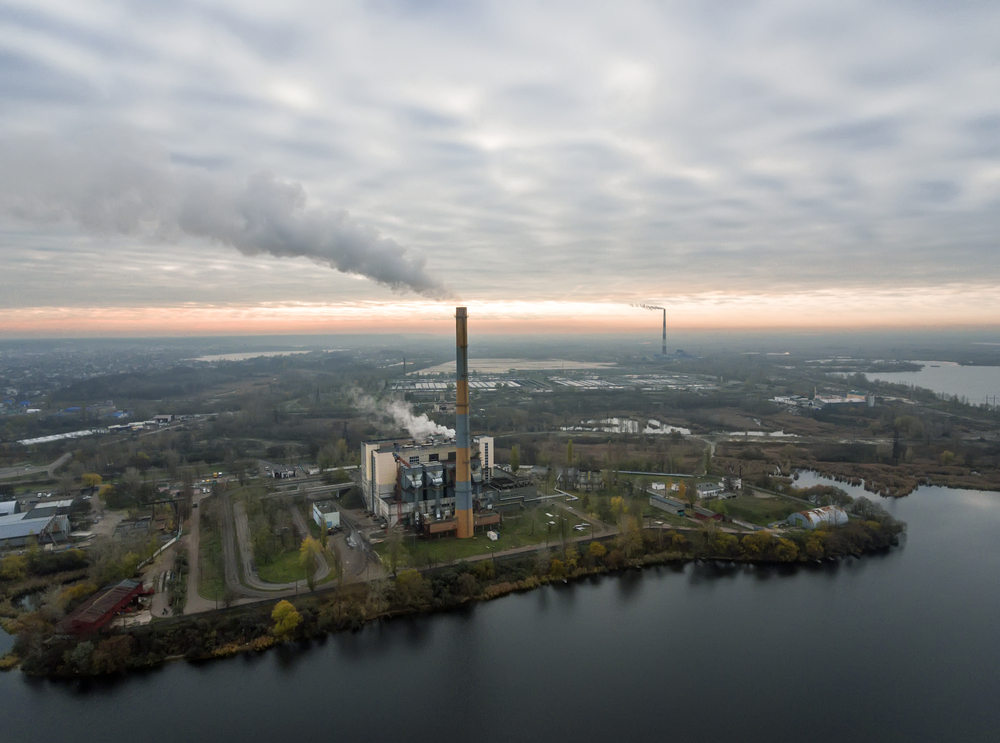
Industrial complexes manage vast resources, including energy, chemicals, and manufacturing, making them vulnerable in nuclear attacks. With interconnected machinery and workforce reliance, these areas can experience catastrophic disruptions. Destruction here impacts not just output but also the environment.
Damaging these facilities can release hazardous materials, spreading contamination through air and water. This chemical fallout can be as dangerous as radioactive fallout, impacting health and safety long after the initial explosion has subsided.
5. Ports and airports often become strategic targets during conflicts.

Ports and airports serve as logistical arteries, crucial during conflicts for mobility and supply chains. Strategically, they are prime targets in nuclear scenarios, where disabling these hubs cripples transport and economic movement. Instantaneous strikes can isolate regions and halt evacuations.
Without access to these transit points, evacuation efforts become labyrinthine and delayed, trapping individuals as fallout lingers. The immobility adds layers of complexity in attaining safety, stranding people amidst threats both seen and unseen.
6. Nuclear power plants might be dangerous zones after an attack.
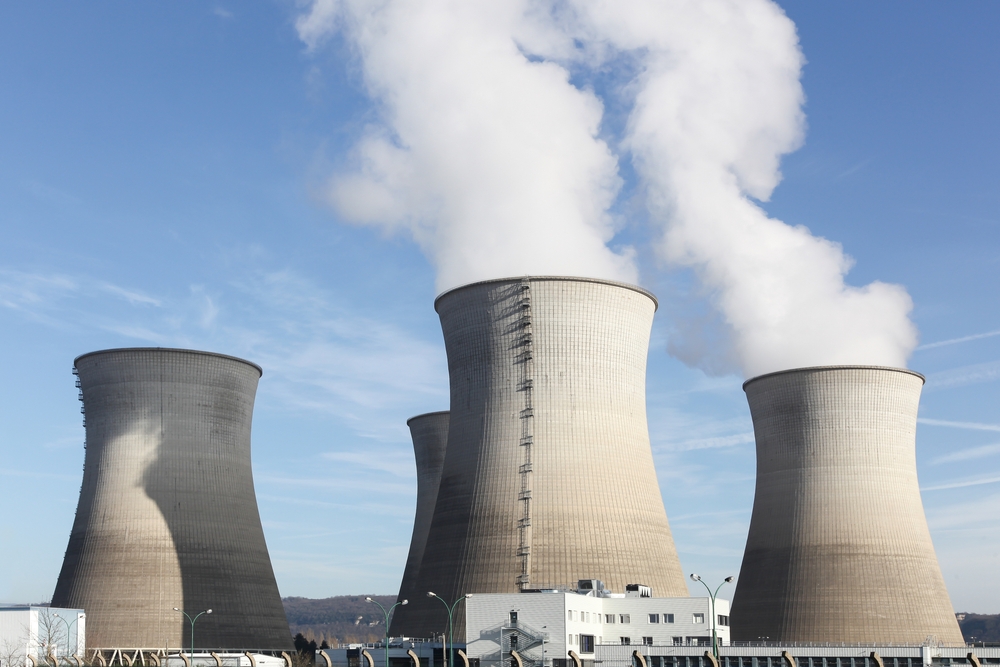
Though not immediate targets, nuclear power plants are potentially hazardous zones if attacked. Compromising these facilities can lead to unrestrained radiation release spreading beyond intended blast areas. The effect extends well past typical range concerns.
Power plant breaches can instigate uncontrolled meltdowns, amplifying radiation dangers beyond the initial impact. This thread of potential disaster affects communities widely, transforming secure perimeters into encroaching threats that demand urgent evacuation and extensive containment efforts.
7. Large population centers increase risk due to concentrated targets.

Large population centers present risks not only from direct attacks but due to their concentration of strategic assets. With critical facilities within reach, these areas’ vulnerability heightens. The fallout can profoundly exacerbate health crises and infrastructure collapse.
Residences, schools, and businesses can morph into chaotic clusters, complicating emergency responses. The psychological strain of residing in a potential target adds to physical danger, prolonging trauma as communities grapple with uncertainty about if or when they might be hit.
8. Transportation hubs typically attract attention in nuclear emergencies.

Transportation hubs, lying at the heart of logistics and movement, draw attention in nuclear emergencies. Targeting these facilitates hinders troop movements and emergency evacuations, escalating tension. The consequence is not merely immediate but reaches long into post-impact recovery.
Disruption at transit centers complicates evacuation strategies and aid delivery. With congested pathways, escape becomes difficult and hazardous, forcing people to navigate densely packed routes amid rising radiation levels, increasing exposure risk.
9. Strategic communication centers are likely to be heavily targeted.

Strategic communication centers direct essential services and military coordination, hence becoming focal targets. Severing such lines handicaps national response efforts, leaving regions isolated and incapable of effective resistance or recovery during nuclear engagements.
The loss of communication impairs public safety alerts, compounding misinformation and the resultant chaos. As silence sweeps over data and broadcast lines, communities may rely on outdated information, escalating confusion and leaving individuals vulnerable to misinformation-driven decisions.
10. Border regions near hostile countries pose increased potential danger.

Border regions near antagonistic nations heighten potential danger due to proximity and geopolitics. They may serve as flashpoints where tensions ignite, leading to preemptive strikes. Here, the triggering of conflict could be sudden and severe.
Given their location, these areas may see rapid escalation and military focus. Civilians in such locales face risks from immediate conflict onset and the pressure from cross-border incursions, impacting innocent lives caught at the frontline of geopolitical tensions.