
Divorcing after 50 brings unique emotional and financial obstacles that require thoughtful preparation and care.

Divorcing after 50 introduces complex emotional and financial challenges that differ significantly from those faced earlier in life. Individuals must navigate changes in retirement plans, social networks, and family dynamics while managing feelings of loneliness and uncertainty. Understanding these challenges enables better preparation for a smoother transition and supports maintaining well-being during this critical life stage.
1. Coping with feelings of loneliness and social isolation after divorce.

Feelings of loneliness and social isolation often accompany divorce, especially after 50. Suddenly, social situations and friendships may shift, leaving individuals feeling adrift. The absence of a partner can create a void in daily life, intensifying feelings of solitude, according to Verywell Mind.
While initial loneliness is common, seeking connection with peers can help diminish these feelings. Joining clubs or participating in community events may ease isolation and offer fresh opportunities for interaction. Building new networks offers not just companionship but also emotional support during and after the transition.
2. Navigating changes in your financial situation and retirement plans.

Divorcing later in life significantly impacts financial situations, including retirement plans. Often, anticipated financial security dwindles when shared assets are divided. Adjustments to income expectations and spending habits become necessary to preserve stability.
Evaluating retirement funds and rethinking financial strategies reassure long-term security. Consulting financial professionals can clarify options, ensuring that retirement plans adapt to new circumstances. Proactive planning and strategic decisions may ease transitions by securing a stable post-divorce financial future, as per researchers at APA.
3. Managing complex family dynamics with adult children and grandchildren.

Divorce after 50 often disrupts family dynamics, challenging relationships with adult children and grandchildren. Emotional tensions may arise, affecting family gatherings and interactions. Navigating these changes demands sensitivity and understanding to maintain valued connections.
Open communication with family members fosters growth and understanding despite shifts in traditional roles. Balancing familial expectations with personal needs requires diplomacy to maintain positive relationships, NIH experts shared. Approaching family life with empathy smooths the process, encouraging mutual respect and support.
4. Adjusting to living alone and creating a new daily routine.

Adjusting to life alone after a lengthy partnership involves establishing a new daily routine. Many find solace in developing personal interests or hobbies that were previously unexplored. Crafting a life that embraces and prioritizes personal preferences becomes a fulfilling endeavor.
Creating a personalized routine relieves the initial dissonance experienced from living alone. Incorporating daily activities that nourish the mind and body encourages a sense of purpose. Embracing independent living empowers individuals, fostering confidence and autonomy post-divorce.
5. Dealing with the emotional impact of ending a long-term partnership.
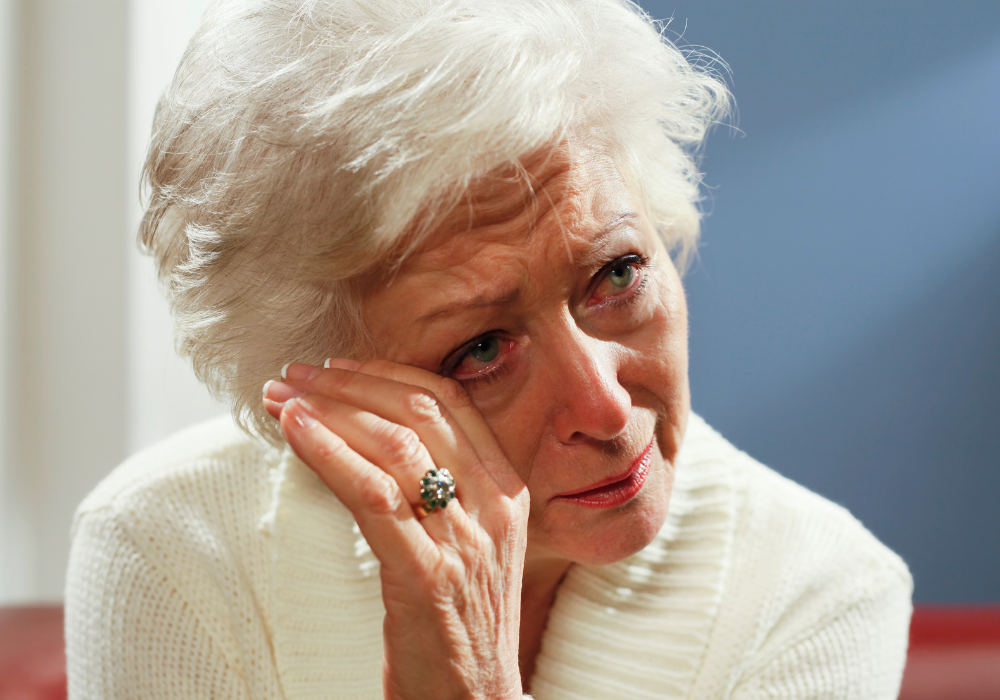
The end of a long-term partnership brings a profound emotional impact. Grieving the loss of a shared history can shadow daily life, causing emotional turmoil. Accepting these feelings as part of a natural progression helps individuals process their experiences.
In time, emotions stabilize, allowing personal growth and new beginnings to unfold naturally. Friends and family may provide necessary support, guiding emotional recovery. Acknowledging and working through complex emotions paves the way for healing and eventual acceptance.
6. Handling legal procedures and paperwork that feel overwhelming.

The legal aspects of divorce often feel daunting, especially when contending with paperwork. From property division to updating wills, these tasks demand careful attention. Adhering to legal procedures ensures fair resolution and clarity in the future.
Professional guidance is crucial for navigating the intricacies of divorce proceedings. Experts help untangle complex decisions, providing clarity, and ensuring obligations are met. Leveraging professional experience reduces stress, ensuring that legal matters are handled with precision and care.
7. Facing uncertainty about future romantic relationships and companionship.

Uncertainty about future romantic possibilities can be intimidating post-divorce. Questions about companionship and relationships in later life often surface, prompting introspection. Prior relationships shape perspectives, influencing readiness to embrace new opportunities.
Acknowledging these uncertainties allows for personal growth and self-discovery. Transitioning gradually, without pressure, offers space to rebuild confidence. Exploring companionship at one’s own pace encourages authentic connections, suitable for the newfound phase of life.
8. Rebuilding your self-confidence and personal identity after divorce.

A divorce can shake self-confidence and unsettle personal identity. Individuals may question themselves, their choices, and their future. This period of uncertainty offers a chance to redefine and explore personal goals and aspirations.
Rebuilding self-confidence involves exploring new interests or revisiting neglected talents. Engaging with like-minded individuals encourages renewed self-assurance and inspiration. Embracing personal evolution leads to a more solidified sense of self, fostering a gratifying and fulfilling life journey.
9. Understanding how divorce affects your health and well-being.

Divorce’s impact extends to health and well-being, often manifesting physically through stress-related symptoms. Emotional distress can trigger health concerns if left unchecked. Recognizing these effects highlights the importance of prioritizing mental and physical health.
Engaging in healthy practices and stress management improves overall well-being. Physical activity, adequate sleep, and social support contribute to recovery. Addressing health holistically strengthens resilience and enhances quality of life during and after the divorce transition.
10. Balancing splitting assets fairly while protecting your financial interests.

Fair asset division is key to ensuring financial stability. Balancing equitable distribution with financial interests requires meticulous oversight, particularly when managing complex assets. Protecting personal financial well-being while reaching a fair settlement benefits both parties.
Professional assistance in valuation and asset allocation simplifies complex decisions, upholding transparency. Detailed financial evaluations ensure fair and mutually satisfactory outcomes, fostering confidence in post-divorce financial arrangements. Strategic planning maintains financial integrity and peace of mind.
11. Finding new social circles and support networks to avoid isolation.

Divorce after 50 can result in dwindling social ties. Friend circles may change, emphasizing the necessity to forge new relationships. Deliberately broadening social horizons enriches personal life and combats isolation.
Connecting through shared activities offers companionship and enhances well-being. New friendships replenish social networks, bringing vitality and novel perspectives. A proactive approach to social engagement secures meaningful interaction, fostering a connected and fulfilling life journey.