
Boomers without savings are using these smart strategies—and it’s paying off fast.

You’re staring down retirement age with little to no savings, and the panic is real. It feels like everyone else got the memo about 401(k)s and compound interest while you were just trying to get through life. But guess what? You’re not doomed. You can absolutely take control of your future—even if you’re late to the savings game. It’s easy to fall into the trap of regret or shame, but that won’t fund your retirement. What will?
Smart, bold moves that prioritize income, cut the fluff, and set you up for a better second act. You don’t need to win the lottery or invent the next big app. You just need a plan—and the guts to follow through. These ideas aren’t pipe dreams. They’re practical, doable, and designed for right now.
1. Downsize your living space before it drains you dry.

If your house is bigger than your budget, it’s time to rethink your space. A lot of Boomers hang on to the family home out of nostalgia, but that emotional attachment can come with sky-high property taxes, maintenance, and utility bills. Selling now and moving into a smaller, cheaper place isn’t admitting defeat—it’s freeing up cash and reducing stress, as mentioned in Nasdaq by Joseph Rosenfeld. Imagine ditching the lawn care and repairs for something cozier, cheaper, and easier to manage.
That equity sitting in your walls? It could be your golden ticket to staying afloat and even padding your savings. Downsizing doesn’t mean downgrading your life. In fact, it can actually open the door to a simpler, more fulfilling lifestyle—without all the financial strain that comes from holding on too long to a memory.
2. Turn your side hustle into a serious income stream.

If you’ve got a talent, a hobby, or even a halfway decent work ethic, you’ve got options. Side gigs aren’t just for twenty-somethings anymore—Boomers are cashing in on their skills by freelancing, consulting, tutoring, pet sitting, or selling handmade crafts online. The beauty is you don’t have to commit to a full-time job; you just need to consistently bring in extra money. It adds up fast.
You’ve got decades of experience that younger folks will pay for—you just have to put yourself out there. Sites like Upwork, Etsy, TaskRabbit, and Rover are easy ways to start, according to Yahoo! Finance. A little hustle on the side can take a huge load off your finances. Plus, staying busy and productive helps you feel more confident, which is a nice bonus when your savings account feels bare.
3. Rent out a room and let your house pay you.
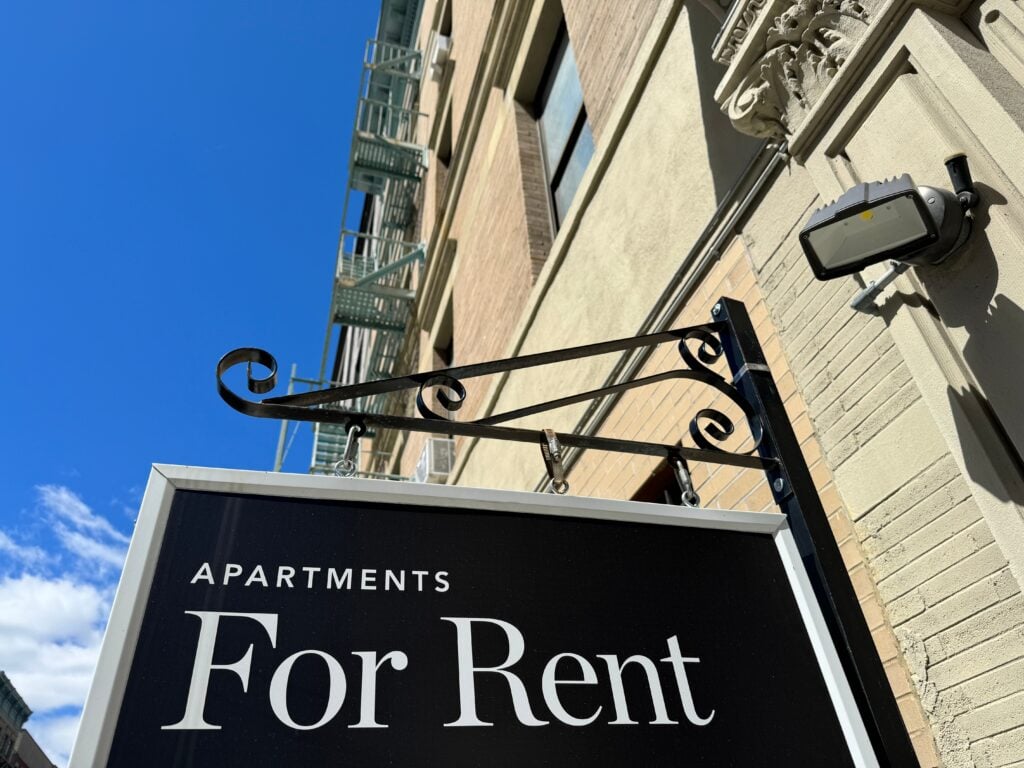
Got an extra bedroom gathering dust? That space could be your next paycheck. Boomers all over are renting out spare rooms to traveling nurses, remote workers, students, or even Airbnb guests—and it’s bringing in real money. You don’t have to run a bed-and-breakfast empire, just open the door to someone who needs short-term housing and is willing to pay for it, as reported in MarketWatch. If you’re nervous about strangers, focus on long-term renters or people referred through trusted platforms.
The key is using the space you already have to generate income instead of letting it sit empty. You’d be shocked how much this can offset your living expenses. Plus, if you live alone, a renter can offer some companionship—or at least keep the house from feeling too quiet.
4. Delay taking Social Security so your checks get bigger.

It’s tempting to grab Social Security the minute you qualify, especially if money’s tight. But waiting just a few years can seriously boost your monthly payments. Every year you delay past age 62, your benefit grows—up to age 70. That difference can mean hundreds more per month for the rest of your life.
Think about that: a short-term delay for long-term security. If you can find a way to make ends meet in the meantime—through part-time work, a roommate, or downsizing—waiting could be one of the smartest financial decisions you make. It’s like giving yourself a raise that never goes away. It takes a little planning and patience, but if you’re healthy and expect a long retirement, this move alone can significantly ease your future stress.
5. Cut out all the spending that’s bleeding you dry.

You might not have a six-figure nest egg, but chances are you’re spending money on stuff you don’t actually need. Those monthly subscriptions? Unused. Daily takeout? Adds up fast. Old habits can quietly drain your wallet, especially when you’re not watching every dollar. Take a brutally honest look at your expenses—then slash the fluff.
Cancel that gym membership you never use. Switch to a cheaper phone plan. Stop impulse-buying online just because it’s “on sale.” The goal isn’t to live miserably—it’s to make sure your money’s going where it actually matters. Once you get past the initial shock of cutting back, you’ll be amazed how freeing it feels to simplify. You’ll stop feeling broke all the time, because you’ll actually keep more of what you earn.
6. Move to a low-cost area and stretch every dollar.

Living in a pricey city might’ve made sense back in your career days, but now? It could be eating your retirement alive. There are plenty of smaller towns and rural areas with lower costs of living, cheaper housing, and slower paces that are perfect for Boomers trying to make ends meet. Selling your current home in an expensive market and relocating could leave you with a healthy financial cushion and less pressure to hustle.
Healthcare, groceries, and utilities often cost less, which means your money goes a whole lot further. And don’t worry—you’re not moving to the middle of nowhere (unless you want to). Plenty of affordable communities have great amenities and a strong sense of connection. The key is making a smart move—not just a cheaper one.
7. Get real about working longer—but on your own terms.

Nobody wants to work forever, but if you don’t have retirement savings, a few extra working years could save your financial life. That said, you don’t have to stay in a soul-sucking job. Look for flexible gigs, part-time roles, or even self-employment options that allow you to work with less stress and more control. You’ve got skills—use them in a way that supports your lifestyle without burning you out.
Plus, staying employed means you’re not tapping into Social Security or what little savings you may have just yet. Even working two or three days a week can keep you afloat and ease financial pressure. The trick is finding work that fits your energy level and goals. This isn’t about grinding—it’s about extending your runway, wisely.
8. Use catch-up contributions to boost savings fast.

If you’ve got a little wiggle room in your budget, now’s the time to play catch-up—literally. People over 50 can contribute more to retirement accounts like IRAs and 401(k)s than younger folks, and that extra space can help you grow your savings faster than you think. It might feel pointless if you’re late to the game, but it’s not.
Even a few solid years of maxing out contributions can make a big dent. And because of your age, you’ll be able to access those funds sooner without penalties. Think of this as a last-minute sprint—it’s not about becoming a millionaire, it’s about making things more manageable down the road. You’ve got a window of opportunity. Use it before it slams shut, and your future self will thank you.
9. Look into benefits and programs you might’ve ignored.

If you’re struggling, don’t overlook the help that’s already out there. Tons of Boomers miss out on government programs, senior discounts, or nonprofit services simply because they never check. Whether it’s food assistance, reduced utility rates, free medical clinics, or housing support, there’s no shame in getting help. You paid into the system for decades—this is your turn to get some of that back.
You might also qualify for tax breaks, prescription savings, or even job training for older adults. Spend an afternoon digging around local and federal websites or call a senior resource center in your area. There are people and programs designed exactly for your situation. You just have to ask. The worst thing you can do is struggle silently when support is sitting there, waiting.