
They don’t just tolerate the elderly—they cherish them.

In some parts of the world, getting older isn’t something to hide or dread. It’s a stage of life honored with admiration, woven into daily life with reverence and purpose. These cultures don’t ask older adults to stay “young at heart”—they give them a seat of influence, visibility, and grace.
These ten countries show what it looks like when age is respected rather than feared—and how it transforms the experience of growing older.
1. Japan views aging as a privilege, not a burden.
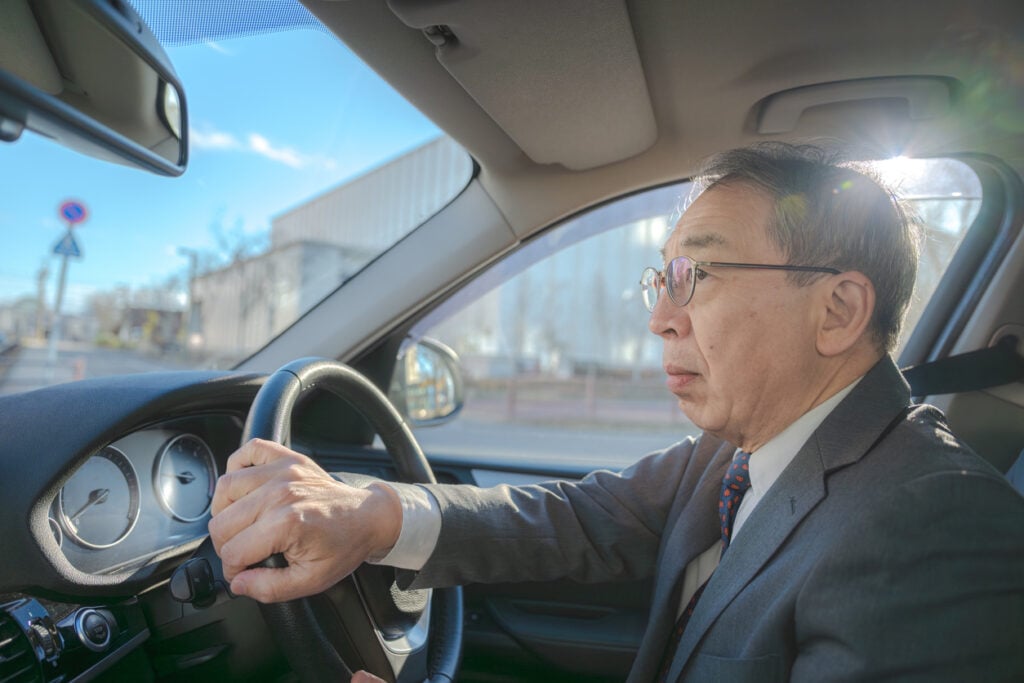
In Japan, elders aren’t shuffled aside—they’re celebrated. Older adults are seen as living libraries of experience, and their opinions carry serious weight in both family and community decisions. “Respect for the Aged Day” is a national holiday, and multigenerational households remain common.
What’s striking is how integrated older people are in everyday life. It’s not unusual to see a 75-year-old running a shop or teaching a class. Aging doesn’t mean retreating. It means evolving into a new kind of relevance, according to HuffPost. That quiet reverence creates a culture where getting older feels less lonely—and far more dignified.
2. South Korea honors family elders with deep formality.
In South Korea, respect for age is embedded in the language itself. Entire verb structures change based on someone’s seniority. Elders are bowed to, spoken to with reverence, and often hold financial and emotional sway in the family well into old age.
Even outside the home, older adults are prioritized in public transportation and healthcare. While modernization has softened some of these traditions, the underlying belief—that older people deserve visibility and honor—remains, as mentioned in The Week. It’s not performative. It’s cultural DNA. That deeply rooted respect softens the fear of growing older.
3. Italy keeps older adults at the heart of the family.

Italian culture is famously centered around family—and that includes grandparents and aging parents in a very real, everyday way. It’s normal for extended family to live close, share meals weekly, and maintain constant involvement in each other’s lives.
Older adults aren’t treated like fragile ornaments. They cook, advise, argue, and laugh with everyone else. They’re visible. Valued. And often treated as the glue holding things together, as reported in Bring Back Data. In a society that prioritizes connection over independence, aging feels less like isolation and more like a promotion.
4. Greece treats aging as a seat of power.

In many Greek villages, the elders are the ones people turn to for wisdom, not because they’re old—but because they’ve lived. Their opinions are respected in public discussions, family disputes, and community traditions. They carry social weight, not social invisibility.
There’s also a cultural softness around aging. Wrinkles and gray hair aren’t stigmatized—they’re normal. You’ll see older women in markets, older men sipping coffee in town squares, not hidden away but fully present. The message is clear: you’re not done mattering just because your youth has passed.
5. India views elders as sacred guides.

In India, aging brings status. Elders are often considered spiritual anchors in the home. They’re asked for advice on major decisions and are usually the final word in family matters. The notion of “filial piety” isn’t just about duty—it’s about reverence.
Even in urban areas, older adults are central to rituals, traditions, and seasonal celebrations. Their role is not to fade but to guide. In many Indian households, grandparents help raise grandchildren—not out of obligation, but because their presence is considered essential to raising grounded, respectful kids.
6. Costa Rica lets older adults live vibrantly, not quietly.
Costa Rica’s Nicoya Peninsula is one of the world’s Blue Zones, where people frequently live past 90 and 100 in excellent health. But it’s not just about diet or clean air. It’s about cultural attitudes that value older adults as contributors, not burdens.
In Costa Rica, elders often stay active—working, socializing, and mentoring well into advanced age. There’s no pressure to “slow down” unless they want to. Their stories are listened to. Their time is respected. Aging here doesn’t mean becoming irrelevant—it means hitting a new stride.
7. China grounds its values in filial duty.
China’s Confucian roots have long elevated the role of elders. Respect for one’s parents and grandparents is considered a moral obligation. This isn’t just about cultural tradition—it’s reinforced through policy, such as laws requiring adult children to visit their aging parents.
In daily life, older adults are often financially supported by younger generations, and multigenerational households are still common in both rural and urban settings. While modernity has added some tension, the underlying belief holds strong: age demands respect, not avoidance.
8. France prioritizes dignity and beauty in aging.
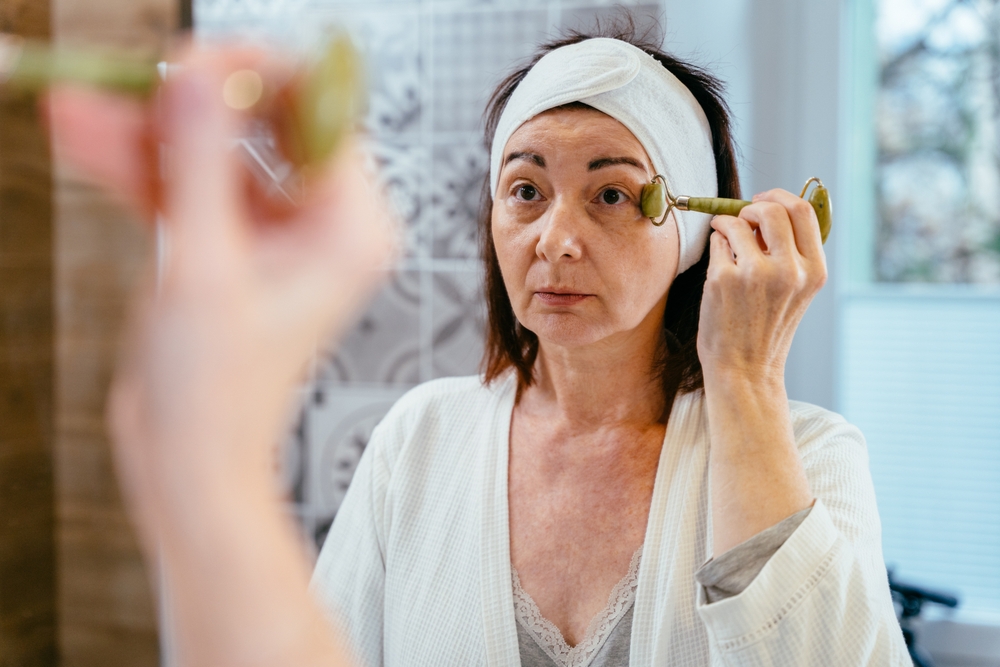
In France, aging is less about resisting time and more about aging with grace. Older adults aren’t pushed to stay “young-looking” through extreme makeovers or trendy surgeries. Instead, they’re encouraged to express style, wit, and sensuality in ways that evolve naturally with age.
French culture allows older people to remain visible—walking down the street in great coats, sipping espresso, contributing to public life without apology. Aging is allowed to be elegant, not erased. That permission to age without shame creates a more balanced emotional relationship with growing older.
9. Sweden empowers older adults through independence and care.
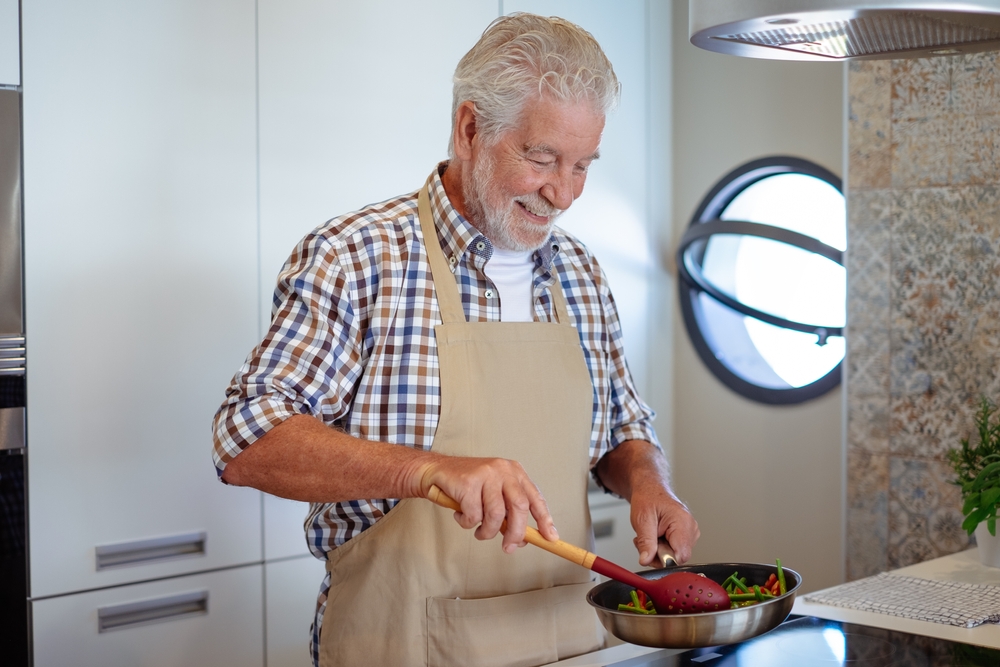
Sweden balances independence with support in a way that’s rare. Aging isn’t a crisis there—it’s expected and prepared for. The country invests heavily in elder care, mobility access, and community design that lets people stay active longer.
But what makes it stand out is the autonomy older adults are given. They’re not pushed into dependence or treated like fragile beings. They participate in clubs, attend classes, and stay politically active. Aging here means adapting, not withdrawing. And that mindset is reinforced in policy and culture alike.
10. Peru keeps its elders visible in community life.
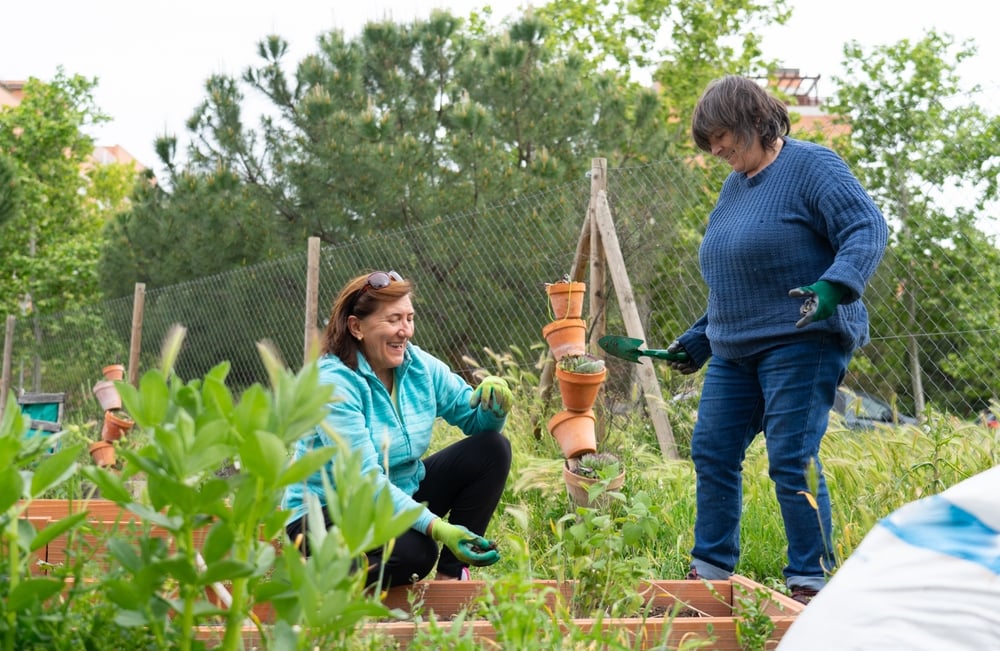
In many parts of Peru, especially indigenous communities, older adults hold respected roles as spiritual leaders, oral historians, and community advisors. Their wisdom isn’t just appreciated—it’s sought out. Youth are taught to listen when an elder speaks.
This cultural integration creates an environment where growing older doesn’t isolate you—it weaves you deeper into the fabric of daily life. Their presence is expected in festivals, planning meetings, and even conflict resolution. It’s a beautiful reminder that aging can add value—not diminish it.