
Some wellness fads of the ’60s are better left in the past.

The 1960s were a golden era of cultural experimentation, and that included a fair share of oddball health trends. Back then, people were sold on all kinds of “healthy” habits that promised vitality, beauty, or a longer life. But viewed through today’s lens, many of those once-popular routines would have doctors raising their eyebrows—or throwing up red flags.
Here are 11 so-called healthy habits from the 1960s that doctors today would quickly shut down.
1. Smoking to relieve stress was practically therapy.

Back in the ’60s, lighting up a cigarette wasn’t just normal—it was seen as a legitimate way to manage stress or stay slim. Ads even pitched cigarettes as a health-conscious choice, with doctors appearing in commercials to endorse specific brands. Some people truly believed that smoking could help calm nerves and regulate emotions. It was woven into daily life like a hot cup of coffee.
2. Drinking raw eggs for strength was fitness gospel.

Inspired by athletes and action stars like Rocky Balboa (who made the raw egg shake iconic), many men in the 1960s swore by downing a glass of uncooked eggs in the morning. It was believed to be a muscle-building, protein-packed start to the day. This habit was especially common among gym-goers and young men trying to bulk up without supplements.
3. Sunbathing without sunscreen was a sign of good health.

In the ’60s, having a deep tan wasn’t just trendy—it was seen as a sign of vitality. People baked in the sun for hours using baby oil, tanning reflectors, or homemade concoctions designed to “fry” their skin into the perfect golden glow. Sunscreen was either nonexistent or dismissed as unnecessary unless you were prone to sunburn.
4. Drinking whole milk with every meal was non-negotiable.

In many 1960s households, a tall glass of whole milk accompanied breakfast, lunch, and dinner. Parents were told milk built strong bones, so kids were expected to guzzle it down at every opportunity. It was a dietary staple across age groups, often promoted by government campaigns and health organizations.
But today’s dietary guidelines have evolved. Doctors now recognize that while milk contains calcium and vitamin D, it’s not the only source—and the saturated fat in whole milk can be problematic for heart health.
5. Using amphetamines to lose weight was totally normal.

In the 1960s, women were routinely prescribed amphetamines by their doctors to help shed a few pounds. These “diet pills” were promoted as appetite suppressants that could melt fat without effort. And since they were handed out with a prescription pad, people assumed they were safe.
We now know that amphetamines can be incredibly dangerous when misused. They can lead to heart problems, addiction, mood disorders, and even psychosis when taken long-term or in high doses.
6. Taking cod liver oil was a daily household ritual.

Every morning, many kids in the 1960s were handed a spoonful of cod liver oil before breakfast. It was believed to boost immunity, improve vision, and protect against a host of illnesses. While it does contain omega-3s and vitamins A and D, it wasn’t exactly a kid-friendly experience—the taste alone could ruin your whole morning.
Modern doctors have mixed feelings about this one. While the nutrients are valuable, they’re available in more palatable and controlled forms now, like capsules or balanced foods.
7. Using rubbing alcohol to bring down a fever was common.

It wasn’t unusual for parents to dab rubbing alcohol on their feverish children’s skin in the 1960s. The idea was that evaporation would cool the body and bring down the temperature. This practice was passed down like folk medicine, and it seemed to work—at least temporarily.
Now we know that this can actually be hazardous. Isopropyl alcohol can be absorbed through the skin or inhaled, especially in children, leading to alcohol poisoning or respiratory issues. Pediatricians today strongly discourage this method and recommend safer approaches like lukewarm baths, hydration, and proper medication. What seemed like a harmless cooling trick is now considered a risky and outdated home remedy.
8. Doing vigorous calisthenics without warmups was encouraged.

Before boutique gyms and personal trainers were a thing, calisthenics ruled the fitness scene. People followed along with jumping jacks, deep bends, and push-ups, often right after rolling out of bed. Warmups were rarely emphasized, and stretching was seen as optional or just for dancers.
Modern fitness science emphasizes warming up as crucial to injury prevention and performance. Jumping into intense movement cold can strain muscles, damage joints, and increase the risk of pulled ligaments. Trainers today advise gradually increasing intensity and incorporating dynamic stretches before serious exercise. The 1960s no-pain-no-gain style of jumping straight into action is now outdated and potentially harmful.
9. Swallowing tapeworm pills was a real weight-loss strategy.

It sounds like an urban myth, but in the 1960s, some women actually took pills containing tapeworm eggs to lose weight. The idea was that the parasite would consume extra calories, letting the person slim down effortlessly. Some even went so far as to advertise these pills in beauty magazines.
Needless to say, this is one of the most horrifying “health” trends ever to exist. Tapeworm infections can cause nausea, malnutrition, abdominal pain, and in some cases, life-threatening complications. Doctors today are adamant: intentional parasitic infection is never a safe or valid weight-loss method. The fact that this trend ever gained traction shows how far people were willing to go for thinness, even at the cost of their health.
10. Wearing corsets for posture was viewed as smart.

While corsets had been around for centuries, the 1960s brought a revival of girdles and posture-correcting wear, especially among women. These tight undergarments promised not just a shapely figure but also support for the spine. Some believed they were an essential part of good health and body maintenance.
These days, doctors warn against overuse of such restrictive garments. Wearing tight support wear regularly can weaken core muscles over time and restrict breathing or circulation. Temporary shaping might be fine, but relying on external support too much prevents natural muscle engagement. Physical therapists now advocate for strength training, yoga, and ergonomic support instead of cinching your waist into submission.
11. Believing margarine was healthier than butter was mainstream.
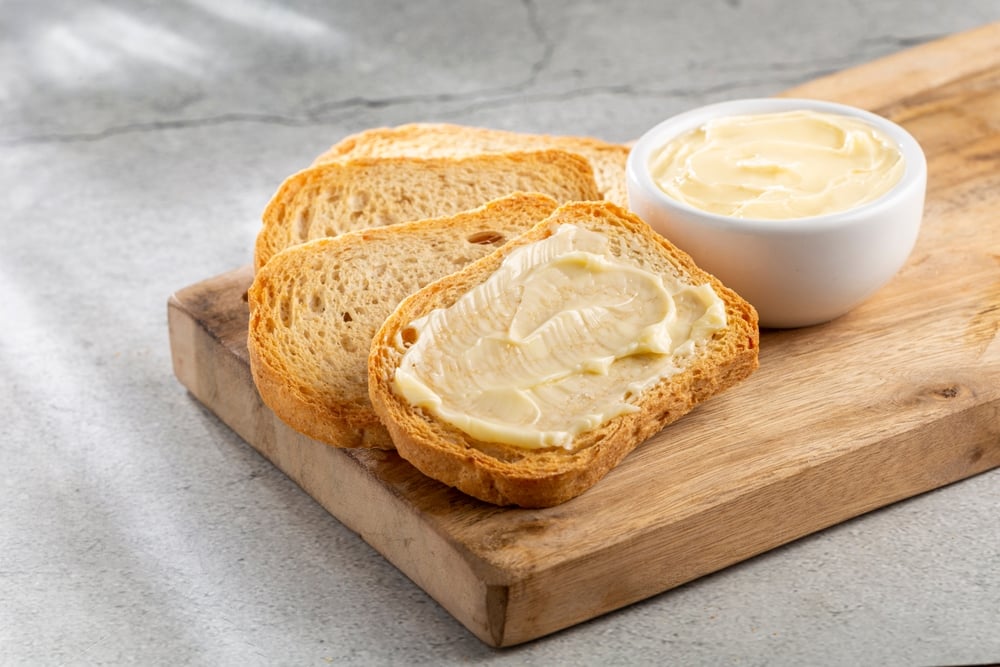
In the quest to avoid saturated fats, margarine became the go-to spread in the 1960s. It was marketed as a heart-healthy alternative to butter, with flashy packaging and promises of a better future through chemistry. People switched loyally, thinking they were making the smart, doctor-approved choice.
It wasn’t until decades later that the dangers of trans fats—common in early margarine formulas—came to light. Trans fats are now associated with higher risks of heart disease, inflammation, and stroke. Modern guidelines recommend avoiding them entirely. Today’s margarine products are often reformulated and safer, but the original ‘60s versions would be banned by today’s health standards. The well-meaning butter swap turned out to be a health setback.