
If you can ace this quiz, you might just be the reincarnation of the Bard himself.

Shakespeare might have been a literary genius, but would he be impressed with your English skills? It’s one thing to speak the language—it’s another to truly master it. Grammar rules, classic literature, and tricky vocabulary have tripped up even the smartest people, so don’t be too confident just yet.
No pressure, though—this is all in good fun. Give it your best shot, and once you’ve answered all 14 questions, the answers will be waiting for you at the end.
1. Which sentence is grammatically correct?

Bad grammar slips into everyday speech so easily that many people don’t even notice it. What sounds natural in conversation often doesn’t hold up in formal writing. Sentence structure, especially when it involves pronouns, plays a huge role in clarity. The right wording can make you sound polished, while the wrong one can make you seem careless or uneducated.
A. Me and my friend went to the store.
B. My friend and I went to the store.
C. My friend and me went to the store.
D. Me and my friend, we went to the store.
2. What is the plural form of “octopus”?

English doesn’t always play by its own rules, especially when it borrows words from other languages. Pluralizing nouns can get confusing when they come from Greek or Latin origins. If you’ve ever hesitated before saying this word out loud, you’re not alone.
A. Octopuses
B. Octopi
C. Octopodes
D. All of the above
3. Which author wrote Pride and Prejudice?
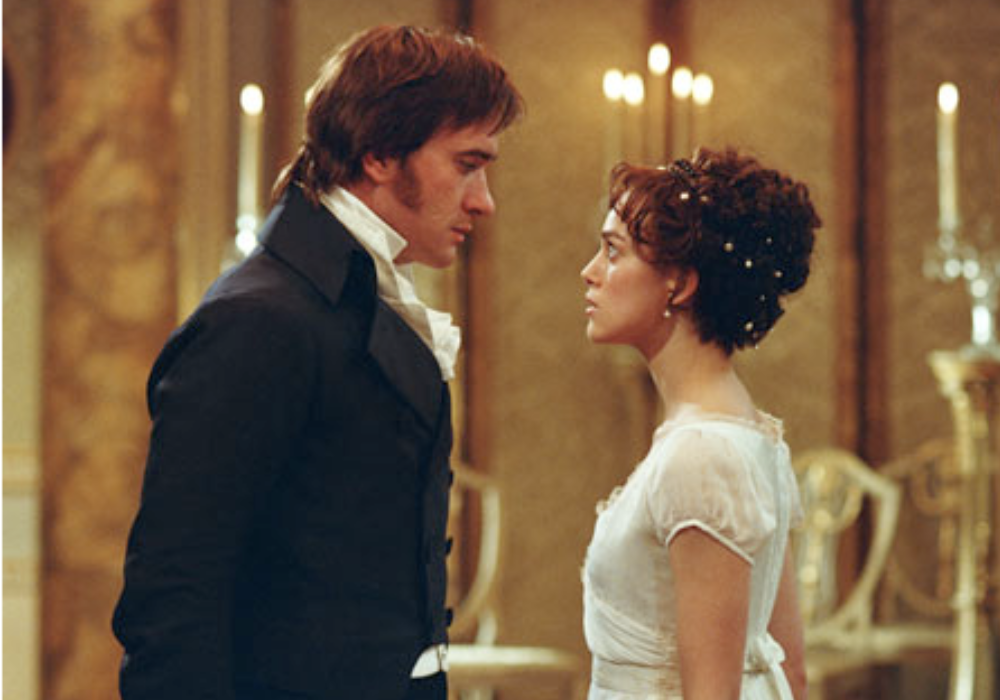
Few novels have stood the test of time quite like this one. Generations of readers have been drawn to its wit, romance, and sharp social commentary. The author behind it became one of the most influential literary voices of her time, yet many still mix her up with other famous female writers. Do you know which literary icon created this timeless classic?
A. Charlotte Brontë
B. Jane Austen
C. Emily Dickinson
D. Louisa May Alcott
4. What is the past tense of “lie” (as in reclining)?

Verb tenses can be surprisingly tricky, especially when two words sound similar but mean different things. “Lie” and “lay” are some of the most commonly confused verbs in the English language. Even native speakers get them mixed up because their past forms don’t follow a predictable pattern. If you can answer this one without hesitation, you’re ahead of most people.
A. Lied
B. Lay
C. Lain
D. Layed
5. Which sentence uses a semicolon correctly?

Some punctuation marks, like commas and periods, feel intuitive, but semicolons often leave people second-guessing. Many writers either avoid them altogether or sprinkle them in incorrectly. Understanding when and how to use a semicolon can instantly elevate your writing.
A. I wanted to go to the park; but it started raining.
B. I wanted to go to the park; it started raining.
C. I wanted to go to the park; however, it started raining.
D. I wanted to go to the park; and it started raining.
6. What literary device is being used in the phrase “The wind whispered through the trees”?

Great writing isn’t just about what you say but how you say it. Literary devices help create vivid imagery, making words come alive on the page. Recognizing these devices can deepen your appreciation for literature and strengthen your own storytelling skills.
A. Simile
B. Metaphor
C. Personification
D. Hyperbole
7. Which of these words is a synonym for “fastidious”?

Precision matters in language, and synonyms can carry subtle differences in meaning. Understanding word nuances helps improve vocabulary and communication, especially when choosing the perfect word for a situation. Can you pick the best synonym for “fastidious”?
A. Careless
B. Meticulous
C. Generous
D. Indifferent
8. What does the phrase carpe diem mean?

Some Latin phrases have worked their way into everyday English, even for those who’ve never studied the language. This particular phrase is often used as a motivational motto. It has been quoted in literature, movies, and philosophy for centuries. But do you know its exact translation?
A. Seize the day
B. Time flies
C. Enjoy life
D. Follow your heart
9. Which sentence is written in the active voice?

Sentence structure plays a major role in how effectively a message is communicated. Constructions make writing feel more engaging and direct or can create a sense of detachment or ambiguity. Understanding these differences can help improve both written and spoken communication. Which sentence follows the best practice?
A. The cake was eaten by the children.
B. The children ate the cake.
C. The cake had been eaten by the children.
D. The cake was being eaten by the children.
10. What is the correct spelling of the word meaning “to give up” or “surrender”?

Spelling in English isn’t always logical, and silent letters make it even trickier. Commonly misspelled words often don’t follow typical phonetic patterns. The word in question is often written incorrectly, even by strong writers. Only one of these options is correct, so trust your instincts—if you’ve seen it misspelled before, don’t let that throw you off.
A. Forfeit
B. Fourfeit
C. Forfiet
D. Forefit
11. Who wrote The Raven?

Dark, eerie, and unforgettable, this famous poem has left a lasting impact on literature. Its melancholic tone and hypnotic rhythm make it instantly recognizable. If you love literature, you’ve probably encountered his works before—but can you name the man behind The Raven?
A. Nathaniel Hawthorne
B. Edgar Allan Poe
C. Mark Twain
D. Robert Frost
12. What part of speech is the word “quickly” in the sentence: “She ran quickly to catch the bus”?

Every word in a sentence plays a specific role, shaping meaning and function. Some words describe actions, others describe nouns, and some modify verbs to add detail. The word “quickly” in this sentence isn’t just telling us what happened—it’s telling us how it happened. Do you know what part of speech that makes it?
A. Adjective
B. Verb
C. Adverb
D. Noun
13. Which word correctly completes this sentence? “Neither of the students ____ finished their assignment.”

Subjects and verbs must agree, but it gets tricky when words like “neither” or “each” are involved. Many people make mistakes with singular and plural verb forms in these cases. Grammar rules don’t always match the way people naturally speak, so trusting your ear isn’t always the best strategy. Can you pick the correct verb?
A. have
B. has
C. are
D. were
14. What is an example of an oxymoron?

This literary device is often used in poetry, humor, and creative writing to emphasize contradictions. Some oxymorons have become so common that people use them without even realizing the irony. Can you spot the correct example?
A. Deafening silence
B. Pretty ugly
C. Alone together
D. All of the above
Drumroll, Please! Here Are the Answers—Did You Prove Yourself a True Word Wizard?
English can be tricky, and even those who love reading and writing sometimes second-guess themselves. If you nailed this quiz, you deserve some serious bragging rights—Shakespeare himself would be impressed! If you missed a few, don’t worry; even the best word nerds slip up now and then. Language is always evolving, and the more you challenge yourself, the sharper your skills will become. Now, it’s time to see how you did!
Correct answers:
1: B. My friend and I went to the store.
2: D. All of the above.
3: B. Jane Austen.
4: B. Lay.
5: C. I wanted to go to the park; however, it started raining.
6: C. Personification.
7: B. Meticulous.
8: A. Seize the day.
9: B. The children ate the cake.
10: A. Forfeit.
11: B. Edgar Allan Poe.
12: C. Adverb.
13: B. Has.
14: D. All of the above.