
The digital age has rewritten the rules of social interaction—and not for the better.
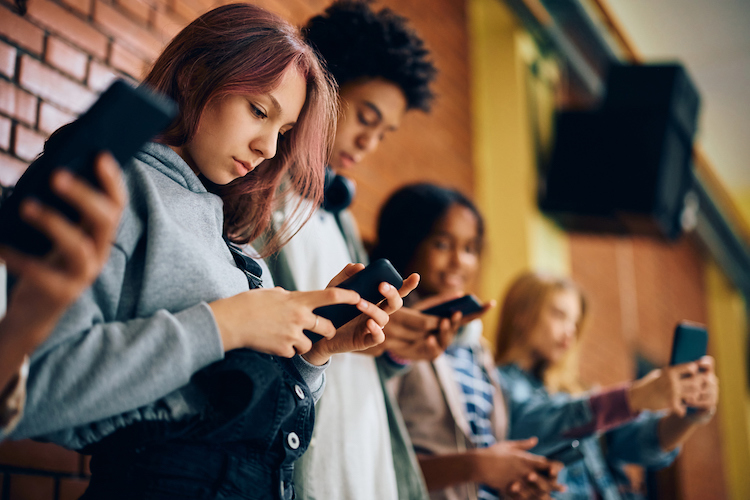
Social media has transformed the way we communicate, but it hasn’t always been for the better. While platforms like Facebook, Twitter, Instagram, and TikTok have made it easier to stay connected, they’ve also eroded essential social norms that once governed polite society. From constant distractions to aggressive online behavior, our reliance on social media has made many of us less considerate, less respectful, and, ultimately, less civil in face-to-face interactions.
If you’ve noticed a decline in basic etiquette and common courtesy, social media may be the reason why. Here’s how it’s quietly unraveling the fabric of social manners.
1. People prioritize their phones over real-life conversations

It’s become common to see people glued to their phones, even in social settings like dinner parties, family gatherings, or date nights. A writer at Medium outlines how people don’t engage with the person in front of them, as many prefer to scroll through their feeds, check notifications, or respond to messages.
This constant distraction signals to others that they are less important than whatever is happening on a screen. The decline in face-to-face communication has weakened interpersonal skills, making people less adept at meaningful conversations and deep connections.
2. Public oversharing has replaced personal discretion
Before social media, personal details were shared selectively and privately. Now, people broadcast every aspect of their lives—breakups, job frustrations, political rants—without considering the impact on others — or the potential risks, according to University of Kentucky Information Technology Services.
This oversharing culture has eroded the concept of discretion and modesty. What was once considered personal or inappropriate for public discussion is now common online, leading to a lack of boundaries and an increase in self-centered behavior.
3. The rise of keyboard warriors has normalized rude behavior
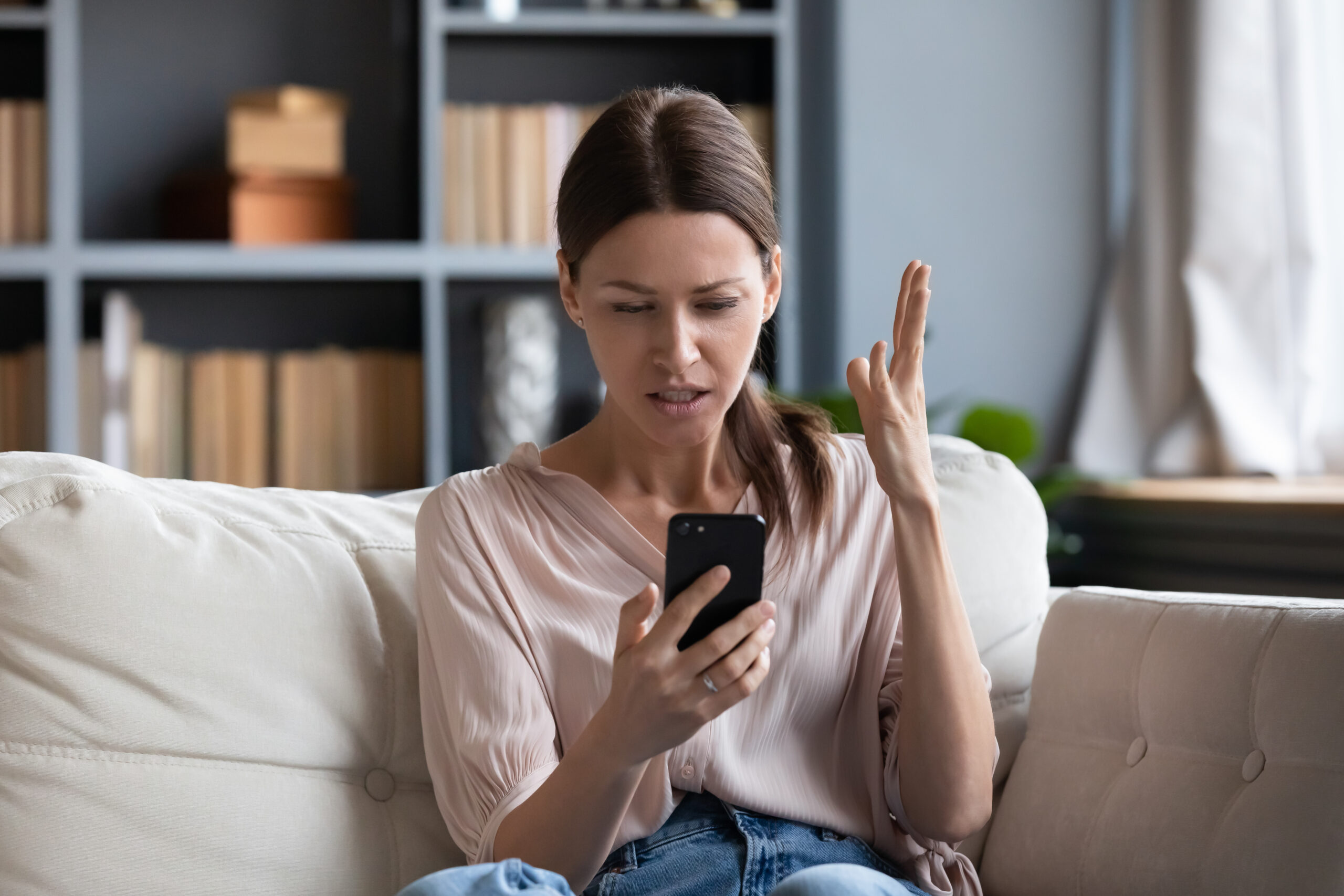
Social media gives people the ability to say things they would never dare say in person. The anonymity of the internet emboldens users to be cruel, dismissive, and argumentative without consequence, as noted by the Anti Defamation League.
This online rudeness has bled into real life, making people more confrontational and less patient with differing opinions. The decline in respectful discourse has led to an increasingly divided and hostile social environment.
4. The “like” culture has fostered narcissism and attention-seeking behavior
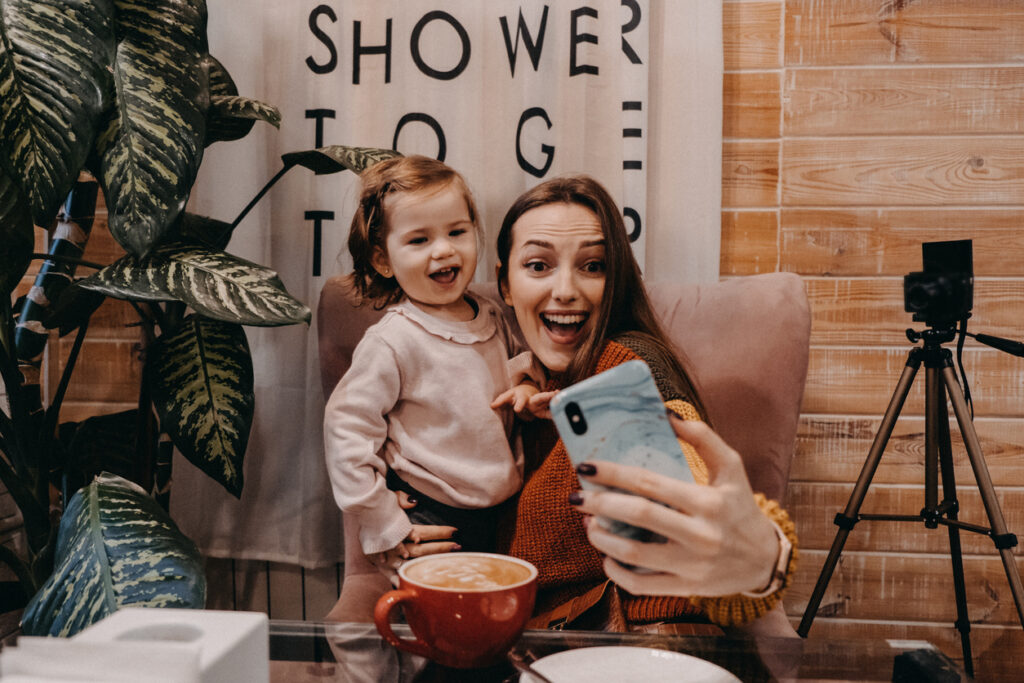
The dopamine rush of receiving likes and comments has trained people to seek constant validation. Instead of focusing on genuine relationships, many prioritize curating an image that will get the most engagement.
This shift has made interactions feel less authentic. People now value online approval over real-world kindness, making society more self-absorbed and transactional in its approach to relationships.
5. Social media addiction has weakened active listening skills

The endless scrolling habit has rewired our brains to crave quick bursts of information, reducing our attention spans. Many now struggle to focus on a single conversation without checking their phones multiple times.
This decline in attention has made people worse at active listening. Genuine conversations require engagement, but social media has conditioned people to treat interactions as secondary to their digital distractions.
6. Cancel culture has replaced constructive conflict resolution

Disagreements used to be handled through discussion, debate, or mutual understanding. Now, social media encourages public shaming and cancel culture as the primary way to handle conflict.
This trend discourages people from engaging in open dialogue. Instead of learning to navigate differing perspectives with grace, many resort to online dogpiling, further eroding respect and civility in interactions.
7. The selfie obsession has made people more self-centered
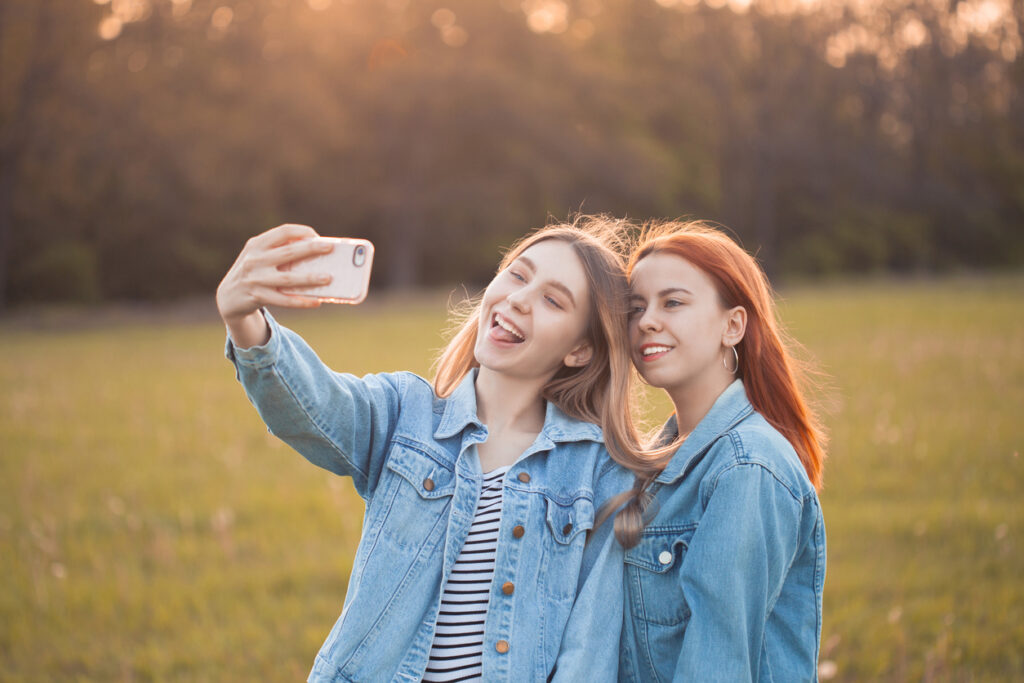
Taking occasional photos is normal, but social media has fueled a culture where people document their every move, often at the expense of genuine engagement with others.
This obsession with self-image shifts focus away from meaningful experiences. When social interactions become more about capturing the perfect moment than enjoying the present, relationships suffer.
8. The decline of thank-you notes and in-person gratitude
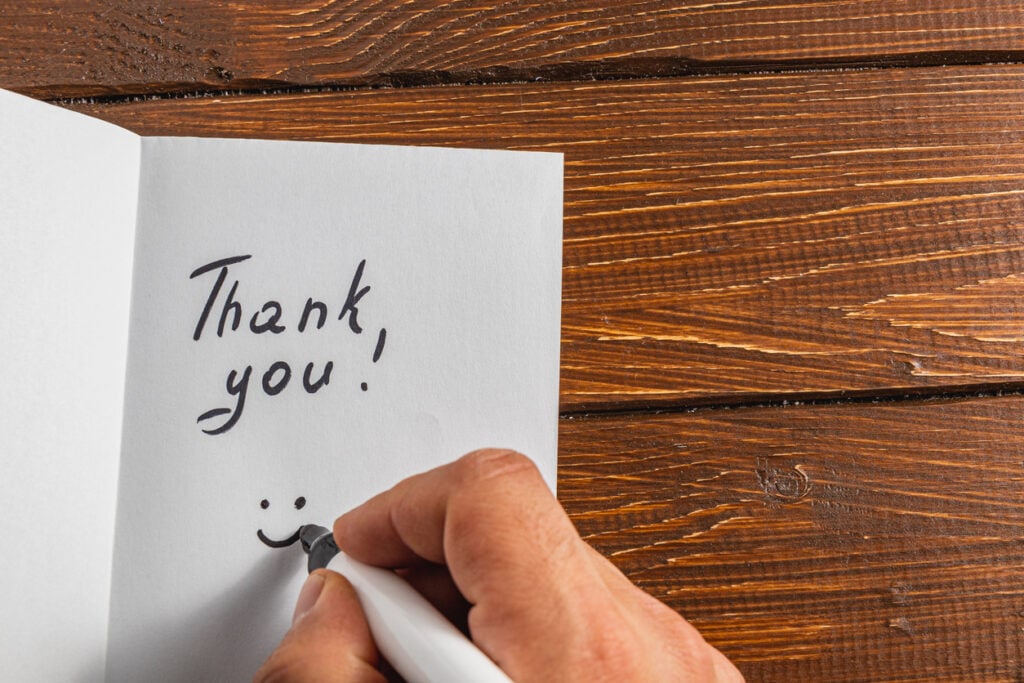
Social media has made expressions of gratitude impersonal. Instead of writing thank-you notes or offering verbal appreciation, people now send a quick text, GIF, or emoji to acknowledge kindness.
While digital acknowledgments are convenient, they lack the sincerity and personal effort of traditional thank-you gestures. This shift has made gratitude feel like an afterthought rather than a meaningful act of appreciation.
9. The expectation of instant responses has eliminated patience

Before social media, waiting for a return call or letter was normal. Today, people expect instant replies to messages and feel slighted if they don’t receive one quickly.
This shift has created a culture of impatience and entitlement. Instead of allowing people the time to respond at their convenience, social media has conditioned users to demand immediate attention, often leading to unnecessary frustration and tension.
10. Fake humility and performative kindness have replaced genuine goodwill
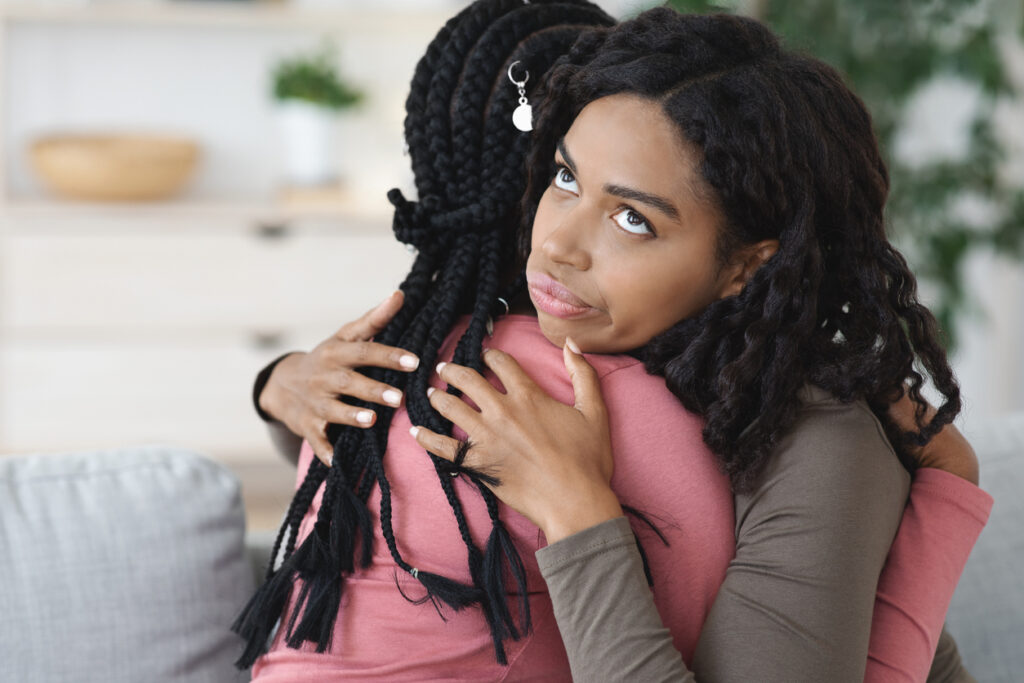
Social media has made kindness a performance rather than an authentic gesture. Many people now engage in “virtue signaling,” where they publicly express support for a cause not because they truly care, but because it enhances their social image.
This shift has devalued acts of kindness. When good deeds are done for online approval rather than genuine empathy, it weakens the foundation of true generosity and compassion in society.
11. Online gossip culture has fueled real-life drama

Rumors and gossip used to spread through word-of-mouth, but social media has amplified their reach. With the click of a button, misinformation can go viral, damaging reputations and relationships.
The ease of online gossip has made people less mindful of the consequences of their words. Instead of thinking before speaking, many engage in digital drama without considering the real-world harm they may cause.
12. The decline of face-to-face invitations has weakened personal connections

Once upon a time, inviting someone to an event meant calling them or speaking in person. Now, people rely on mass digital invitations, which feel impersonal and often go ignored.
This shift has reduced the effort put into maintaining friendships. The ease of sending a quick event invite makes relationships feel less special, contributing to a culture where meaningful social bonds are harder to sustain.