
Discover how to grow a beautiful, low-maintenance garden that will keep you active and fulfilled in retirement.
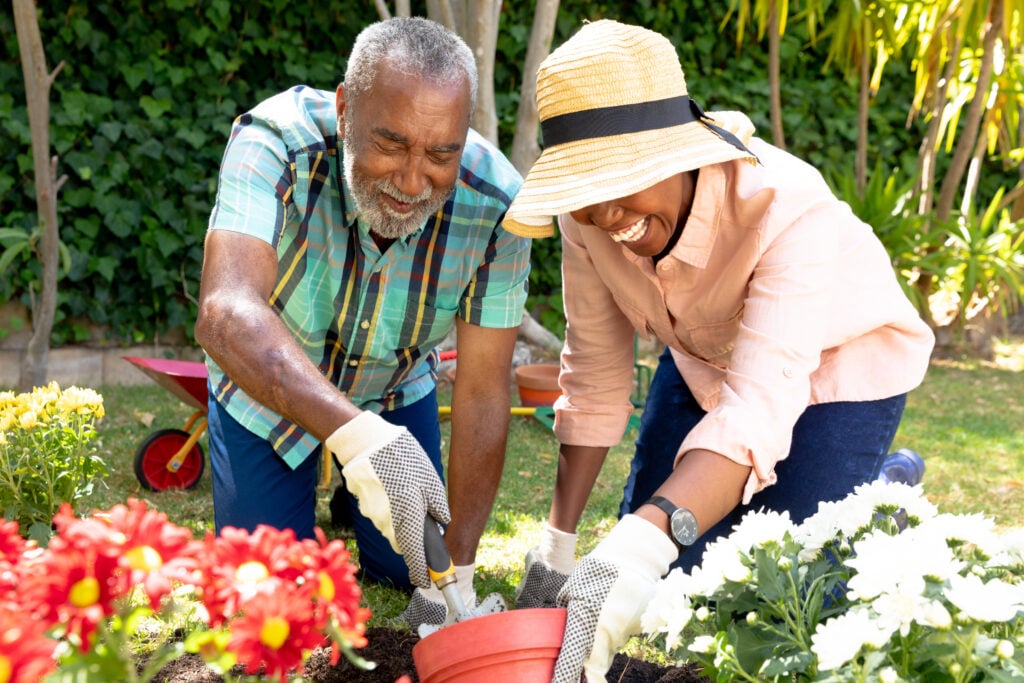
Starting a garden in retirement is one of the most rewarding things you can do, but it’s not as simple as just sticking a few plants in the ground. A thriving garden takes a little planning, the right approach, and a few smart strategies to keep it enjoyable instead of overwhelming.
The good news? You don’t need a green thumb to make it work. With the right know-how, you can create a beautiful, stress-free garden that brings joy and purpose to your golden years.
1. Start small or risk feeling overwhelmed.
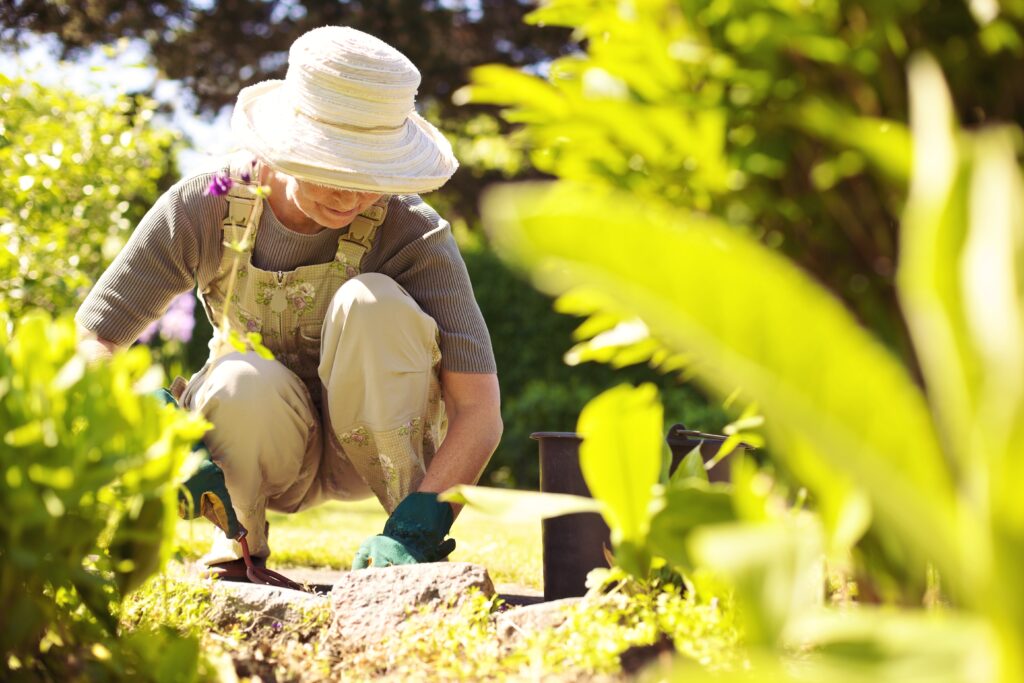
It’s tempting to go all in and create a massive garden right away, but that’s a fast track to burnout. A small, manageable space lets you learn as you go without feeling like it’s taking over your life. Pick a few easy-to-grow plants, master the basics, and expand later. Gardening should be enjoyable, not exhausting. If you take on too much too soon, you might end up dreading it instead of loving it. Slow and steady wins the race.
2. Choose low-maintenance plants so your garden doesn’t become a chore.
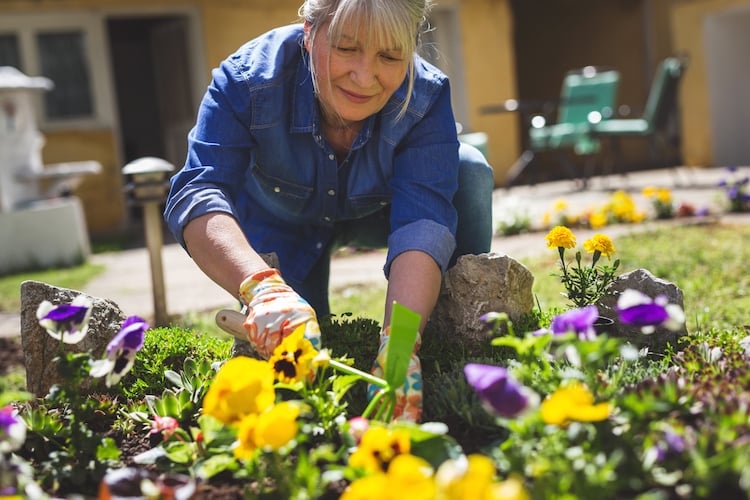
Some plants practically take care of themselves, while others demand constant attention. If you want your garden to be a source of joy, not stress, go for hardy, easy-care plants. Native plants, perennials, and drought-resistant varieties thrive with minimal effort. Skip anything fussy that requires daily pampering. The less time you spend fixing problems, the more time you’ll have to enjoy watching your garden flourish. Work smarter, not harder.
3. Raised beds and containers will save your back and knees.
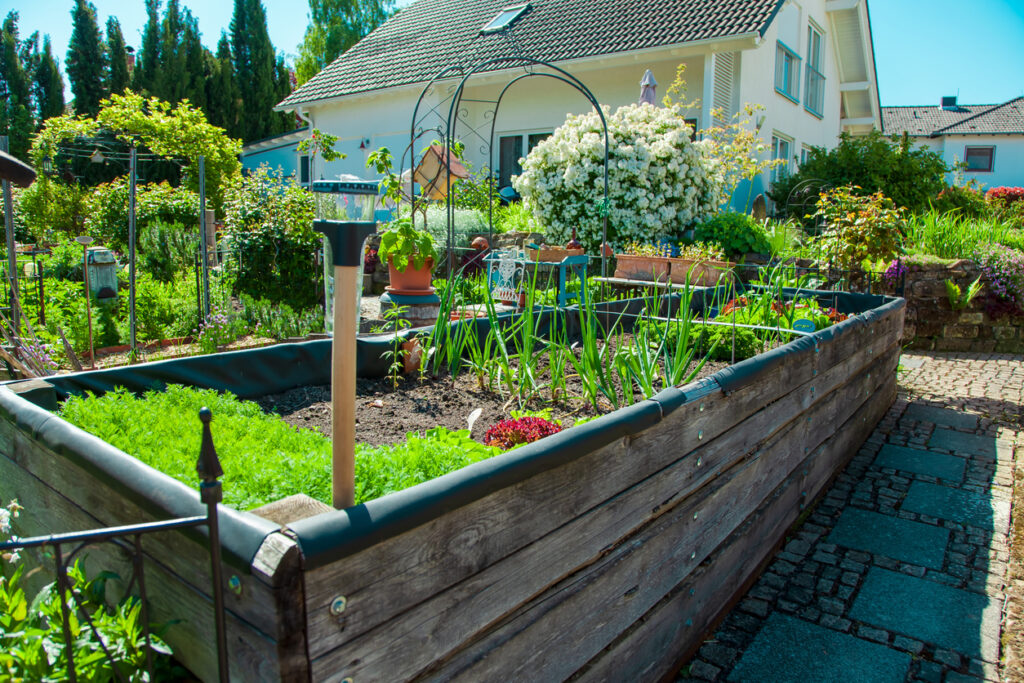
Gardening shouldn’t leave you sore and stiff every time you pull a few weeds. Raised beds and containers bring plants up to a comfortable height, making planting, watering, and harvesting easier on your body. No more endless bending or kneeling on hard ground. Plus, they offer better drainage and fewer weeds. If you want to keep gardening for years to come, setting yourself up for comfort now is one of the smartest moves you can make.
4. Good soil is everything, so don’t cheap out on it.
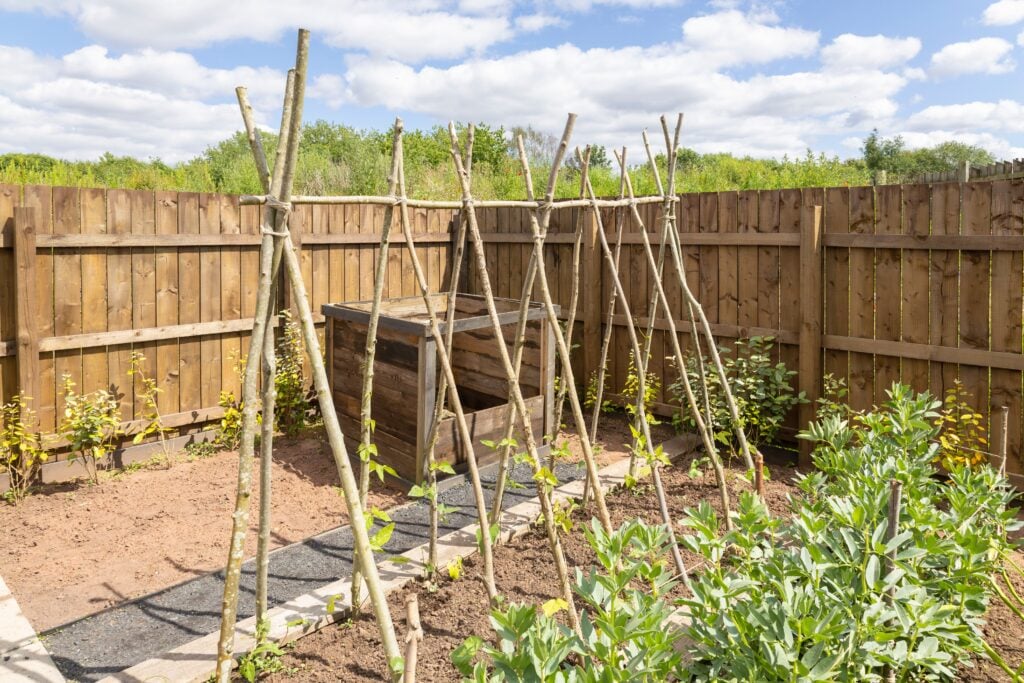
You can buy the best plants in the world, but if your soil is garbage, they won’t thrive. Healthy, nutrient-rich soil makes all the difference. Test your soil, amend it with compost, and give your plants the foundation they need to flourish. It’s worth investing in quality soil and organic matter upfront. Skimping here will just lead to disappointment when your plants struggle or refuse to grow. Treat your soil right, and it’ll reward you with a beautiful garden.
5. Watering the wrong way can ruin everything.

Too much water drowns roots, too little leaves them struggling, and watering at the wrong time invites disease. The sweet spot? Deep, infrequent watering early in the morning. This encourages strong root growth and prevents evaporation. Avoid splashing leaves—wet foliage is a magnet for mildew and pests. Drip irrigation or a soaker hose is a lifesaver if you want a hands-off approach. Get your watering routine right, and your plants will be healthier and happier with less effort.
6. Mulch is the secret weapon that makes gardening easier.
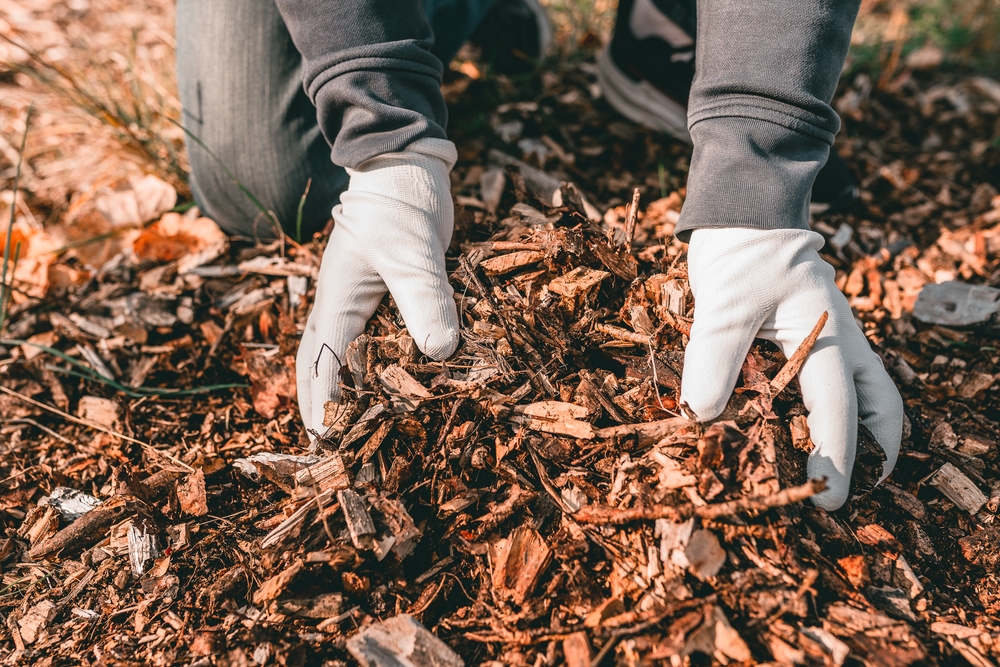
Mulch isn’t just for looks—it’s a powerhouse tool that locks in moisture, keeps weeds at bay, and protects plant roots. Spread a thick layer around your plants, and you’ll water less while fighting off invasive weeds. Organic mulch, like wood chips or straw, also breaks down over time, enriching your soil. Skip the bare dirt, and embrace mulch. It cuts down on work and makes your garden look polished and professional with minimal effort.
7. Pests will find you, so be ready before they attack.
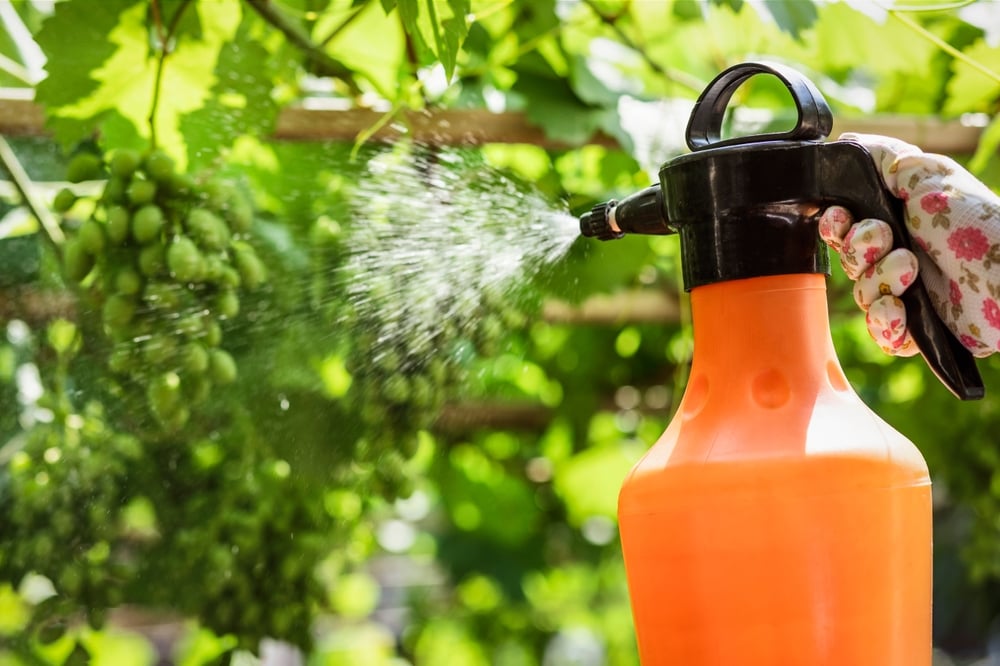
The moment your plants start thriving, bugs and critters will show up uninvited. Instead of panicking, take a proactive approach. Companion planting, natural repellents, and beneficial insects like ladybugs can help keep pests in check. Avoid chemical sprays that can harm pollinators and your garden’s ecosystem. A little prevention goes a long way—catching problems early can mean the difference between a thriving garden and a full-blown infestation.
8. The sun is your best friend or worst enemy, depending on placement.
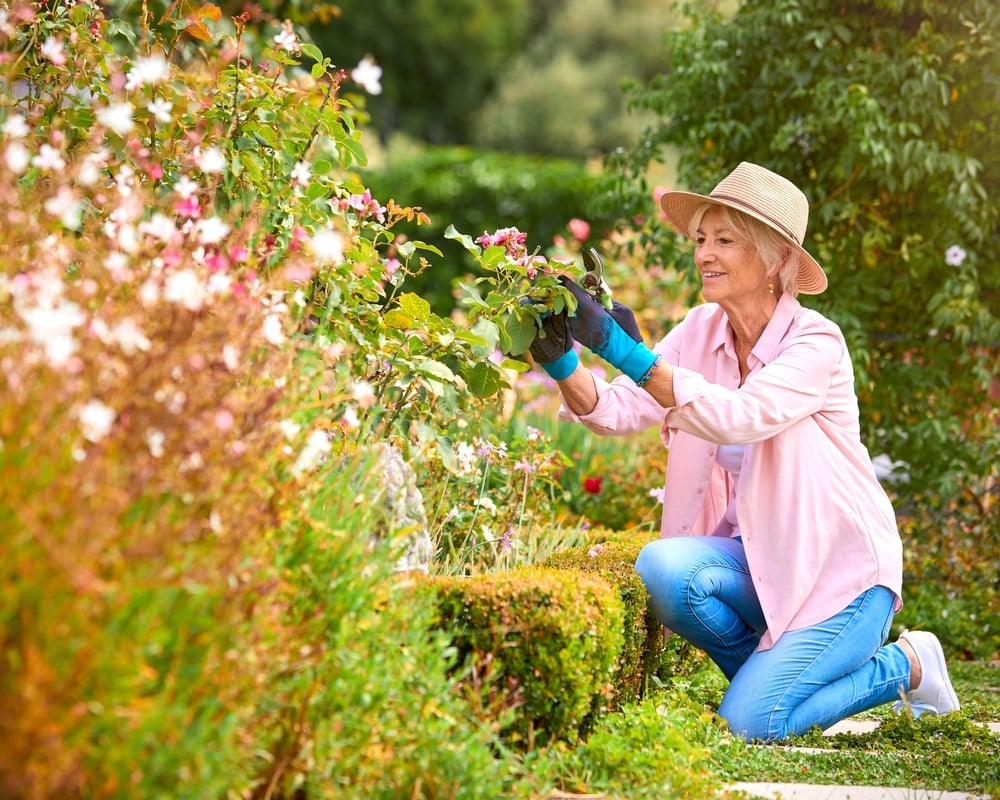
Planting in the wrong spot can spell disaster. Most vegetables and flowers need at least six hours of direct sunlight, while some plants prefer shade. Watch how the sun moves across your yard before deciding where to plant. A little planning now prevents frustration later when plants struggle because they’re getting too much or too little light. If you don’t want to play a guessing game, check plant tags and match them to the right sun conditions.
9. Composting is free plant food, and you’d be crazy not to use it.
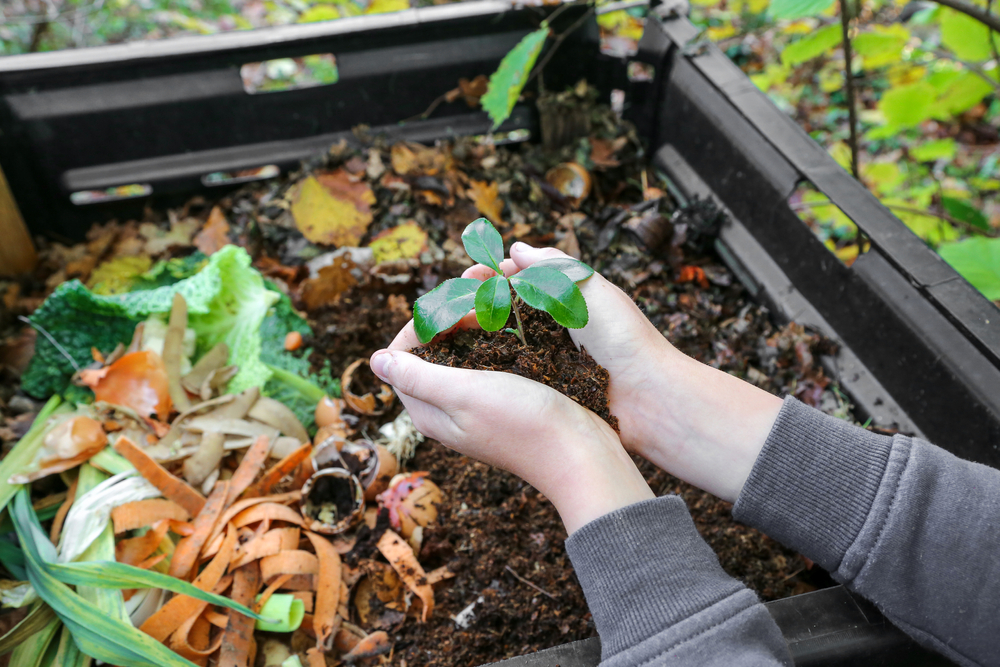
Why waste money on chemical fertilizers when you can turn kitchen scraps into gold for your garden? Composting enriches your soil naturally, boosts plant health, and cuts down on waste. Eggshells, coffee grounds, and vegetable peels all break down into nutrient-rich compost over time. It’s easy to do and makes a noticeable difference in plant growth. If you want bigger blooms, healthier vegetables, and a thriving garden, composting is the no-brainer way to get there.
10. Seasonal planting makes gardening easier and more rewarding.
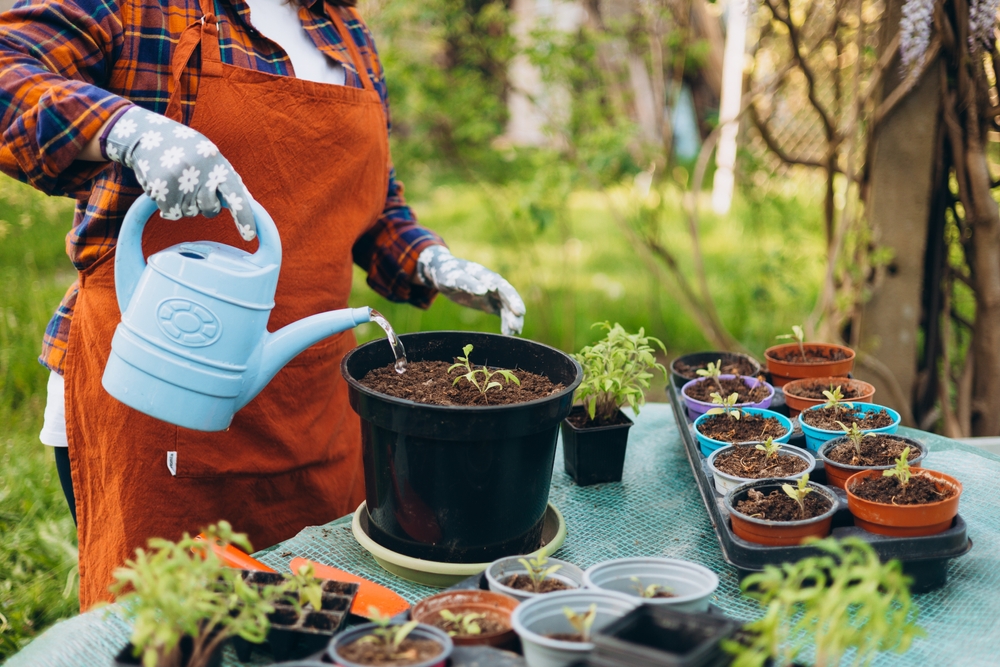
Trying to force summer plants to grow in the wrong season is a battle you’ll never win. Every plant has its time to shine, and working with nature instead of against it makes all the difference. Research what grows best in each season for your area and stagger plantings for a continuous harvest. When you plant at the right time, your garden thrives with less effort. You’ll enjoy a steady supply of fresh produce or flowers without unnecessary struggle.
11. Gardening with friends makes it more fun (and less work).
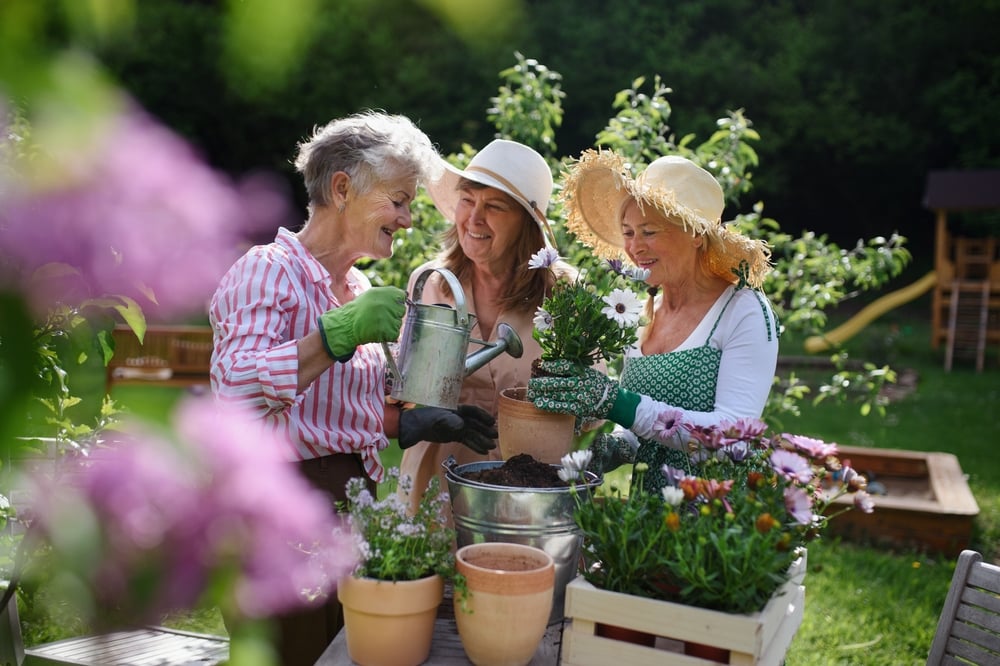
Everything’s better with good company, and gardening is no exception. Whether it’s swapping plant cuttings, trading advice, or just having a friend to share the joys and challenges, gardening is more enjoyable when it’s social. Join a local gardening club, connect with neighbors, or invite a friend to dig in alongside you. You’ll learn faster, stay motivated, and might even end up with extra produce or flowers to share. Gardening is work, but it doesn’t have to be lonely.
12. Expect failures, because every gardener has them.
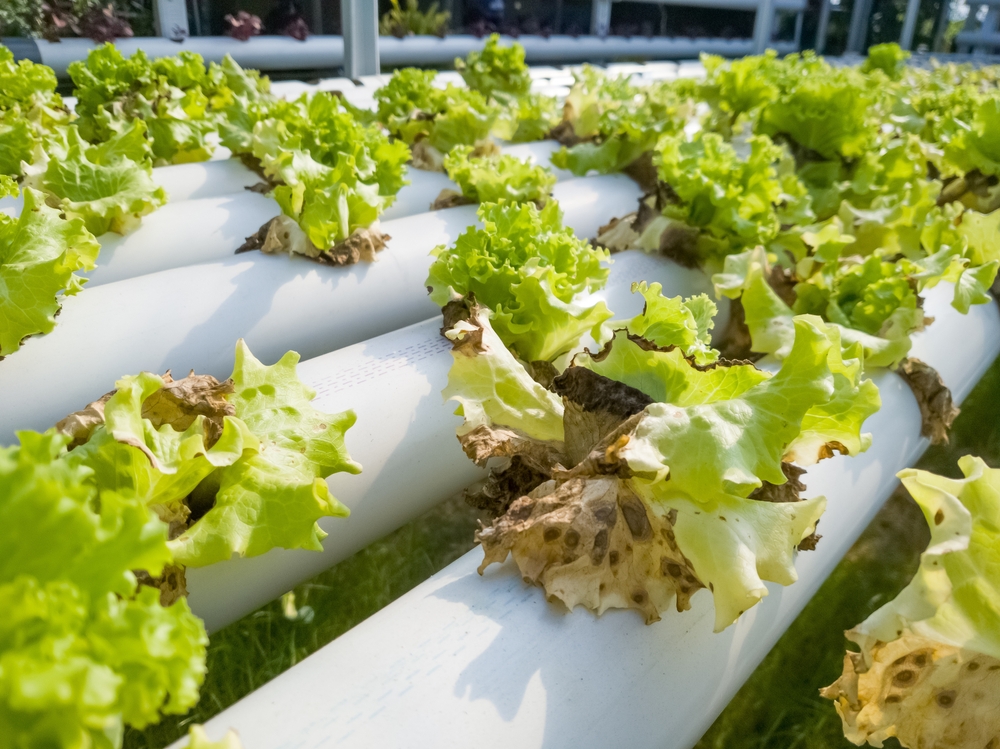
No matter how much you plan, some plants just won’t make it. That’s part of the journey. Don’t let a few dead plants discourage you—every experienced gardener has had their fair share of flops. The key is to learn from what went wrong and try again. Sometimes it’s the weather, sometimes it’s pests, and sometimes plants just don’t cooperate. Gardening is all about experimenting, adjusting, and improving. The more you do it, the better you’ll get.
13. Enjoy the process, because gardening is supposed to be relaxing.

It’s easy to get caught up in making everything perfect, but gardening is meant to be a peaceful, fulfilling hobby—not a stressful to-do list. Step back and appreciate the little victories: the first sprout, the first bloom, the fresh scent of the soil. Progress, not perfection, is the goal. The more you embrace the journey instead of worrying about the outcome, the more joy your garden will bring. After all, retirement is about enjoying life, not stressing over plants.