
Many common American habits seem completely normal here but leave the rest of the world utterly baffled.
Americans do a lot of things that make the rest of the world do a double take. What feels like everyday life in the U.S. can come across as downright bizarre to people from other countries. Some of our customs are so ingrained that we don’t even question them—until a confused outsider points them out. If you’ve ever traveled abroad and noticed the side-eye, there’s a good chance one of these habits was the reason.
Here are 11 American quirks that seem totally insane elsewhere.
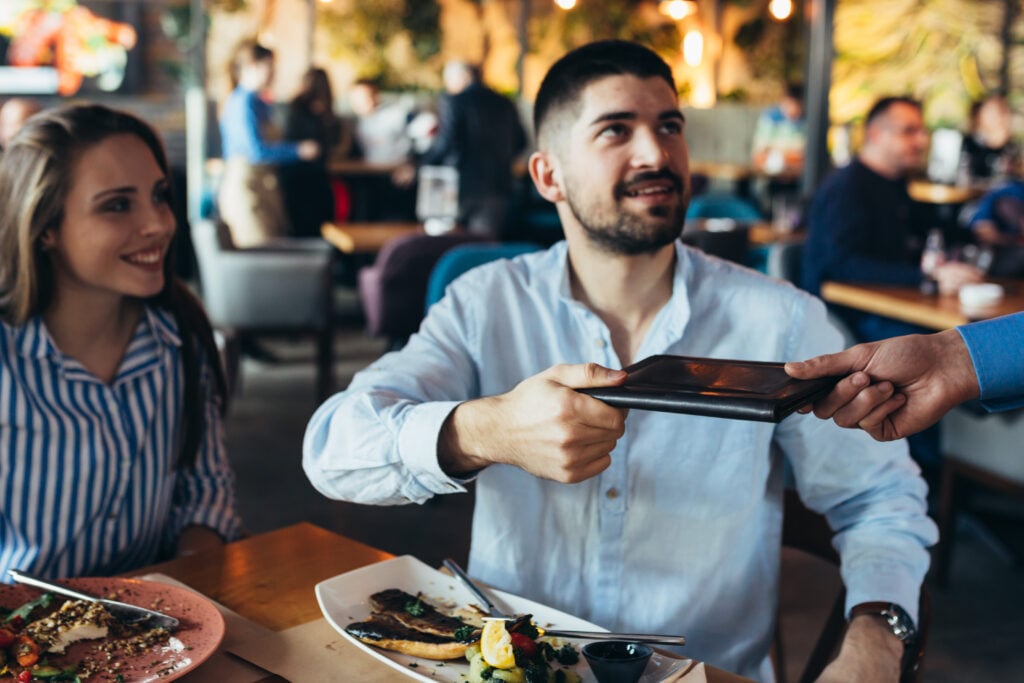
1. Paying extra for healthcare—even when you have insurance.

Americans are so used to co-pays, deductibles, and surprise medical bills that it barely registers as strange. But to people in countries with universal healthcare, it’s mind-blowing. Why should an ambulance ride cost hundreds—or even thousands—of dollars? In many places, seeing a doctor or getting emergency care doesn’t come with a financial panic attack. And yet, Americans keep shelling out cash for basic medical needs while the rest of the world watches in disbelief.
2. Tipping for everything—even when service is bad.

Tipping in America has spiraled out of control. It’s not just restaurants—baristas, cashiers, and even self-checkout machines are now asking for tips. In other countries, tipping is either minimal or nonexistent because businesses actually pay workers a living wage. The idea of leaving an extra 20% just to ensure a server makes a decent income baffles people from abroad. And when tipping is expected even after bad service? That’s where the confusion turns into frustration.
3. Driving absolutely everywhere—even when it’s walkable.

Americans love their cars, but in many places, hopping in the car for a two-minute drive seems ridiculous. Cities in Europe and Asia are designed for walking and public transport, so driving everywhere just feels unnecessary. In the U.S., even suburban neighborhoods lack sidewalks, making walking impractical. Foreigners are often stunned to see people driving half a mile to the gym—only to hop on a treadmill. Car culture here is unmatched, and not always in a good way.
4. Putting way too much ice in drinks.

Order a soda in America, and you’ll get a cup packed to the brim with ice. In other countries, drinks are often served with little to no ice, and people actually prefer it that way. Why water down a perfectly good beverage? Europeans especially find it odd that Americans want their drinks ice-cold all the time, even in winter. And don’t even get them started on free refills—that concept alone is completely foreign in most parts of the world.
5. Advertising prescription drugs like they’re candy.

It’s normal in the U.S. to see commercials urging you to “ask your doctor” about a medication. But in most of the world, that’s illegal. Drug companies pushing their products directly to consumers is seen as sketchy and unethical. The long list of side effects rattled off at the end of every ad only makes it weirder. Imagine sitting with family, watching TV, and suddenly being told you might have an undiagnosed disease—all thanks to a commercial break.
6. Flying the flag everywhere—even on underwear.

Americans love their flag. It’s on houses, businesses, cars, clothing, and even bathing suits. But in many countries, that level of flag-waving is reserved for government buildings or special occasions. Seeing someone wear their national flag as a pair of shorts? That would be considered disrespectful in a lot of places. Some foreigners even find it unsettling how common it is to see giant flags waving in front of fast-food restaurants. National pride is one thing—obsession is another.
7. Taking work emails and calls while on vacation.

In many countries, vacation actually means unplugging. But in America, checking emails on the beach or taking a “quick” work call at dinner is just another day off. Some people even feel guilty for fully disconnecting. Other cultures see this as a major red flag—why take time off if you’re still working? Many European countries actually make it illegal for bosses to contact employees outside of work hours. Meanwhile, Americans act like burnout is a badge of honor.
8. Serving desserts that are way too sweet to handle.

American desserts are an all-out sugar bomb. Cakes, cookies, and even bread here are loaded with so much sugar that people from other countries can barely take a bite. Many European pastries taste subtly sweet by comparison, while American treats hit like a sugar rush on steroids. Some foreigners even joke that American breakfast foods—like pancakes and sugary cereals—are basically desserts disguised as meals. And let’s be real: they’re not wrong.
9. Having commercials interrupt TV shows constantly.
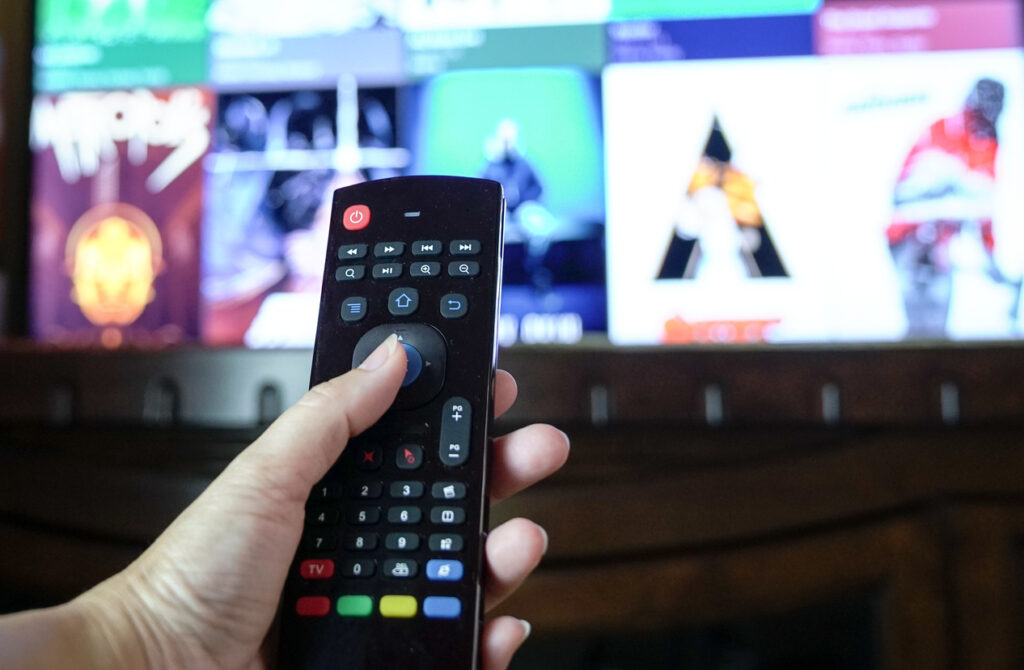
In many countries, TV shows run uninterrupted, and ads only play before or after the program. But in the U.S., watching a single episode of anything means sitting through a relentless stream of commercials. It’s especially infuriating for foreigners who aren’t used to this constant disruption. Some people visiting the U.S. for the first time are shocked when a dramatic moment in a show is suddenly cut off by a loud, high-energy car dealership ad.
10. Wearing pajamas and sweatpants in public like it’s normal.

In other parts of the world, stepping outside in anything less than real clothes is unthinkable. But in America, it’s totally fine to show up at the grocery store in flannel pajama pants and slippers. Some foreigners find it amusing, while others think it looks sloppy. The idea that Americans prioritize comfort over appearance to this extreme is a tough concept to grasp. In some cultures, dressing well is a sign of self-respect—pajamas outside are simply not an option.
11. Obsessing over high school years like they were the peak of life.

In America, high school nostalgia is a whole thing. Movies, reunions, and entire adult personalities revolve around those teenage years. Other cultures see high school as just a stepping stone, not the highlight of a person’s life. They find it odd that Americans wear their school colors years later or still talk about their old football team like it’s relevant. Meanwhile, outside the U.S., people are too busy living their current lives to dwell on prom night.