
You won’t believe how differently these common words are pronounced on opposite sides of the Atlantic.

Americans and Brits may share a language, but sometimes it sounds like they’re speaking completely different ones. Ever had a conversation where a word just didn’t land the way you expected? That’s probably because the pronunciation changed somewhere over the Atlantic. Some of these differences are subtle, while others will make you do a double take.
If you’ve ever cringed at how a word was said—or been corrected by someone across the pond—you’re not alone. Here are 13 words that sound wildly different!
1. Americans say “schedule,” but Brits make it sound sophisticated.

In the U.S., people pronounce “schedule” with a hard “sk” sound—like “sked-jule.” But in the UK, it’s all about the softer “sh” sound—”shed-jule.” It almost makes it sound fancier, like something out of an old British novel. Americans tend to cut straight to the point, while Brits add a touch of elegance. If you’ve ever been corrected by someone across the pond, now you know why. Which version sounds better? That’s up for debate!
2. “Herb” in America is missing something the Brits refuse to drop.

In the U.S., “herb” is pronounced as “erb,” completely ignoring the “h.” But in the UK, they fully pronounce it—”herb” with the “h” intact. Americans tend to drop the “h” in some words (looking at you, “honest”), while Brits stick to the original pronunciation. It might not seem like a big deal, but this tiny difference can instantly give away where you’re from. Ever had a Brit side-eye you for saying “erb”? Now you know why!
3. “Garage” sounds totally different depending on which side of the Atlantic you’re on.

Americans pronounce “garage” as “guh-RAHZH,” with a smooth, French-inspired ending. Brits, on the other hand, say “GARR-idge,” making it sound like a completely different word. The American version flows effortlessly, while the British pronunciation has a sharper, choppier sound. If you’ve ever been caught off guard by the UK version, don’t worry—you’re not alone. It’s one of those words that instantly reveals whether someone grew up with American English or British English.
4. The word “advertisement” is longer when Brits say it.

In the U.S., “advertisement” is pronounced as “ad-ver-TIZE-ment,” emphasizing the second syllable. But in the UK, it’s “ad-VER-tiss-ment,” with a completely different rhythm. The British version makes the word sound longer, almost more refined. Americans like to keep things short and snappy, while Brits hold onto the original, drawn-out pronunciation. It’s a small difference, but once you hear both versions, you’ll never unhear them. Which one sounds more natural? Depends on who you ask!
5. “Tomato” isn’t just a cliché—it really is pronounced differently.

Yes, the famous “to-may-to” vs. “to-mah-to” debate is real! Americans say “to-may-to,” while Brits pronounce it “to-mah-to,” with a softer “a” sound. This difference has been around for ages, and it’s even referenced in songs and movies. It’s one of those classic words that instantly highlights the contrast between American and British speech. Does one sound fancier than the other? Maybe. But either way, we can all agree that tomatoes taste the same, no matter how you say it!
6. Brits turn “vitamin” into a whole different word.

Americans say “VY-ta-min,” emphasizing the first syllable with a long “i” sound. Brits, however, say “VIT-a-min,” with a short “i” and a completely different rhythm. It’s one of those words that instantly stands out when you hear it spoken by someone from the UK. The British version almost makes it sound more like a medical term, while the American version is more casual. Next time you hear it in conversation, pay attention—it’s an easy tell for someone’s nationality!
7. Americans say “basil,” but Brits make it sound posh.
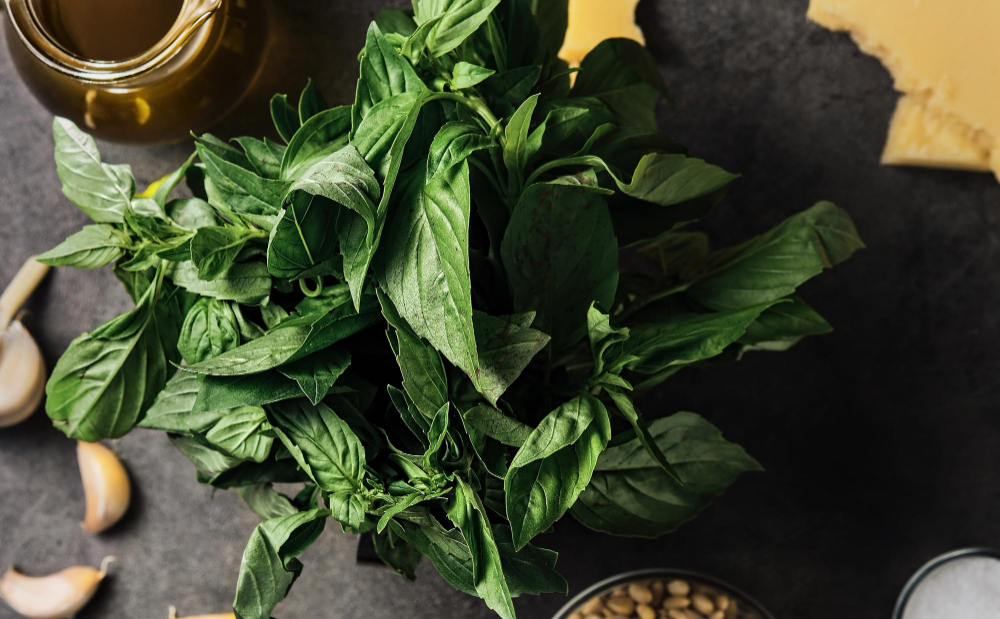
In the U.S., it’s “BAY-zil,” with a strong “ay” sound. But in the UK, it’s “BAZ-il,” making it sound much fancier. This difference is especially noticeable when ordering food or watching a cooking show. Ever heard a British chef talk about fresh “BAZ-il”? It might catch you off guard at first, but once you get used to it, it actually sounds kind of refined. Whether you say it the American or British way, at least we can all agree it tastes great!
8. “Aluminum” gets a whole extra syllable in the UK.
Americans say “a-LOO-mi-num,” with four syllables. But Brits? They say “a-lu-MIN-i-um,” adding an extra “i” and making it a five-syllable word. This isn’t just a pronunciation difference—it’s actually a spelling difference too! The British spelling includes an extra “i,” making it “aluminium.” The American version is quicker and smoother, while the British version sounds more scientific. Ever wondered why British scientists sound so fancy? This is one reason!
9. “Privacy” has a sharp twist in British English.

Americans pronounce “privacy” as “PRY-va-see,” emphasizing the long “i” sound. Brits, however, say “PRIV-a-see,” with a short “i” that changes the whole feel of the word. The British version almost sounds more formal, while the American pronunciation is more direct. This is one of those words that might make you do a double take if you’ve only ever heard it one way. Listen closely next time—it’s one of the biggest giveaways of where someone’s from!
10. “Leisure” has a completely different vibe depending on the accent.

In the U.S., people say “LEE-zhur,” keeping it short and to the point. But in the UK, it’s “LEH-zhur,” with a softer, more relaxed sound. Ironically, the British pronunciation makes the word itself feel more leisurely! It’s one of those words that can really stand out in a conversation. Americans tend to stretch out vowel sounds, while Brits keep them crisp. Either way, both versions describe the same thing—kicking back and enjoying life!
11. “Niche” sounds sophisticated in the UK.

Americans usually pronounce “niche” as “neesh” or sometimes “nitch.” But in the UK, it’s strictly “neesh,” making it sound more elegant and refined. The British pronunciation sticks closer to the original French, while the American version sometimes takes on a harder edge. This is one of those words where the pronunciation varies even within the U.S., so don’t be surprised if you hear it both ways. Want to sound posh? Stick with “neesh”!
12. “Route” can go two ways in America, but Brits keep it classy.

In the U.S., some people say “root,” while others say “rowt.” In the UK, though, it’s almost always pronounced “root.” The American variation depends on the region—people in the South and East Coast are more likely to say “root,” while those in the Midwest and West might say “rowt.” Brits, on the other hand, don’t mess around with this one. If you ever hear someone say “rowt” in the UK, they’re probably an American!
13. “Zebra” has a sharp twist in British English.

Americans say “ZEE-bra,” while Brits say “ZEB-ra,” with a short “e” sound. This one really throws people off the first time they hear it. The American version sounds more playful, while the British pronunciation feels more serious. It’s such a small difference, but it completely changes the way the word sounds. If you ever hear a Brit talking about “ZEB-ra” crossings, don’t be confused—they’re just referring to pedestrian crosswalks, not actual animals!