
Discover incredible free courses that will take you on a journey through time, from ancient civilizations to modern revolutions, all from the comfort of home.

Time travel might not be real, but online education offers the next best thing. Thanks to an abundance of free, university-level history courses available online, you can explore the world’s most pivotal events, fascinating people, and transformative ideas without ever leaving your home. These courses invite you to journey through ancient empires, revolutionary struggles, and cultural renaissances—all from your favorite reading chair or kitchen table.
Whether you’re retired and rediscovering your love of learning or simply a lifelong history buff looking for new adventures, these courses offer engaging content taught by world-class professors. The best part? They’re completely free. You’ll walk away with not just knowledge, but a renewed appreciation for the stories that shaped humanity.
1. Experience the chaos and transformation of America with Yale’s The Civil War and Reconstruction Era, 1845–1877.
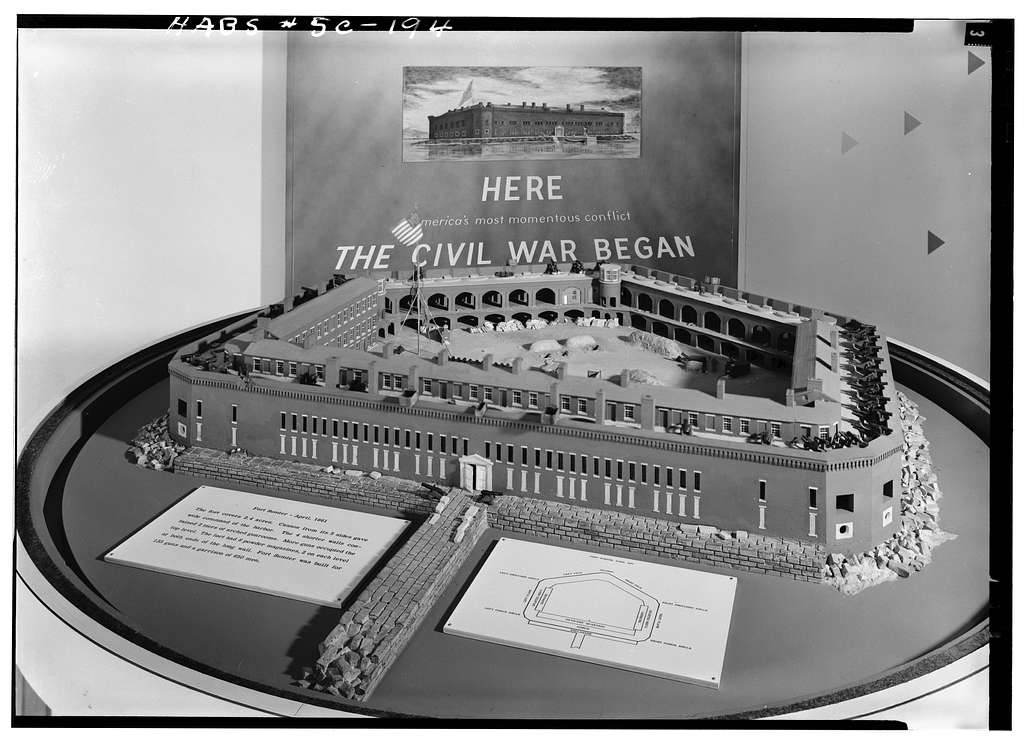
This Yale course dives into one of the most volatile and foundational periods in U.S. history. Covering the years leading up to, during, and following the Civil War, it explores political divides, societal conflicts, and the long shadow cast by slavery. You’ll gain a deeper understanding of Abraham Lincoln’s presidency, the moral and legal battles over emancipation, and the often painful struggles of Reconstruction, as mentioned in Open Yale Courses page.
With expertly narrated lectures and comprehensive historical insights, this class helps unpack the layered story of a nation tearing itself apart—and the complicated path it took to rebuild. It’s more than just timelines and battles; it’s about how decisions made during this time still affect American society today. History comes alive in vivid, thought-provoking detail.
2. Discover how modern France was shaped with Yale’s France Since 1871.

France’s modern era is a tale of resilience, reinvention, and revolution. This Yale course covers more than a century of transformation—from the collapse of Napoleon III’s empire to France’s roles in two world wars, the rebuilding of its institutions, and its position in a globalized, multicultural world, as reported in Yale Online’s course page. Through lectures and discussions, you’ll trace how the French identity evolved alongside political and cultural upheavals.
You won’t just learn about events; you’ll delve into the philosophies, resistance movements, and democratic ideals that continue to shape the nation. The course encourages reflection on how France has influenced global politics, intellectual thought, and the arts. It’s a sweeping, yet intimate, exploration of a country always in the midst of redefining itself.
3. Step into the legendary world of gods and warriors with Yale’s Ancient Greek History.

Ancient Greece is often romanticized through mythology, but this course provides a deeper, richer perspective on how the Greeks lived, governed, and debated. From the birth of democracy in Athens to the militaristic culture of Sparta, Yale’s Ancient Greek History course takes you on a journey through real events that shaped modern Western civilization, as described in this course outline from Yale.
Beyond legends, you’ll study primary sources, philosophical ideas, and social structures that offer insight into daily life, political conflicts, and cultural achievements. You’ll come away not just admiring the Greeks, but understanding why their legacy still matters. It’s a compelling blend of epic storytelling and intellectual discovery.
4. Explore the grand structures of the past with Yale’s Roman Architecture.

Roman architecture wasn’t just functional—it was a symbol of power, engineering excellence, and artistic vision. This course from Yale showcases the architectural triumphs of the Roman Empire, from awe-inspiring amphitheaters and temples to revolutionary innovations like concrete and aqueduct systems that transformed city life.
You’ll gain insight into how architecture reflected Rome’s values and ambitions, as well as the practical challenges Roman builders overcame. Through visual tours and scholarly interpretation, this course reveals how ancient structures have stood the test of time and influenced everything from Renaissance cathedrals to today’s government buildings. It’s ideal for those who love art, history, and creative engineering.
5. Uncover history’s deadliest outbreaks with Yale’s Epidemics in Western Society Since 1600.

Pandemics have left a profound mark on societies, far beyond their immediate death tolls. This Yale course examines the history of disease through a humanistic lens, tracing how communities responded to crises, how medical understanding evolved, and how fear and misinformation shaped policies and culture. From the Black Death to COVID-19’s precursors, this is a gripping, wide-ranging look at human vulnerability.
What makes this course especially compelling is its emphasis on social context. You’ll explore the moral debates, political fallout, and economic consequences of disease. It challenges you to see pandemics not just as medical phenomena but as transformative social forces that have repeatedly changed the course of history.
6. Travel back to the Dark Ages with Yale’s Early Middle Ages, 284–1000.

Often misrepresented as a stagnant period, the Early Middle Ages were a time of significant transformation and cultural synthesis. This Yale course begins with the decline of the Roman Empire and leads you through the formation of early medieval kingdoms, the spread of Christianity, and the consolidation of power under leaders like Charlemagne.
You’ll explore how new political systems arose, how religious institutions gained authority, and how these early developments laid the foundation for modern Europe. By challenging outdated perceptions of the “Dark Ages,” the course sheds light on a dynamic, often misunderstood chapter in world history.
7. Unlock the mysteries of the pyramids with Harvard’s Pyramids of Giza: Ancient Egyptian Art and Archaeology.

The pyramids are more than just giant tombs—they are keys to understanding ancient Egyptian society, religion, and technological innovation. This Harvard course provides a deep dive into the art and archaeology surrounding the Pyramids of Giza, uncovering the rituals, labor systems, and architectural mastery involved in their construction.
With virtual tours and in-depth lectures, you’ll explore burial customs, sacred geometry, and symbolic design. The course highlights how these iconic structures continue to inspire awe and wonder, serving as lasting monuments to a civilization obsessed with the afterlife and celestial order.
8. Navigate the history of exploration with Harvard’s PredictionX: Lost Without Longitude.

This imaginative course tackles a subject that once baffled the greatest minds in navigation: how to determine longitude at sea. Before the invention of accurate timekeeping and mapping, explorers risked life and limb crossing uncharted waters. Through PredictionX, Harvard explores the ingenious and sometimes tragic history of humanity’s efforts to find their place on Earth.
You’ll delve into science, superstition, and the breakthroughs that eventually made modern navigation possible. By connecting past voyages to today’s GPS-reliant society, this course reveals how understanding our orientation in the world has always been a deeply human endeavor.
9. Witness the rise and fall of an empire with MIT’s The Ancient World: Rome.

Few civilizations have left a legacy as vast and influential as Rome. MIT’s course on Ancient Rome guides you through its turbulent history, from the birth of the Republic to the dominance of the Caesars and the eventual collapse of the empire. You’ll examine military conquests, political structures, and cultural advancements that still resonate today.
What makes this course stand out is its analytical approach to Rome’s power dynamics and the moral questions raised by empire. Whether you’re drawn to gladiators, senators, or philosophers, you’ll find a rich tapestry of narratives that explain how Rome shaped—and continues to shape—the Western world.
10. Discover the royal fashion statements that changed history with the University of Glasgow’s A History of Royal Fashion.

Fashion has always been a language of power, and this course explores how monarchs used clothing to assert their status, beliefs, and influence. From Tudor England’s elaborate court dress to Queen Victoria’s impact on bridal wear, you’ll trace how fashion evolved alongside monarchy.
Rich visuals and compelling storytelling reveal how garments influenced political perception, public behavior, and even historical outcomes. This course offers a unique blend of design history and cultural studies, making it ideal for anyone interested in the intersection of style, authority, and history.
11. Explore a fascinating era of coexistence with UC Boulder’s Coexistence in Medieval Spain: Jews, Christians, and Muslims.
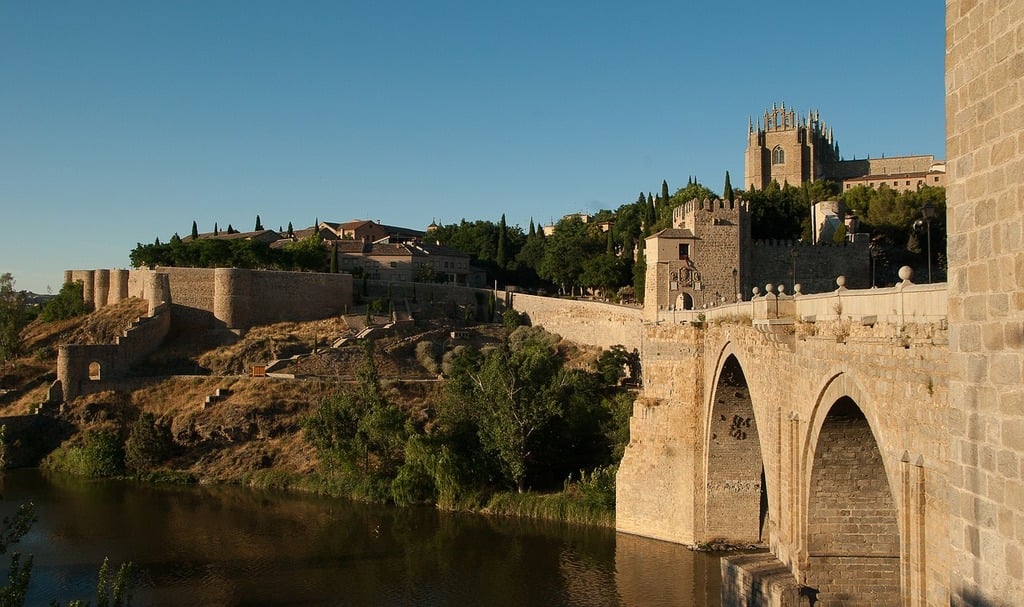
Medieval Spain was a crossroads of culture, science, and spirituality. This UC Boulder course delves into a remarkable period when Muslims, Christians, and Jews lived, learned, and built communities together. Despite eventual conflict, there were moments of collaboration that birthed astonishing advancements in philosophy, medicine, and architecture.
By examining art, literature, and legal systems, the course provides a well-rounded understanding of this unique societal blend. It invites learners to reflect on both the possibilities and limits of multicultural coexistence—lessons that are especially relevant in our increasingly diverse world today.
12. Zoom out and see the big picture with the OER Project’s Big History Project.

The Big History Project doesn’t just teach history—it redefines how you think about it. Spanning from the formation of the universe to our modern digital age, this course connects cosmic, biological, and human history into one cohesive narrative. It’s an interdisciplinary journey that links science with social studies to illuminate the big patterns of existence.
Ideal for those who want to understand the “why” behind human evolution and civilization, this course encourages deep curiosity. It challenges learners to think critically about our place in the universe and our responsibilities going forward. If you love asking big questions, this one is for you.
13. Celebrate the power of women’s history with Harvard’s Women Making History: Ten Objects, Many Stories.

Using a creative approach, this Harvard course tells women’s stories through ten objects—from protest buttons to historical garments. Each object unlocks a layered narrative about women’s contributions to politics, culture, science, and social justice. You’ll gain a more personal and tangible understanding of the historical impact made by women who are too often overlooked.
The course highlights the intersections of gender, race, and class, encouraging learners to question traditional historical narratives. It’s more than educational—it’s deeply inspiring. You’ll walk away with a renewed respect for the courage and creativity of women throughout history.