
Gen Z isn’t handing out respect just because you’re older.

Boomers and Gen X grew up with the idea that elders automatically deserved respect, no questions asked. Gen Z? They’re not buying it. Respect isn’t about age—it’s about actions. They’ve seen too many older generations refuse to acknowledge change, dismiss younger voices, and cling to outdated ideas while expecting automatic deference. That’s not how respect works anymore. If you want it, you have to earn it.
And if you think they’re just being rebellious? You might be missing the point.
1. Blind obedience isn’t the same as respect.
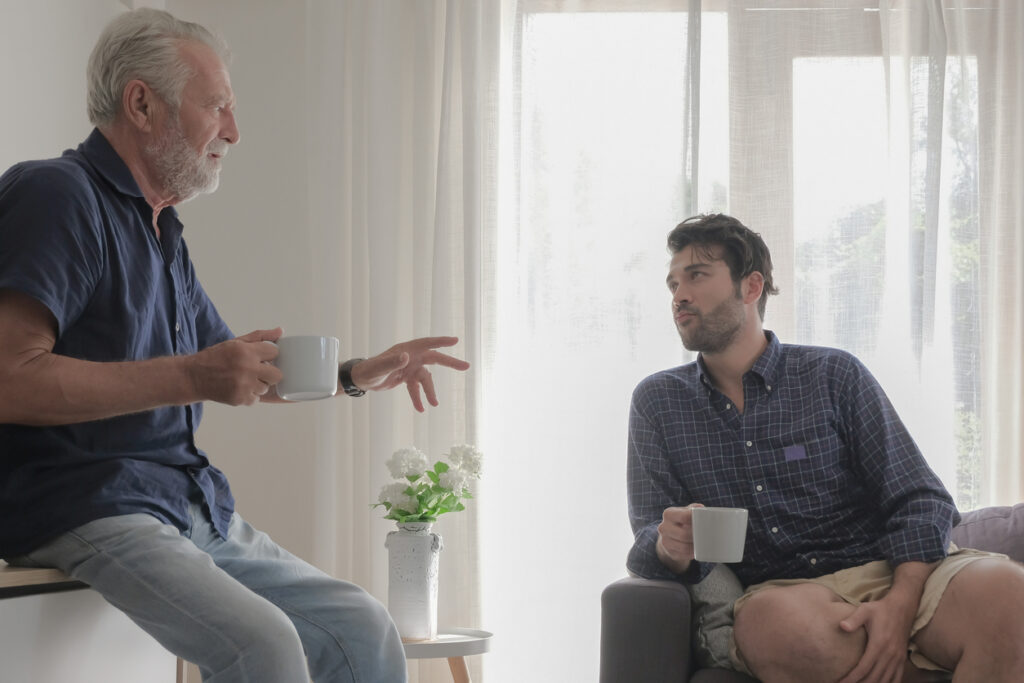
Boomers were taught to respect authority, even when that authority was wrong. Teachers, parents, bosses—if they were older, they were automatically right. Gen Z sees the flaw in that thinking. Just because someone has been around longer doesn’t mean they have better ideas, and it definitely doesn’t mean they should be followed without question.
2. Age doesn’t make you immune to criticism.

Older generations often bristle when young people push back against their views, dismissing them as rude or disrespectful. But Gen Z sees it differently. If someone—regardless of age—says something outdated, harmful, or just plain wrong, they believe it should be called out.
3. Respect should go both ways, not just up the chain.

Older generations often expect respect from younger people without offering any in return. They see questioning authority as insubordination rather than curiosity or critical thinking. Gen Z isn’t here for that double standard.
If an elder treats them with kindness, fairness, and respect, they’ll reciprocate. But if someone belittles them, dismisses their opinions, or refuses to acknowledge their perspective, they won’t hesitate to push back. Respect isn’t a one-way street, and Gen Z is making that clear.
4. ‘Because I said so’ isn’t a valid argument anymore.

For generations, older people used their authority as the final word in any debate. No explanations, no discussions—just “because I said so.” That doesn’t fly with Gen Z. They’re used to having access to unlimited information, and they expect discussions to be based on logic, reason, and facts—not just seniority.
If an elder can’t explain their reasoning, Gen Z isn’t going to just take their word for it. They challenge outdated beliefs, ask tough questions, and refuse to accept tradition as an excuse for bad ideas. If older generations want to be respected, they need to bring more to the table than just their age.
5. Wisdom isn’t about age—it’s about learning.

Older people like to say they’re wiser simply because they’ve lived longer. Gen Z isn’t convinced. They believe that wisdom comes from learning, evolving, and staying informed, not just existing for a long time.
If an elder is open to change, willing to admit when they’re wrong, and eager to understand new perspectives, Gen Z will respect that. But if someone refuses to grow, insists that things should stay the same because “that’s how it’s always been,” or dismisses new ideas outright, they won’t get a free pass just because they’ve been around longer.
6. Elders don’t have a monopoly on life struggles.
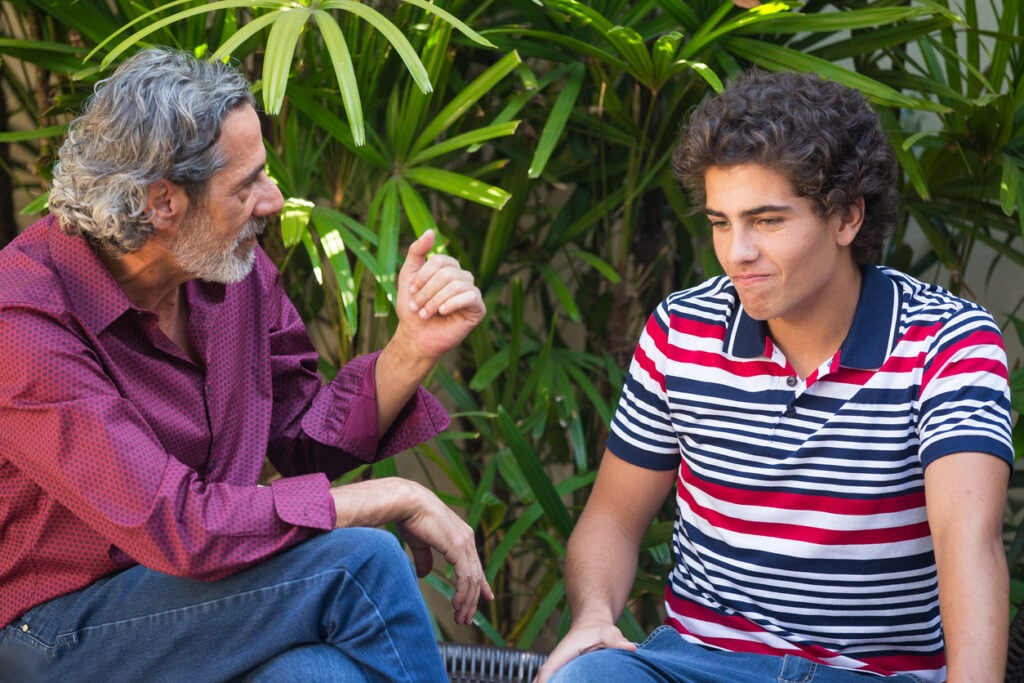
Older generations often assume that because they’ve lived through tough times, young people have nothing to complain about. Gen Z constantly hears phrases like “Back in my day, we had it worse,” as if hardship is a competition.
7. Dismissing new ideas as ‘entitlement’ is lazy.

Whenever Gen Z advocates for workers’ rights, mental health care, or social change, older generations love to call them “entitled.” In reality, they’re simply questioning systems that no longer work.
Boomers had pensions, affordable housing, and steady job markets. Gen Z has skyrocketing rent, crushing student debt, and job insecurity. Asking for fairness isn’t entitlement—it’s survival. If an elder can’t acknowledge that the world has changed, their perspective won’t be respected, no matter how many years they’ve lived.
8. Social media has leveled the playing field.

Older generations grew up in a time when knowledge was controlled by gatekeepers—teachers, bosses, news anchors. Gen Z has grown up in a world where information is accessible to everyone. They don’t just take an elder’s word for it—they fact-check everything.
This shift means that older people can’t just rely on authority to demand respect. They have to earn it by engaging in informed, meaningful conversations. If their arguments don’t hold up, they won’t be taken seriously, no matter their age.
9. Being older doesn’t mean you understand the future.

Boomers often assume that because they’ve lived longer, they know what’s best for the world. But Gen Z is the one inheriting the future, and they have a better grasp of where things are headed.
Technology, climate change, and evolving social structures mean that young people often have a clearer picture of what the future looks like. Dismissing their concerns or trying to control their decisions isn’t just frustrating—it’s counterproductive. Older generations should be listening, not just lecturing.
10. ‘Kids these days’ is the weakest argument ever.

Every generation thinks the one after them is lazy, selfish, and ruining everything. Boomers heard it from their parents, Gen X heard it from Boomers, and now Gen Z is hearing it from both. But history has shown that younger generations always adapt, innovate, and push society forward.
Calling Gen Z lazy or entitled ignores the fact that they’re working with a completely different reality than older generations did. Instead of complaining about “kids these days,” elders might want to take a step back and listen—because Gen Z isn’t going anywhere.
11. Respect shouldn’t be used as a tool for control.

Many older people use “respect your elders” as a way to shut down conversations they don’t like. If a young person disagrees with them, it’s labeled as disrespectful. But respect shouldn’t be a weapon used to silence younger voices.
Gen Z respects people who earn it, not those who demand it. They’re willing to engage in real discussions, but they won’t be bullied into submission just because someone is older. If an elder wants to be heard, they should be willing to listen, too.
12. Change is happening—with or without permission.

Older generations may not like how Gen Z challenges authority, but they can’t stop it. Social structures, workplaces, and cultural norms are evolving, and younger generations are leading the charge.
Instead of resisting, older people have a choice: adapt and be part of the conversation, or get left behind. The world is moving forward, and respect is no longer given freely—it’s earned through understanding, accountability, and a willingness to grow.