
Follow these proven money moves from Dave Ramsey or risk running out of cash in retirement.

Think you’re set for retirement? Dave Ramsey might disagree. The personal finance guru has spent decades helping people get their money right, and when it comes to retirement, he doesn’t mess around. Too many retirees end up stressed, broke, or relying on family because they didn’t follow a solid financial plan.
If you want to enjoy your golden years without constantly worrying about money, it’s time to take Ramsey’s advice seriously. Here’s what he swears by for a worry-free retirement.
1. Set clear retirement goals and create a concrete plan.

Winging it won’t cut it when it comes to retirement. Dave Ramsey is all about being intentional with your money, and that starts with a clear vision. Ask yourself: What kind of lifestyle do you want? When do you hope to retire? How much money will you need? Without a solid plan, you’re just hoping things work out. Sit down, crunch the numbers, and create a roadmap that keeps you on track. A well-defined goal makes all the difference.
2. Get out of debt using the snowball method.

Debt is the biggest roadblock to financial freedom, and Dave Ramsey doesn’t tolerate it. His famous snowball method is all about paying off the smallest debt first, then rolling that payment into the next one. It’s not just about the math—it’s about momentum. Knocking out those smaller debts gives you the confidence to keep going. Imagine entering retirement with zero payments hanging over your head. No credit card bills. No loans. Just complete financial freedom.
3. Build a fully funded emergency fund of 3-6 months’ expenses.

Unexpected expenses don’t stop just because you retire. That’s why Ramsey insists on having a solid emergency fund. Think of it as your financial safety net—there when life throws surprises your way. A broken appliance, a medical bill, or an unexpected home repair won’t derail your retirement plans if you’ve got savings to cover it. Aim for 3-6 months’ worth of expenses in a separate, easily accessible account. Peace of mind is priceless, especially in retirement.
4. Invest 15% of your gross income in good mutual funds.

Dave Ramsey doesn’t want you just scraping by in retirement—he wants you to thrive. One of his golden rules? Consistently invest 15% of your gross income, according to Nasdaq.com. The key is choosing good mutual funds that offer solid, long-term growth. It’s not about chasing trends or timing the market. Stick to reliable, diversified funds, and let compound interest do its thing. The sooner you start, the bigger the payoff. Your future self will thank you for every dollar invested.
5. Take advantage of tax-advantaged retirement accounts like IRAs and 401(k)s.
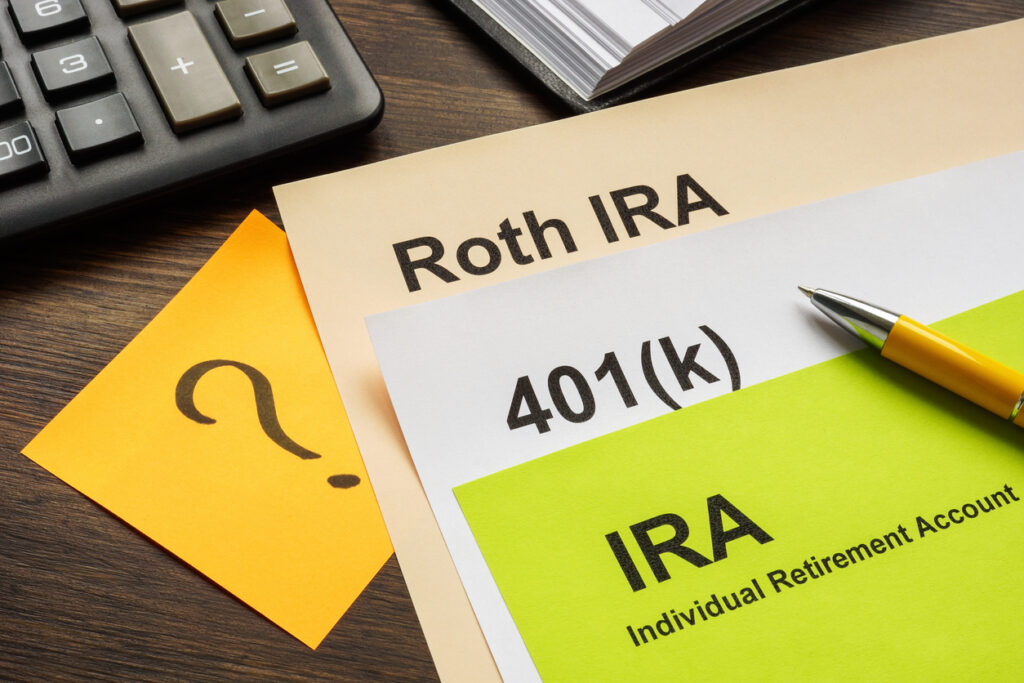
If you’re not using tax-advantaged retirement accounts, you’re leaving money on the table. Ramsey urges everyone to maximize their 401(k) and IRA contributions. Why? Because they help your money grow faster by reducing your taxable income. If your employer offers a 401(k) match, that’s free money—don’t waste it. Traditional or Roth IRAs also provide great tax benefits. The bottom line? The more you take advantage of these accounts now, the more wealth you’ll have later.
6. Diversify investments across various asset classes to spread risk.

Putting all your money in one place is risky business. Dave Ramsey preaches diversification because it protects you from market swings. Stocks, bonds, real estate—spreading your investments across different asset classes helps minimize losses when the market dips. Think of it like a financial safety net: If one area struggles, the others can help balance things out. No one can predict the market, but a diversified portfolio gives you the best chance of long-term success.
7. Avoid high-fee investments and advisors with high commissions.
Fees can quietly drain your retirement savings without you even realizing it. That’s why Ramsey warns against high-fee mutual funds and financial advisors who take hefty commissions. A 1-2% fee may not seem like much, but over decades, it can cost you hundreds of thousands of dollars. Stick with low-cost index funds and work with a fee-only financial advisor who has your best interest in mind—not their commission. Your future wealth depends on it.
8. Treat Social Security as a supplement, not a primary income source.

If you’re counting on Social Security to cover all your retirement expenses, think again. Ramsey emphasizes that Social Security should be a supplement, not your main income. The monthly check is helpful, but it’s not nearly enough to fund a comfortable retirement. Instead, build your wealth through smart investments, a solid retirement fund, and passive income streams. That way, Social Security becomes just extra money, not something you have to depend on to survive.
9. Plan for potential healthcare expenses with an HSA and long-term care insurance.

One of the biggest mistakes retirees make? Ignoring healthcare costs. Medical expenses will rise as you age, and they can easily wipe out your savings if you’re not prepared. Ramsey strongly recommends a Health Savings Account (HSA) if you qualify—it’s a tax-advantaged way to cover medical costs. And don’t forget long-term care insurance. Nursing homes and assisted living aren’t cheap, and Medicare won’t cover everything. Planning now keeps you from financial stress later.
10. Maintain a long-term perspective to avoid impulsive financial decisions.

Markets go up and down—that’s just reality. But the worst thing you can do? Panic and make emotional money moves. Ramsey teaches the importance of sticking to your plan and thinking long-term. Selling investments because of a temporary market dip? Big mistake. Jumping on a “hot stock” tip? Risky. Retirement success comes from patience and consistency. Ignore the noise, trust the process, and let your investments grow over time. That’s how real wealth is built.
11. Work with a financial professional to optimize your investment strategy.

Even if you’re financially savvy, having a trusted financial pro can make a huge difference. Ramsey advises working with a fiduciary advisor—someone legally required to act in your best interest. They can help fine-tune your strategy, maximize tax advantages, and keep you on track. Just make sure you’re choosing the right advisor—one who charges flat fees instead of commissions. With the right guidance, you’ll have more confidence in your retirement plan.
12. Start investing for retirement as early as possible to leverage compound interest.

There’s one thing money loves: time. The earlier you start investing, the more compound interest works in your favor. Ramsey constantly reminds people that time in the market is more valuable than timing the market. Even small investments in your 20s and 30s can grow into a massive retirement fund thanks to compounding. But don’t panic if you started late—just start now. Every dollar invested today is a dollar working for your future self.