
Here’s how their choices are locking millennials and Gen Z out of home ownership forever.

Boomers had a golden window of opportunity. The postwar economy was booming, wages were strong, and the housing market was wide open. Buying a home didn’t feel like chasing a fantasy—it was a natural next step in building a stable life. Homes were priced within reach, banks weren’t predatory with their lending practices, and financial stress didn’t follow every mortgage decision. They got in at the right time, under the right circumstances.
Meanwhile, Millennials and Gen Z are scrambling to catch up in a world where housing prices have soared far beyond income levels, and financial stability feels like a moving target. Many feel like they’ve been cheated out of the same dreams their parents were handed on a silver platter.
1. Boomers Bought When Houses Were Practically Given Away
Back in the 1970s and 1980s, Boomers could buy a decent home for a fraction of today’s costs. You could work a middle-class job and still afford a house without sacrificing your entire future, according to writers at Berkeley Economic Review. A starter home priced around $30,000 wasn’t unusual. They entered the housing market when inflation-adjusted prices were low, the economy was strong, and job security was common—even for people without college degrees.
Compare that to today, where the average home costs several hundred thousand dollars, even in modest areas. Young people are often locked into expensive rental agreements with no pathway to ownership. The disparity is glaring, and it’s no wonder so many Millennials and Gen Zers are feeling locked out. When homes were nearly handed to one generation, and the next is told to just work harder, it creates a resentment that’s hard to ignore.
2. They Held Onto Homes Instead of Downsizing

Many Boomers are still living in the same large, family-sized homes they bought decades ago—even after the kids have moved out. Downsizing could free up housing stock for younger families, but sentimental attachment, inertia, and the comfort of staying put keep them rooted, Jeff Tucker at Real Estate News reported. The result is fewer available homes in family-friendly neighborhoods, which fuels scarcity and pushes prices higher.
It’s more than just a personal choice—it has market-wide consequences. The unwillingness to let go of oversized properties isn’t just about comfort; it reflects a broader pattern of holding on to advantage. With limited supply and increasing demand, first-time buyers find themselves squeezed out. And while no one blames people for loving their homes, the societal cost of this generational pattern is steep.
3. They Overleveraged Real Estate for Profit
Boomers turned housing into a money-making venture, buying multiple properties as investments instead of homes. This trend turned entire neighborhoods into portfolios, driving up prices and transforming communities into cash cows. It wasn’t uncommon for Boomers to buy a second or even third property to rent out or flip for profit during housing booms, as mentioned by authors at The Hill.
For Millennials and Gen Z, this has created a hostile buying environment. Competition with cash-rich investors makes securing a modest starter home nearly impossible. These generations are left renting from Boomers who own multiple homes while they struggle to buy even one. The transformation of homes into wealth-building tools has helped deepen the inequality across generations
4. They Voted Against Policies That Could Help First-Time Buyers

As the largest and most consistent voting bloc, Boomers have significantly influenced housing-related policies. Their voting patterns often favor lower property taxes, stricter zoning laws, and resistance to new developments—especially those aimed at affordable housing. While this protects their assets, it leaves younger generations in the cold.
Policies that could make homeownership more accessible, like housing subsidies, first-time buyer tax incentives, or rezoning to allow for higher-density housing, often get voted down or blocked. Millennials and Gen Z aren’t just frustrated—they’re feeling abandoned by a political system that seems tailored to protect older homeowners at their expense.
5. They Reap the Benefits of Low Interest Rates They Won’t See Again
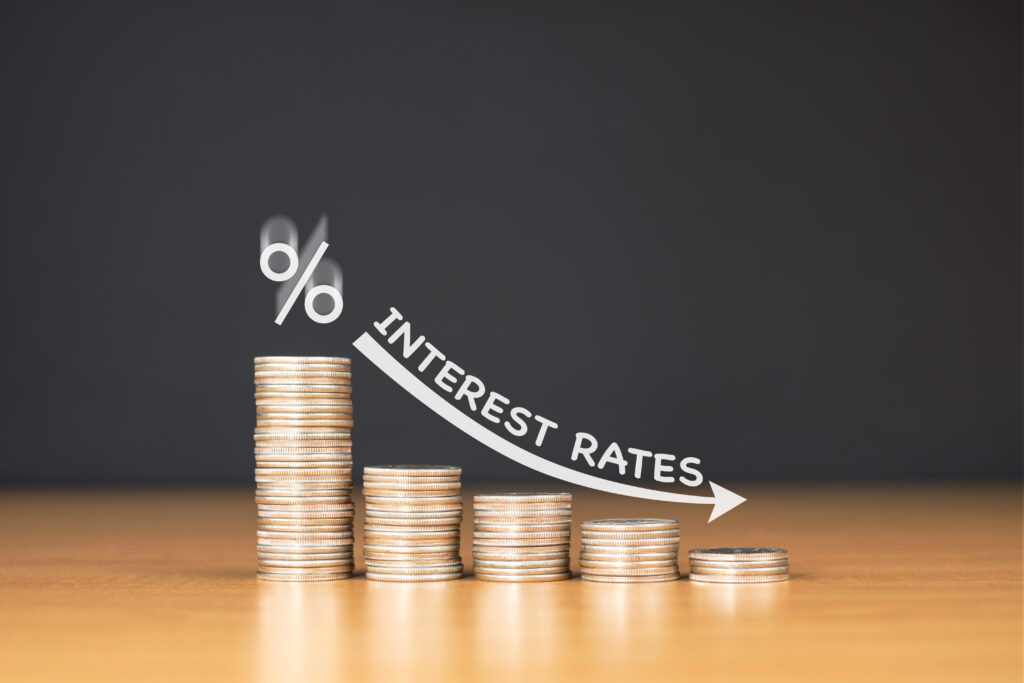
Many Boomers locked in mortgage rates so low they almost seem fictional now. Rates of 3% or even less were common during key refinancing periods. These low rates drastically reduced monthly payments and interest burdens, giving Boomers long-term financial breathing room and allowing them to build equity quickly.
Now that rates have more than doubled for new buyers, Millennials and Gen Z face crushing loan terms. Monthly payments that once looked manageable now stretch thin budgets to their limits. For those entering the market, it feels like they’re being punished for being born too late. The advantages Boomers enjoyed are gone, and they’re not coming back anytime soon.
6. They Contributed to the Inflation of Home Prices
As Boomers accumulated wealth, they often funneled it into real estate, driving demand and bidding up home prices across the board. The result? What was once an affordable path to independence became a cutthroat race to outbid competitors. Boomers’ financial firepower gave them a massive edge in every housing market they entered.
For younger generations, this has made even modest homes prohibitively expensive. Instead of buying homes that build equity, many are stuck renting or relying on roommates well into their 30s and 40s. The market’s upward spiral wasn’t inevitable—it was shaped by generational purchasing power that left others behind.
7. They Opposed Affordable Housing Projects in Their Neighborhoods
The term NIMBY—Not In My Back Yard—often applies to Boomer homeowners who resist change in their neighborhoods. Proposed affordable housing developments are met with fierce opposition, often out of fear they’ll “change the character” of a community or lower property values. These actions stall progress and preserve exclusivity.
While understandable from a personal standpoint, this resistance blocks solutions to a growing crisis. Millennials and Gen Z, who could benefit from these developments, are left to navigate a market that actively works against them. The irony is that Boomers often benefited from suburban growth and expansion—yet now deny those same opportunities to others.
8. They Expect Top Dollar When Selling Their Homes

When Boomers finally decide to sell, they want top market value—often without making necessary repairs or updates. Their homes may be outdated, but they expect buyers to pay premium prices based on location and past market trends. This attitude drives prices higher and forces younger buyers to stretch their finances just to compete.
These inflated expectations often mean younger buyers can’t afford the home or are forced to pour additional money into renovations. It’s a lose-lose scenario: overpriced listings on one side, underfunded buyers on the other. The housing market has become a place of extraction rather than opportunity for the next generation.
9. They Didn’t Plan for Housing Market Sustainability

Boomers lived through a time of economic growth and expansion, but few planned for the long-term consequences of urban sprawl and inflated markets. Housing developments sprawled out into suburbs without adequate infrastructure, while inner cities were neglected or gentrified without affordable options for long-term residents.
Today’s generations are paying for those short-sighted choices. Crumbling infrastructure, housing shortages, and environmental degradation are the fallout of decisions made decades ago. The system wasn’t built to last, and now Millennials and Gen Z are left with the fragments of a structure that was never truly future-proof.
10. They Take Pride in a System That No Longer Works

Boomers often wear their homeownership stories like badges of honor—how they worked hard, saved, and made it happen. But the truth is, their path was paved with advantages that no longer exist. Wages were higher relative to costs, interest rates were favorable, and homes were more plentiful and less competitive to buy.
When they express pride in a system that younger people can’t access, it comes across as dismissive at best. It’s not that younger generations aren’t trying—it’s that the system has changed dramatically. What once required discipline and effort now also demands luck and privilege, and the disconnect between those realities breeds frustration.
11. They Downplay the Struggles of Younger Buyers

Boomers often chalk up younger generations’ struggles to lifestyle choices—lattes, streaming services, and “entitlement.” But these simplistic narratives ignore the overwhelming economic barriers that have reshaped adulthood. Many Millennials and Gen Zers are working multiple jobs, carrying student debt, and still can’t break into the housing market.
This lack of empathy deepens the generational divide. What young buyers need is not patronizing advice but structural changes that make ownership accessible again. Dismissing their efforts as frivolous or undisciplined only reinforces the feeling that they’ve been unfairly left behind by a system they never got a fair shot at entering.