
These energy-zapping habits could be draining years off your life without you even realizing it.

You might not realize it, but some of the habits woven into your daily routine could be quietly stealing your energy—and, over time, even your sense of vitality. These behaviors often go unnoticed because they’ve become so familiar. They may seem harmless or even comforting in the moment, but slowly and surely, they leave you feeling depleted, foggy, and older than your age. It’s not about blame—it’s about awareness. Once you recognize the subtle ways you may be draining your energy, you can start making changes that lead to a more vibrant, engaged life.
1. Eating Whatever You Want Without Thinking About the Consequences

It’s easy to reach for what’s quick, comforting, or familiar when it comes to food, especially if you’ve had a long day or feel like you’ve earned a treat. But mindlessly eating processed snacks, fast food, or sugary treats can seriously zap your energy over time. These foods might give you a temporary lift, but they quickly lead to a crash that leaves you even more fatigued. Your body needs sustained fuel—not just empty calories—to feel truly alive and vibrant throughout the day.
Older adults who seem to glow with energy don’t eat perfectly, but they do eat mindfully. They understand that what you put into your body has a direct impact on how you feel. Lean proteins, whole grains, healthy fats, and a variety of fruits and vegetables help maintain steady energy and reduce inflammation. Studies show that dietary choices can significantly influence long-term vitality.
2. Skipping Exercise Because You Don’t Feel Like It

We all have those days when getting off the couch feels like climbing a mountain. But when those days turn into weeks, you start to lose the very energy you’re trying to conserve. Skipping exercise might seem like a way to rest, but in reality, movement is one of the most powerful ways to generate energy. Your muscles crave activity, and your mind lights up with even a short walk. It’s not about intense workouts—it’s about consistency and momentum.
3. Letting Stress Take Over Your Life

Stress might feel like an unavoidable part of life, but letting it go unchecked takes a massive toll on your energy, health, and sense of joy. Chronic stress triggers a constant stream of stress hormones like cortisol, which can lead to fatigue, poor sleep, and even a weakened immune system. When stress becomes your default mode, your body and mind start to shut down in subtle but serious ways, draining you before your day has even begun.
4. Staying Up Too Late Binge-Watching TV

That next episode might feel irresistible, but staying up late to watch just one more show chips away at the sleep your body so desperately needs. Over time, those lost hours add up, leaving you groggy, irritable, and out of sync. Good sleep isn’t just about rest—it’s about restoration. It’s when your body repairs tissues, balances hormones, and processes emotions. Skip it, and you’re starting your day in an energy deficit that’s hard to bounce back from.
High-energy older adults respect their bedtime the way they would a medical appointment or a cherished ritual. They’ve learned that prioritizing sleep is a direct investment in the next day’s clarity and stamina. Creating a calming wind-down routine, limiting screen time, and keeping a consistent schedule are small changes that can make a huge impact.
5. Ignoring Hydration and Living on Caffeine

Coffee may seem like the ultimate pick-me-up, but leaning on caffeine without staying hydrated is a quick path to burnout. Dehydration can cause fatigue, headaches, and brain fog—symptoms that are often blamed on aging but are actually preventable. Many people drink caffeine when their body is really crying out for water. If you’re tired all the time, your first step should be reaching for a glass of H₂O.
Those who age with energy often carry a water bottle with them and make it a habit to sip throughout the day. They know that even mild dehydration can affect mood and focus. Water supports every function in your body—from digestion to circulation to cellular repair.
6. Dwelling on Negativity and Complaining Constantly

Negativity can be like a slow poison—subtle but deeply damaging over time. Constant complaining, rehashing old grievances, or expecting the worst saps your emotional energy and drags others down with you. When your mindset defaults to what’s wrong, your brain spends its energy on defense instead of creativity, hope, and motivation. You end up feeling emotionally spent and disconnected from joy.
High-energy older adults consciously choose optimism—not by ignoring life’s difficulties, but by shifting their focus. They vent when needed, then move forward with intention. They look for silver linings and solutions. Cultivating a habit of gratitude, even in small ways, helps rewire your brain for positivity and resilience. That mindset becomes a wellspring of energy—renewable and deeply empowering.
7. Spending Too Much Time Sitting Around

Extended periods of sitting can lull your body into a kind of stillness that feels like rest—but isn’t. Sitting too long slows your metabolism, tightens your muscles, and weakens your cardiovascular health. It can leave you feeling sluggish, uninspired, and strangely more tired than before. The human body was designed for movement, and when it’s deprived of it, energy levels decline rapidly.
Energetic seniors don’t necessarily hit step goals or wear fitness trackers—they simply make movement a part of life. They stand up and stretch while watching TV, take short walks between tasks, or do light chores to stay in motion. These micro-movements add up, improving circulation and keeping energy flowing. Movement isn’t just for fitness—it’s fuel for your life.
8. Saying Yes to Everything and Burning Yourself Out

There’s a certain pride in being dependable and saying yes when others need you—but saying yes too often can lead to chronic exhaustion. Overcommitting yourself means you’re constantly in go-mode, leaving little time to recharge or enjoy the things you truly care about. The pressure to please or prove yourself can slowly wear you down, physically and emotionally.
The most vibrant older adults know the value of boundaries. They understand that every “yes” has a cost and that it’s okay—even healthy—to say no sometimes. They prioritize their time, focus on what aligns with their values, and don’t apologize for protecting their energy. When you reclaim your time, you reclaim your power—and your vitality often follows.
9. Ignoring Your Body’s Signals to Rest

Your body sends you messages every day—hunger, fatigue, tension—but it’s easy to brush those aside when life is busy. Overriding your need for rest can lead to chronic depletion and burnout. You might tell yourself to push through, but long-term, this habit chips away at your reserves and makes it harder to recover when you finally do slow down.
Energized older adults have learned to listen and respond to their bodies with care. They rest when they need to, take breaks without guilt, and know the value of a quiet afternoon. Rest doesn’t mean weakness—it means wisdom. When you build pauses into your day, you give your body the chance to restore and your spirit the opportunity to reset.
10. Letting Clutter and Chaos Take Over Your Space
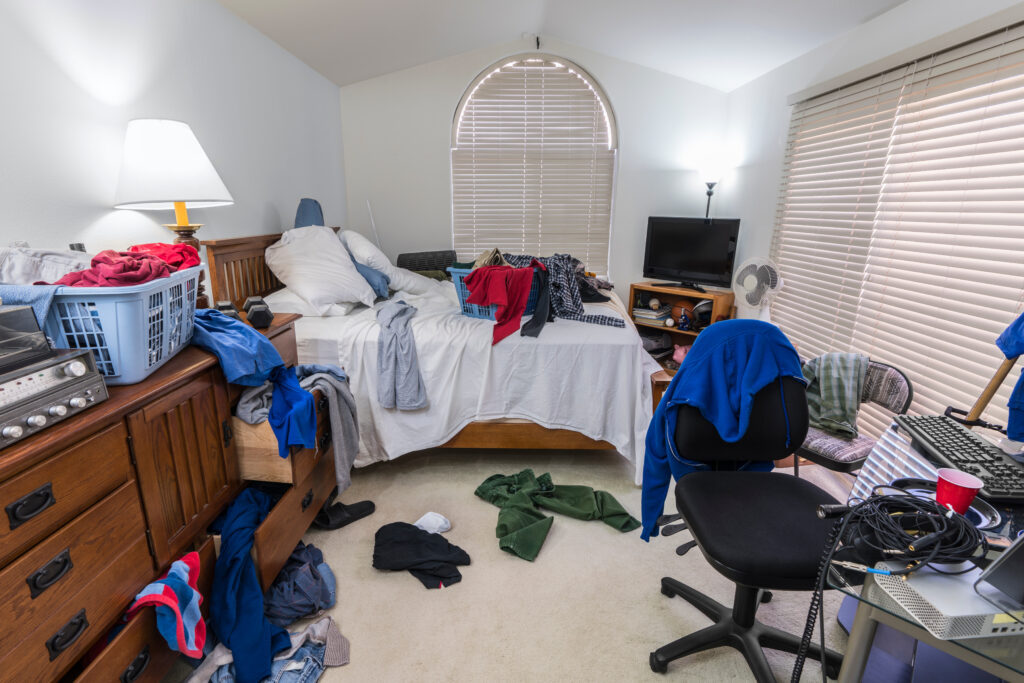
Your physical environment has a profound effect on your mental clarity and energy levels. A cluttered home can overwhelm your senses and make it harder to relax or focus. Visual noise becomes emotional noise, leading to frustration, anxiety, and fatigue. You may not even realize how draining your surroundings have become until you take steps to change them.
Older adults who maintain energy often keep their homes simple and soothing. They organize spaces in a way that feels functional and inviting, not perfect. Just clearing one area—a kitchen counter, a drawer, a bedside table—can create a sense of momentum and peace. A tidy space often reflects a tidy mind, and the energy that follows is real and refreshing.
11. Isolating Yourself Instead of Staying Social

It’s tempting to pull back from social situations as you get older—especially if you’ve had painful experiences or if you just feel more introverted these days. But isolation can slowly drain your life force, leaving you emotionally depleted. Humans are wired for connection, and even brief interactions can lift your mood, sharpen your mind, and replenish your energy.
High-energy seniors make connection a habit. They schedule regular meetups, pick up the phone, or join community groups that align with their interests. They know that laughter and conversation are just as important as sleep and nutrition. Even on days when you don’t feel like talking, reaching out can remind you that you’re not alone—and that’s a powerful energy source.
12. Holding Grudges and Clinging to Resentment

Carrying around resentment is like walking with a heavy stone in your pocket. You get used to the weight, but it doesn’t mean it’s not dragging you down. Grudges and unresolved anger keep your mind stuck in the past and sap your emotional bandwidth. They become a background drain on your happiness and vitality.
Older adults who live with lightness don’t necessarily forget every wrong—they just choose to stop letting it define their present. Forgiveness is often more for you than for the person who hurt you. Letting go creates space for joy, connection, and forward momentum. When you finally drop that emotional weight, you’ll feel the freedom—and energy—that’s been waiting underneath it all along.