
Family heirlooms tell timeless stories and carry cherished memories.
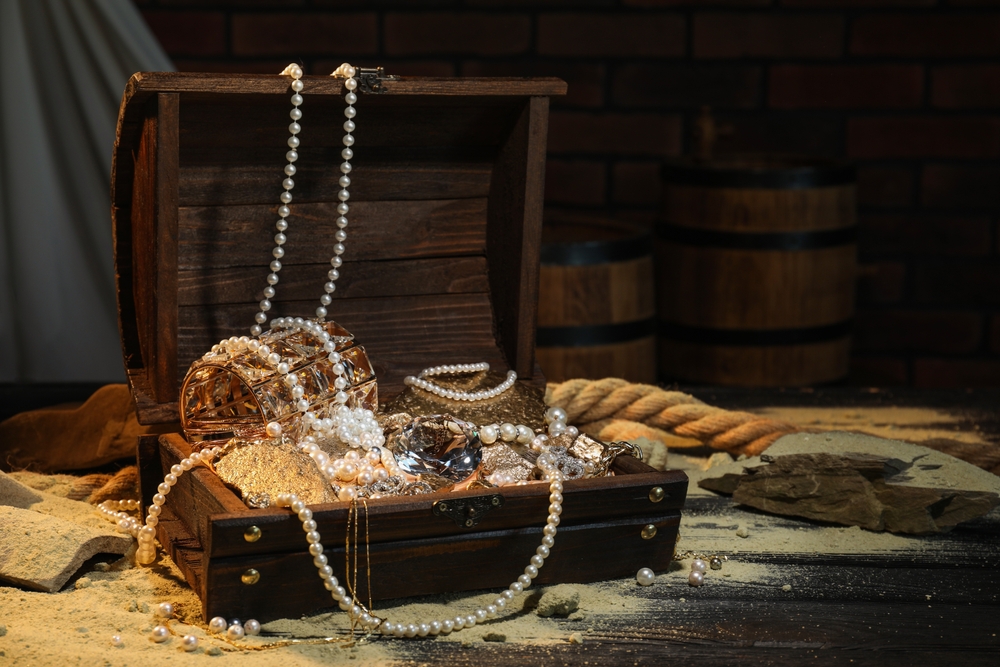
Some possessions transcend trends and carry a deeper value rooted in emotion, history, and family ties. While many items lose their shine or relevance over time, a select few remain iconic fixtures in family homes. These treasured objects remind us of the people and moments that helped shape our identity, whether they’re displayed with pride or stored away for safekeeping. Their presence brings a sense of grounding, especially in a world where everything seems to change so quickly.
1. A vintage clock adds timeless elegance to any home
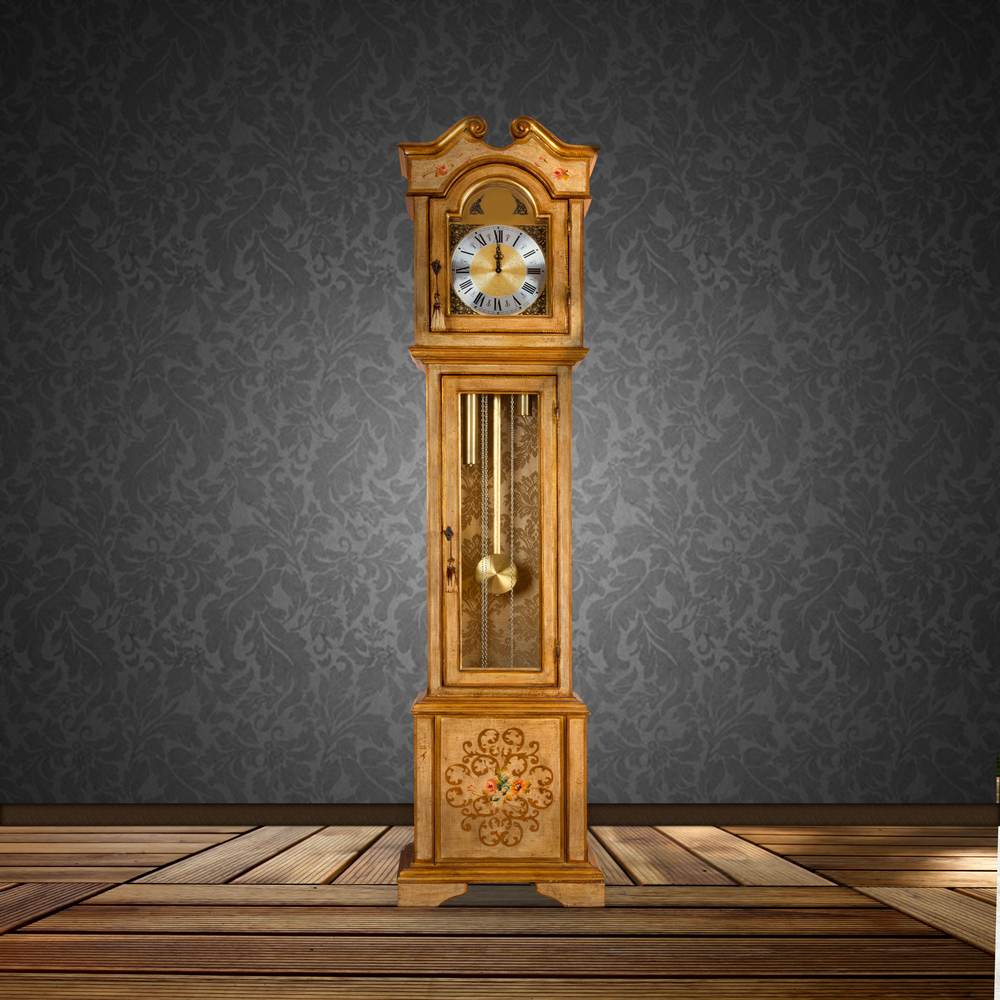
A vintage clock does much more than keep time; it often marks the rhythm of family life across decades. The familiar ticking and occasional chime serve as background music to everyday moments—holiday dinners, heart-to-heart talks, or even quiet Sunday mornings. As stated by Antique Clocks Price Guide, the intricate craftsmanship and mechanical integrity of older timepieces often surpass what we see in mass-produced clocks today, making them both functional and beautiful relics of the past.
Grandfather clocks with long pendulums or dainty mantle clocks passed from one generation to the next carry emotional resonance and family lore. Keeping one in the family is a quiet tribute to both artistry and ancestry.
2. Handwoven rugs are both beautiful and meaningful
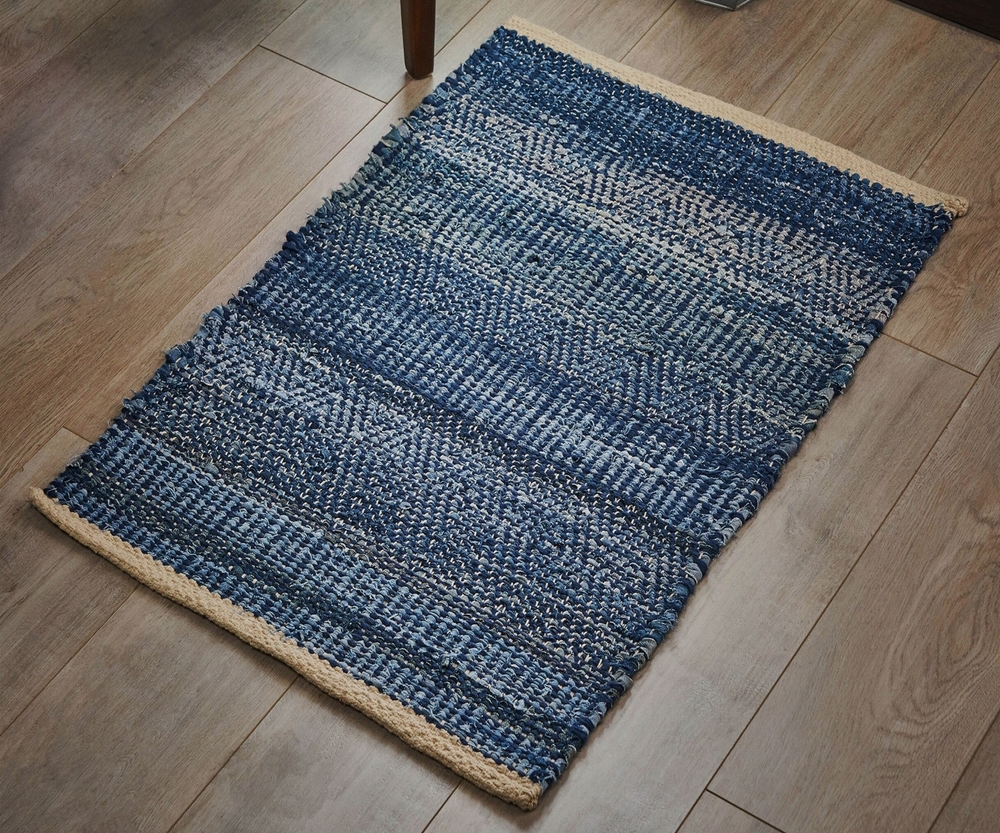
Handwoven rugs are often cherished for their beauty, but their deeper value lies in the stories they tell. These textiles, especially those created using traditional techniques, are imbued with history and symbolism. Each thread, color, and pattern is chosen with intention, reflecting the culture and skill of the artisan. As reported by Smithsonian Center for Folklife and Cultural Heritage, handmade rugs often reflect regional identities and can take months or even years to complete, depending on the complexity of the design.
Unlike modern machine-made versions, handwoven rugs wear with grace. They become fixtures in the home—under dining tables where generations share meals, or in living rooms where children learn to crawl. These rugs soak in the laughter, footsteps, and presence of everyone who walks across them.
3. Fine china sets elevate family gatherings and traditions
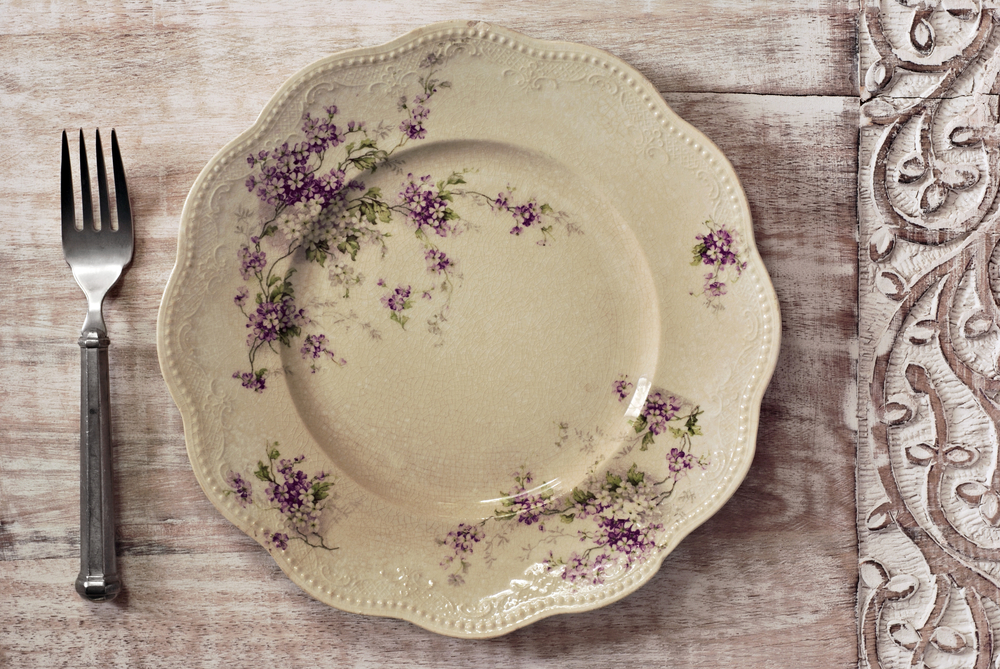
Fine china isn’t reserved solely for formal occasions—it’s often the silent guest at a lifetime of meals and memories. Whether set on the table for Thanksgiving, weddings, or casual Sunday brunches, these delicate dishes bring an air of ceremony and care to any gathering. Country Living shared that many families treasure their heirloom china as symbols of love, grace, and hospitality, making them priceless even if they’re rarely used.
The patterns on the plates, the gentle clink of porcelain against silver, and even the stories of who gave or received the set all become part of the family narrative. When passed down, they allow future generations to share meals using the same dishes as their great-grandparents. This continuity builds a subtle but meaningful connection across time, transforming everyday rituals into moments of reverence.
4. A family quilt weaves comfort and stories together
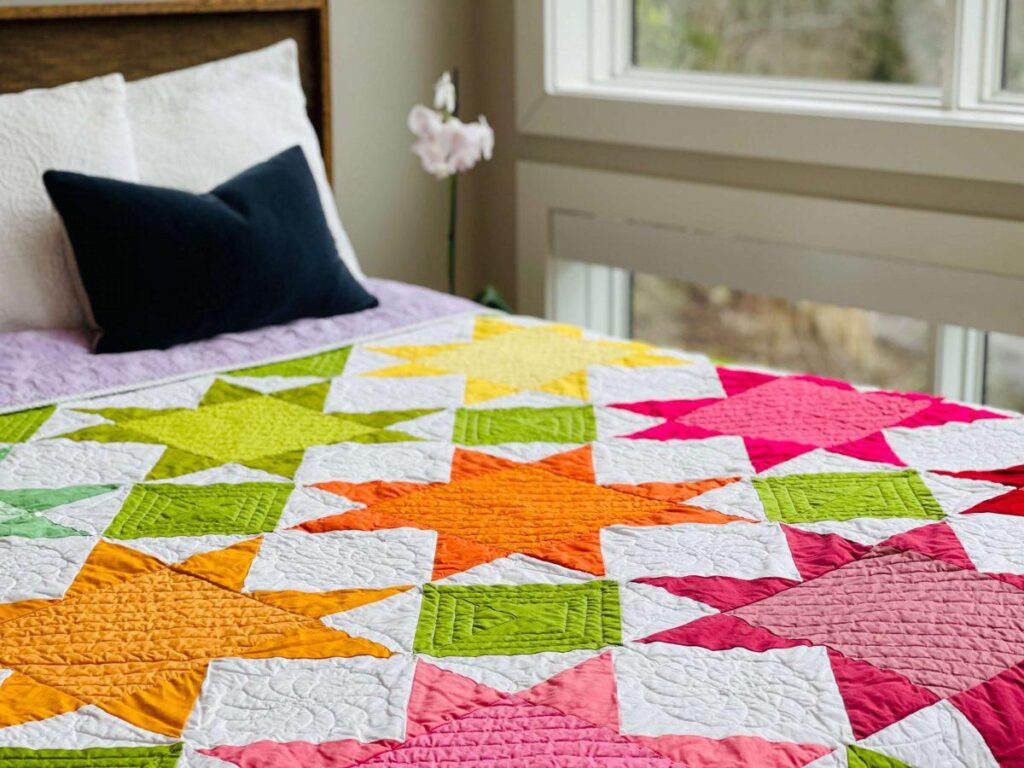
Quilts stitched by family members are much more than blankets; they are tactile histories. Each square might be made from a dress worn at a graduation, a curtain from a childhood bedroom, or a flannel shirt once favored by a beloved relative. The quilt, therefore, becomes a mosaic of memories, every piece telling its own quiet story while contributing to the greater whole.
The love, patience, and creativity involved in hand-stitching a quilt make it a gift of tremendous emotional weight. These quilts often become items of comfort during tough times, treasured not only for their warmth but for the connection they offer to the hands that made them. Preserving them is a way of preserving the care, sacrifice, and affection of past generations.
5. A wooden rocking chair becomes a timeless family symbol
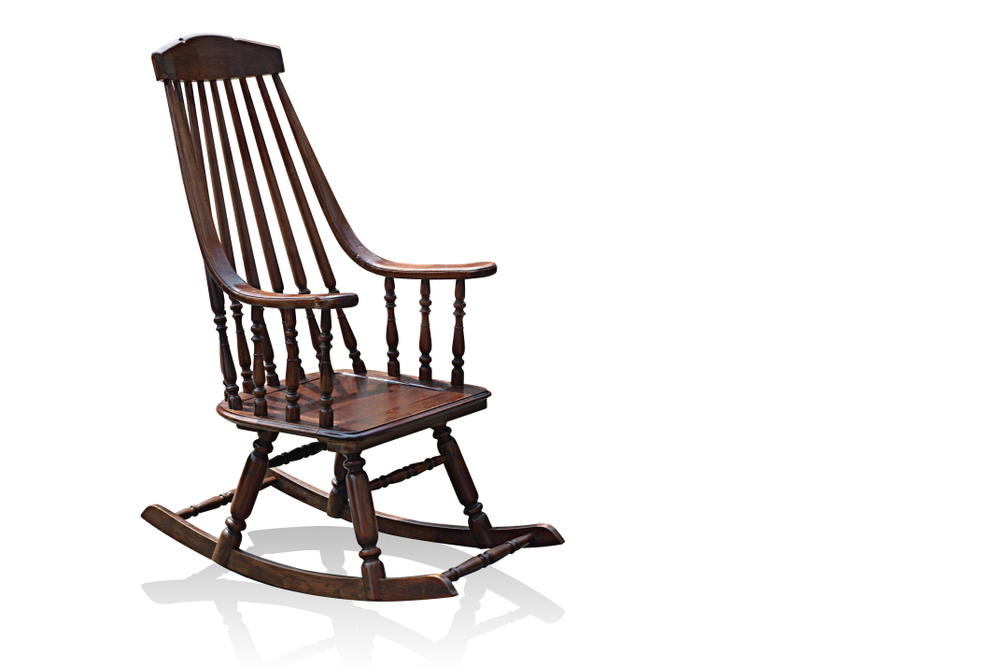
The creak of a well-loved rocking chair is a sound many associate with warmth and safety. These chairs often serve as silent witnesses to a family’s evolution—from soothing babies to sleep, to holding a loved one while reading a novel or reminiscing over a cup of tea. With every motion back and forth, memories are etched into the very grain of the wood.
Handcrafted wooden rockers are both practical and deeply personal. Their enduring style and strength make them ideal for passing down, and their visible signs of use—worn arms, faded cushions—tell stories of lives lived and love given. Keeping such a chair in the family means keeping a living memory that can still offer comfort and familiarity.
6. Antique books are a window into the family’s intellectual legacy
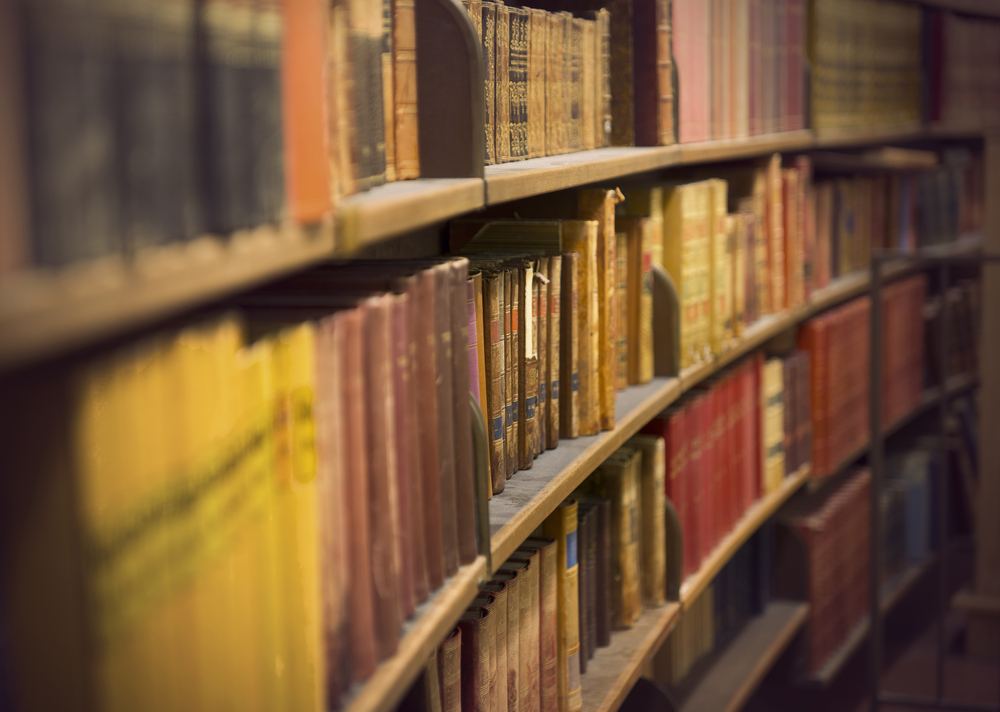
Antique books are much more than reading material; they represent a glimpse into the curiosities and passions of those who came before. The subjects they cover—poetry, philosophy, science—reflect what once captivated the minds of relatives from another era. A worn Bible with family names and dates in the margins or a volume of Shakespeare with handwritten notes becomes a personal museum of intellect and emotion.
These books often contain tucked-in surprises: dried flowers, postcards, scribbled phone numbers, or recipes. They offer not just insight into what a family read, but how they lived. When handed down, these books connect generations through thought, imagination, and shared wisdom. Preserving them is like passing a torch of curiosity and wonder.
7. Jewelry pieces shine with family heritage and love
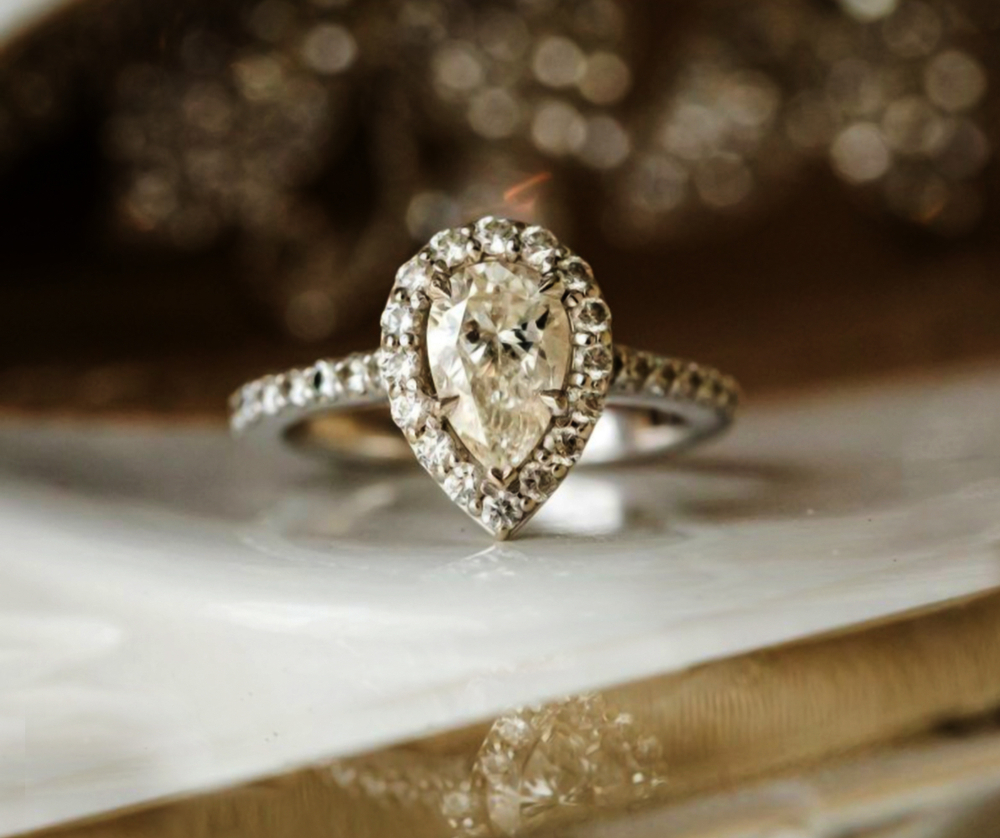
Heirloom jewelry glows not just from its gemstones or precious metals but from the hands and hearts that wore it. An engagement ring worn by multiple generations or a gold locket with a tiny portrait inside carries emotional gravity. These pieces often become powerful tokens of commitment, celebration, and enduring connection.
Beyond their material value, these items hold specific stories—who gave them, why they mattered, and when they were worn. Wearing a grandmother’s ring or a father’s cufflinks offers a silent but profound way to carry their presence into new chapters. When passed down thoughtfully, jewelry becomes a sparkling thread in the family narrative.
8. Vintage tools demonstrate craftsmanship and utility
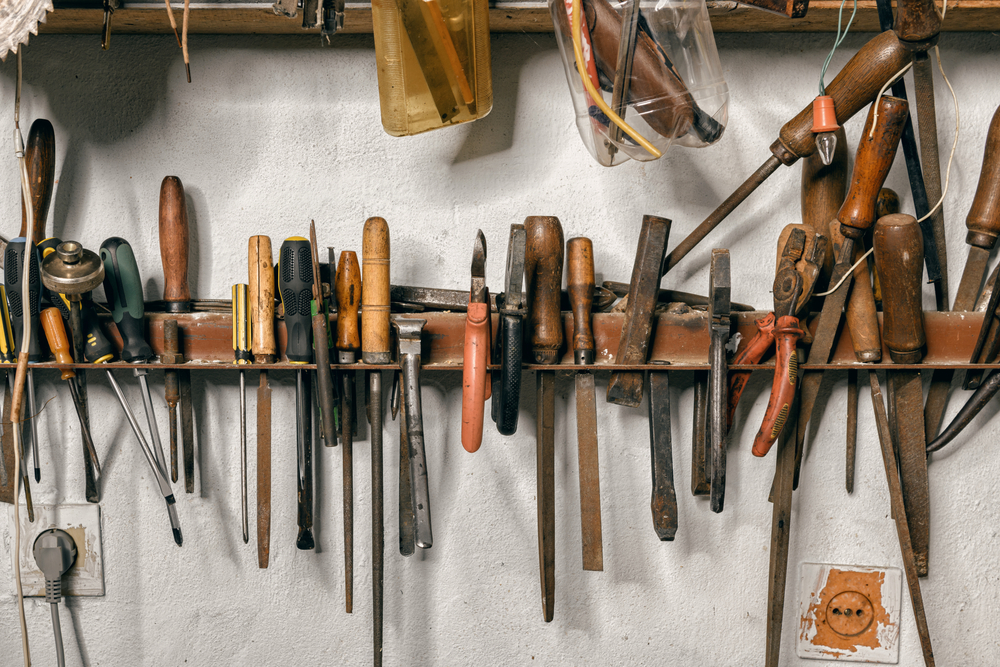
Vintage tools are functional artifacts of a hands-on past. From a sturdy hand plane to an old chisel set, these tools reflect the ingenuity, grit, and pride of previous generations. They were used to build furniture, fix fences, or carve keepsakes—each use leaving marks of effort and care.
Handing down tools encourages appreciation for craftsmanship and respect for the effort behind every home improvement or handmade item. These tools can still be used today or displayed proudly, offering inspiration to those in the family who value skill, tradition, and working with their hands.
9. A treasured recipe book carries culinary memories
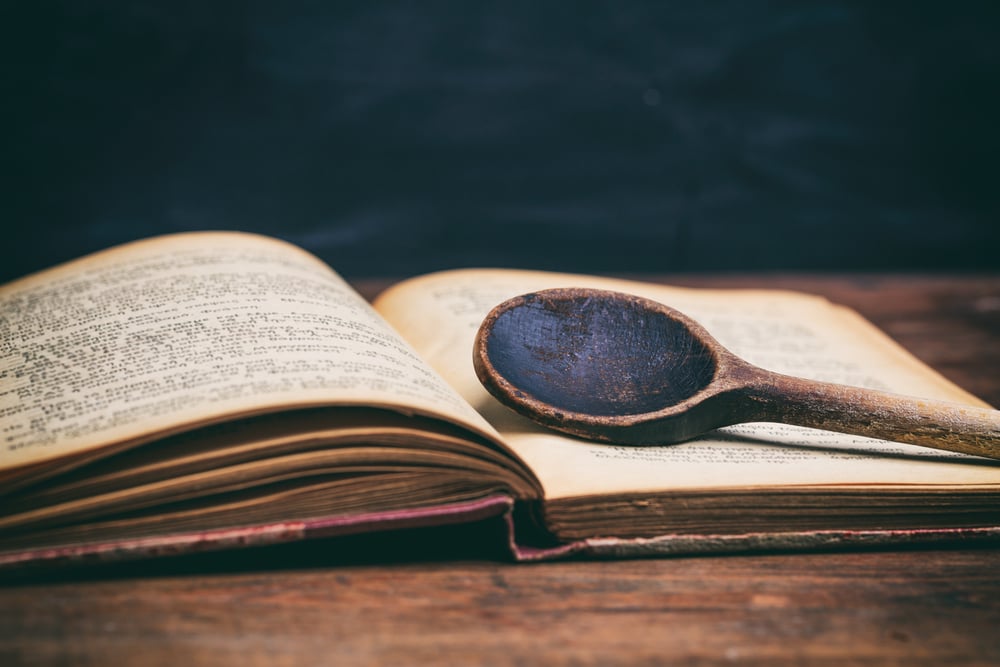
A worn recipe book filled with handwritten notes, food stains, and taped-in clippings is a family treasure unlike any other. It’s not just a collection of meals but a journal of moments spent in the kitchen—laughing, tasting, experimenting. You can practically smell the cinnamon rolls or pot roast just by flipping through the pages.
The personal notes like “add more nutmeg” or “Mom’s favorite” make it feel alive. Cooking from the same book that a grandmother once used brings generations together through flavor and tradition. Passing it on allows family members to savor not just food, but the love and care that shaped each meal.
10. Porcelain figurines highlight artistry and sentimentality
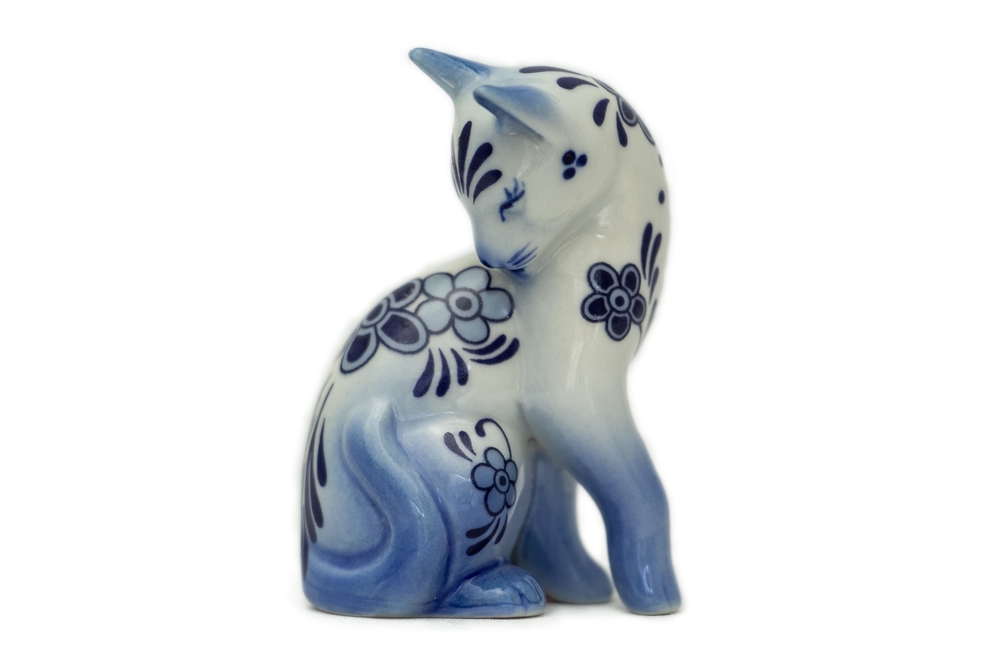
Porcelain figurines might seem fragile, but they carry incredible strength in their symbolism. Whether depicting angels, animals, or tiny dancers, these delicate pieces often commemorate milestones or represent deeply held values. They serve as touchstones for memory, faith, and affection.
These figurines often hold a special place in display cabinets or atop mantles, quietly observing the life that unfolds around them. Their beauty and delicate design make them ideal for passing down, allowing their charm and emotional significance to live on in future homes and hearts.
11. A hope chest is a storage of dreams and mementos

Hope chests are time capsules filled with personal and sentimental treasures. Traditionally used to collect items for marriage, they now hold baby clothes, old letters, embroidered linens, and other relics of a life lived. Each item inside tells a story, offering glimpses of hopes, dreams, and milestones.
Passing on a hope chest is like handing someone a bundle of memories and intentions. It invites exploration and curiosity while reinforcing the importance of cherishing life’s quieter, tender moments. For the next generation, it can serve as both inspiration and emotional inheritance.
12. Musical instruments bring a legacy of harmony and art
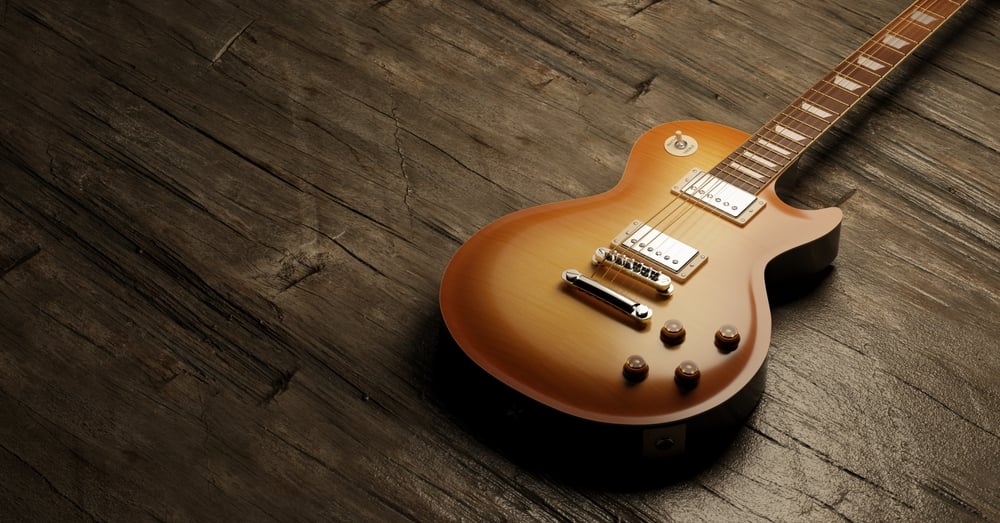
Musical instruments like a family piano or a grandfather’s violin often hum with generational stories. They’ve been the centerpiece of recitals, late-night practice sessions, and joyful sing-alongs. These instruments are not only a medium of sound but also of legacy and expression.
Maintaining and handing down these instruments offers future family members a chance to hear—and add to—the music of their lineage. They can continue to produce new songs while honoring the past, creating a harmonious bridge across generations.
13. Old photographs are visual time capsules of family history

Photographs freeze time in ways that stories alone cannot. Whether black-and-white portraits in antique frames or colorful snapshots from the ’70s, they offer glimpses into moments and people we may never have met but deeply feel connected to. Looking through them brings stories alive.
Preserving and sharing these photos allows younger generations to understand where they come from. Names, faces, and expressions create a powerful visual lineage that tells a story all its own. Framed or tucked into albums, they become treasured archives of love, memory, and belonging.