
Their incredible achievements will leave you questioning what it truly means to be great in history.
History is full of extraordinary people, but a rare few rise above even the most accomplished individuals. These 14 human beings didn’t simply make an impact on their era—they redefined the possibilities of human potential. They weren’t content to live within the limitations of their time. Instead, they saw a bigger picture, made bold moves, and shifted the course of history through vision, perseverance, and an unwavering sense of purpose.
Their stories are so monumental, so deeply inspiring, that they make us pause and question what greatness really means. Most of us know their names, but when we step deeper into their lives, we uncover truths that are both humbling and motivating. Let’s take a fresh look at what made each of these individuals unforgettable forces of change.
1. Alexander the Great Conquered the World Before Most People Today Pay Off Their Student Loans
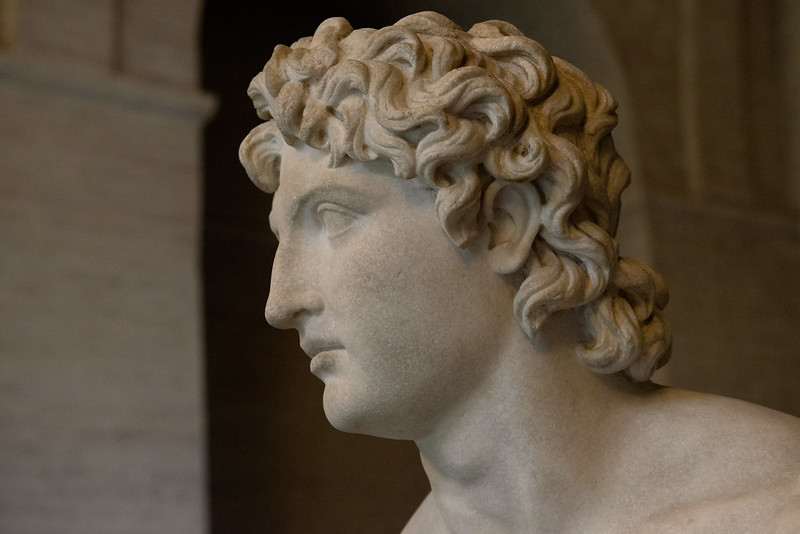
Alexander wasn’t just a king—he was a phenomenon. By the time most of us are still figuring out how to build a career, Alexander had already conquered vast empires from Greece to the edges of India. He didn’t inherit greatness—he seized it. His brilliant military strategies are still studied today, but what truly set him apart was his fusion of cultures, spreading Greek philosophy, language, and governance wherever he went, as reported by writers at Time.com. He believed in uniting people under a shared vision, not just defeating them.
And while his conquests brought unimaginable power, Alexander also showed deep respect for the knowledge and traditions of other civilizations. He founded cities, supported scholars, and encouraged cultural exchange across continents. His legacy isn’t just visible in history books—it’s etched into the very DNA of global civilization. The sheer scale of what he accomplished before his early death is almost impossible to comprehend, and yet it continues to awe and inspire even the most ambitious dreamers today.
2. Leonardo da Vinci Could Do Literally Everything and Still Had Time to Paint Masterpieces
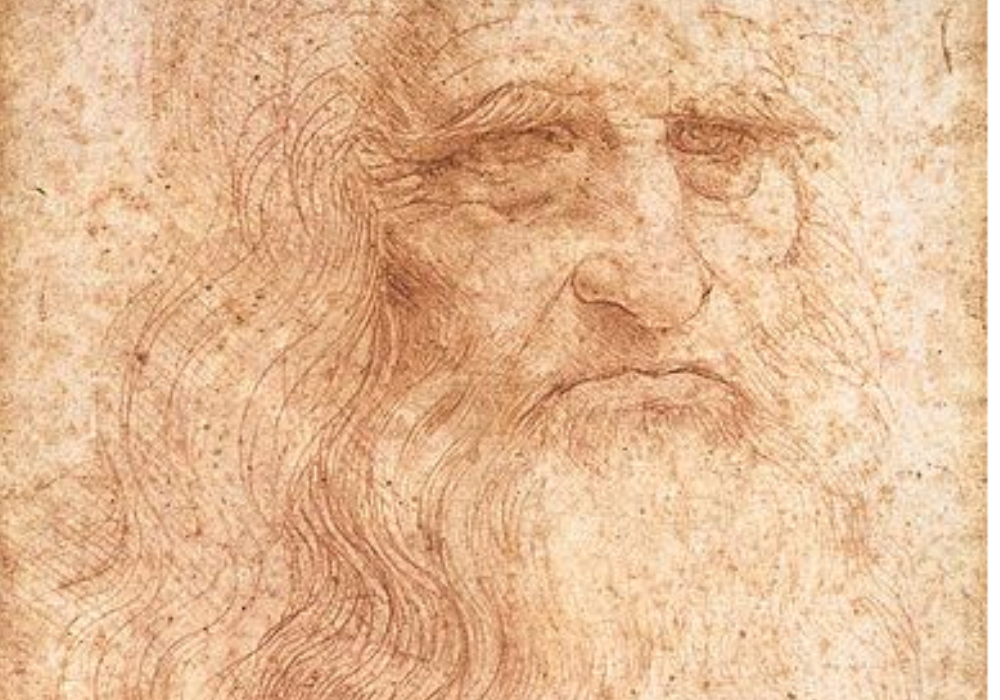
Leonardo wasn’t just ahead of his time—he seemed to live in a different dimension altogether. With a mind that danced between science and art, he sketched designs for flying machines centuries before the Wright brothers and explored human anatomy with breathtaking precision. While others focused on one craft, Leonardo mastered dozens. He treated curiosity as his fuel, constantly experimenting, observing, and imagining what the world could become if boundaries didn’t exist.
But perhaps most remarkable was his ability to turn complex ideas into beautiful, tangible realities. The Mona Lisa isn’t just a painting—it’s an emblem of mystery and genius. His notebooks reveal a mind that was endlessly engaged, constantly questioning the world. Even today, many of his inventions remain relevant or astonishingly prescient. Leonardo was more than a Renaissance man; he was a glimpse into what humanity could be if we truly unleashed our full creative and intellectual potential, as reported by experts at The Guardian.
3. Joan of Arc Proved You Don’t Need to Be Tall to Stand Tall
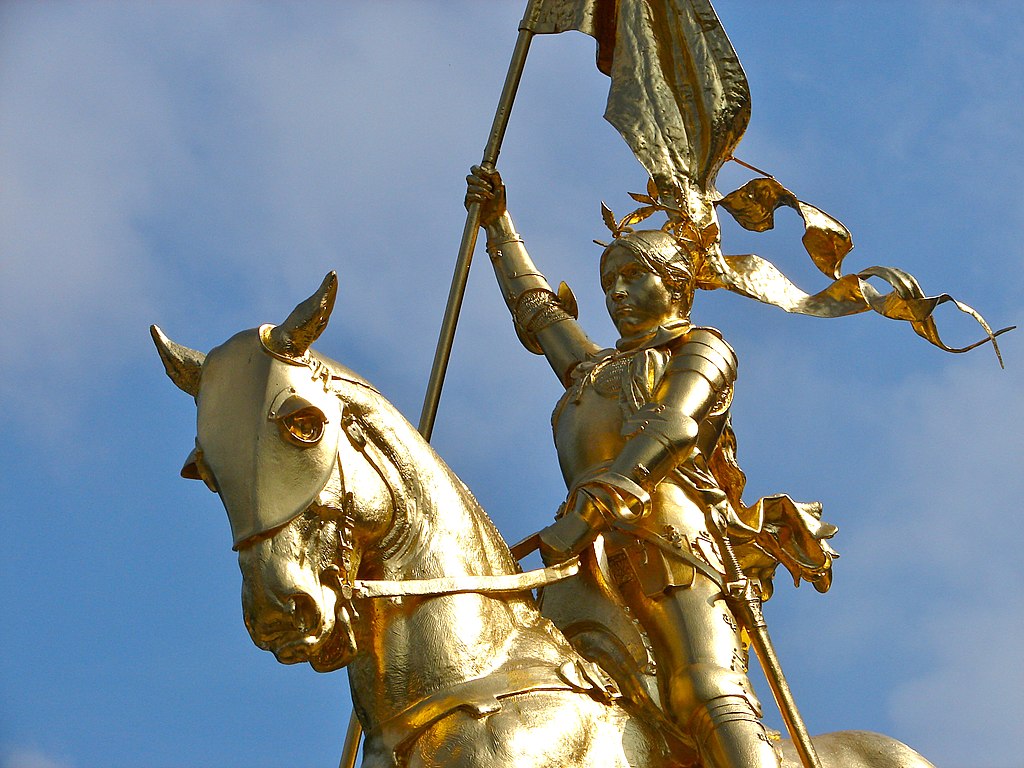
Joan’s courage defied the expectations of gender, age, and social class. In an age when women had virtually no voice, this teenage girl claimed divine guidance and convinced military leaders to follow her into battle. What’s more incredible is that she won. Her victories turned the tide in the Hundred Years’ War and gave France a renewed sense of identity and hope, as shared by authors at History Extra. She wasn’t a pawn of politics—she was a force of spirit that seemed to rise from nowhere and shake the world.
But Joan’s strength didn’t end on the battlefield. Captured and interrogated, she stood by her truth with unwavering dignity, even as her enemies tried to break her. She was burned at the stake, but not before becoming a symbol of unshakable faith, conviction, and bravery. Centuries later, she remains a beacon of inspiration for anyone who dares to rise above the limits imposed on them by society.
4. Marie Curie Revolutionized Science While Smashing Gender Barriers
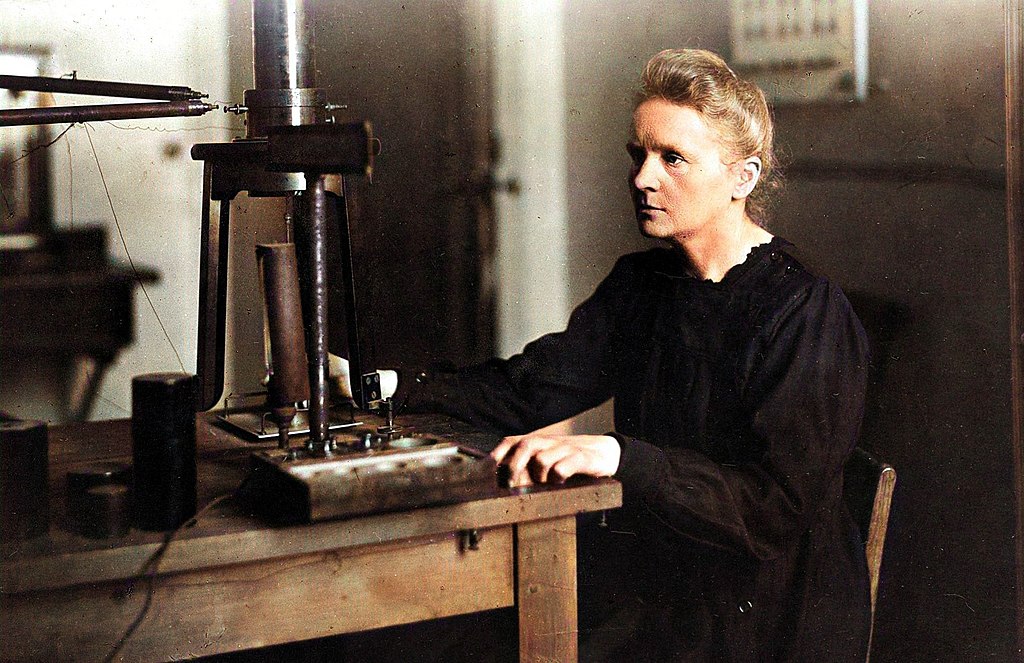
Marie Curie wasn’t just smart—she was transformative. At a time when women were often barred from even attending scientific institutions, she broke through and not only participated in scientific discourse but led it. She discovered two new elements—polonium and radium—and pioneered research into radioactivity, a term she coined herself. Her findings changed everything from physics to medicine, laying the groundwork for radiation therapy and nuclear science.
But Curie’s journey wasn’t easy. She faced a wall of skepticism, institutional resistance, and personal tragedy. Still, she pressed forward, eventually becoming the first person—not just woman—to win two Nobel Prizes in two different scientific fields. She remained humble, devoting herself to research even in the face of failing health. Her courage, intelligence, and relentless determination showed the world that brilliance knows no gender and that trailblazers sometimes come in the most unexpected forms.
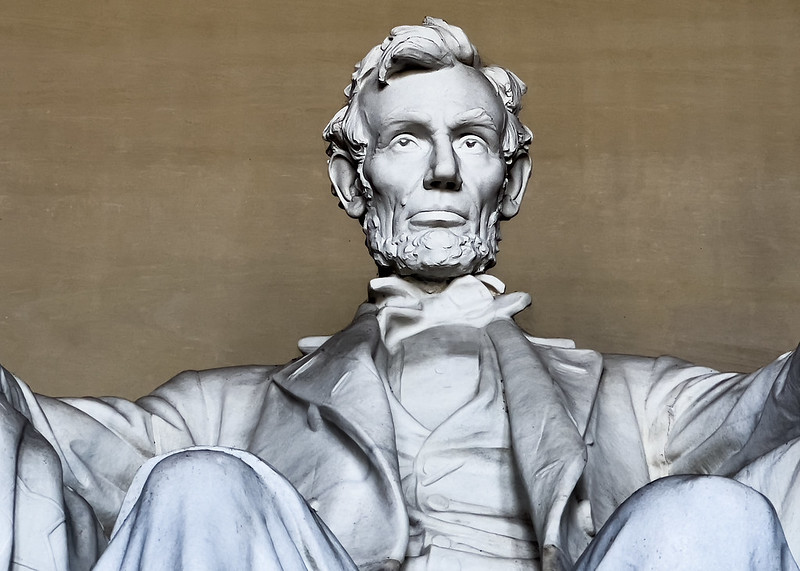
5. Abraham Lincoln Showed the Power of Leadership in the Darkest of Times
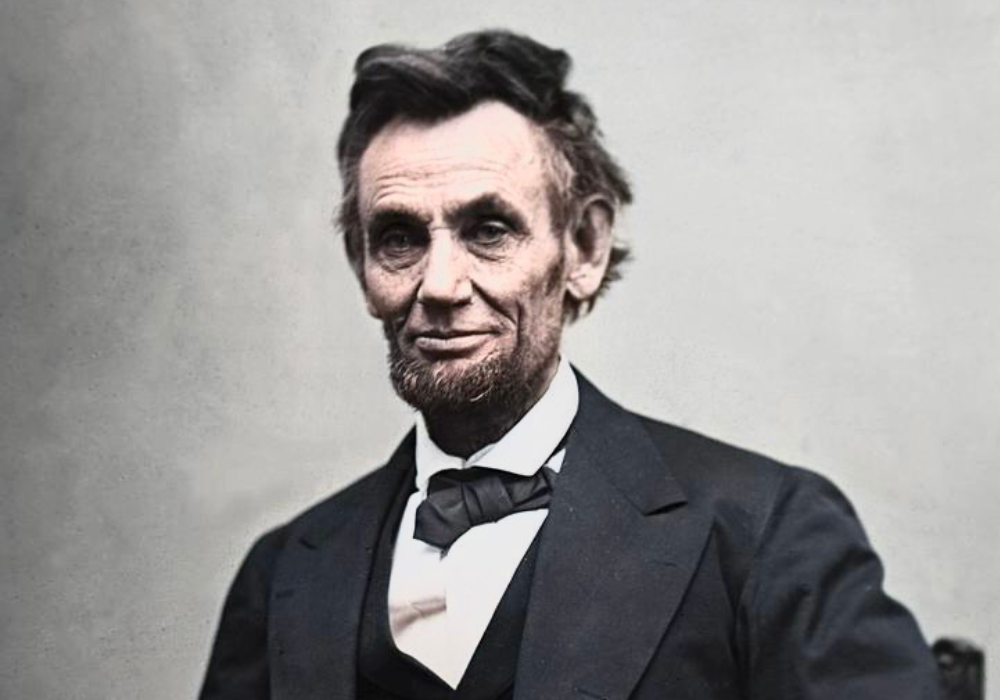
Lincoln rose from poverty and obscurity to become one of the most revered figures in American history. He didn’t just hold the country together during its bloodiest conflict—he reshaped its moral compass. With his steady hand and powerful oratory, he led a fractured nation through the Civil War and issued the Emancipation Proclamation, beginning the end of slavery. His leadership wasn’t loud or flashy—it was deeply thoughtful, honest, and principled.
What made Lincoln truly remarkable was his humanity. He was burdened with immense pressure and personal sorrow, yet he never lost sight of compassion or justice. His speeches, like the Gettysburg Address, distilled complex truths into words that still resonate today. His assassination robbed the world of a man who had only just begun to heal a wounded nation, but his legacy as a symbol of unity, courage, and ethical leadership lives on.
6. Nikola Tesla Had Ideas That Were Too Big for His Time
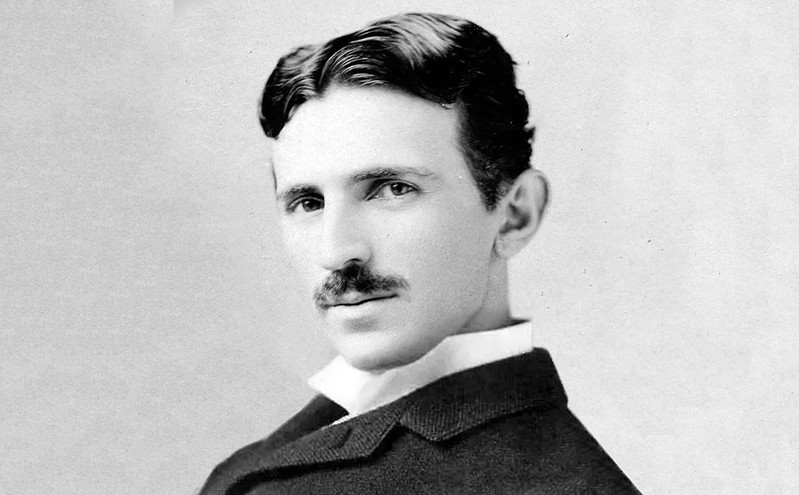
Tesla wasn’t just an inventor—he was a visionary who saw a future others couldn’t imagine. While others pursued fame and fortune, Tesla pursued pure innovation. He developed alternating current (AC), enabling electricity to travel long distances and revolutionizing the modern world. But that was just the beginning. He dreamed of wireless power transmission, global communication, and devices that looked eerily like today’s smartphones and Wi-Fi systems.
Despite his genius, Tesla died broke and largely unrecognized. He was exploited, ridiculed, and pushed aside, yet he remained committed to his ideas. Today, we recognize his brilliance, not just because of what he built, but because of how he dared to dream beyond his era. He’s become a symbol of the misunderstood genius, and a reminder that innovation often requires the courage to stand alone in your vision.
7. Queen Elizabeth I Proved Women Could Rule Just as Fiercely as Men
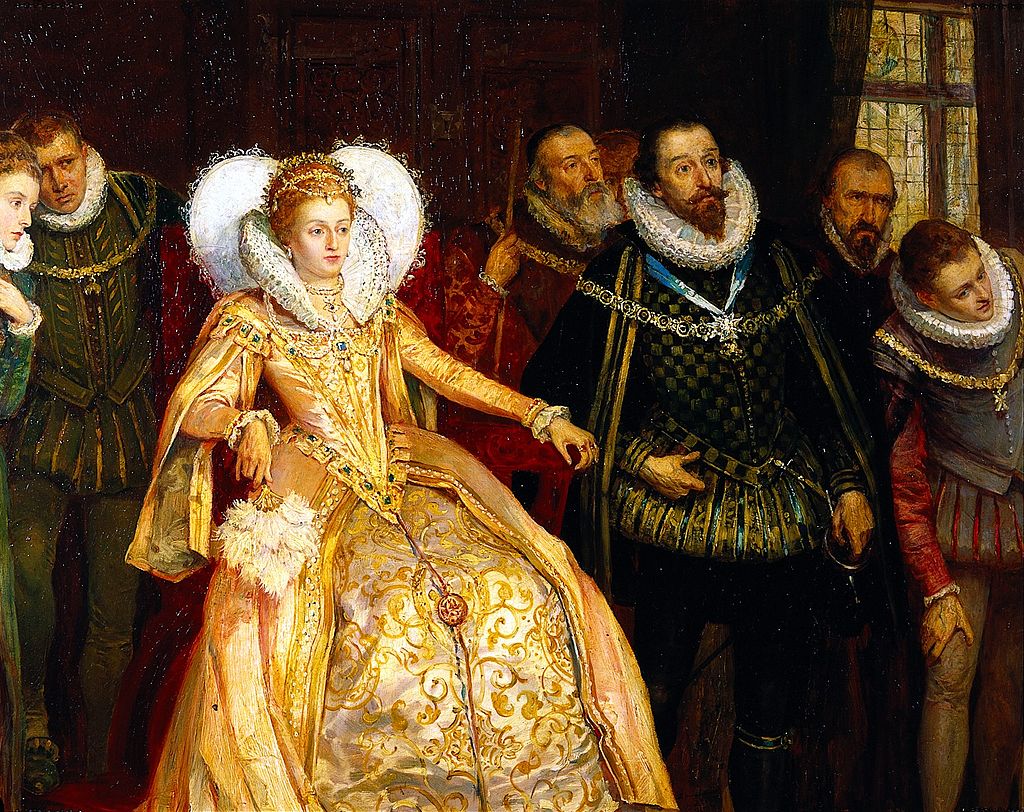
In a time when female rulers were anomalies and often figureheads, Elizabeth I reigned with unmatched authority and wisdom. She inherited a divided, weakened England and turned it into a thriving, powerful empire. Through careful diplomacy, military cunning, and intellectual prowess, she defeated the Spanish Armada and maintained stability during one of the most tumultuous periods in English history. Her reign ushered in the Elizabethan Age, marked by flourishing art, exploration, and literature.
But Elizabeth’s strength wasn’t just political—it was deeply personal. She chose to remain unmarried, refusing to be a pawn in dynastic games, and ruled as a woman entirely on her own terms. Her ability to navigate male-dominated politics with grace and force set a new precedent for leadership. Even today, she is remembered not just as a queen, but as a symbol of sovereignty, independence, and enduring strength.
8. Mahatma Gandhi Showed the World That Peaceful Resistance Could Change Everything
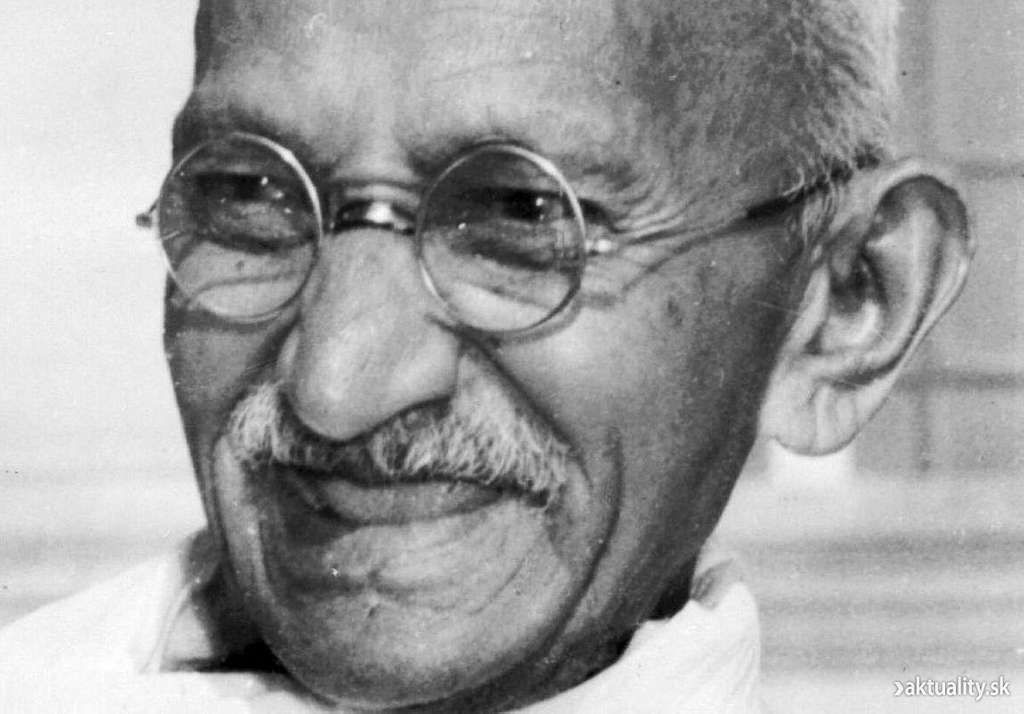
Gandhi’s approach to resistance was radical in its simplicity: he believed that moral authority could triumph over brute force. Armed with nothing more than a spinning wheel and unshakable conviction, he led India’s struggle for independence through nonviolent civil disobedience. His Salt March, hunger strikes, and peaceful protests galvanized a nation and inspired movements around the world, from the U.S. civil rights movement to anti-apartheid campaigns in South Africa.
What made Gandhi truly powerful wasn’t just his tactics—it was his integrity. He lived modestly, practiced what he preached, and refused to respond to hatred with hate. His legacy is a reminder that the most profound revolutions can begin not with violence, but with the refusal to compromise one’s conscience. Gandhi didn’t just liberate India—he showed humanity a new path toward justice and dignity.
9. Albert Einstein Was So Brilliant, His Name Became Synonymous with Genius
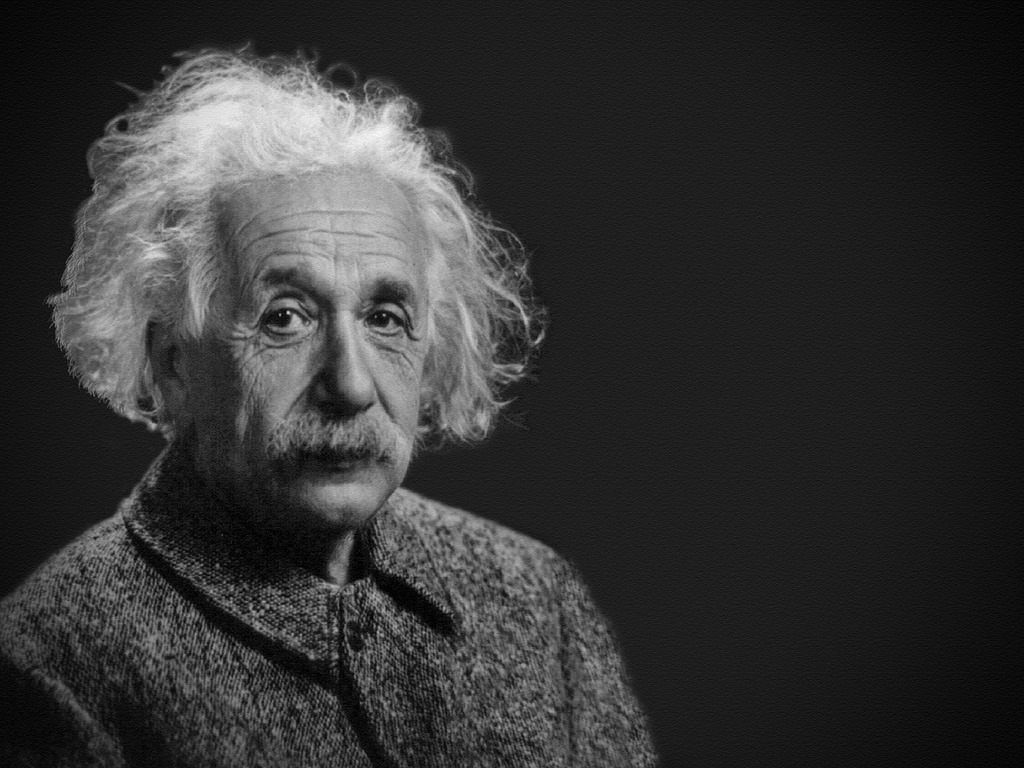
Einstein’s ideas fundamentally altered how we see time, space, and reality itself. His theory of relativity didn’t just challenge Newtonian physics—it opened up entirely new ways of understanding the universe. But he wasn’t just a scientific mind; he was a deeply empathetic soul who used his platform to advocate for peace, civil rights, and disarmament. He believed science should serve humanity, not just curiosity.
Despite global fame, Einstein remained charmingly humble, playful, and sometimes eccentric. He valued imagination as much as intellect and saw beauty in the laws of nature. His insights laid the groundwork for everything from GPS systems to nuclear energy, yet he often spoke out against the misuse of scientific discoveries. In every sense, Einstein was a towering figure—not just of intellect, but of conscience.
10. George Washington Turned Revolutionary Chaos Into a Nation That Endures
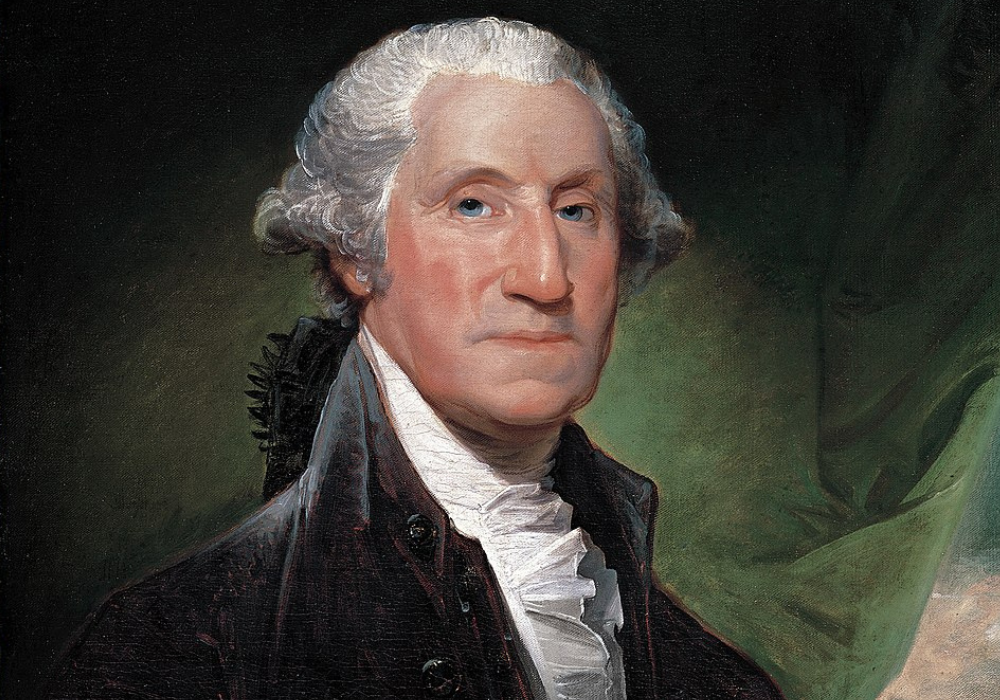
Washington didn’t crave power—he accepted it out of duty, and that’s exactly what made him so exceptional. As commander of the Continental Army, he kept a ragtag group of rebels together through near-impossible odds. His military victories, while crucial, were matched by his ability to inspire and hold together a fragile coalition of colonies. He was the glue that kept a revolution from unraveling, and the calm center in a whirlwind of change.
But Washington’s greatness was perhaps most evident in what he chose not to do. He refused to become a king or dictator, even when many around him would have welcomed it. By voluntarily stepping down from power, he established a tradition of peaceful transfer that remains foundational to democratic governments today. His steady hand and moral clarity helped define what it means to lead with humility and principle.
11. Harriet Tubman Risked Everything to Free Others
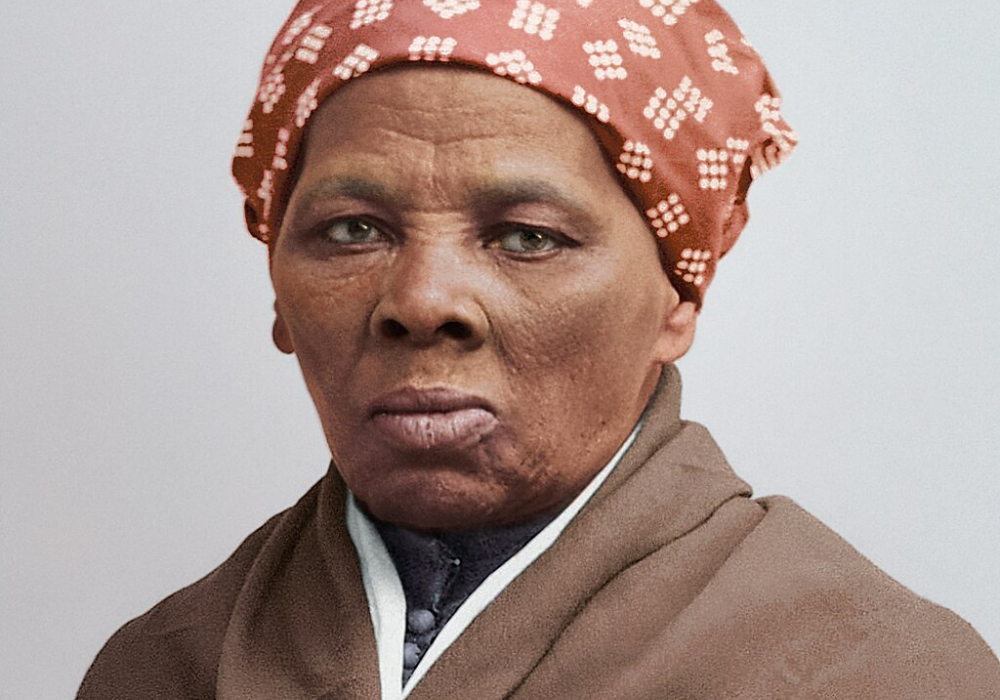
Harriet Tubman’s life was a continuous act of extraordinary courage. After escaping slavery herself, she could have disappeared into safety. But she didn’t. Instead, she returned again and again to the South, guiding scores of enslaved people to freedom along the Underground Railroad. Each journey was a death-defying risk, but she never hesitated. Her bravery wasn’t the kind that came with glory—it came with grit, sacrifice, and love.
Her heroism extended beyond the railroad. Tubman served as a Union spy, a nurse, and later became a fierce advocate for women’s suffrage. Her story isn’t just one of escape—it’s a testament to relentless selflessness. She believed that no one was free unless everyone was, and she lived that truth in every action. Tubman didn’t just break chains—she burned paths through oppression with unwavering fire.
12. Winston Churchill Inspired a Nation When the World Seemed Lost
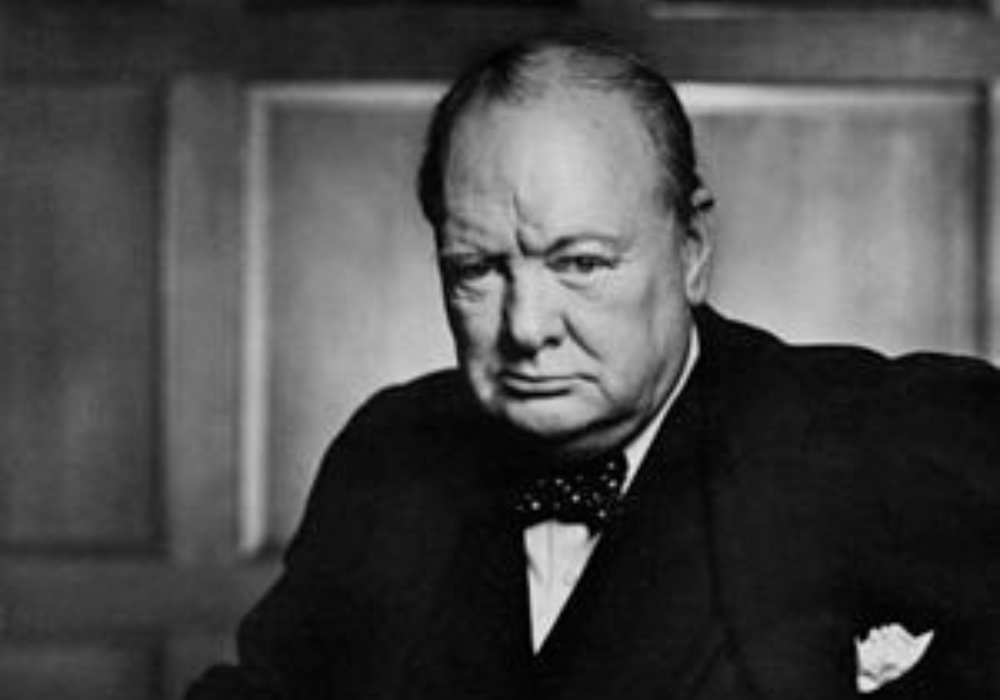
When the Nazi threat loomed and bombs rained down on London, Winston Churchill’s defiance became the backbone of British resolve. His speeches didn’t just motivate—they anchored an entire population in the belief that victory was possible. Lines like “We shall never surrender” weren’t just words—they were lifelines to millions enduring unthinkable horror. His mastery of language was as crucial to the war effort as tanks and planes.
But Churchill wasn’t just a voice—he was a strategist, a statesman, and a man willing to face hard truths. He made difficult decisions with steel in his spine, knowing the future of freedom rested on razor-thin margins. His imperfections and missteps are well documented, but so is his unmatched ability to rally people in their darkest hour. Churchill’s leadership reminds us that strength doesn’t always look calm or pretty—sometimes, it roars through the storm.
13. Galileo Galilei Changed How We See the Universe Forever
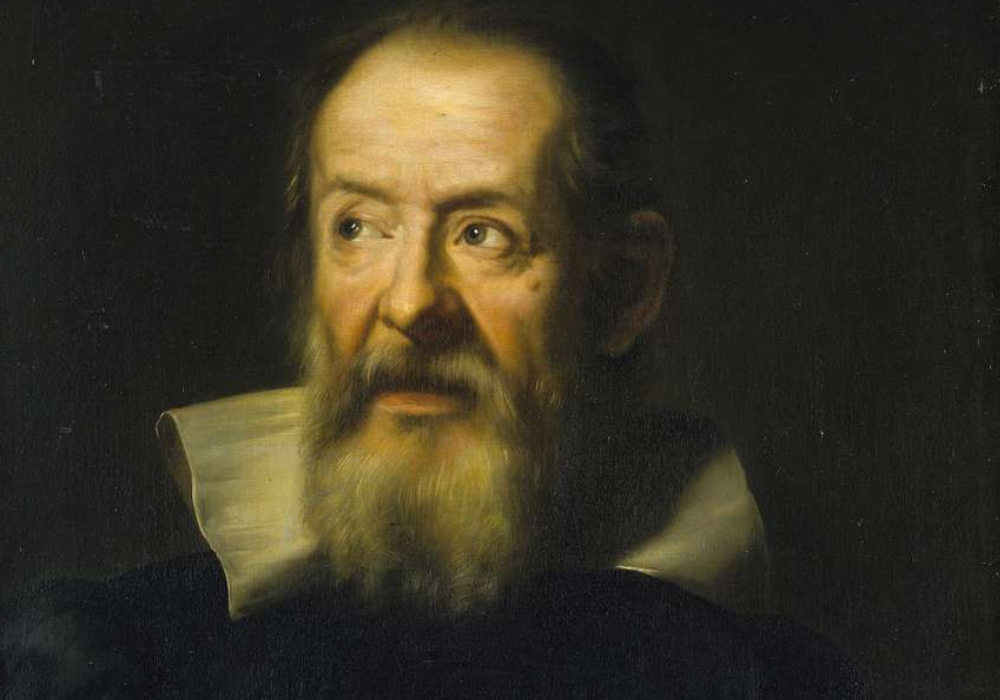
Galileo looked through a telescope and saw more than craters on the moon—he saw a universe waiting to be understood. At a time when questioning the Earth’s place in the cosmos could lead to prison or worse, he insisted on seeking truth. He confirmed that planets orbited the sun, challenging centuries of dogma. And he paid the price, enduring house arrest and condemnation by the church.
But Galileo never stopped questioning. His work laid the groundwork for modern astronomy, physics, and even the scientific method itself. He wasn’t just a stargazer—he was a relentless seeker of evidence, logic, and progress. His story reminds us that discovery often comes at great personal cost, and that courage isn’t just found on battlefields—it’s also found in the quiet conviction of one person refusing to accept falsehoods.
14. Martin Luther King Jr. Dreamed of a World Where Everyone Was Equal
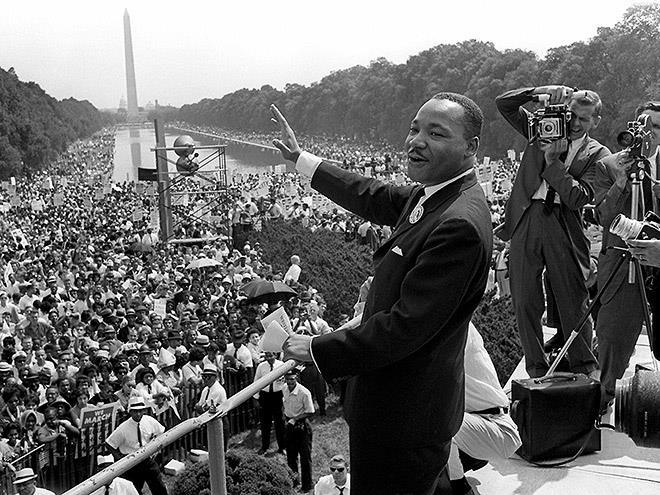
Dr. King’s voice didn’t just echo across marches and pulpits—it reverberated through the very conscience of a nation. His “I Have a Dream” speech wasn’t just poetic—it was a blueprint for a better world. He led with conviction, grace, and an unwavering belief that nonviolence could dismantle the centuries-old systems of racial injustice in America. He faced threats, jail time, and ultimately death, yet he never abandoned his mission.
King’s brilliance lay in his ability to turn morality into movement. He didn’t speak above people—he walked with them. From Montgomery to Selma to Washington D.C., he showed the world that real change happens when love meets courage. His legacy isn’t just written in laws and memorials—it lives in every act of justice inspired by his vision. Dr. King didn’t just fight for civil rights—he invited the world to reimagine its soul.