
Clues often lie in how new senior members navigate bulk buys, store layout, and policies

Stepping into Costco for the first time can feel like entering a retail warehouse maze, especially for older adults adjusting to its scale and rhythm. For seniors new to the store, certain habits—like lingering in front of unknown brands or marveling at the oversized packs—stand out. These behaviors often reflect a learning curve more than confusion. Spotting them can offer useful insight into how newcomers adapt to the quirks of bulk shopping and membership-based retail.
1. Wander each aisle without a list or shopping plan.

Many newcomers step into Costco without a clear idea of what they want, letting curiosity pull them down every aisle. The warehouse layout, designed for exploration, encourages this kind of browsing, especially for first-timers adjusting to the store’s warehouse-style scale and assortment.
Time can slip away quickly when a shopper treats each section like a discovery zone. A first-time senior visitor might spend fifteen minutes at the bakery display or stop at outdoor gear meant for a different season, slowly forming a mental map of what’s where.
2. Sample every food station as if it’s part of the experience.

The aroma of steaming dumplings or toasted ravioli draws some new shoppers to every food station, one after the next. Costco’s generous sample cups, easy to pick up and walk with, often feel like part of the event, especially to those settling into the store for the first time.
Longtime members tend to move past booths unless something catches their eye, while a newer visitor, especially an older one unfamiliar with the store’s layout, may treat the samples like essential signposts or even lunch, turning a quick trip into a casual afternoon outing.
3. Marvel at bulk sizes without considering storage space at home.

At Costco, supersized packaging is a feature, not a quirk. Some senior shoppers pause when they see a gallon of olive oil or a 30-pack of granola bars, marveling less at the savings and more at how anyone could store such quantities in a typical home kitchen.
The curiosity often comes from living in a smaller household or downsizing after retirement. One look at a 20-pound bag of rice in the cart might prompt a mental shuffle for shelf space, especially for someone used to buying weekly at a neighborhood market.
4. Spend extra time reading every product label in detail.

Shoppers new to warehouse stores often linger longer in front of shelves, examining ingredient lists and comparing options. At Costco, where brands shift and product formats differ from standard supermarkets, it’s common to see seniors reading packaging top to bottom, squinting at nutrition panels or cooking instructions.
Some might be cautious with unfamiliar names, especially when products are only available in bulk. That closer read isn’t just habit—it fills in missing context when regular brand cues or sizes don’t apply, easing the decision to buy something in such large quantity.
5. Stop frequently to compare prices on unfamiliar brands.

Newer members often hover at displays, scanning prices and pondering value. Seniors especially may pause to puzzle through an unknown brand of coffee or detergent, trying to gauge if the jumbo size offsets the risk of disliking the product.
Veteran Costco shoppers usually make these calls quickly, already familiar with the store’s pricing patterns. But for those still building baseline judgments—what’s a deal, what’s standard—price checks become a quiet study broken by the occasional calculator app or sideways glance at another cart.
6. Ask employees where to find commonly stocked household items.

Even seasoned errand-runners can feel disoriented in Costco’s enormous footprint. First-time senior visitors often stop to ask where to find basics like paper towels or milk, unsure which towering aisle holds what.
Although signage exists, it’s sparse compared to regular grocery stores. Employees often receive the same questions from new members, especially those recovering from past habits—like scanning numbered aisles at chain supermarkets—only to find Costco organized by a more freeform logic.
7. Pause to admire seasonal merchandise near the entrance.

Rows of fire pits or patio umbrellas placed near the entrance aren’t meant to be functional shortcuts. For those new to warehouse shopping, especially older adults, that splashy seasonal display often becomes a five-minute pause—eying plush throws or folding chairs—without intending to make a purchase.
The front-of-store real estate works like a rotating stage set. New members may treat it as a preview and exploration zone, unable to predict how deep into the warehouse their actual list will carry them. Curiosity lingers longer when the layout feels unfamiliar.
8. Forget to bring reusable bags or prepare for bulk packaging.
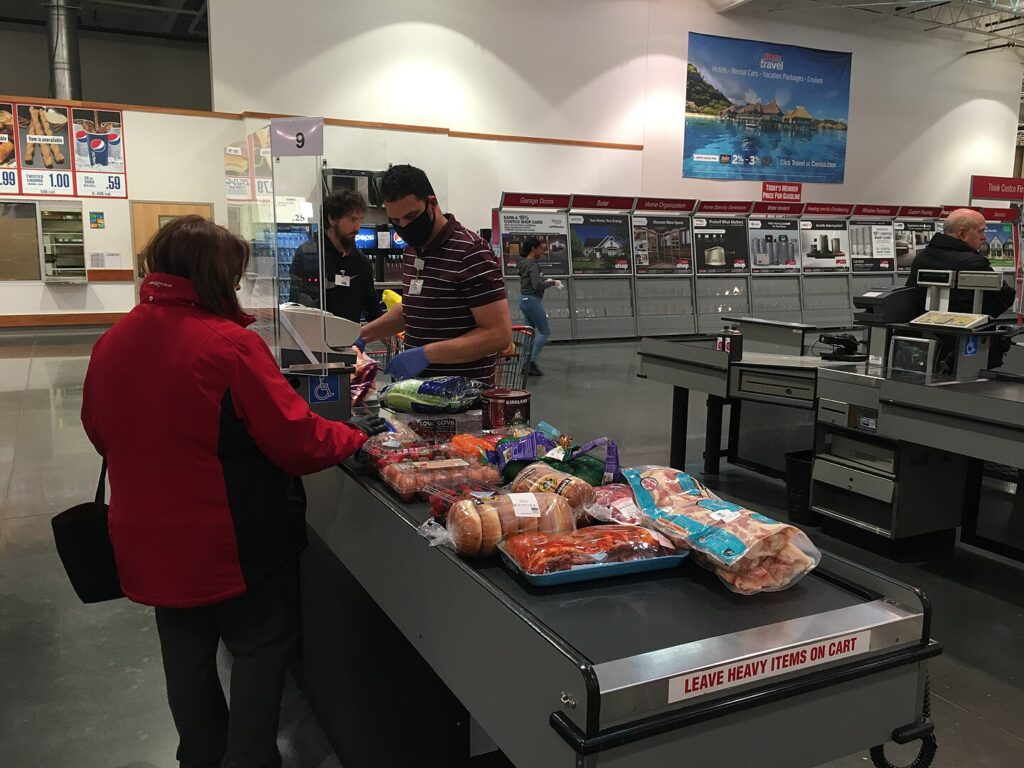
Plastic bags don’t come standard at Costco. For seniors shopping without reusable totes—or a clear system for managing bulk packaging—checkout can feel like a puzzle of cardboard boxes and awkward lifting.
Unlike traditional stores that offer straightforward bagging, Costco encourages self-management at the register. First-time members are often surprised by the open-cart process, juggling enormous cereal boxes or multi-pack toilet paper without a plan for trunk arrangement or carrying loads easily to the door.
9. Purchase oversized items without checking if they’ll fit in the car.
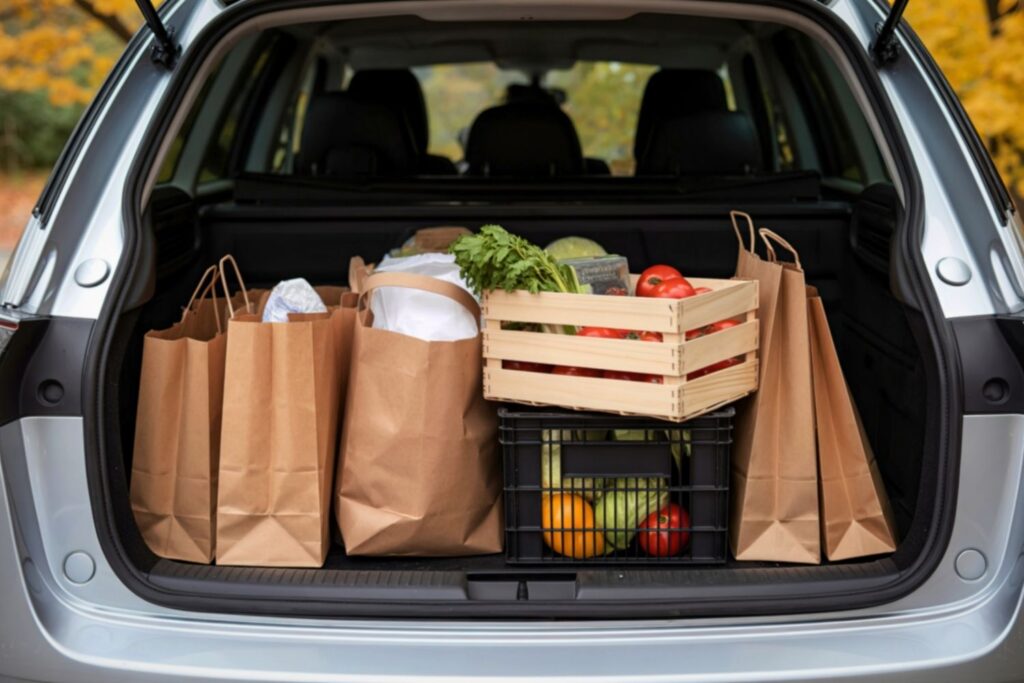
Costco carts are large, but not limitless. Some seniors, unfamiliar with Costco’s oversized selection, buy giant shelving units or boxed patio sets, only to realize—too late—that the item won’t fit in a compact car with a low trunk.
Returns for size or transport issues happen more often than expected. The slip comes not from impulse buys but from misjudging dimensions and assuming vehicle capacity matches purchase scale. One abrupt jigsaw with a hatchback can mark the moment a new member becomes a more seasoned one.