
These states offer probate-friendly laws that help families settle estates of their loved ones with less headaches.

Avoiding a drawn-out probate process can make a difficult time less burdensome for grieving families. In certain states, estate laws are designed to simplify or even sidestep probate altogether with tools like living trusts, small estate affidavits, and transfer-on-death deeds. According to sources like the American Bar Association and AARP, understanding how these mechanisms work—and where they’re available—can help you make informed decisions about where to live or plan your estate.
1. Alaska offers simplified probate procedures for small and straightforward estates.

Alaska uses a set of straightforward court procedures for estates under a certain value or with uncomplicated assets. Called summary administration, this process often depends on whether an executor is needed or if assets are held in joint tenancy or a living trust.
When an estate qualifies, it may avoid lengthy court supervision and instead rely on simple affidavits and notifications. In practice, that can mean fewer filings at the Anchorage probate office and a shorter wait to access bank accounts or sell shared property like a fishing cabin or family vehicle.
2. South Dakota has flexible estate laws that can ease probate concerns.

South Dakota recognizes a wide range of estate planning tools that allow property to bypass the probate process entirely. Revocable living trusts, joint ownership arrangements, and beneficiary designations all help direct distribution without court oversight.
Those legal mechanisms often make probate optional, not mandatory, depending on how the deceased held and titled their assets. For someone with farmland or mineral rights, using a South Dakota trust structure can keep property transitions largely private and streamlined—sometimes across multiple generations.
3. Florida allows for streamlined probate for many qualifying types of estates.
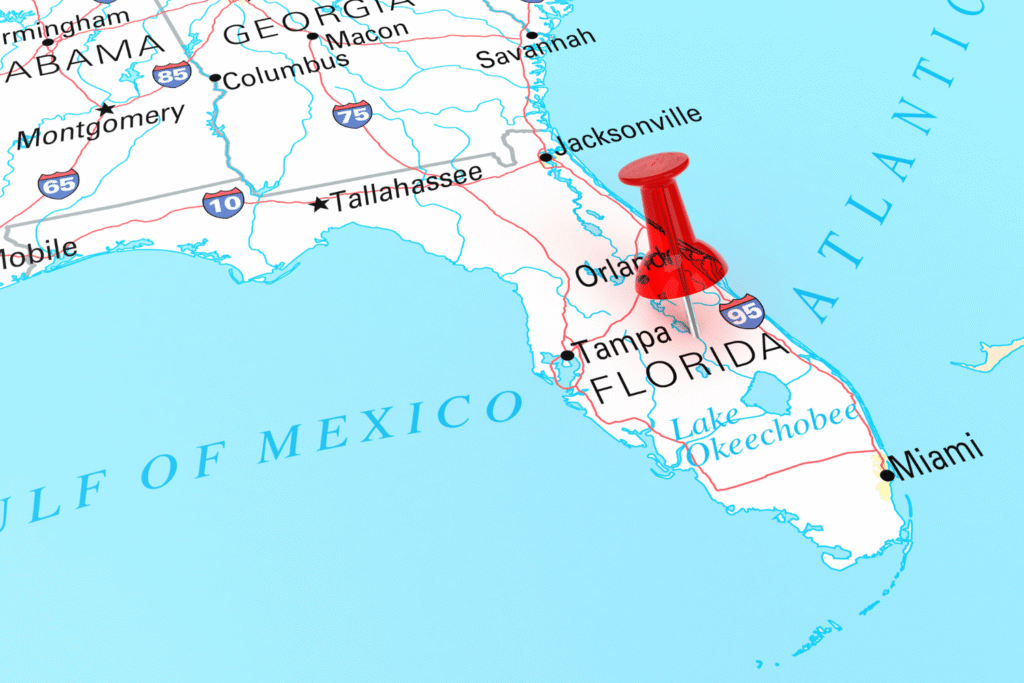
Florida courts permit a simplified probate process known as summary administration for certain conditions, such as smaller estate values or the passage of time since death. The process can apply whether or not there’s a formal will.
Unlike formal probate, this version often moves faster through the court system and may not require full notice to creditors or formal inventory. In a practical case like closing a modest estate in Gainesville, that makes it possible to distribute assets like a pension or condo title without months of delay.
4. Texas provides independent administration to help minimize court involvement.

Texas offers independent administration, a court-approved process that lets executors operate with minimal supervision. Once a judge authorizes it, the executor can pay debts, sell property, and distribute assets without asking court permission at every step.
This approach often speeds up timelines and reduces legal costs. In a typical Houston estate case, the executor could handle most tasks by submitting a few initial documents—less paperwork, fewer hearings, and typically no probate referee assigned to oversee the estate’s details.
5. Nevada supports strong trust laws that may reduce probate needs.

Nevada estate law strongly supports trusts, especially revocable living trusts, which shift asset control outside the probate process. By placing assets in trust during life, the creator enables private and direct transfer after death.
The courts only get involved if something is contested or left outside the trust. A resident with a Las Vegas home, investment accounts, and rental income might wrap these into a trust that passes smoothly to heirs without months of probate delays or public court filings.
6. Arizona permits informal probate for many uncontested estate situations.

Arizona uses informal probate when estate assets are uncontested and paperwork is complete. It allows heirs to initiate probate through a registrar rather than a judge, with minimal hearings or court involvement.
In practice, this means fewer legal hurdles if the estate includes clear documents like a will and beneficiary listings. A Phoenix family may resolve matters—such as transferring a car title or closing bank accounts—in weeks instead of months, provided all parties cooperate and no disputes arise.
7. New Mexico uses a simplified process for smaller estate values.

New Mexico applies an informal approach for estates below a specific dollar threshold, using sworn affidavits to claim property. Known as collection by affidavit, this method skips most of the standard probate steps.
A family member might obtain furniture, a checking account, or a vehicle simply by showing ID and the signed affidavit, with no court order needed. In Santa Fe or smaller towns, this can make a significant difference in closing a relative’s affairs in a respectful and efficient way.
8. Colorado offers unsupervised options that can limit probate delays.

Colorado offers unsupervised probate, a process often granted when heirs agree and the will poses no legal problems. Once accepted by the court, it allows the personal representative to act independently.
What follows is a process with fewer check-ins and no court officer micromanaging steps. Someone managing an estate in Denver might only need to file legal notices and tax documents without formal hearings—especially useful when liquidating common assets like retirement accounts or a midsize home.
9. Wisconsin enables transfer-on-death deeds to avoid certain probate steps.

Wisconsin recognizes transfer-on-death deeds, a legal tool that lets homeowners name a beneficiary for real estate. Upon death, the property passes to that person automatically, without the need for probate on the house.
The deed stays revocable during life, offering flexibility. A couple in Madison might file such a deed for their bungalow, ensuring that ownership shifts cleanly to a child or sibling later—no courtroom proceedings, and no need to freeze the property during estate administration.