
Generational gaps in dining habits reveal surprising points of tension between Boomers and Gen Z.

Going out to eat is a shared experience, but how people behave at the table can vary widely depending on their age. Many Boomers bring long-standing habits rooted in past etiquette norms, while Gen Z tends to approach dining with a more laid-back, tech-savvy mindset. These differences can lead to discomfort or embarrassment for younger diners when traditional behaviors feel out of step with current social expectations or restaurant culture.
1. Asking to split the check by item in mixed company.

Requesting itemized check splits in a group creates friction that younger diners often try to avoid. While older generations may see it as fair or precise, Gen Z tends to favor fluid, less transactional interactions when out with friends or coworkers.
The focus for many younger guests leans more toward social ease than financial breakdowns. A table of friends who just shared garlic fries and kombucha isn’t eager to tally cents; they’re more likely to Venmo each other later than ask a server to parse every appetizer.
2. Complaining loudly about prices or portion sizes to the server.

When someone raises their voice to complain about prices or portions, discomfort spreads quickly. Restaurants are shared spaces, and Gen Z typically values keeping public settings calm, even when things fall short of expectations.
A loud remark about the $18 entrée not being “filling enough” may land as rude or needlessly confrontational. That tone can shift a table’s mood, especially for guests who’d prefer to handle disappointment quietly or through a private tip or review.
3. Sending food back for minor preferences rather than real issues.
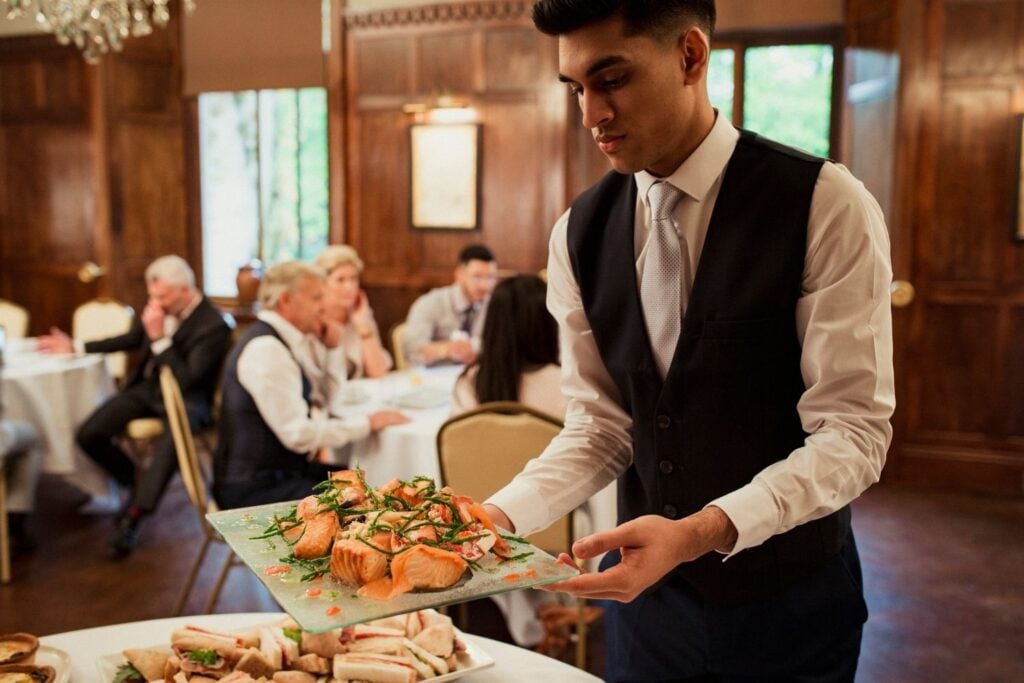
Sending back a dish for being “too saucy” rather than incorrect underscores a difference in norms. While Boomers may see it as asserting personal preference, younger diners often view it as creating unnecessary disruption for minimal cause.
Mild dissatisfaction—like a burger being medium instead of medium-rare—might go unmentioned by Gen Z, who often prioritize group flow over individual tweaks. The social weight of sending food back can feel larger than the issue itself.
4. Offering unsolicited menu advice to everyone at the table.

Chiming in with menu suggestions—especially without asking—can come off as pushy rather than helpful. Gen Z often prefers autonomy in decision-making, even when choosing between pestos and pomodoros.
Hearing “You won’t like that; try the salmon” can shift the mood from collaborative to patronizing. For a generation used to researching menus online, unsolicited input may read as a micro-interruption more than thoughtful sharing.
5. Snapping fingers or waving to get a waiter’s attention.

Flashing a hand or snapping to flag staff pulls attention in a way that many younger diners find jarring. While once seen as standard signaling, it’s now more often equated with impatience or entitlement.
Many in Gen Z interpret those gestures as dismissive, not efficient. They’re more likely to make brief eye contact or wait for a pause rather than call out or signal abruptly across a dining room.
6. Using cash to tip instead of the card without explanation.
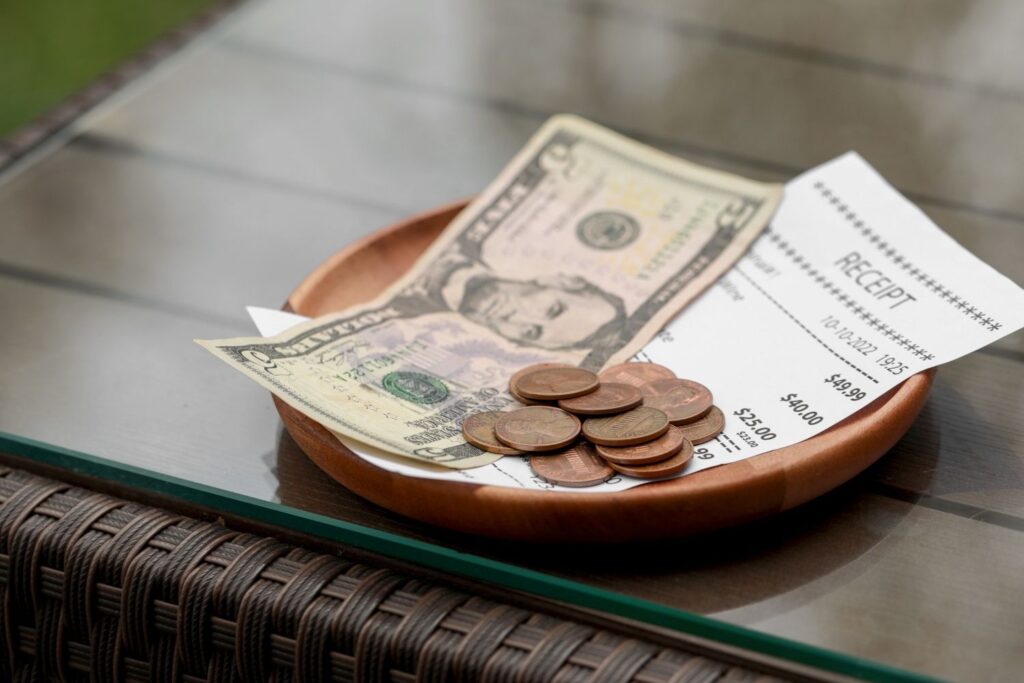
Leaving a cash tip while paying the bill with a card can confuse the flow, especially without mentioning it. What once felt courteous now sometimes lands as ambiguous—did they tip at all?
With digital receipts and point-of-sale systems, many Gen Z diners look for transparency and consistency. A few folded bills under a water glass could be missed entirely, leaving questions rather than clarity.
7. Making jokes about technology when scanning digital menus.
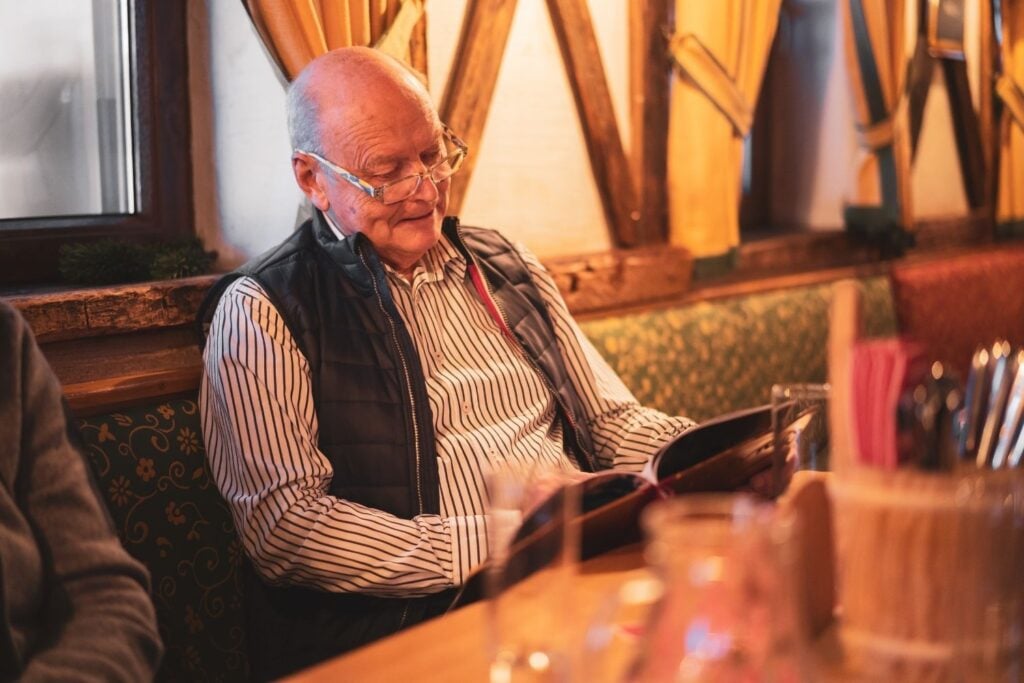
Comments like “What’s next, ordering through robots?” when scanning a QR code strike a different chord across generations. For Gen Z, digital menus are often not just fine—they’re normal.
Instead of making the table laugh, those tech jokes can feel performative or dated. A QR code taped to a wooden planter isn’t a novelty; it’s just part of how the meal begins.
8. Expecting servers to accommodate off-menu custom orders.

Requesting custom combinations unrelated to the menu—like swapping half a pasta for salad or substituting sauces entirely—can create tension. Many Boomers associate such requests with hospitality, while Gen Z may read it as going too far.
A heavily altered dish risks stressing the kitchen or upsetting the timing of a group order. For younger diners used to pre-set options or streamlined menus, tailoring beyond reason may seem inconsiderate.
9. Commenting on other diners’ attire or table manners aloud.
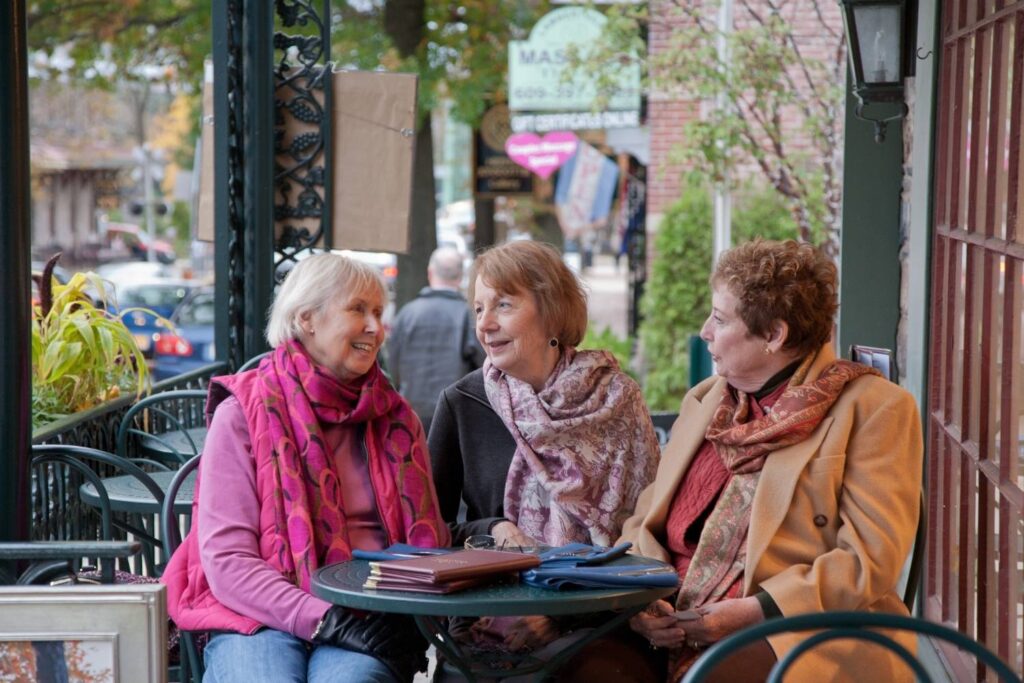
Pointing out a stranger’s outfit or posture aloud, even casually, cuts against current dining etiquette. Comments that once felt observational may today strike younger diners as invasive or judgmental.
When elders muse aloud about someone else’s crop top or hand tattoos, even with humor, Gen Z often hears it through a privacy-focused lens. A passing remark can quickly sour an otherwise pleasant brunch.