
Classic holiday habits can clash with modern lifestyles, causing stress instead of seasonal joy

Christmas rituals often hold deep meaning for older generations, but they can feel overwhelming or outdated to younger adults navigating different priorities. From ornate décor to packed event schedules, what once symbolized festive commitment may now come across as pressure to perform. Understanding how Millennials relate to these long-standing traditions—especially those shaped by Baby Boomer values—can open the door to more balanced and enjoyable celebrations that reflect changing needs and definitions of holiday spirit.
1. Mailing dozens of holiday cards to everyone you’ve ever met.

Holiday cards once functioned as annual updates—snapshots in glossy cardstock, posted in stacks with handwritten signatures. The gesture felt personal, even intimate, especially before instant messaging flattened the novelty of staying in touch.
Now the ritual can feel rote, even transactional, layered with pressure to perform connection. For someone juggling inboxes and selective social bandwidth, writing notes to a high school acquaintance’s cousin might land more like a task than a joy.
2. Dressing the entire family in matching red and green outfits.
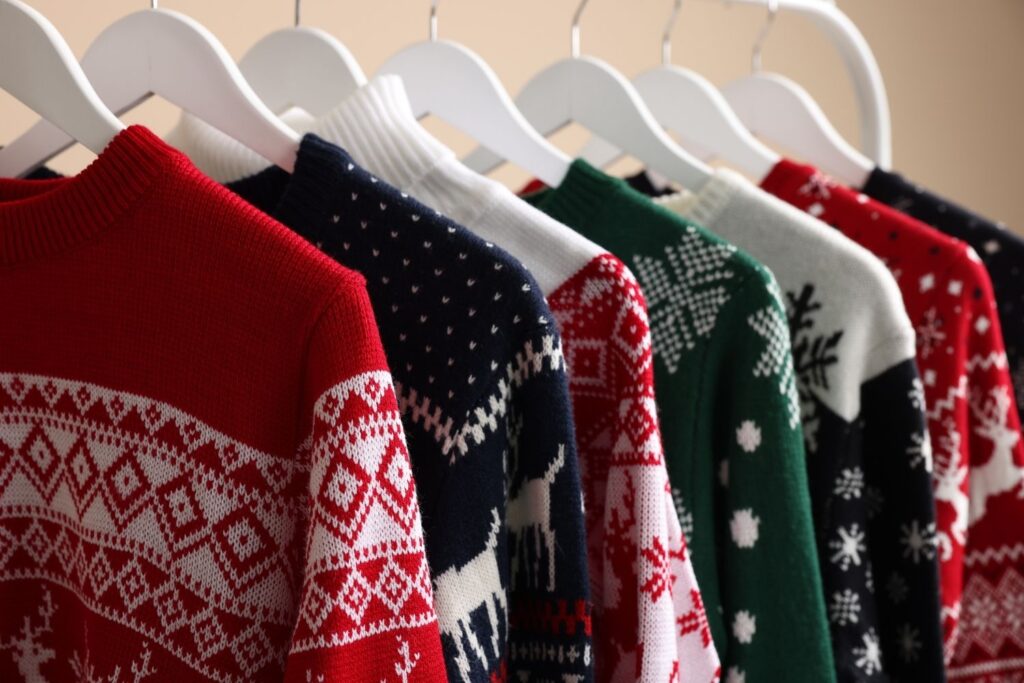
Matching outfits cue nostalgia for portrait studios in mall basements—velvet bows, stiff collars, and a forced grin next to Grandma’s fireplace. Coordinated looks once signaled unity and enthusiasm.
In a digital age driven by casual authenticity, some younger adults see these curated themes as self-conscious or overwrought. A spontaneous photo in pajamas may feel warmer than a staged tableau in color-blocked tartan.
3. Attending multiple formal dinners in one holiday weekend.
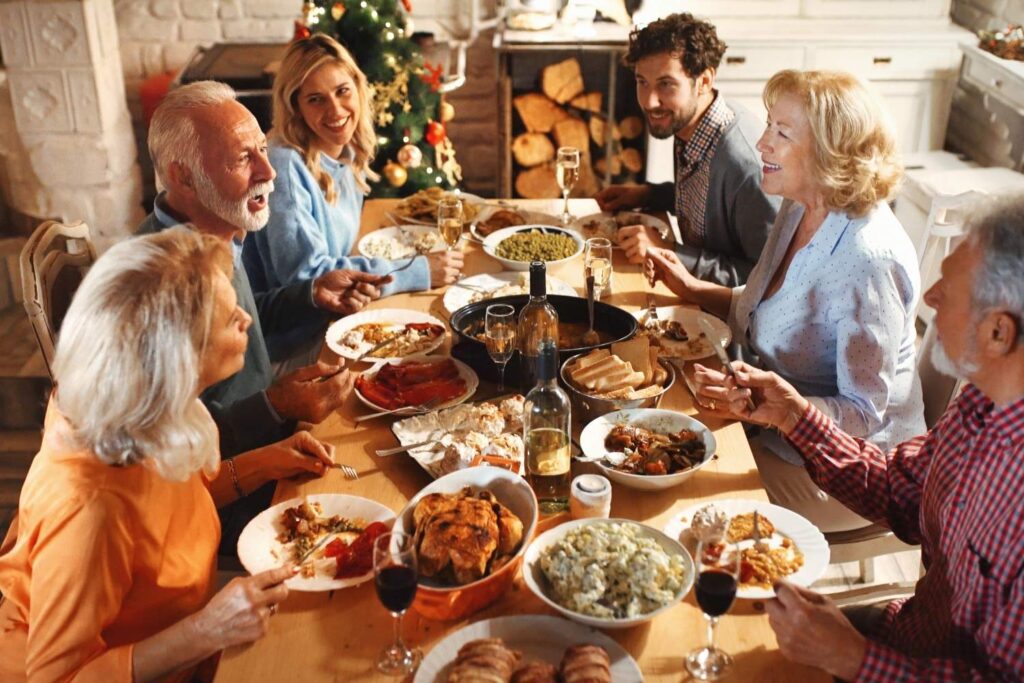
Formal dinners multiply fast across a packed weekend—one at mom’s, two more with in-laws, all spaced like a holiday marathon. Boomer preferences may lean toward rituals that affirm presence through attendance.
For a generation stretched by travel costs and career demands, three sit-down meals in forty-eight hours can feel less like celebration and more like endurance. Not every “no” signals a slight.
4. Hosting a sit-down meal with full place settings and fine china.
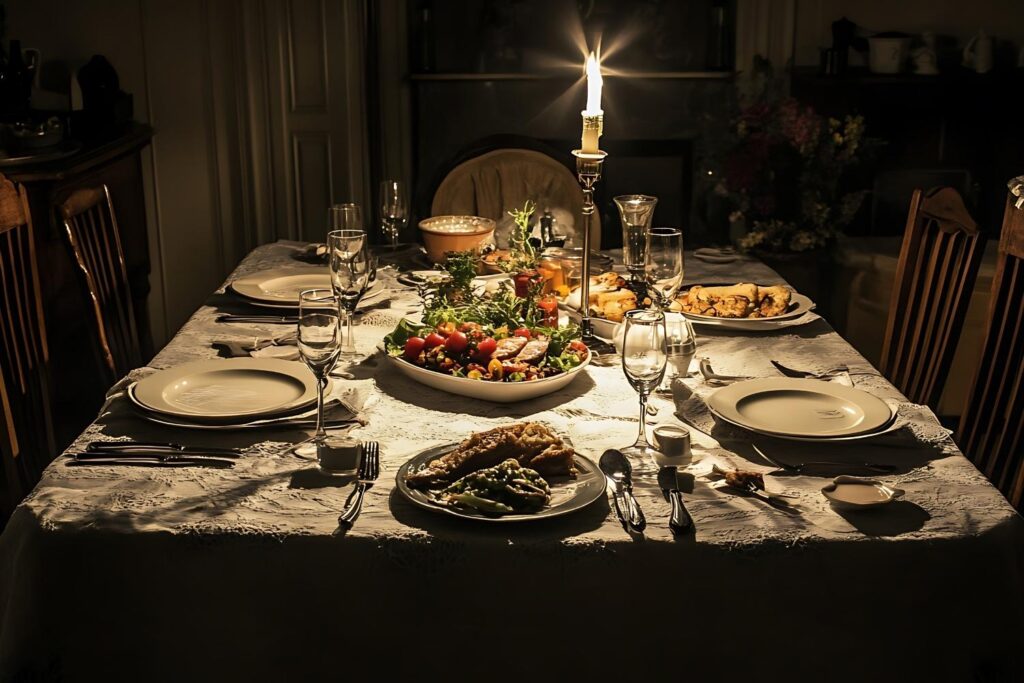
A full table with layered linens and six utensils per guest once marked effort and respect. China patterns, often inherited, carried stories as much as soup.
Millennials might favor potlucks served from Dutch ovens or mismatched dishes rinsed quickly in the sink. It’s not about shortcuts—it reflects a shift toward function over formality in shared spaces.
5. Demanding new ornaments for every major life milestone.

Adding a new ornament for every graduation, promotion, or pet adoption can feel symbolic—each glittery shape a timestamp hung with care. Entire tree trunks narrate family legacies over decades.
But for newer households without attic space or a sentimental streak, this tradition may register as clutter in disguise. Memory, some argue, isn’t always tied to things suspended on branches.
6. Watching classic holiday movies on cable in real time.

Cable schedules once dictated viewing windows, and gathering for a 7 p.m. Christmas special delivered structure and shared timing. Missing the opening credits felt like missing the bus.
Streaming queues, meanwhile, let viewers pause mid-cookie or skip what no longer resonates. Younger audiences often value choice over nostalgia, and won’t stay up for reruns they can watch later on demand.
7. Stringing outdoor lights across the entire house and roofline.

Climbing ladders to string bulbs along gables and gutters signaled pride and seasonal spirit. Light displays doubled as community showcases and personal traditions.
Now, for many renters and urban dwellers, that level of decor feels out of reach—or simply unnecessary. A single strand on a balcony or battery-powered candles indoors might express holiday cheer without ladders or extension cords.
8. Baking a dozen different cookie varieties from scratch.

Twelve cookie types from scratch—some with chopped nuts, others with piped icing—once served as both offering and art. The scent of nutmeg and almond extract filled entire kitchens.
Short on counter space and long on weeknight tasks, some younger adults pick one recipe or skip baking entirely. Nostalgia doesn’t always mix evenly with time or energy constraints.
9. Sending rigid gift wish lists through group email chains.

Structured gift lists shared in bulk emails often aim for efficiency and fairness—everyone knows what to get, no duplicates, no fuss. It’s logistics dressed in tradition.
To a younger crowd, though, that formality may read as impersonal or rigid. Flexible exchanges or gifts rooted in personal gestures can feel less like obligations and more like small acts of care.