
Across generations, attitudes toward veganism reflect shifting priorities around health, ethics, and cultural identity.

Generational views on veganism often reveal more than just dietary choices—they reflect deeper values and life experiences. While many Boomers approach plant-based eating with a focus on health or tradition, Gen Z tends to frame it around ethics, climate impact, and flexibility. Understanding these differences helps bridge conversations at the dinner table and beyond, revealing how evolving perspectives shape the way we think about food and responsibility today.
1. Veganism is a strict lifestyle with little room for flexibility.
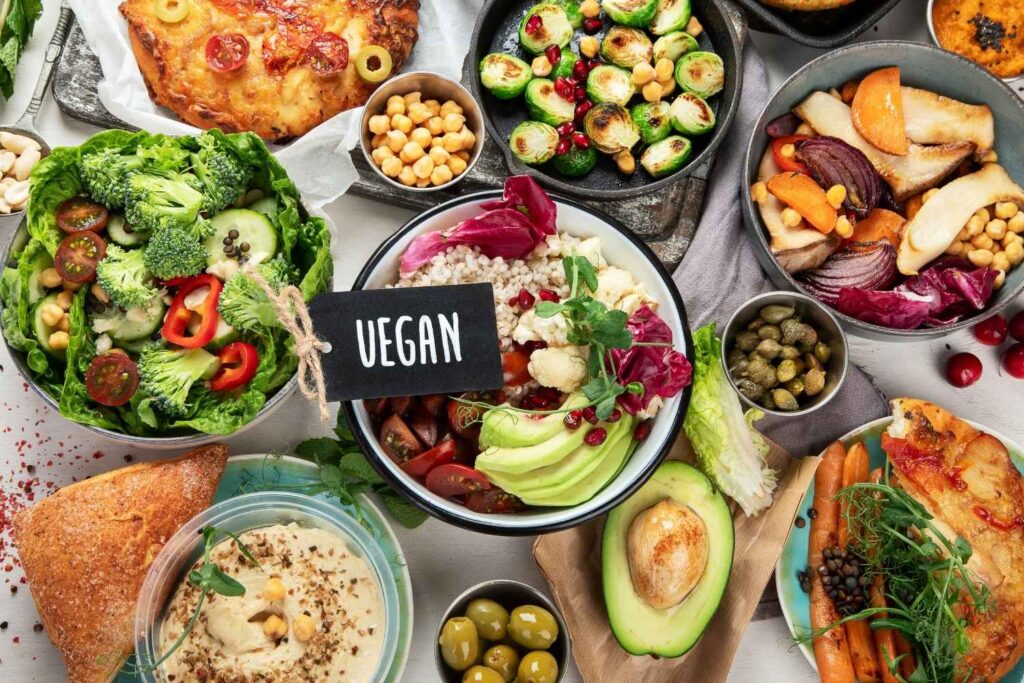
Many Boomers associate veganism with rigidity—an all-or-nothing commitment that leaves little room for deviation or social dining ease. The image often involves complex label-reading, niche products, and skipping out on traditional family dishes like baked ziti or roast chicken.
Gen Z tends to view plant-based eating through a more flexible lens, often using terms like “plant-forward” or “mostly vegan.” They might eat oat milk cereal for breakfast, then share sushi with friends at dinner, without feeling they’ve broken a rule. Flexibility, not perfection, defines the approach.
2. Plant-based diets lack essential protein and key nutrients.

Concerns about plant-based diets missing key nutrients—especially protein, iron, and B12—often surface among Boomers raised on food pyramids that center meat and dairy. These concerns reflect a long-standing belief that strength depends on animal-based staples like beef and milk.
Younger generations tend to source protein from beans, tofu, quinoa, or plant-based milks, viewing nutrition as modular rather than one-size-fits-all. While supplementation might be necessary in some cases, the broader mindset rests on variety and intention, not meat’s nutritional monopoly.
3. Veganism is mostly about personal health, not broader ethics.

Focusing on cholesterol levels and digestive health, many Boomers first encountered veganism through a medical or dietary lens. For them, the practice often overlaps with wellness buzzwords like “clean eating” rather than environmental or ethical motivations.
Gen Z perspectives tend to widen the frame, connecting plant-based choices to climate anxiety, factory farming, and animal consciousness. In this view, veganism is less a personal strategy and more a statement about shared responsibility. The shift prioritizes systems over individual outcomes.
4. Meat substitutes are highly processed and not truly healthy.

For some Boomers, the rise of plant-based burgers and bacon signals food innovation gone too far. They may see it as replacing a single ingredient with a laundry list of additives, sacrificing simplicity for imitation.
Gen Z often sees these same substitutes as transitional tools, not permanent staples. A soy nugget or pea protein sausage isn’t about purity but practicality—a bridge between habits and ideals. The processed label becomes less a dealbreaker and more a detail in a broader arc of change.
5. Going vegan is expensive and hard to maintain long-term.

Older generations who grew up with meat as a daily anchor often perceive plant-based shopping as a luxury—full of unfamiliar products with premium price tags. Budget and accessibility shape their view of what seems sustainable.
Younger eaters, especially those living in urban settings or on campuses, may rely on bulk lentils, frozen produce, and free recipes to craft affordable meals. While cost barriers exist, the economic picture shifts with habits, not assumptions. Rice and beans, not boutique items, often fill the plate.
6. Veganism is a trend that will eventually fade out.

Some Boomers recall waves of diet movements that came and went—low-fat, macrobiotic, Atkins—and group veganism with them. In that framework, it’s just another chapter in a long history of fleeting food philosophies.
By contrast, Gen Z’s framing of plant-based eating often ties to enduring values like sustainability or social equity. To them, it’s less about a trend and more about recalibrating norms. Not a phase, but a paradigm shift—a noticeable difference in tone and timeline.
7. Animal products are natural and necessary for balanced nutrition.

For many Boomers, animal products carried decades of nutritional endorsement—eggs for breakfast, milk for calcium, roast beef as Sunday’s reward. These habits were rarely questioned, and often backed by public campaigns.
Younger generations encounter a fractured landscape where food guidelines compete with climate data and ethical sourcing. They’re more likely to view “natural” as a conversation starter, not a conclusion. A strawberry grown on industrial soil, after all, may prompt as much scrutiny as a chicken nugget.
8. Vegan diets are too extreme to be practical for most people.

Within some Boomer circles, completely forgoing meat and dairy still feels radical—something reserved for monastics or activists. It’s perceived as a total lifestyle overhaul that separates rather than connects.
To Gen Z, extremity often lies in context. But swapping cashew cheese for cheddar or skipping fast food might feel less like rebellion and more like routine. Convenience stores sell hummus wraps now. What once seemed extreme has shifted toward acceptable, even mundane, in many settings.
9. Eating meat is a cultural tradition, not something to question.

Cultural attachment to meat runs deep—Sunday pot roasts, holiday turkeys, barbecue rituals. For many Boomers, these meals knit generations together and carry emotional weight that outlasts flavor or health.
Gen Z acknowledges that heritage but questions its permanence. Food traditions, while cherished, do evolve, and younger eaters often explore fusion alternatives—sweet potato tamales or lentil shepherd’s pie—as a bridge between roots and ideals. Nostalgia and change find room at the same table.